
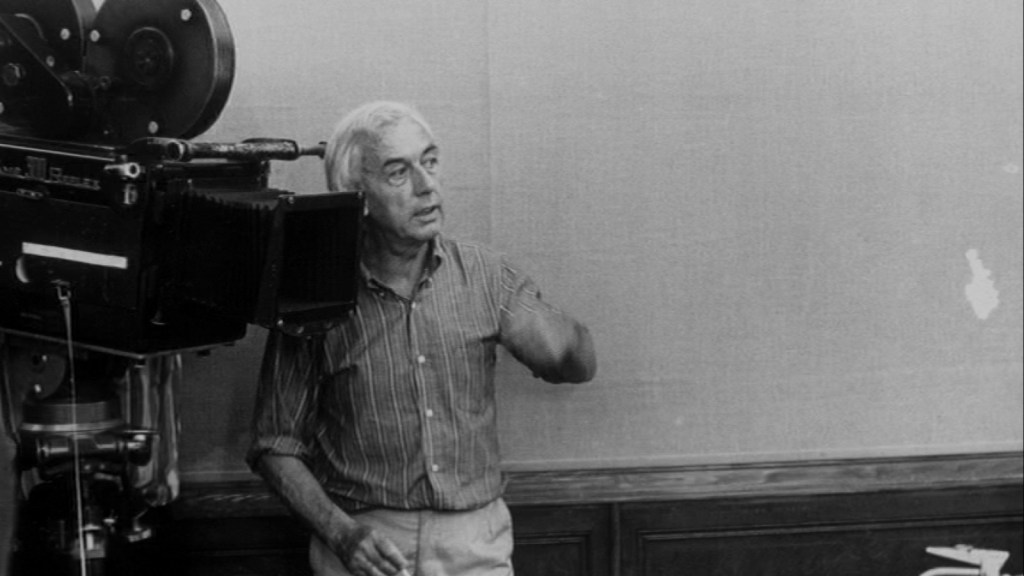
Robert Bresson was a French film director celebrated for his minimalist style and spiritual themes. His work, which includes iconic films like Pickpocket, A Man Escaped, and Au Hasard Balthazar, is characterised by its austere aesthetic, non-professional actors, and profound exploration of human nature. Bresson’s films often delve into themes of redemption, suffering, and the human spirit, making him a significant figure in the history of French cinema.
Bresson’s journey into filmmaking began in the 1930s, following a period as a painter and a photographer. His early films, such as Les Anges du Péché and Diary of a Country Priest, demonstrated his unique approach to storytelling and established him as a director with a distinctive and contemplative vision.
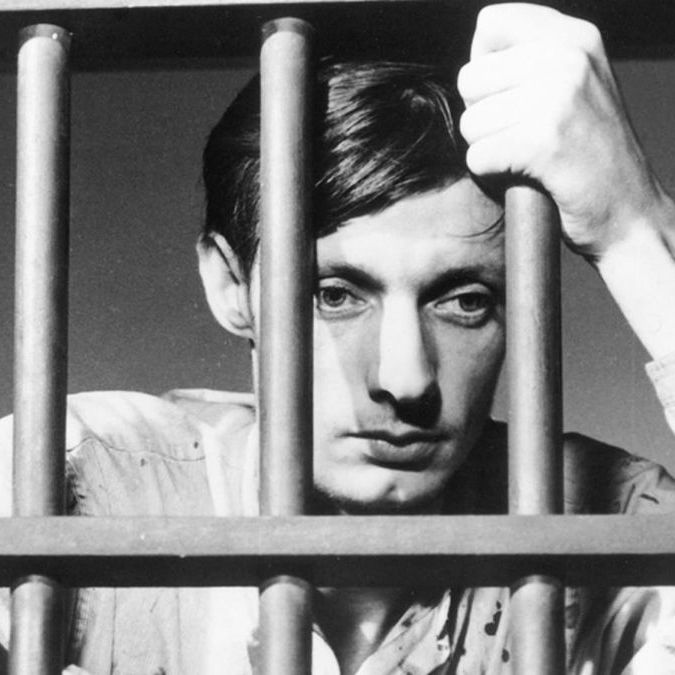
Bresson’s films are known for their recurring themes and motifs. He often explored the human struggle for redemption and the spiritual aspects of existence, as seen in A Man Escaped, which delves into the story of a French Resistance fighter’s escape from a Nazi prison. His films also frequently grapple with themes of suffering and transcendence, a theme particularly evident in Au Hasard Balthazar, which reflects on the life of a donkey as a symbol of universal suffering.
Minimalist Existentialism
Bresson was known for his minimalist aesthetic and innovative use of non-professional actors. His films often feature sparse settings, limited music, and a focus on the minutiae of everyday life, creating a sense of realism and introspection. This is particularly evident in Pickpocket, where Bresson’s visual style complements the film’s exploration of guilt and redemption.
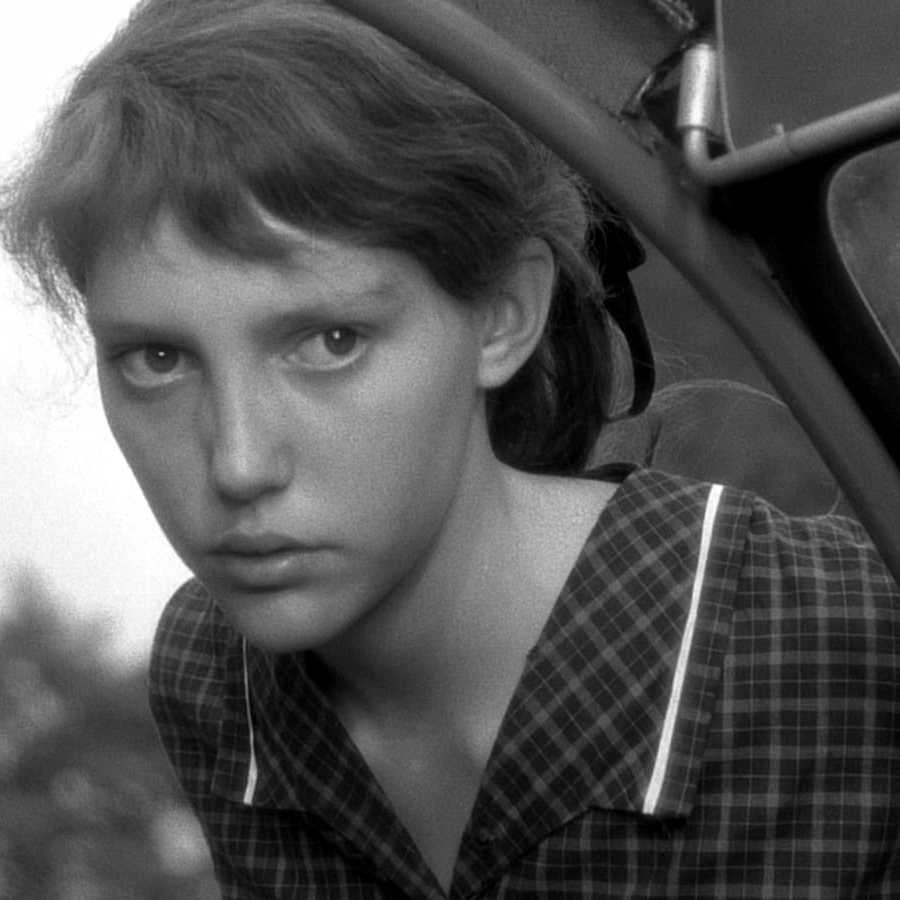
Bresson’s approach to filmmaking was marked by a focus on the spiritual and existential aspects of human existence. He was known for his “model” theory of acting, which involved using non-professional actors and directing them to deliver their lines in a flat, affectless manner. This is evident in Mouchette, where Bresson’s unique approach to performance enhances the film’s exploration of suffering and despair.
Robert Bresson’s influence on cinema is vast and enduring. Directors such as Michael Haneke in Austria and the Dardenne brothers in Belgium have cited Bresson as a major influence on their work. His impact extends beyond France, with his minimalist style and spiritual themes influencing filmmakers worldwide. Bresson’s films have been recognised for their cultural and historical significance, and his legacy inspires filmmakers today.

Robert Bresson (1901 – 1999)
Calculated Films:
- Angels of Sin (1943)
- Les Dames du Bois de Boulogne (1945)
- Diary of a Country Priest (1951)
- A Man Escaped (1956)
- Pickpocket (1959)
- Au Hasard Balthazar (1966)
- Mouchette (1967)
- Four Nights of a Dreamer (1971)
- Lancelot of the Lake (1974)
- The Devil, Probably (1977)
- L’Argent (1983)
Similar Filmmakers
Robert Bresson’s Top 10 Films Ranked
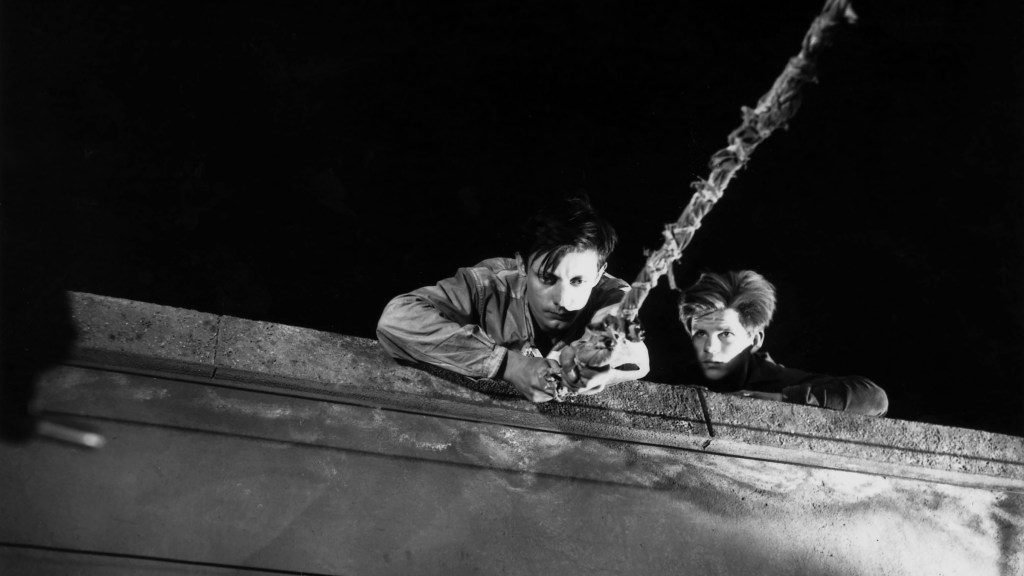
1. A Man Escaped (1956)
Genre: Prison Film, Drama
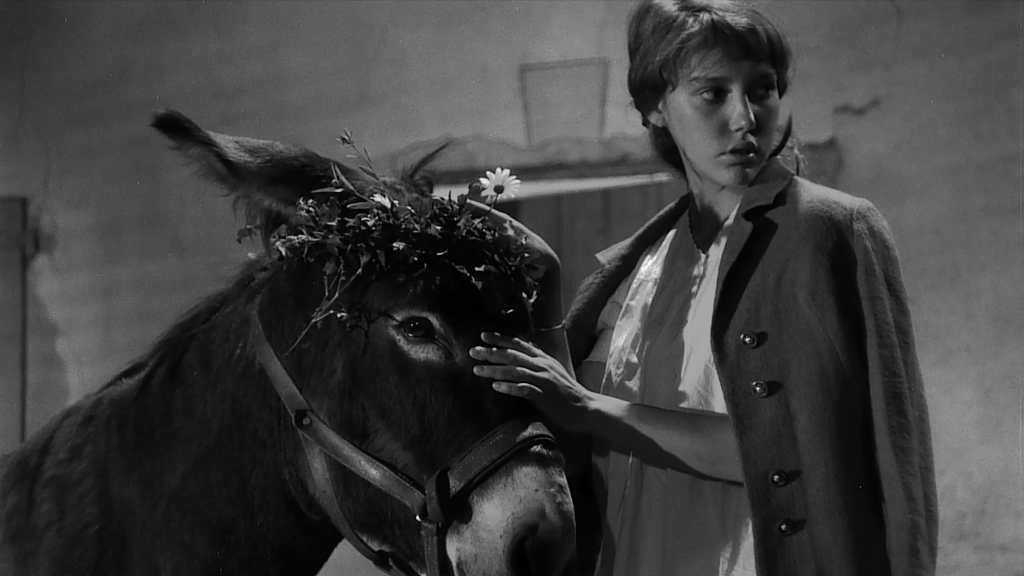
2. Au Hasard Balthazar (1966)
Genre: Drama
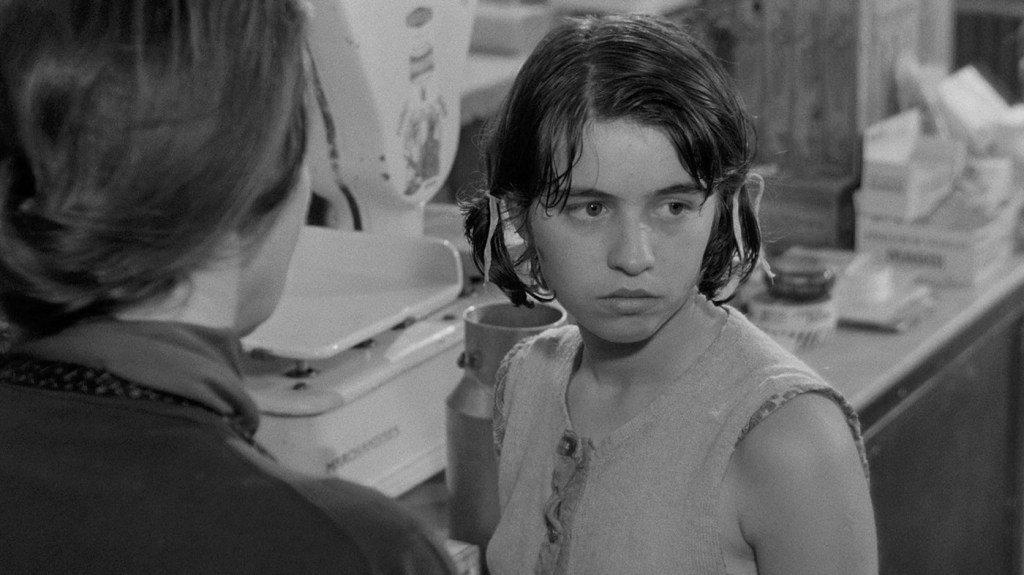
3. Diary of a Country Priest (1951)
Genre: Drama, Psychological Drama

4. Pickpocket (1959)
Genre: Drama, Crime

5. Mouchette (1967)
Genre: Drama, Coming-of-Age
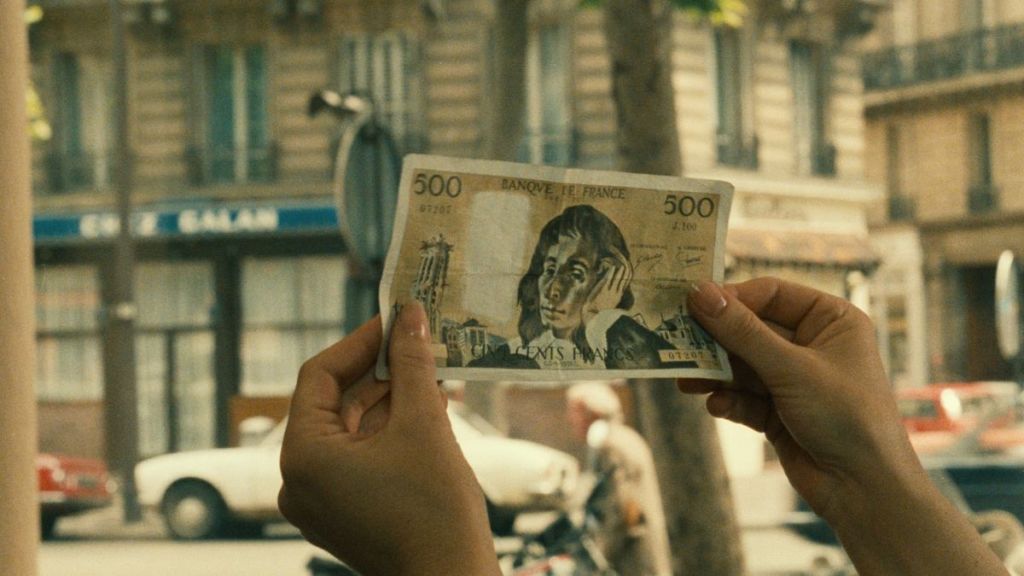
6. L’Argent (1983)
Genre: Drama, Crime
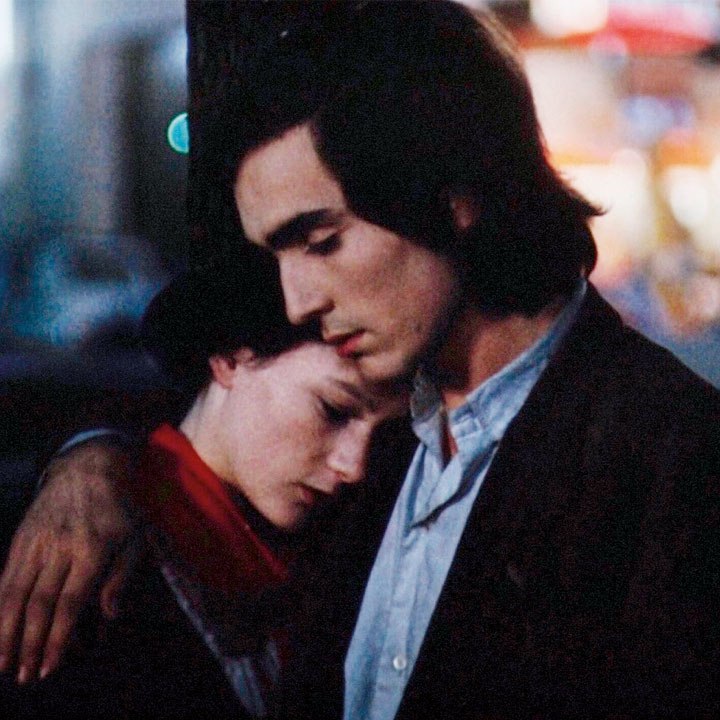
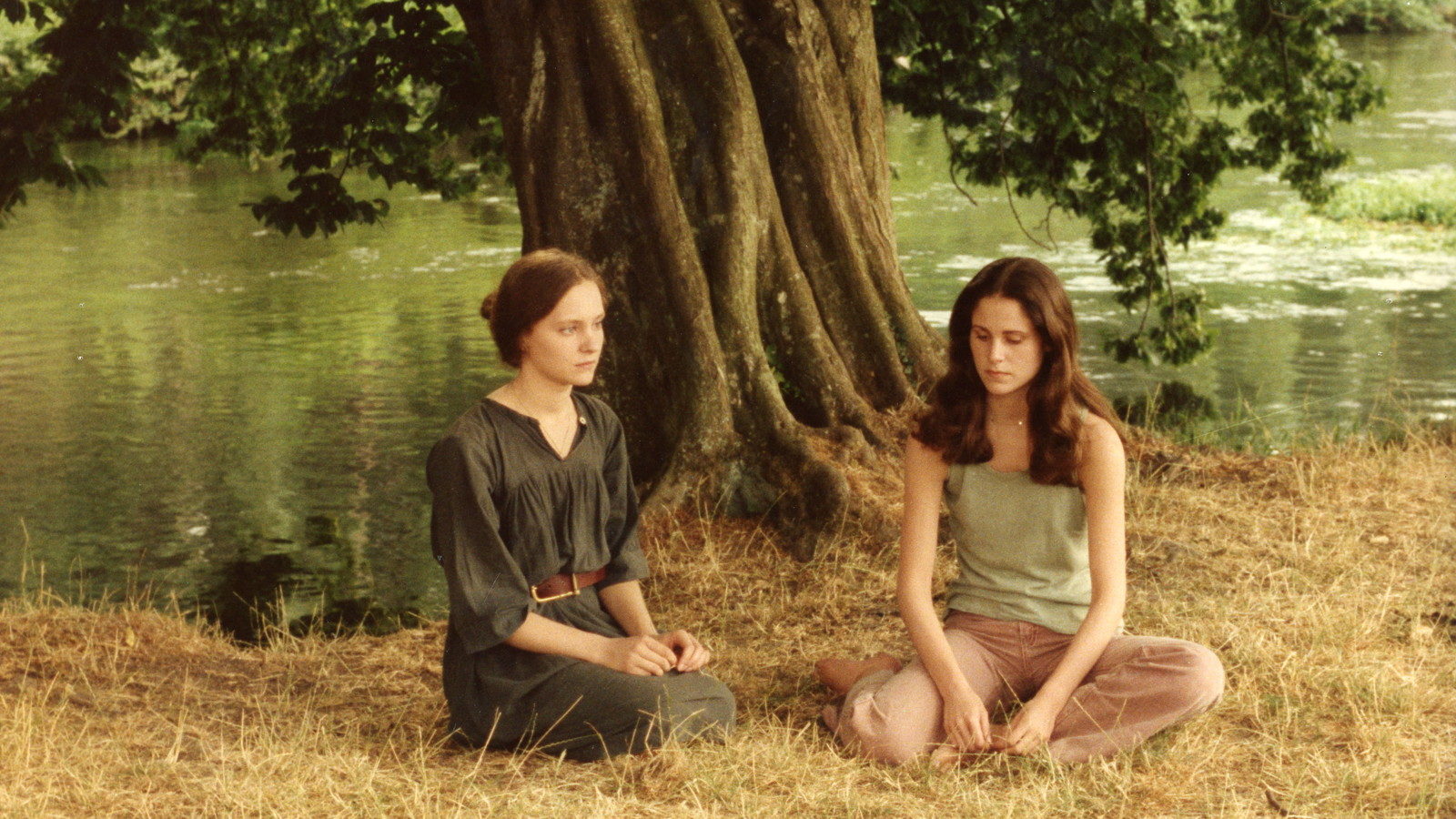
7. Four Nights of a Dreamer (1971)
Genre: Romance, Drama

8. The Devil, Probably (1977)
Genre: Drama

9. The Trial of Joan of Arc (1962)
Genre: Period Drama, Legal Drama, Medieval

10. A Gentle Woman (1969)
Genre: Drama, Psychological Drama

Robert Bresson: Themes and Style
Themes:
- Spirituality and Redemption: Bresson’s films, such as Journal d’un curé de campagne and Pickpocket, often explore the spiritual struggles of his characters, highlighting their search for redemption amidst moral and existential crises.
- Humanity and Existentialism: In works like Au hasard Balthazar, Bresson delves into the human condition, portraying characters who face the absurdity of their existence, often depicted through their interactions with animals, which serve as silent witnesses to human folly.
- Isolation and Confinement: Films like A Man Escaped and The Trial of Joan of Arc are frequently centred around protagonists who are physically or socially confined, using their isolation as a lens to examine larger questions of freedom and destiny.
- Transcendence Through Suffering: Bresson’s characters often undergo a form of suffering that leads to a spiritual or existential awakening, suggesting that pain can be a path to transcendence.
- Moral and Ethical Ambiguity: In L’Argent and Le Diable probablement, Bresson presents characters in morally ambiguous situations, forcing viewers to question their own ethical beliefs and the nature of evil.
Styles:
- Minimalist Cinematography: Bresson’s visual style is characterised by its austerity and restraint. He uses a minimalist approach, with a preference for natural lighting and composition that eschews any ornamental or purely aesthetic considerations.
- Non-Professional Actors (‘Models’): He often employed non-professional actors, whom he referred to as “models,” to achieve a sense of realism and purity in performances, stripping away the theatrical to reveal the authentic.
- Economical Storytelling: Bresson’s narratives are marked by their economy, removing any superfluous elements in both dialogue and plot to focus on the essential parts of the story, resulting in a distinctive narrative brevity.
- Selective Sound Design: His use of sound is as deliberate as his visuals, often employing natural sounds and sparse, poignant use of music to heighten the emotional landscape of his films.
- Physicality of Salvation: Bresson frequently focuses on the hands and feet of his characters, symbolising the physical acts that lead to spiritual liberation, as seen in Pickpocket, where the act of theft becomes a metaphor for transcendence.
Directorial Signature:
- Ascetic Film Language: Bresson’s directorial signature is an ascetic film language that strips away cinema’s excesses to reveal its essence. He believed that movies should not imitate theatre or literature but exploit what is unique to the medium.
- Narrative Ellipsis: He is known for his use of ellipsis in storytelling, often omitting key events or details and leaving gaps that the viewer must fill, which creates an active engagement with the film.
- Reductive Aesthetic: Bresson’s technique of “le modèle” involved exhaustive repetition of scenes until all semblances of performance were stripped away, aiming for a reductive aesthetic that reveals deeper truths.
- Spiritual and Existential Depth: His films consistently reflect a deep spiritual and existential inquiry, leaving a signature impression of contemplative cinema that invites reflection on life’s profound questions.
- Mechanical Repetition and Ritual: In his direction, mechanical repetition becomes a form of ritual, where actions are repeated until they become almost meditative or sacred, as exemplified by the prison routines in A Man Escaped.
Robert Bresson: The 15th Greatest Director



 Bronze Screen Dream