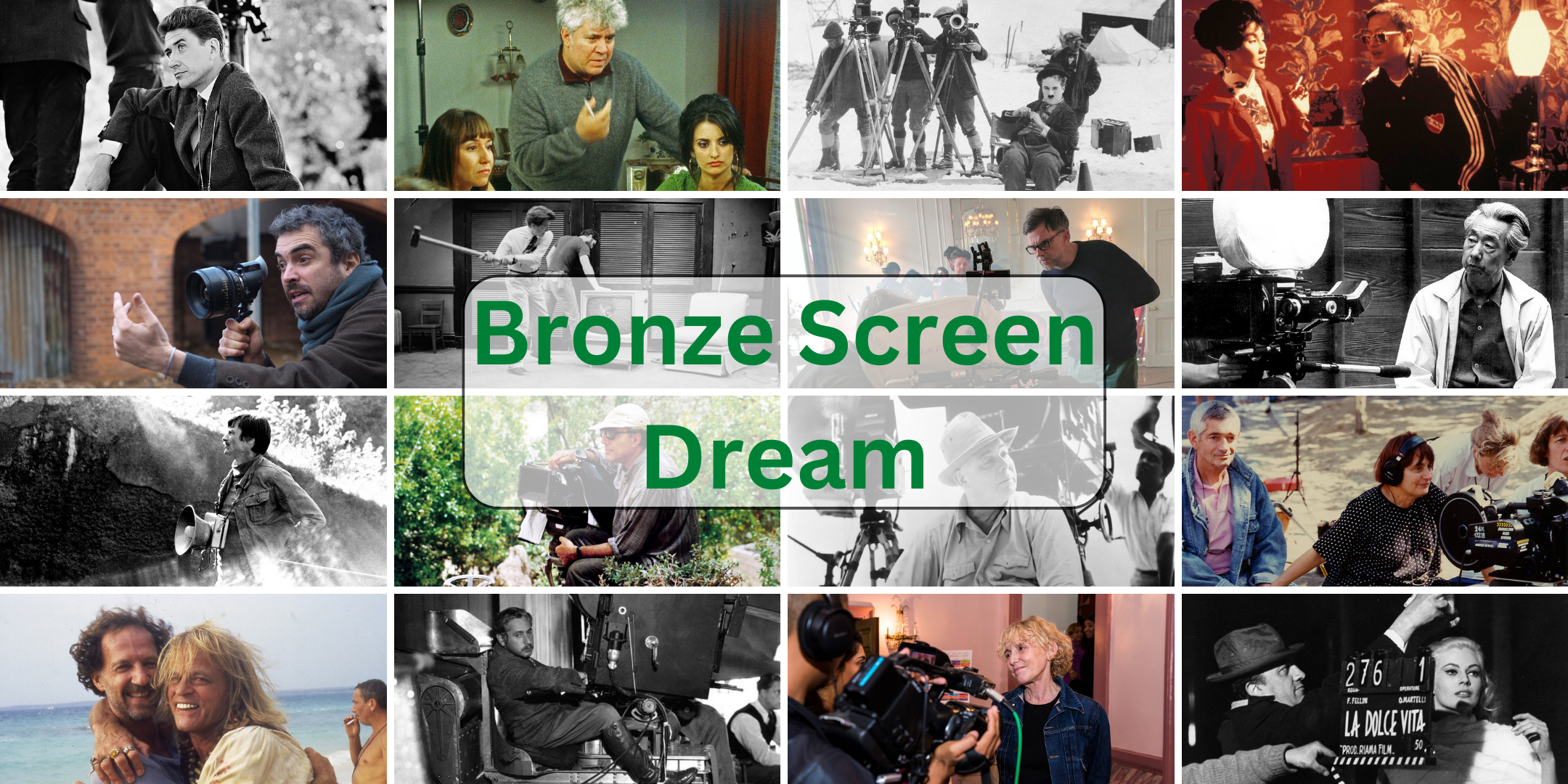
Click on the pictures to check out the best directors from each country.

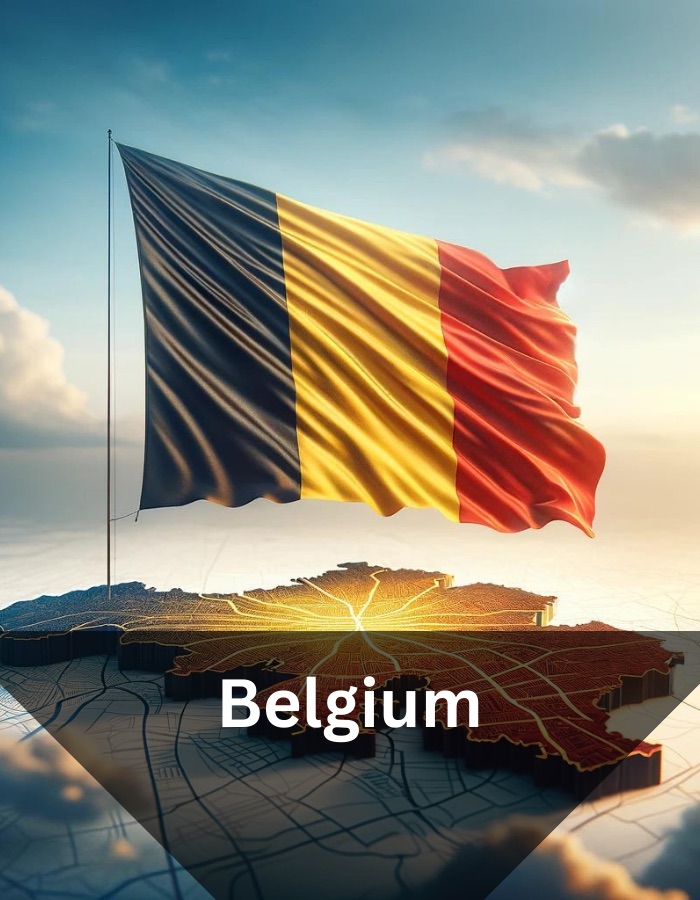

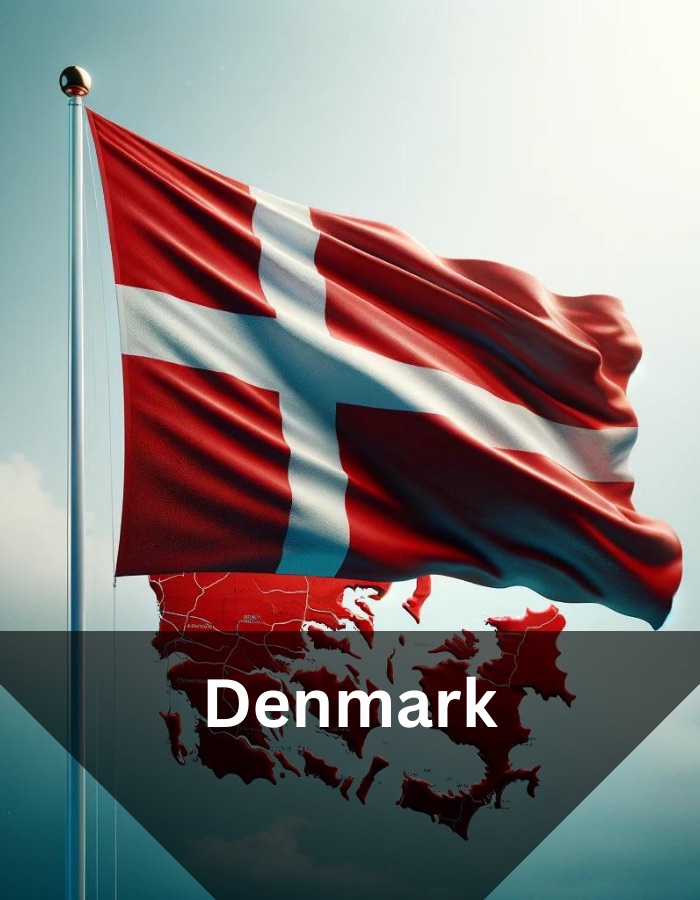


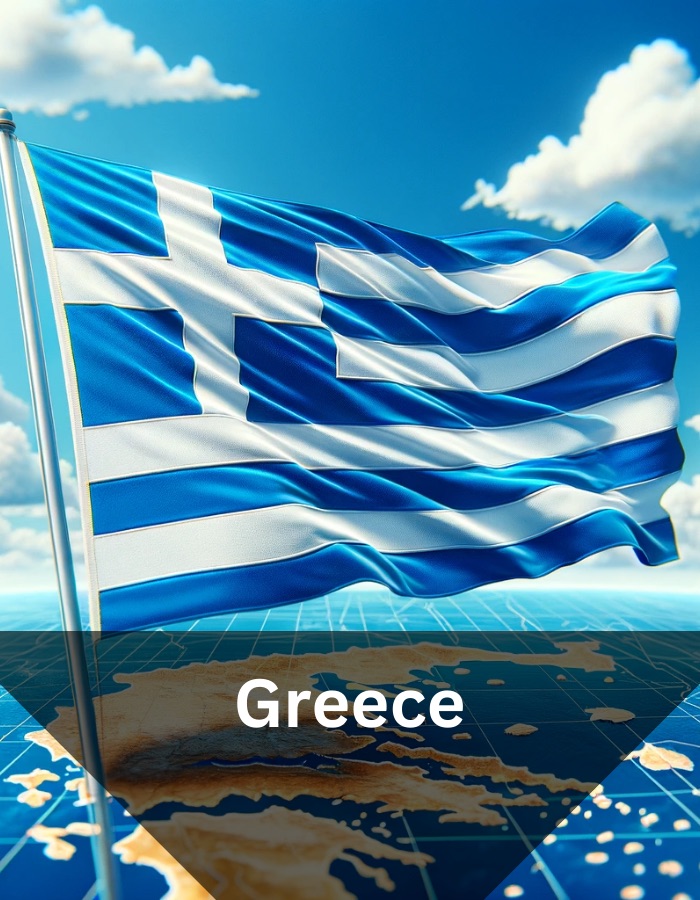









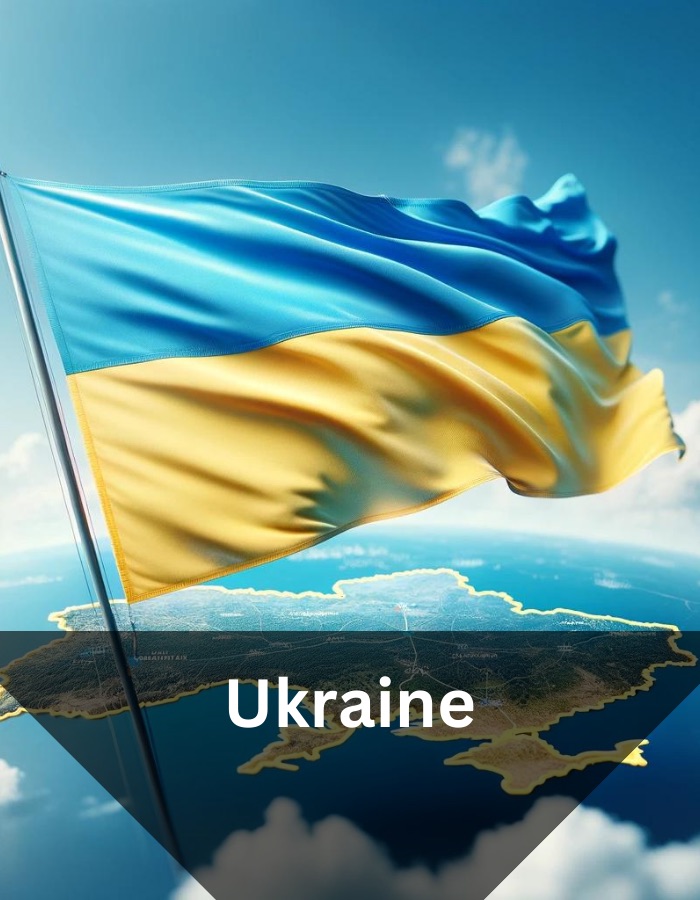
Other countries will be added as we add director’s profiles of that nationality.
A Brief History of European Cinema
European cinema has a rich and diverse history, beginning in the late 19th and early 20th centuries. It was in France where the Lumière brothers, Auguste and Louis, held the first public movie screening in 1895, showcasing short films they had produced. This event marked the birth of cinema as a medium and set the stage for Europe’s pioneering role in the development of film. In these early years, cinema was primarily a novelty, consisting of short, silent films shown in music halls and other public venues.
As the 20th century progressed, European cinema began to evolve in distinct ways across different countries, reflecting their unique cultures and histories. In Germany, the 1920s saw the emergence of Expressionism, a cinematic style characterised by its use of sharp contrasts, distorted sets, and a focus on the internal emotional landscape of characters. Directors like Fritz Lang and F.W. Murnau were central figures in this movement, producing classics such as “Metropolis” and “Nosferatu”. Meanwhile, in Russia, Sergei Eisenstein became renowned for his revolutionary montage techniques, exemplified in films like “Battleship Potemkin”.
The advent of sound in the late 1920s brought a new dimension to European cinema. France became a hub for poetic realism in the 1930s, with directors like Jean Renoir and Marcel Carné blending realism with lyrical storytelling. This period also saw the rise of Italian Neorealism post-World War II, a movement marked by its use of non-professional actors, on-location shooting, and a focus on the plight of the working class. Directors such as Vittorio De Sica and Roberto Rossellini were key figures in this movement, creating films like “Bicycle Thieves” and “Rome, Open City”.
In the post-war era, European cinema continued to innovate and influence global filmmaking. The French New Wave of the 1950s and 60s, led by directors like François Truffaut and Jean-Luc Godard, rejected traditional filmmaking conventions and embraced a more personal, freestyle approach to storytelling and cinematography. Around the same time, the British Free Cinema movement emerged, aiming to portray the everyday lives of working-class Britons with honesty and sensitivity. Directors like Lindsay Anderson and Tony Richardson were central to this movement.
Today, European cinema remains a vital and influential part of the global film industry. Directors from various European countries continue to make significant contributions to the art of filmmaking, often blending traditional styles with contemporary themes and techniques. Pedro Almodóvar in Spain, Michael Haneke in Austria, and Lars von Trier in Denmark are among the modern European directors who have gained international acclaim for their unique visions and storytelling prowess. Their work, along with that of many others, ensures that European cinema remains a dynamic and evolving art form.
 Bronze Screen Dream