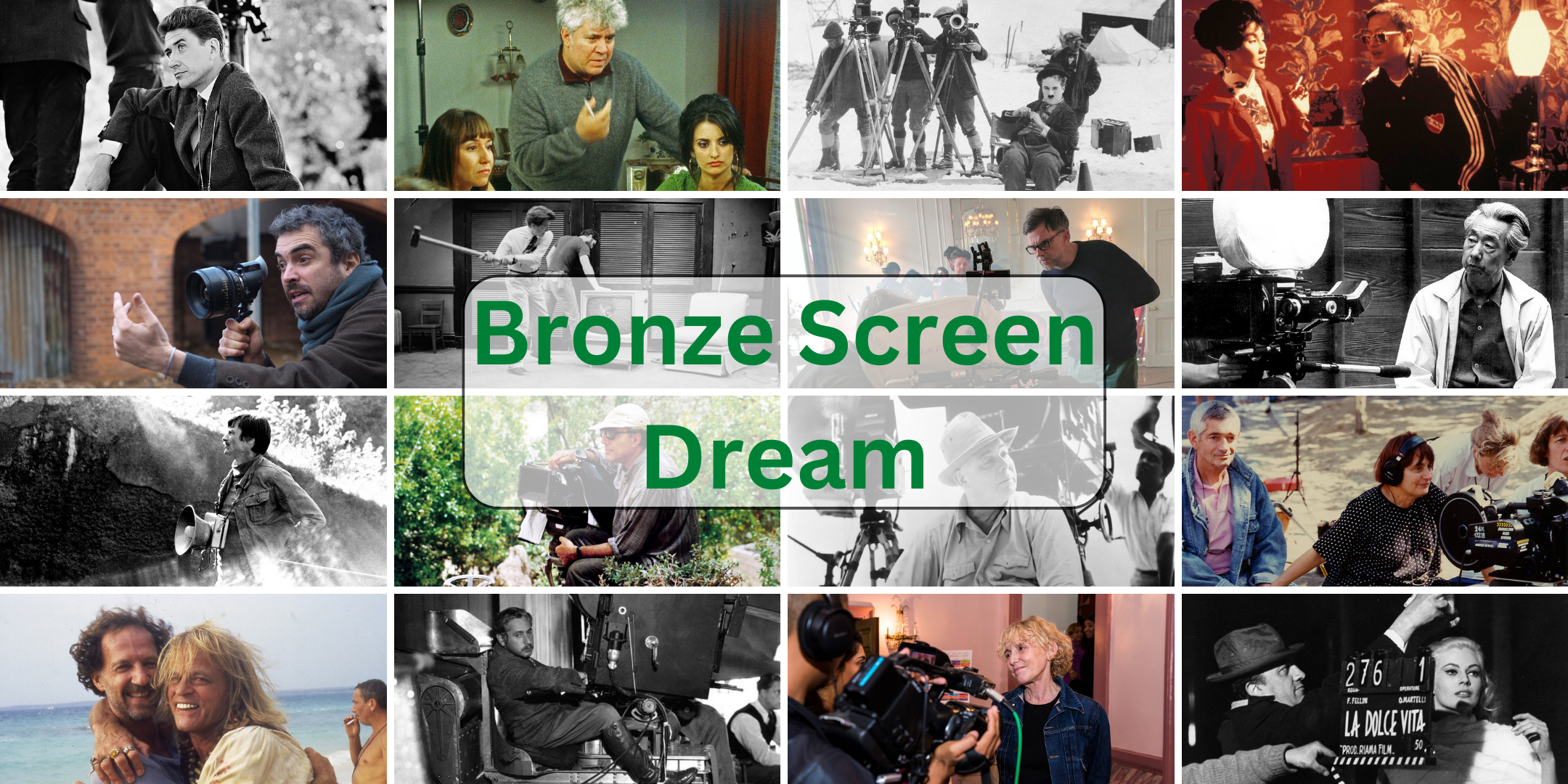
There are many ways to organise the best American directors. I’ve attempted to sort them into groups based off period, activity and thematic/genre movements. As with any attempt at categorisation, there are those who refuse to fit neatly into their box. However, below is the best sorting I was able to create.
Click on their pictures to discover more about them.














A Brief History of American Cinema
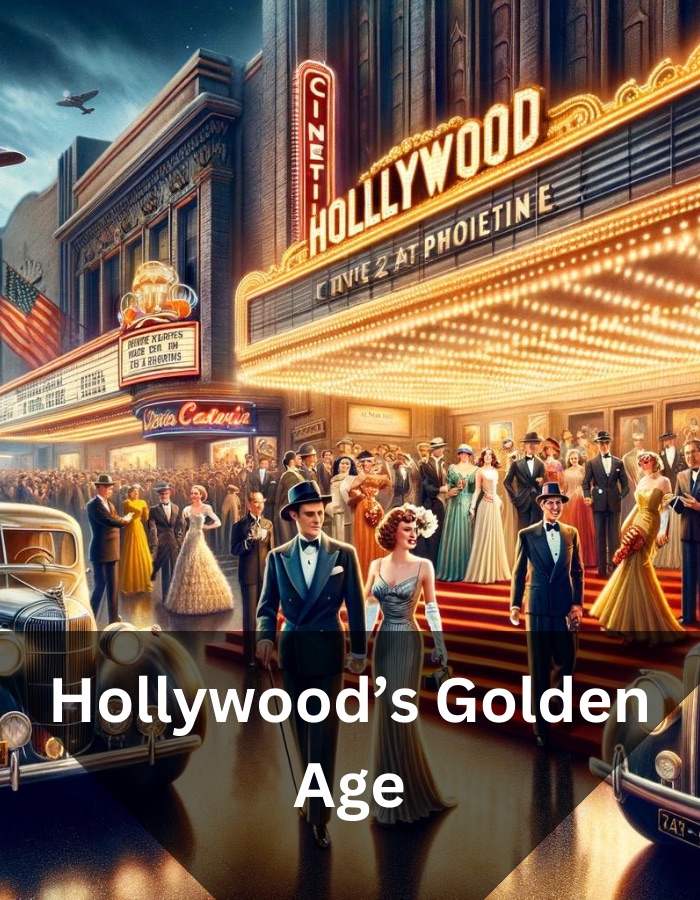
The early 20th century marked the genesis of American cinema, with the silent film era dominating the landscape. Pioneers like D.W. Griffith, known for his 1915 epic “The Birth of a Nation,” played a crucial role in the development of film language despite the controversial nature of his work. During this era, Charlie Chaplin emerged as an iconic figure, charming audiences with his “Little Tramp” character, blending comedy and pathos. The introduction of synchronised sound in the late 1920s, with films like “The Jazz Singer”, revolutionised the industry, leading to the Golden Age of Hollywood.
The Golden Age, spanning from the 1930s to the late 1950s, saw the rise of major studios like MGM, Warner Bros., and Paramount. Directors like Alfred Hitchcock, known for his mastery of suspense and psychological thrillers, and Orson Welles, whose 1941 film “Citizen Kane” is often hailed as one of the greatest films of all time, left indelible marks on cinema. This era also witnessed the emergence of genres like musicals, film noir, and romantic comedies, with directors like Vincente Minnelli and Billy Wilder making significant contributions.
The 1960s and 1970s marked a transition to more experimental and personal filmmaking, often referred to as the “New Hollywood” or “American New Wave.” Directors like Stanley Kubrick, known for his meticulous craftsmanship and innovative storytelling, and Martin Scorsese, with his gritty, urban narratives, redefined American cinema. This period also saw the rise of blockbuster filmmaking, with directors like Steven Spielberg and George Lucas creating iconic films that reshaped the industry’s business model.
The late 20th and early 21st centuries saw further diversification in American cinema. Independent filmmakers like Quentin Tarantino and the Coen Brothers brought a fresh perspective with their unique storytelling and visual styles. Meanwhile, advances in digital technology enabled directors like James Cameron to push the boundaries of visual effects and storytelling, as seen in his groundbreaking films “Titanic” and “Avatar”.
 Bronze Screen Dream