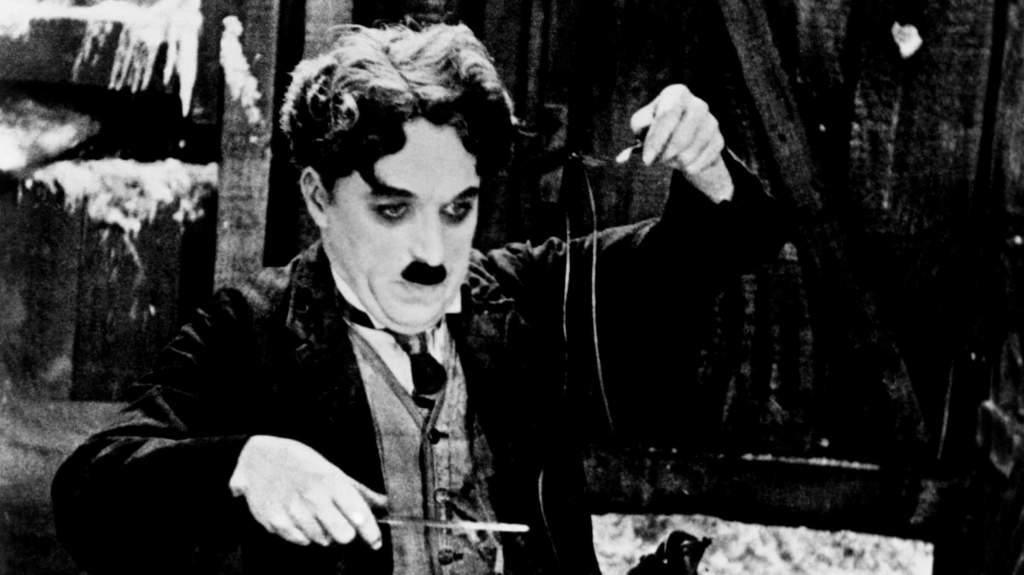
Charlie Chaplin

Charlie Chaplin remains one of cinema’s great originals — the man who turned a bowler hat, a cane, and a funny walk into the most recognisable image the movies have ever produced. The Tramp wasn’t just a comic creation; he was a vessel for everything Chaplin wanted to say about poverty, dignity, and the little guy’s place in a world that didn’t much care about him.
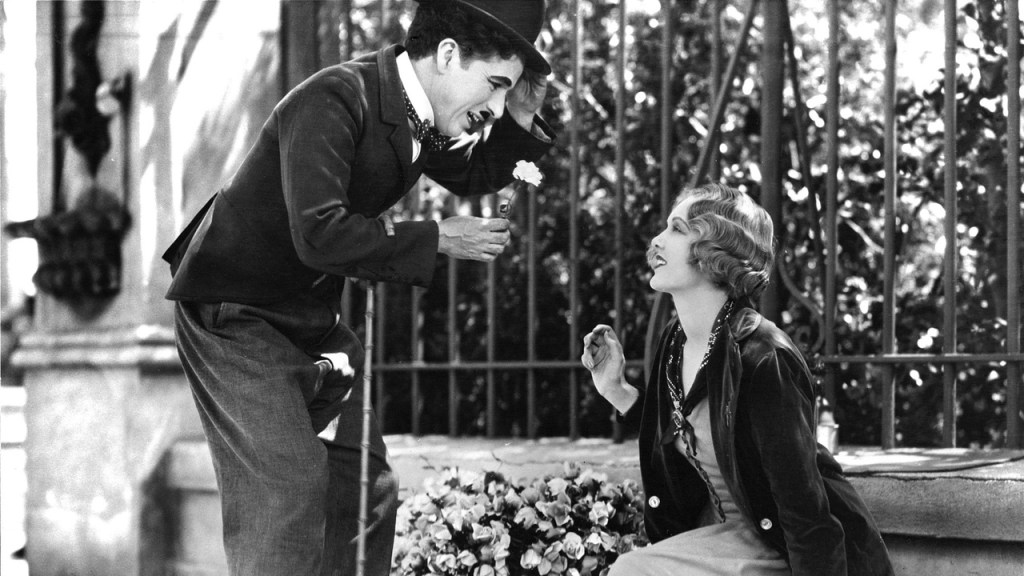
He came up through vaudeville and found his footing at Keystone Studios, but Chaplin quickly outgrew the factory-produced slapstick of early Hollywood. What separated him wasn’t just technical ability, though he had that in abundance — he took on directing, producing, writing and eventually composing his own scores — it was his insistence that comedy and heartbreak were the same thing. City Lights makes you laugh and then devastates you. The Kid does it in the opposite order. That balance was entirely deliberate and almost impossible to pull off.
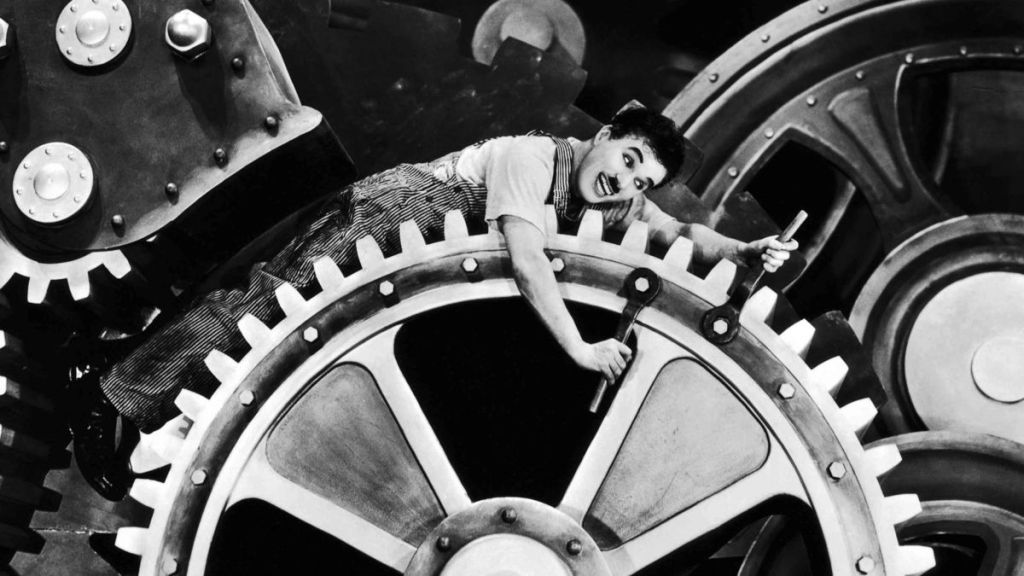
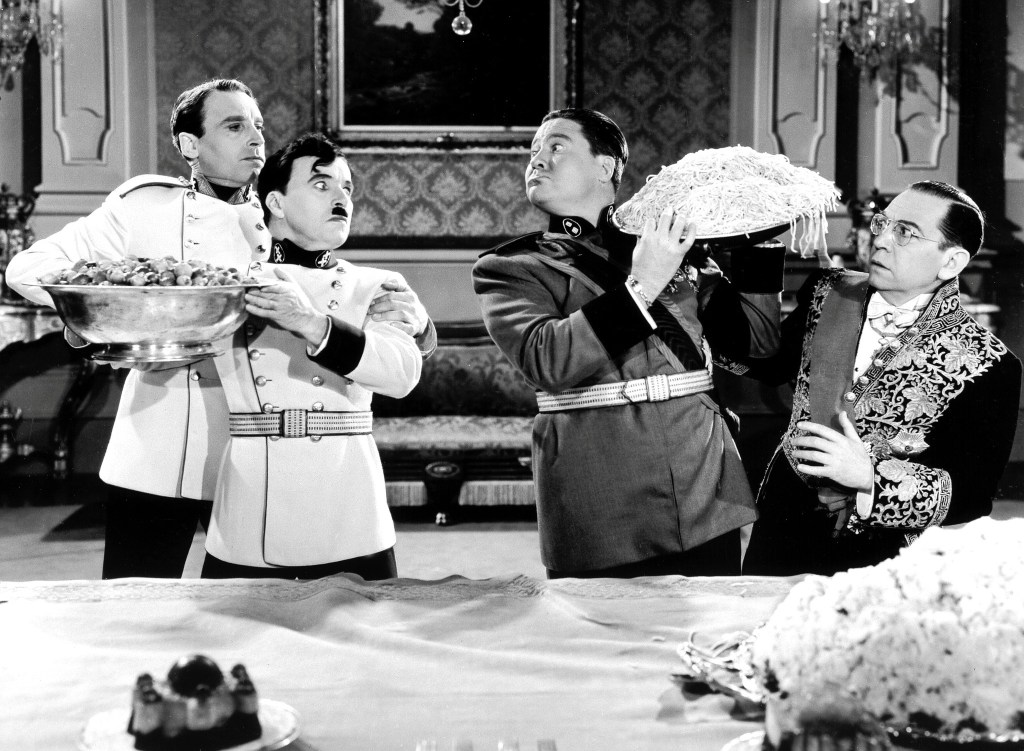
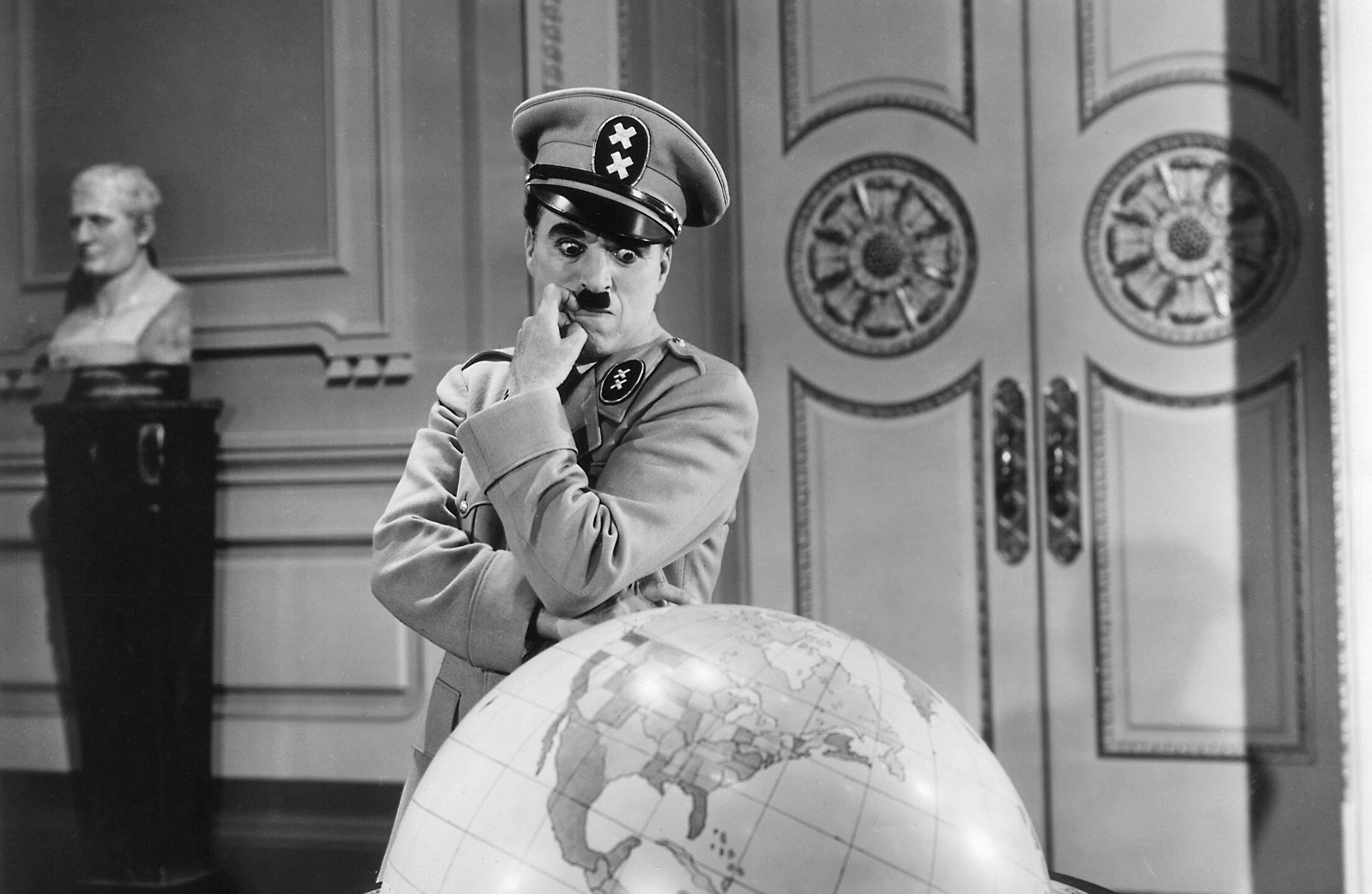
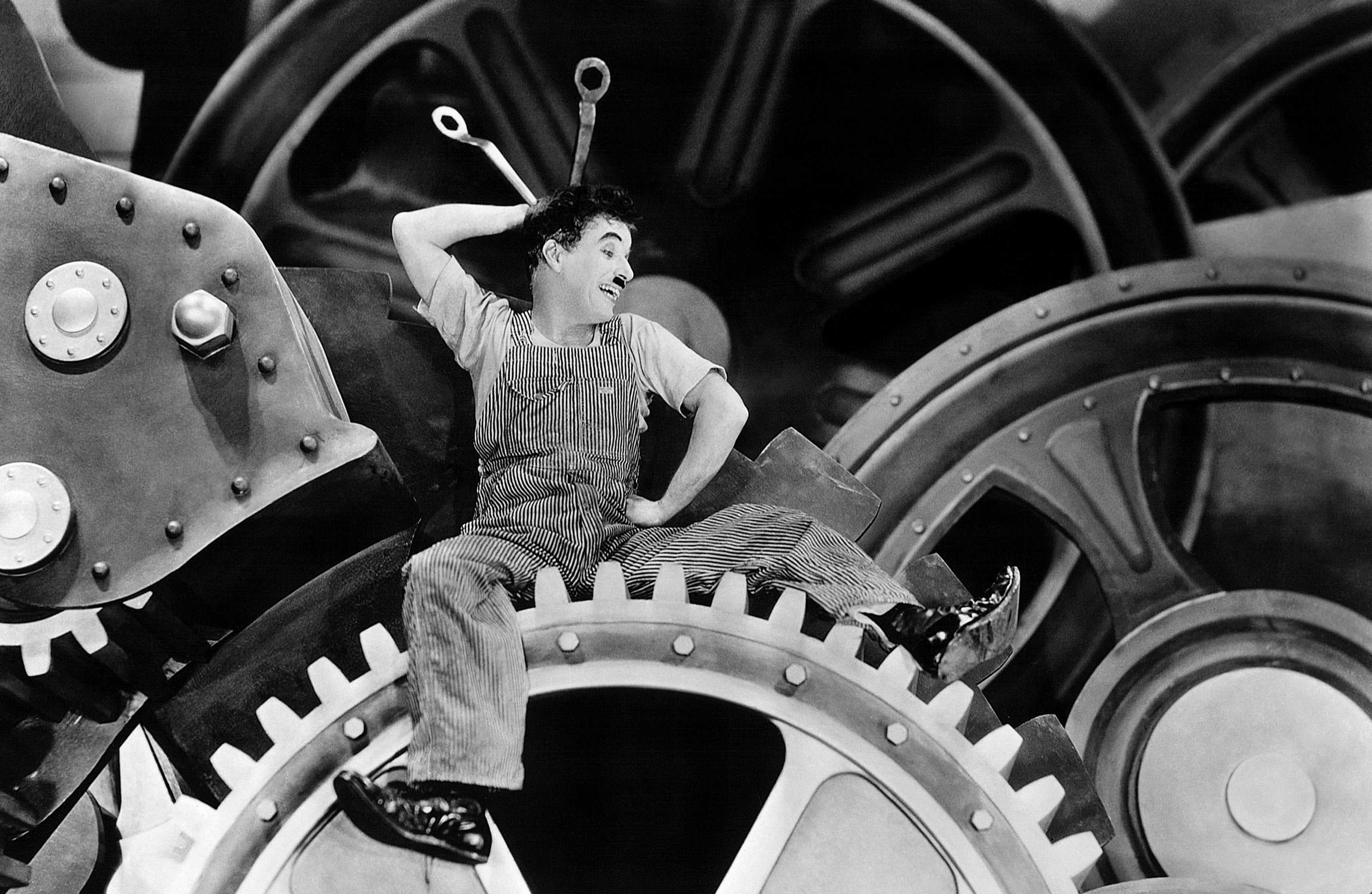
Modern Times and The Great Dictator showed he wasn’t content just to entertain. The former took aim at industrialisation with a precision that still lands; the latter took on Hitler at a moment when Hollywood was largely looking the other way. That The Great Dictator is still funny and still uncomfortable is some measure of how well it was made.
His later years were clouded by the McCarthy era, which effectively drove him out of America, but the work stands entirely on its own. Few filmmakers have left behind anything so immediately recognisable or so quietly radical.
Charlie Chaplin (1889 – 1977)
- 1914 – The Face on the Barroom Floor
- 1914 – His Prehistoric Past
- 1914 – The Masquerader
- 1914 – Twenty Minutes of Love
- 1915 – A Burlesque on Carmen
- 1915 – The Champion
- 1915 – His New Job
- 1915 – A Night in the Show
- 1915 – The Tramp
- 1915 – A Woman
- 1916 – Behind the Screen
- 1916 – The Fireman
- 1916 – The Floorwalker
- 1916 – One A.M.
- 1916 – The Pawnshop
- 1916 – The Rink
- 1916 – The Vagabond
- 1917 – The Adventurer
- 1917 – The Cure
- 1917 – Easy Street
- 1917 – The Immigrant
- 1918 – A Dog’s Life
- 1918 – Shoulder Arms
- 1919 – Sunnyside
- 1921 – The Idle Class
- 1921 – The Kid
- 1922 – Pay Day
- 1923 – The Pilgrim
- 1923 – A Woman of Paris
- 1925 – The Gold Rush
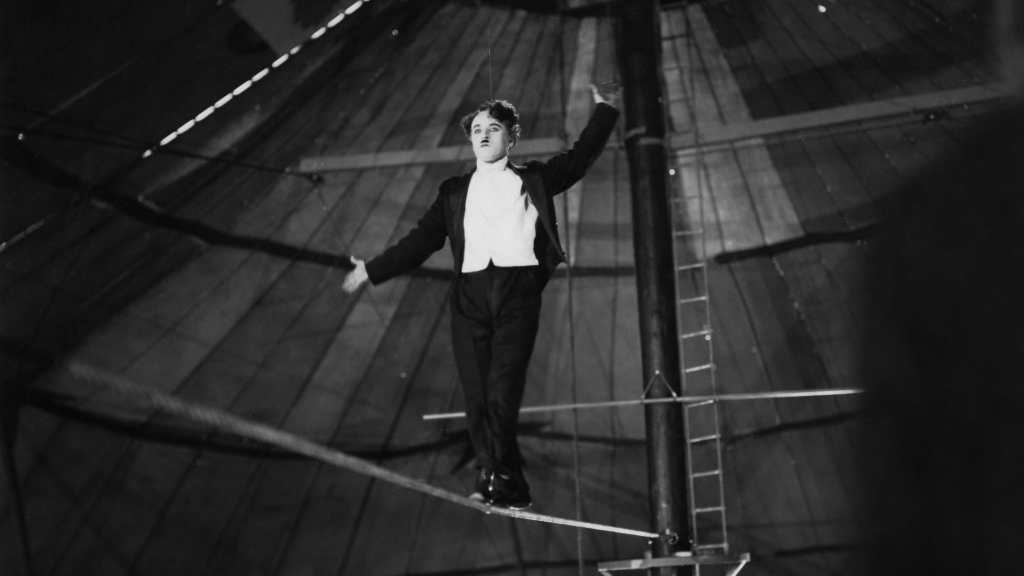
- 1928 – The Circus
- 1931 – City Lights
- 1936 – Modern Times
- 1940 – The Great Dictator
- 1947 – Monsieur Verdoux
- 1952 – Limelight
- 1957 – A King in New York
- 1967 – A Countess from Hong Kong
- The Little Tramp: Chaplin’s iconic character who embodies resilience, hope, and humour amidst adversity. The character frequently struggles with the hardships of modern society but retains an optimistic spirit.
- Class Disparities: Many of Chaplin’s films, like Modern Times and The Kid, address the vast difference between the rich and the poor, highlighting the struggles of the underprivileged.
- Innocence and Love: Chaplin often explored the theme of innocent love and its power to triumph over adversity, as seen in films like City Lights.
- Industrialisation and Modernity: Films like Modern Times critique the dehumanising effects of mechanisation and industrialised society.
- Authority and Power: Chaplin frequently depicted the absurdities and corruptions of power, be it in the form of policemen, politicians, or other authority figures.
- Physical Comedy: Chaplin was a master of slapstick and used his body as a tool for comedic expression. His movements were graceful, balletic, and perfectly timed.
- Pathos: Chaplin seamlessly blended comedy with heartfelt emotion, eliciting both laughter and tears from his audience. His films often contained deeply emotional moments.
- Silent Film Mastery: Even as the film industry transitioned to talkies, Chaplin’s command over silent storytelling remained unparalleled. He utilised facial expressions, body language, and visual cues to convey his narratives.
- Minimal Dialogue: Even in his sound films, Chaplin often used dialogue sparingly, preferring to convey story and emotion through visuals and action.
- Music: Chaplin composed scores for many of his films. His music enhanced the emotional depth and comedy of his movies.
- Control Over Production: Chaplin was known for his meticulous attention to detail. He often took on multiple roles—acting, directing, writing, producing, and even composing music—to ensure his vision was realised.
- Recurring Cast and Crew: Chaplin frequently collaborated with a consistent group of actors and crew members, creating a cohesive environment.
- Socio-Political Commentary: Beneath the humour, many of Chaplin’s films offer sharp critiques of societal issues, making them relevant beyond their comedic value.
- Balanced Narrative: Chaplin’s films are characterised by a delicate balance between comedy and drama, ensuring that neither overshadows the other.
- Visual Innovation: Despite the limitations of early filmmaking technology, Chaplin consistently innovated with camera techniques and visual tricks to enhance his storytelling.
- Billy Wilder
- Buster Keaton
- Edward F. Cline
- Ernst Lubitsch
- Fatty Arbuckle
- Federico Fellini
- Frank Capra
- Frank Tashlin
- Fred C. Newmeyer
- Gregory La Cava
- Jacques Tati
- Jerry Lewis
- Leo McCarey
- Mack Sennett
- Max Linder
- Pierre Etaix
- Preston Sturges
- Rene Clair
Read More About Charlie Chaplin
Coming soon as posts added