

Bertrand Tavernier was a French director known for his vast and diverse filmography, which spanned genres from historical dramas to crime thrillers. A passionate cinephile, Tavernier’s films often echo the socio-political consciousness of France, addressing issues like war, occupation, and colonialism with a deft blend of historical precision and emotional resonance. Notable films include Coup de Torchon, Life and Nothing But, and The Clockmaker.
Tavernier had a keen eye for the subtleties of interpersonal relationships and societal dynamics. He had a particular fondness for exploring the lives of ordinary individuals navigating extraordinary circumstances, which is evident in films like Life and Nothing But, where the aftermath of World War I serves as a backdrop for an exploration of personal tragedies and resilience. He also frequently commented on the complexities of morality, such as in Coup de Torchon, where he presented a seedy, colonial African town as a microcosm of broader human failings.
He often favoured a naturalistic style, allowing the inherent drama of his subjects to shine without unnecessary embellishment. This choice accentuated the raw emotion and authenticity of his narratives, as seen in Round Midnight, a film about jazz which captures the music’s spontaneous spirit and melancholy. His approach to filmmaking often involved extensive research, ensuring that even when exploring historical or far-flung settings, his films remained rooted in genuine human experiences and emotions.
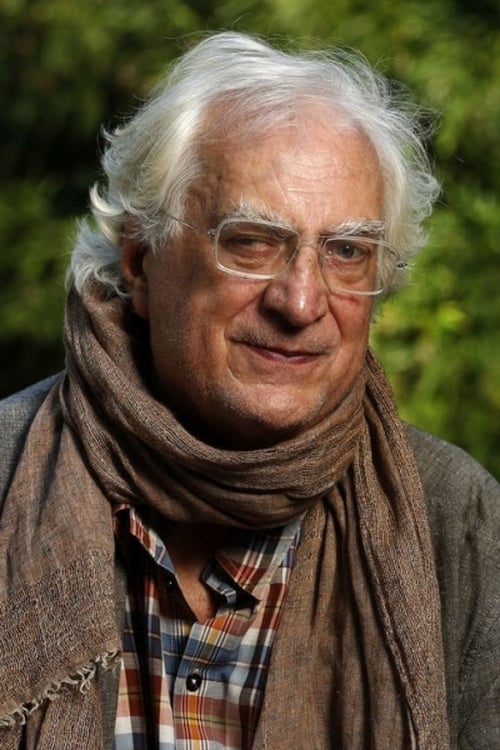
Bertrand Tavernier (1941 – 2021)
Calculated Films:
- A Sunday in the Country (1984)
- Round Midnight (1986)
- Life and Nothing But (1989)
Similar Filmmakers
- Alain Corneau
- Arnaud Desplechin
- Bertrand Blier
- Claude Chabrol
- Claude Sautet
- Francois Truffaut
- Jacques Audiard
- Jacques Becker
- Jean Grémillon
- Jean-Pierre Melville
- Louis Malle
- Maurice Pialat
- Olivier Assayas
- Patrice Leconte
- Philippe Faucon
- Philippe Lioret
- Regis Wargnier
- Robert Bresson


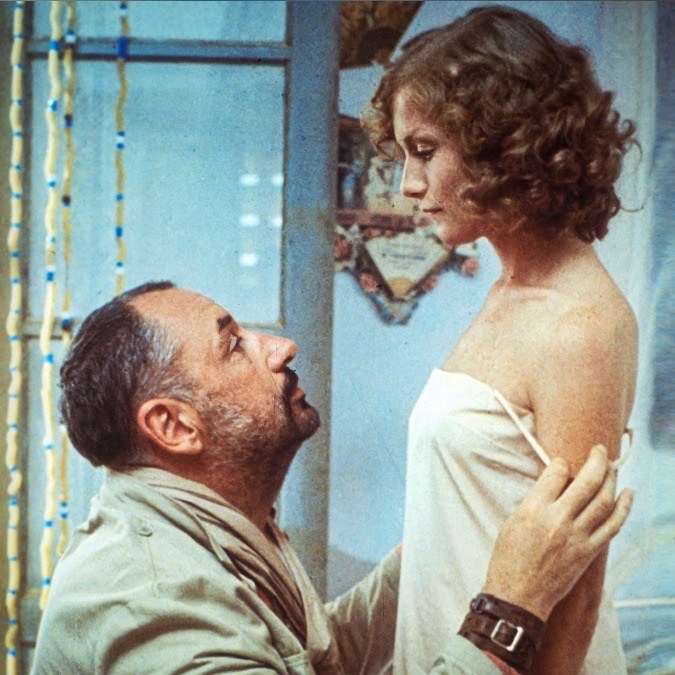
Bertrand Tavernier’s Top 5 Films Ranked
1. Round Midnight (1986)
Genre: Drama, Music, Buddy

2. A Sunday in the Country (1984)
Genre: Period Drama, Family Drama

3. Life and Nothing But (1989)
Genre: Period Drama, Romance, Drama

4. It All Starts Today (1999)
Genre: Drama

5. Coup de Torchon (1981)
Genre: Black Comedy, Drama, Crime

Bertrand Tavernier: Themes and Style
Themes:
- Historical and Political Narratives: Many of Tavernier’s films, like Life and Nothing But and Captain Conan, are set against the backdrop of pivotal moments in history. These historical contexts aren’t just decorative; they significantly advance the narrative and establish character motivations.
- Moral Ambiguity: Tavernier’s films often dive into the complexities of human nature. He avoids painting characters in simple binaries of good or bad, instead offering a more nuanced portrayal of human behaviour.
- Humanism and Empathy: Regardless of the subject matter, a sense of humanism pervades his work. His films often display a deep empathy for their characters, allowing the audience to connect even with the most flawed among them.
Styles:
- Realism: Tavernier’s approach to storytelling leans heavily on realism. Whether depicting historical events or personal dilemmas, there’s a tangible authenticity to his settings, characters, and dialogues.
- Narrative Pacing: His films often take their time, allowing the story to unfold at a deliberate pace. This lets viewers immerse themselves in the world he portrays and form connections with its inhabitants.
- Visceral Cinematography: While not overtly stylised, the cinematography in Tavernier’s films is evocative. He has a knack for capturing both the grandeur of landscapes and the subtleties of human emotion.
Directorial Signature:
- Historical Accuracy: Tavernier was known for his meticulous attention to historical detail. His dedication to accurately representing historical periods was not just in terms of events but also in portraying societal norms, costumes, and settings.
- Music and Soundtrack: Tavernier had an appreciation for music, which was evident in the soundtracks of his films. Whether jazz in Round Midnight or period-specific tracks in historical dramas, music often played a central role in setting the mood and tone.
- Socio-Political Commentary: Beneath the primary narrative, there’s often a secondary layer to Tavernier’s films that comments on societal issues, politics, or historical events, making his works resonant beyond just their plot.
Bertrand Tavernier – Great Director


 Bronze Screen Dream