

What is a suspense film? The simple answer is that it’s a film by Lois Weber from 1913, but the more extended explanation is that suspense is a genre of film that has been shaped and refined by countless directors over the past century. From the early days of cinema to the present, suspense films have captivated audiences with their ability to create tension, unease, and excitement through masterful storytelling, innovative cinematography, and psychologically complex characters.
Below are the top 13 suspense directors ever, who can always be relied on for ratcheting up the tension.
1. Alfred Hitchcock
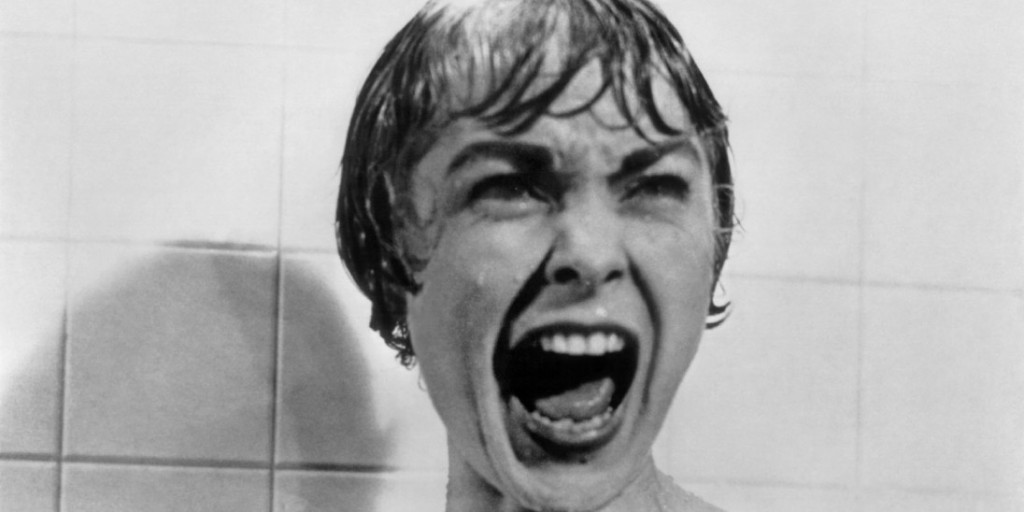
Alfred Hitchcock often referred to as the “Master of Suspense,” is widely regarded as one of the most influential directors in the history of cinema. His career, spanning over five decades, saw him craft some of the most iconic and enduring suspense films of all time. Hitchcock’s unique style, characterised by his use of innovative camera techniques, psychologically complex characters, and masterful manipulation of the audience’s emotions, set a new standard for the genre and inspired generations of filmmakers.
Hitchcock’s films often explore the darker aspects of human nature, delving into themes of guilt, obsession, and the blurred lines between good and evil. In “Rear Window” (1954), he creates a sense of voyeuristic unease as the protagonist, confined to his apartment, becomes obsessed with the lives of his neighbours. The film’s mounting tension and shocking climax demonstrate Hitchcock’s ability to create suspense through the use of limited space and point of view. Similarly, in “Vertigo” (1958), Hitchcock employs his signature “dolly zoom” technique to convey the protagonist’s sense of disorientation and obsession, creating a visual representation of the film’s psychological themes.
Perhaps Hitchcock’s most famous film, “Psycho” (1960), exemplifies his mastery of the suspense genre. The film’s iconic shower scene, with its quick cuts and screeching violins, has become a cultural touchstone and a testament to Hitchcock’s ability to create moments of pure, visceral terror. Throughout his career, Hitchcock demonstrated an unparalleled understanding of the audience’s psychological responses, allowing him to craft films that not only entertained but also left a lasting impact on the viewer’s psyche.
Examples
- Rear Window (1954)
- Vertigo (1958)
- Psycho (1960)
2. Brian De Palma
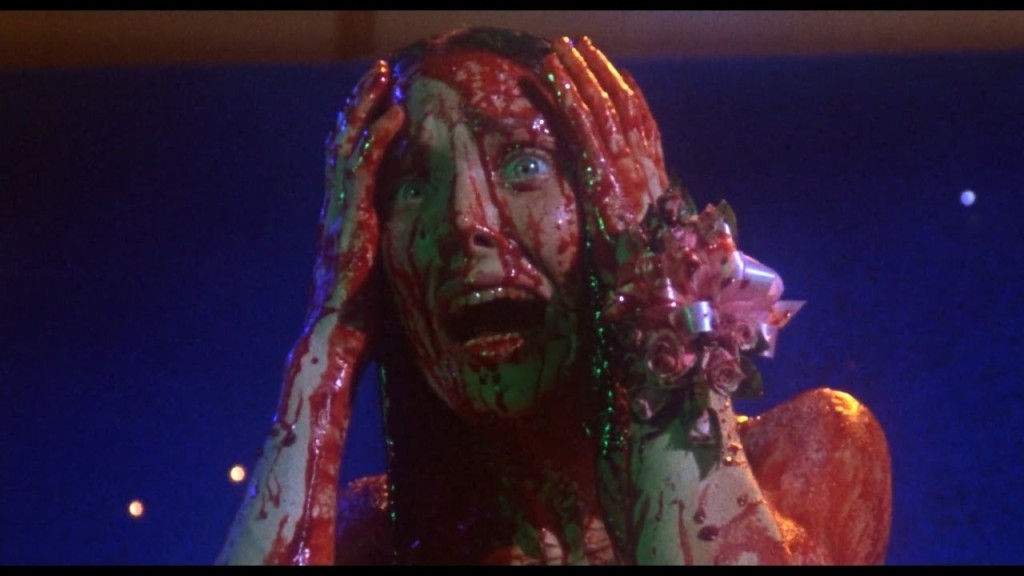
Brian De Palma draws heavily from Alfred Hitchcock’s influence while injecting his unique style and vision. His films are known for their bold visual flair, intricate plotting, and provocative themes that often push the boundaries of mainstream cinema. His ability to create tension and keep audiences guessing has solidified his status as one of the most skilled suspense directors of his generation.
De Palma’s early films, such as “Sisters” (1972) and “Obsession” (1976), showcase his Hitchcockian influences through their use of voyeuristic camera angles, psychological twists, and shocking reveals. However, it was with “Dressed to Kill” (1980) that De Palma truly established himself as a master of the suspense genre. The film’s infamous elevator scene, with its slow-motion violence and dizzying camera movements, demonstrates De Palma’s ability to create moments of pure, visceral tension. His use of split-screen techniques, as seen in films like “Carrie” (1976) and “Blow Out” (1981), allows him to present multiple perspectives simultaneously, heightening the sense of unease and keeping the audience off-balance.
Throughout his career, De Palma has continued to explore the darker aspects of human nature, often blurring the lines between reality and fantasy. In “Body Double” (1984), he creates a complex web of voyeurism, obsession, and deception, drawing the audience into a world where nothing is quite as it seems. Similarly, in “Raising Cain” (1992), De Palma delves into the fractured psyche of his protagonist, creating a sense of psychological unease that builds to a shocking climax.
Examples
- Carrie (1976)
- Dressed to Kill (1980)
- Blow Out (1981)
3. David Fincher
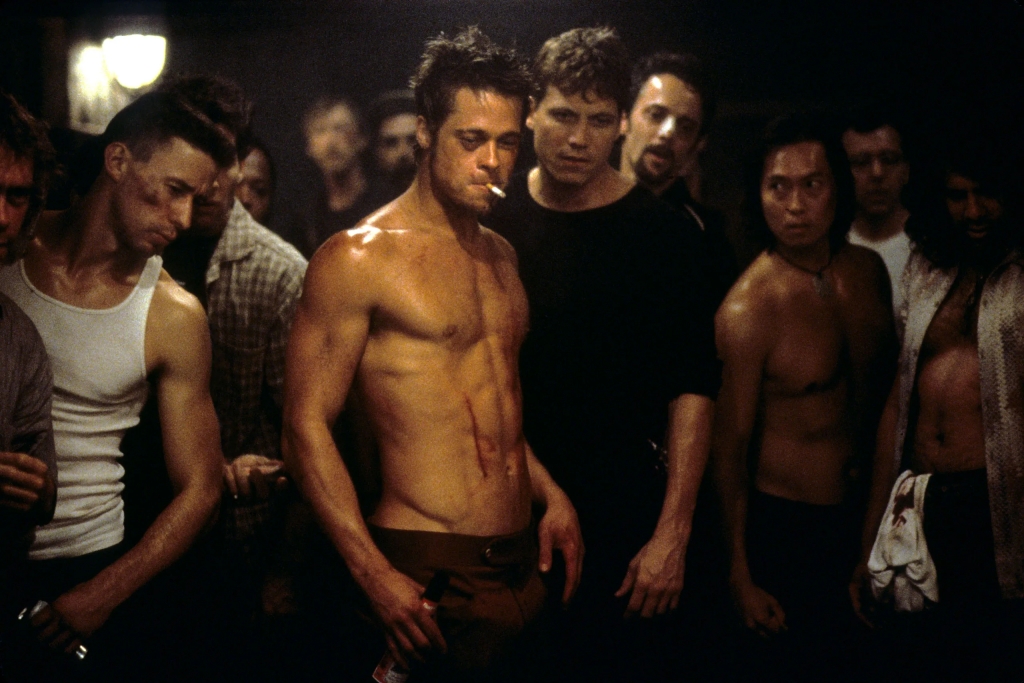
Over the course of the past 30 years, David Fincher has solidified his position as one of the most influential suspense directors of all time. His films are characterised by their dark, atmospheric tone, complex characters, and intricate plotlines that keep audiences on the edge of their seats. Fincher’s ability to create tension and unease through his use of camera angles, lighting, and sound design is unparalleled, making him a true master of the suspense genre.
Fincher’s breakthrough film, “Seven” (1995), showcased his talent for crafting a gripping narrative that delves into the depths of human depravity. The film’s haunting atmosphere and shocking reveal at the end cemented Fincher’s status as a director who could deliver both psychological depth and visceral thrills. He continued to explore the darker aspects of human nature in films like “Fight Club” (1999) and “Gone Girl” (2014), both of which feature unreliable narrators and twist-filled plots that keep viewers guessing until the very end.
One of Fincher’s greatest strengths as a suspense director is his ability to create a sense of unease and paranoia that permeates every frame of his films. In “Panic Room” (2002), he uses the confined space of the titular room to create a claustrophobic atmosphere that heightens the tension as the characters fight for survival. Similarly, in “Zodiac” (2007), Fincher’s meticulous attention to detail and use of muted colours contribute to a sense of dread that mirrors the characters’ obsession with the infamous serial killer.
Examples
- Seven (1995)
- Zodiac (2007)
- Gone Girl (2014)
4. Roman Polanski
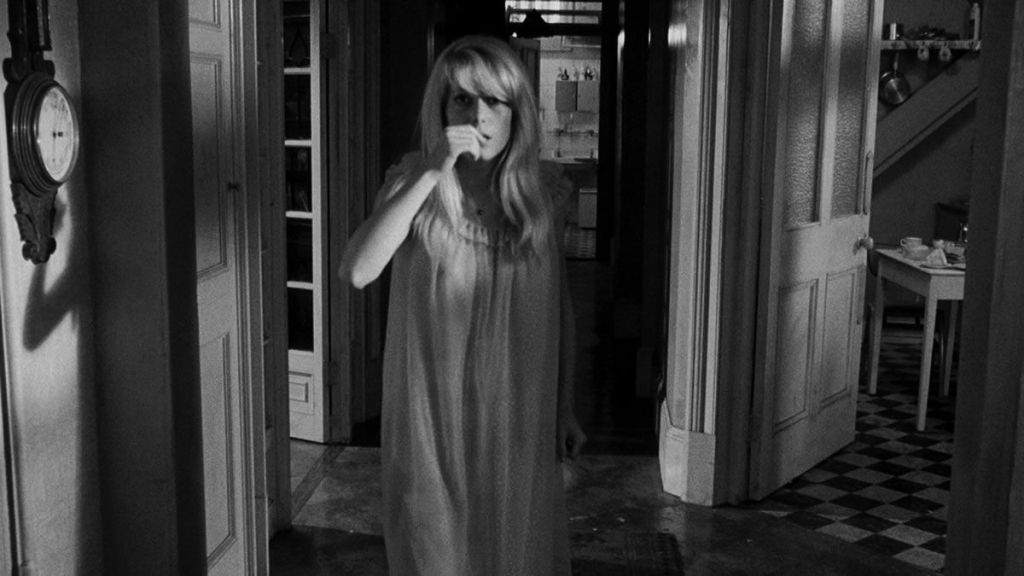
If you’ve ever watched a movie before, you probably know who Roman Polanski is. Although his personal life has often overshadowed his professional achievements, he is nevertheless widely regarded as a master of suspense. His films are characterised by their psychological depth, moral ambiguity, and a pervasive sense of unease that keeps audiences engaged and unsettled. Polanski’s ability to create tension through his use of claustrophobic spaces, unreliable characters, and a blurring of the lines between reality and fantasy has solidified his status as one of the most skilled suspense directors of his generation.
Polanski’s early films, such as “Knife in the Water” (1962) and “Repulsion” (1965), demonstrate his ability to create a sense of mounting tension and psychological unease through his use of confined spaces and unreliable narrators. In “Rosemary’s Baby” (1968), perhaps his most famous suspense film, Polanski creates a sense of paranoia and dread that builds slowly as the protagonist becomes increasingly isolated and unsure of whom to trust. The film’s ambiguous ending, which leaves the audience questioning the nature of reality, is a testament to Polanski’s skill at crafting complex, psychologically compelling narratives.
Throughout his career, Polanski has continued to explore the darker aspects of human nature, often placing his characters in morally ambiguous situations that challenge the audience’s perceptions. In “Chinatown” (1974), he creates a complex web of corruption and deceit, with a shocking reveal that subverts the audience’s expectations and leaves a lasting impact. Similarly, in “The Tenant” (1976), Polanski himself stars as a protagonist whose grip on reality slowly unravels, creating a sense of psychological tension that is both unsettling and captivating.
Examples
- Repulsion (1965)
- Rosemary’s Baby (1968)
The Tenant (1976)
5. Henri-Georges Clouzot
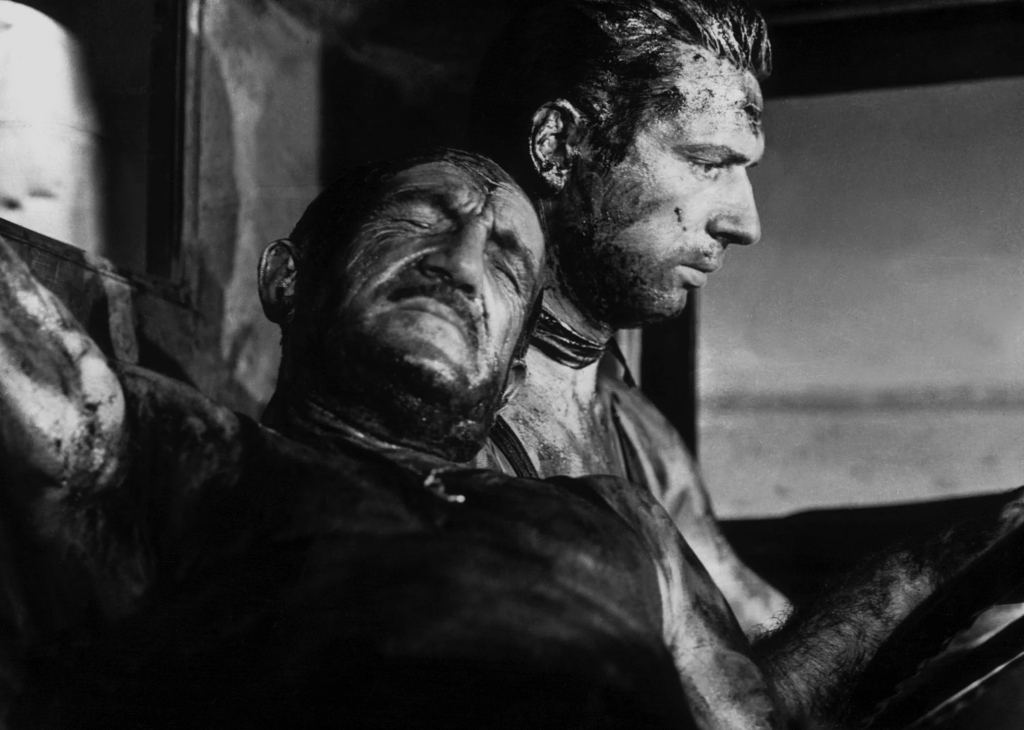
Arguably, Hitchcock’s only great contemporary rival was Henri-Georges Clouzot, a French filmmaker whose works in the suspense genre are regarded as some of the most influential and masterful of their time. Clouzot’s films are characterised by their intense psychological tension, complex characters, and a stark, often bleak view of human nature. His ability to create an atmosphere of unease and suspicion, coupled with his masterful use of editing and camera techniques, solidified his status as one of the most skilled suspense directors of his era.
Clouzot’s breakthrough film, “Le Corbeau” (1943), was a controversial work that dealt with themes of paranoia, betrayal, and the darker aspects of human nature. The film’s tense atmosphere and moral ambiguity set the stage for Clouzot’s later works in the suspense genre. His most famous film, “Les Diaboliques” (1955), is a masterclass in suspense, with its intricate plot, shocking twists, and a pervasive sense of dread that keeps the audience on the edge of their seats. Clouzot’s use of misdirection and his ability to create complex, psychologically compelling characters is evident throughout the film, cementing his reputation as a master of the genre.
Another notable work in Clouzot’s filmography is “The Wages of Fear” (1953), a tense thriller that follows a group of desperate men as they transport a dangerous shipment of nitroglycerine across treacherous terrain. Clouzot’s ability to create and maintain tension throughout the film’s runtime, as well as his exploration of the characters’ psychological states under extreme duress, showcases his skill as a suspense director. His influence can be seen in the works of countless filmmakers who followed in his footsteps, including contemporaries like Hitchcock and later directors who sought to emulate his unique style and mastery of the genre.
Examples
- Le Corbeau (1943)
- The Wages of Fear (1953)
- Diabolique (1955)
6. Claude Chabrol
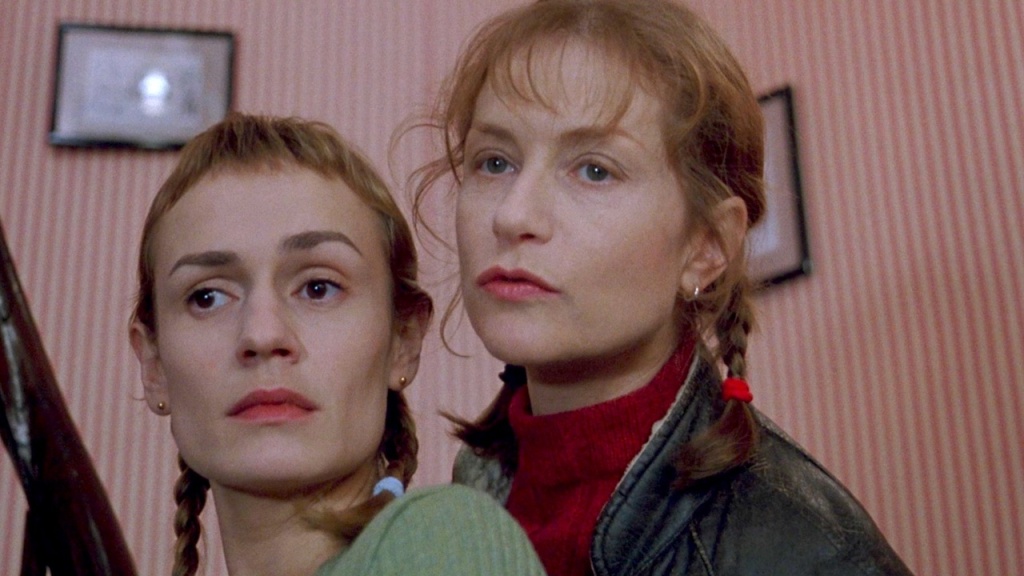
Francois Truffaut was famously indebted to Alfred Hitchcock, and most of the French New Wave was, but the only member of the cohort who wore his influence so obviously was Claude Chabrol. Chabrol, often referred to as the “French Hitchcock,” was a master of suspense whose films explored the darker aspects of human nature, usually set against the backdrop of the French bourgeoisie. His ability to create tension and unease through his use of camera techniques, editing, and psychological manipulation of the audience has solidified his status as one of the most skilled suspense directors of his generation.
Chabrol’s early films, such as “Le Beau Serge” (1958) and “Les Cousins” (1959), already showcased his keen interest in exploring the psychological depths of his characters and the moral ambiguity that often permeated their actions. However, it was with films like “Les Biches” (1968) and “La Femme Infidèle” (1969) that Chabrol truly established himself as a master of the suspense genre. In these films, he creates a sense of unease and tension through his use of voyeuristic camera angles, ambiguous character motivations, and a blurring of the lines between reality and fantasy.
Throughout his career, Chabrol continued to explore the themes of guilt, obsession, and the darker aspects of human desire, often focusing on the lives of the French upper-middle class. In films like “Le Boucher” (1970) and “Violette Nozière” (1978), he creates complex, psychologically compelling characters whose actions are driven by their inner demons and the societal pressures that surround them.
Examples
- The Unfaithful Wife (1969)
- Le Boucher (1970)
- La Ceremonie (1995)
7. Dario Argento
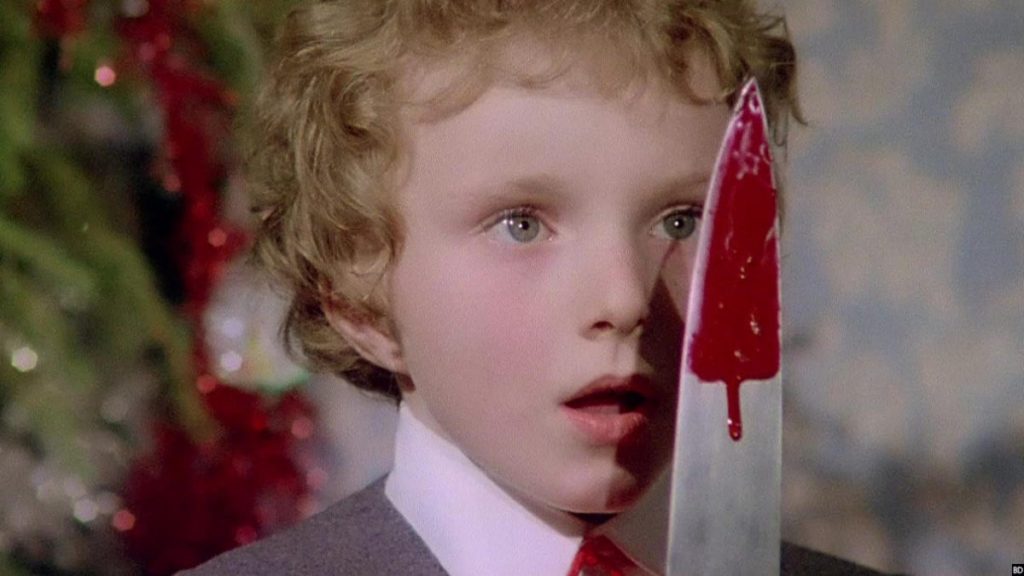
Brian De Palma has claimed to have only seen one Dario Argento film before, but you’d never guess it from watching the movie themselves. The two directors are almost like long-lost siblings. Argento, the Italian maestro of horror and suspense, has crafted a filmography that is as visually stunning as it is psychologically unnerving. His films are characterised by their lush, often surreal visuals, intricate plotting, and a pervasive sense of dread that keeps audiences on the edge of their seats. Argento’s ability to create tension and horror through his masterful use of camera techniques, lighting, and sound design has solidified his status as one of the most influential and skilled suspense directors of his time.
Argento’s early films, such as “The Bird with the Crystal Plumage” (1970) and “Deep Red” (1975), showcase his unique vision and his ability to create a sense of unease and terror through his use of striking visuals and psychological manipulation. In these films, Argento often employs a vivid colour palette, inventive camera angles, and a haunting soundtrack to create an atmosphere that is both beautiful and deeply unsettling. His most famous work, “Suspiria” (1977), is a masterclass in suspense and horror, with its nightmarish visuals, complex plot, and a pervasive sense of dread that permeates every frame.
Throughout his career, Argento has continued to push the boundaries of the suspense and horror genres, often blurring the lines between reality and fantasy and delving deep into the psychological depths of his characters. In films like “Tenebre” (1982) and “Opera” (1987), he creates complex, often meta-narratives that challenge the audience’s perceptions and keep them guessing until the very end.
Examples
- Deep Red (1975)
- Suspiria (1977)
- Tenebre (1982)
8. John Carpenter
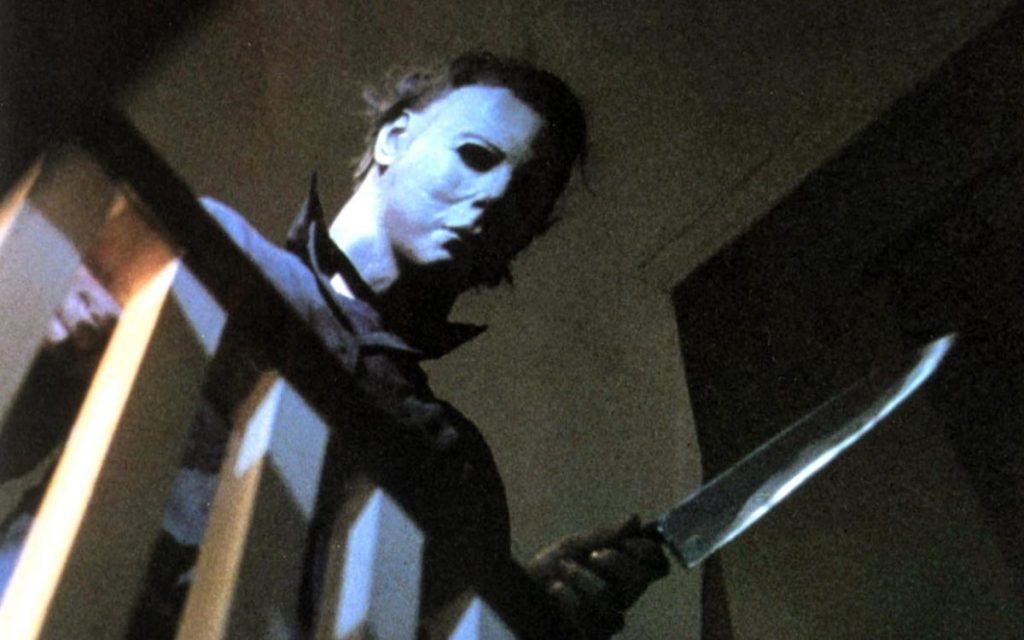
In comparison to the other directors mentioned as of yet, John Carpenter isn’t really a ‘suspense’ director. His films often come with a bit of humour and the inexplicable. However, Carpenter’s ability to create tension and unease through his masterful use of cinematography, music, and atmosphere has made some of the best sci-fi and horror films ever.
Carpenter’s early films, such as “Halloween” (1978) and “The Fog” (1980), showcase his ability to create suspense and terror through his use of minimalistic storytelling, atmospheric visuals, and haunting soundtracks. In “Halloween,” Carpenter employs a simple yet effective premise, focusing on the relentless pursuit of a masked killer, which, combined with his iconic score and strategic use of camera angles, creates a sense of dread that has become a benchmark for the slasher subgenre.
Throughout his career, Carpenter has demonstrated a versatility that extends beyond horror, crafting suspenseful films in various genres. In “Escape from New York” (1981) and “The Thing” (1982), he blends elements of science fiction and action with a pervasive sense of unease and paranoia, creating worlds where trust is a scarce commodity and danger lurks around every corner. Carpenter’s ability to create tension through his use of practical effects, claustrophobic settings, and ambiguous character motivations has made him a master of the slow-burn suspense that keeps audiences engaged and on edge.
Examples
- Halloween (1978)
- The Thing (1982)
- In the Mouth of Madness (1994)
9. Park Chan-wook
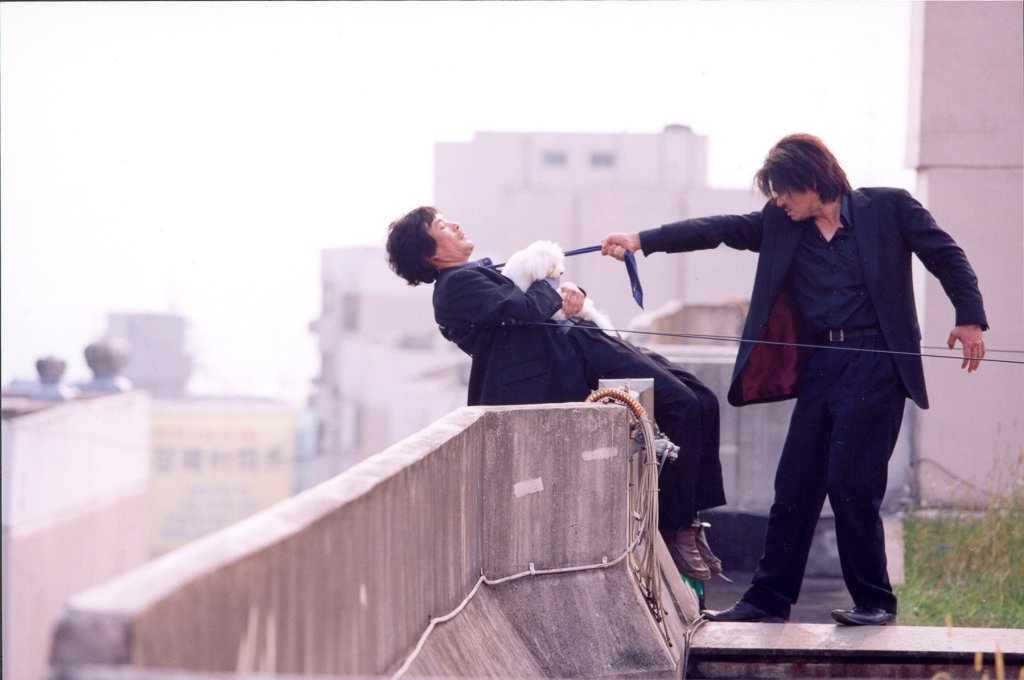
Arguably the best director living in suspense films, Park Chan-wook is a South Korean filmmaker whose works have captivated audiences worldwide with their intricate plotting, stunning visuals, and psychological depth. His films are characterised by their exploration of complex themes such as vengeance, desire, and the darker aspects of human nature, all while maintaining a masterful sense of tension and suspense. Park’s ability to create gripping, emotionally resonant narratives through his use of innovative camera techniques, striking imagery, and powerful performances has solidified his status as one of the most skilled and influential suspense directors of our time.
Park’s breakthrough film, “Oldboy” (2003), part of his “Vengeance Trilogy,” is a masterclass in suspense and psychological manipulation. The film’s intricate plot, shocking revelations, and intense performances create a sense of unease and tension that keeps audiences engrossed from beginning to end. Park’s use of unconventional camera angles, vivid colour palettes, and symbolic imagery has become a hallmark of his style, elevating his films beyond mere entertainment and into the realm of art.
Throughout his career, Park has continued to push the boundaries of the suspense genre, crafting films that are as emotionally profound as they are visually stunning. In “Lady Vengeance” (2005), he explores the depths of human forgiveness and the toll of revenge, creating a complex, morally ambiguous narrative that challenges viewers’ perceptions. In “The Handmaiden” (2016), Park adapts Sarah Waters’ novel “Fingersmith” into a mesmerising tale of love, deception, and power dynamics set against the backdrop of Japanese-occupied Korea. His use of misdirection, psychological tension, and sensual imagery creates an atmosphere that is both captivating and unsettling.
Examples
- Oldboy (2003)
- Sympathy for Lady Vengeance (2005)
- The Housemaid (2016)
10. Michael Haneke
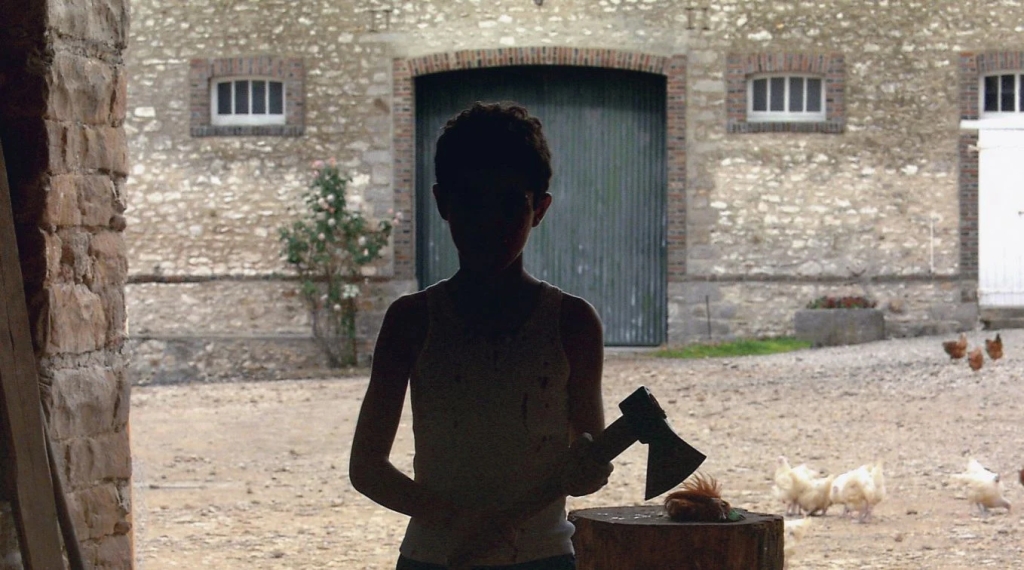
“Funny Games” might be the most unsettling film ever made. Its director, Michael Haneke, is an Austrian filmmaker renowned for his uncompromising exploration of the human condition, often delving into the darkest recesses of the psyche. Haneke’s films are characterised by their austerity, psychological intensity, and a pervasive sense of unease that lingers long after the credits have rolled. His ability to create tension and discomfort through his use of long takes, minimalistic storytelling, and a refusal to provide easy answers has solidified his status as one of the most challenging and thought-provoking suspense directors of our time.
Haneke’s films often confront the audience with difficult questions about society, violence, and the nature of evil. In “Funny Games” (1997), he subverts the conventions of the home invasion thriller, implicating the audience in the on-screen violence and forcing them to question their own voyeuristic impulses. Haneke’s use of fourth-wall breaks and his refusal to provide catharsis or resolution creates a sense of unease and discomfort that is both intellectually and emotionally challenging.
Throughout his career, Haneke has continued to explore the darker aspects of human nature, crafting films that are as philosophically profound as they are psychologically unsettling. In “Caché” (2005), he creates a slow-burn mystery that unravels the secrets and guilt of a bourgeois Parisian couple, exposing the cracks in their seemingly perfect façade. In “The White Ribbon” (2009), Haneke explores the roots of fascism and the cycle of violence in a small German village on the eve of World War I, creating a chilling atmosphere of suspicion and dread.
Examples
- Funny Games (1997/2007)
- The Piano Teacher (2001)
- Cache (2005)
11. Fritz Lang
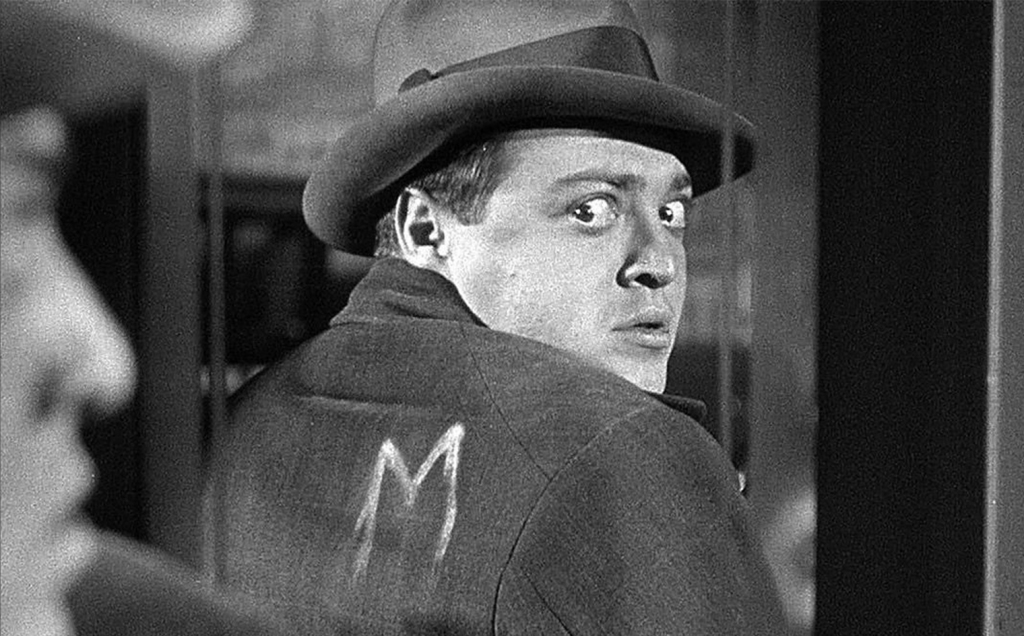
Hitchcock might be the master of suspense, but he got those skills from someone, and that someone might have been Fritz Lang. Lang, an Austrian-German filmmaker, was a pioneer of the suspense genre, crafting films that laid the groundwork for the directors who followed in his footsteps. His films are characterised by their intricate plotting, psychological depth, and masterful use of visual storytelling that creates a sense of unease and tension. Lang’s ability to manipulate the audience’s emotions through his innovative use of camera angles, lighting, and set design has solidified his status as one of the most influential and groundbreaking suspense directors in the history of cinema.
Lang’s early films, such as “M” (1931) and “The Testament of Dr. Mabuse” (1933), showcase his ability to create a sense of dread and moral ambiguity through his use of chiaroscuro lighting, expressionistic set design, and complex characters. In “M,” Lang explores the psyche of a child murderer, creating a disturbing yet empathetic portrait that challenges the audience’s perceptions of good and evil. His use of sound, particularly the haunting whistling motif associated with the killer, adds another layer of tension and unease to the film.
Throughout his career, Lang continued to push the boundaries of the suspense genre, crafting films that explored the darker aspects of human nature and the consequences of unchecked power. In films like “Fury” (1936) and “The Big Heat” (1953), he delves into the corruption and violence that lurk beneath the surface of society, creating narratives that are as gripping as they are socially relevant. Lang’s influence on the suspense genre cannot be overstated, with his techniques and themes being echoed in the works of countless filmmakers who followed.
Examples
- M (1931)
- Fury (1936)
- The Big Heat (1953)
12. Henri Verneuil
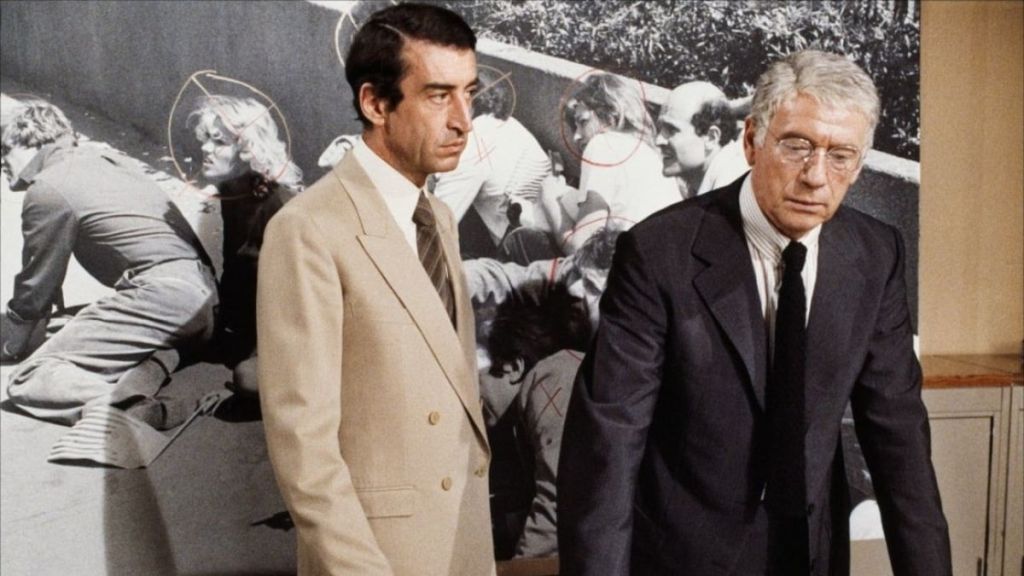
In comparison to the other directors we’ve mentioned, Henri Verneuil might seem like a left-field choice. However, this French filmmaker of Armenian descent has made significant contributions to the suspense genre, crafting films that showcase his ability to create tension and intrigue through his masterful storytelling and strong directorial vision. Verneuil’s films often blend elements of suspense, drama, and action, creating narratives that are both engaging and thought-provoking.
One of Verneuil’s most notable suspense films is “The Burglars” (1971), starring Jean-Paul Belmondo and Omar Sharif. In this crime thriller, Verneuil creates a tense and atmospheric narrative that keeps the audience guessing until the very end. His use of pacing, camera work, and strong performances from the lead actors contribute to the film’s overall sense of unease and anticipation.
Throughout his career, Verneuil demonstrated a versatility that extended beyond the suspense genre, directing films in various styles and tackling a range of subjects. However, his ability to create engaging and suspenseful narratives remained a constant in his work. In films like “The Serpent” (1973) and “I as in Icarus” (1979), Verneuil explores themes of corruption, conspiracy, and the abuse of power, creating complex and morally ambiguous characters that keep the audience engaged and invested in the story.
Examples
- The Sicilian Clan (1969)
- The Burglars (1971)
- Fear Over the City (1975)
13. Christopher Nolan
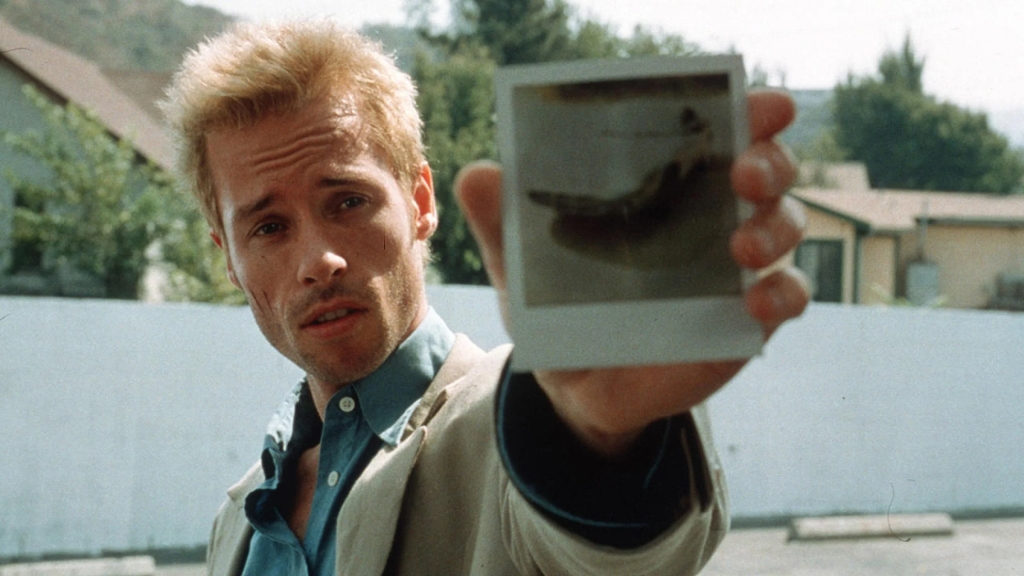
The new Academy Award for Best Director winner, Christopher Nolan, is one of the few directors on this list who manages to merge critical consensus and audience appeasement. Nolan’s films are known for their intricate plotting, mind-bending concepts, and masterful use of suspense, which keep audiences engaged and intellectually stimulated. His ability to create complex, multi-layered narratives that challenge viewers’ perceptions of time, space, and reality has solidified his status as one of the most innovative and influential suspense directors of our time.
Nolan’s breakthrough film, “Memento” (2000), showcased his ability to craft a non-linear narrative that keeps the audience guessing and emotionally invested. His use of reverse chronology and unreliable narration creates a sense of unease and tension that builds throughout the film, culminating in a shocking and thought-provoking conclusion.
Throughout his career, Nolan has demonstrated a mastery of visual storytelling, using cutting-edge technology and innovative cinematography to create immersive and suspenseful experiences for his audiences. In films like “Inception” (2010) and “Interstellar” (2014), he combines high-concept science fiction with gripping suspense, creating narratives that are both intellectually stimulating and emotionally resonant.
Examples
- Memento (2000)
- The Prestige (2006)
- Inception (2010)
Suspense Films
In the end, suspense is a genre that continues to evolve and captivate audiences, thanks to the tireless efforts of filmmakers who dare to push the envelope and explore the darkest corners of the human psyche. From the shadowy streets of Fritz Lang’s Berlin to the mind-bending dreamscapes of Christopher Nolan’s “Inception,” these 13 directors have taken us on unforgettable journeys filled with tension, mystery, and revelation. Their films serve as a reminder that sometimes the most thrilling experiences can be found not in the comforting glow of the every day but in the heart-stopping moments when everything hangs in balance. So the next time you find yourself gripping the armrest of your seat, palms sweating, and heart racing, take a moment to appreciate the masterful craft of the suspense director – and then hold on tight because the ride is just beginning.
 Bronze Screen Dream