
It’s quite rare for a great director to be wholly appreciated in their time. Think about Stanley Kubrick, who never won an Academy Award. Think about Alfred Hitchcock. Martin Scorsese was much like these directors, generally considered a master of the form but never getting universal critical reception, until recently at least.
It wasn’t Raging Bull, for which he won an Academy Award; it was The Departed. For the first thirty or so years of his career, Scorsese was just another of the hard-working, film-mad movie brats whose films, from Taxi Driver to The King of Comedy, never really got the sort of universal acclaim we’d expect on impact.
But why is this? On face value, his films are very easy to appreciate; they’re not arthouse, slow or deal in tepid subject matter. They usually focus on the brash potholes of American culture. It’s peculiar how Scorsese has blossomed into the almost universally accepted greatest filmmaker alive.
Perhaps his willingness to dive into excess and the darker side of America makes his films harder to appreciate at the moment. Yet, when left to simmer, these same offputting points mature like a fine Bordeaux.
Context of a Film’s Release
Another argument to consider is the context of these films’ release. Think about Bringing Out The Dead, and you’ll realise it was an oddball black comedy released after a religious epic and before a pre-1900s gangster epic. It’s not too much of a stretch to figure out why audiences were perplexed by the film and why it has since then largely sat on the sidelines despite being one of Scorsese’s greatest films.
Audiences who are swayed by the context of a release tend not to return to the film, so as time goes by and people forget they ever saw the original movie, the only people still talking about it are those who appreciated it. Eventually, that becomes the critical consensus.

Why Does This Happen?
Is Scorsese special about this? Is he the only director to ascend to these levels after years of mixed reception? No. Of course not. Hitchcock, Kubrick, Ophuls, Powell, Kalatazov, Greenaway, etc, all received greater acclaim towards the ends of their career than they ever got at the height of it.
Is there a shared feature of these directors that means they’re destined for a complicated career? It doesn’t seem so. Instead, their journeys often reflect a blend of evolving artistic vision, changing audience and critical perceptions, and the shifting landscapes of the film industry. This combination of factors contributes to the changing appreciation of their works over time.
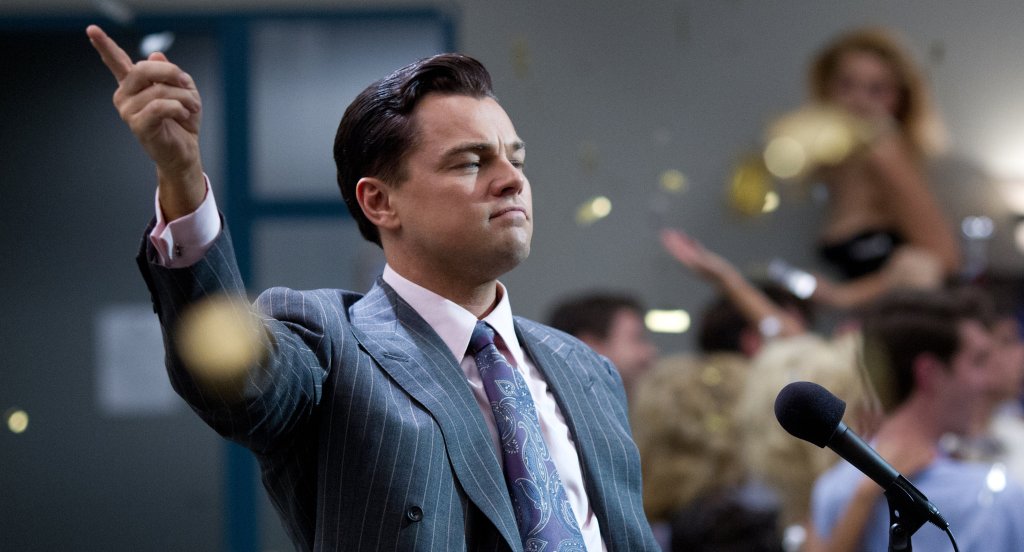
There are plenty of other points to be made on this subject. The state of contemporary cinema at the time of release, industry reception to Scorsese, personal experiences and cultural shifts in how audiences watched films, for example, The Wolf of Wall Street, has certainly received more acclaim from younger audiences.
Does Martin Scorsese Still Recieve Mixed Reviews?
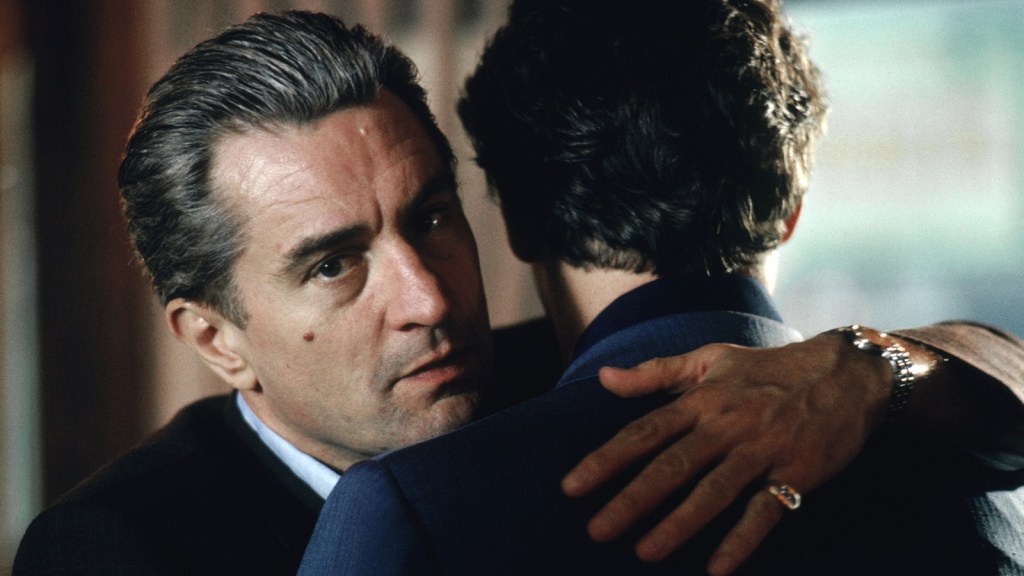
In many ways, the fluctuating receptions Scorsese once received are now a thing of the past. You’ll still have hordes of people offering their contempt towards his films, but these are largely due to films outside of celluloid, like his comments on Marvel riling up that fanbase or his CGI use in The Irishman, which became an easy thing to mock in today’s Tik Tok landscape. However, nowadays, the director generally gets universal acclaim, and he is able to make huge budgeted movies with little hope of ever making back the money just because studios want to capitalise and steal prestige from financing a Scorsese flick, quite the change from the days when the indifference Marty once faced.
 Bronze Screen Dream