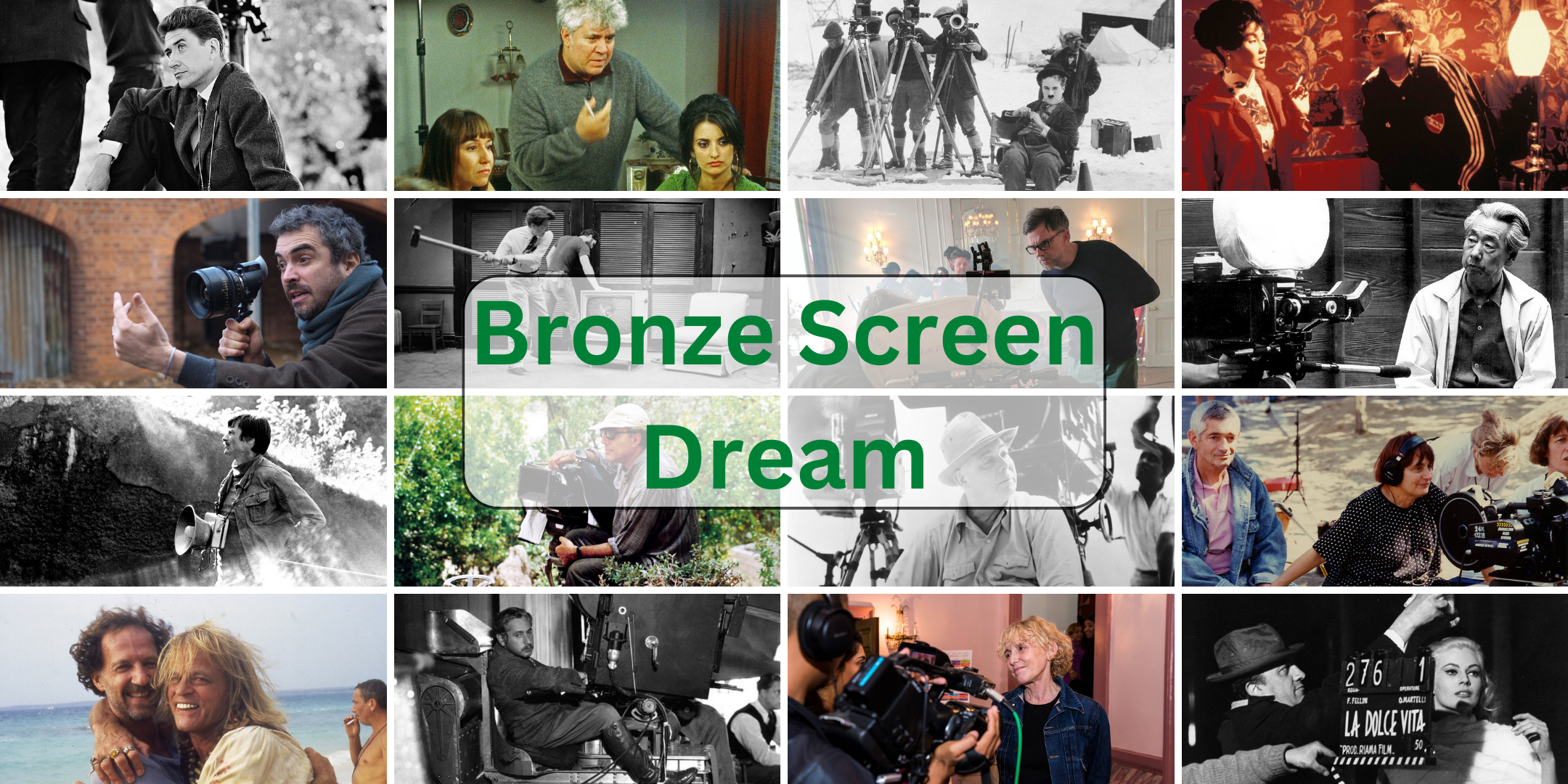

Yasujiro Ozu, a Japanese film director, is celebrated for his intimate and contemplative portrayals of family life in post-war Japan. His work, including iconic films like Tokyo Story and Late Spring, is characterised by its understated narrative style, meticulous composition, and profound emotional depth. Ozu’s films often explore the tensions between tradition and modernity.
Ozu’s journey into filmmaking began in the silent film era of the 1920s, where he worked as an assistant director before making his directorial debut. His early films, such as I Was Born, But… and The Only Son, demonstrated his ability to depict the subtleties of human relationships and established him as a director with a unique and sensitive vision.
Ozu’s films are known for their recurring themes and motifs. He often explored the complexities of family relationships, as seen in Tokyo Story, which delves into the generational divide between parents and their adult children. His films also frequently grapple with the changing social landscape of post-war Japan, a theme particularly evident in Late Spring, which reflects on the evolving role of women in society.
The Intimate Scale of Ozu’s Storytelling
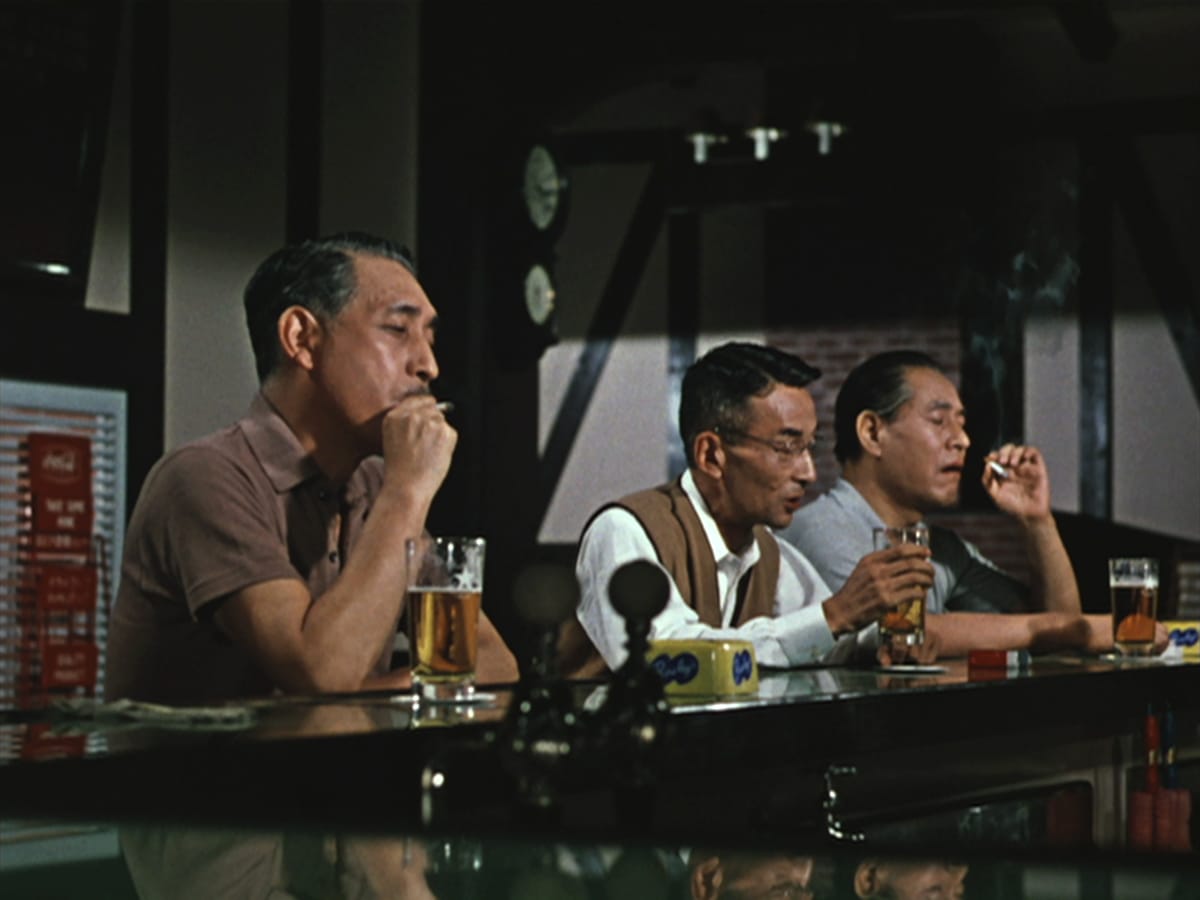
Ozu was known for his distinctive camera use. His films often feature a low camera angle, known as the “tatami shot“, which mimics the perspective of someone sitting on a traditional Japanese tatami mat. This, along with his static camera and long takes, creates a sense of calm and contemplation. This is particularly evident in Equinox Flower, where Ozu’s visual style complements the film’s introspective tone.
Ozu’s approach to filmmaking was characterised by a focus on the ordinary and everyday. He was known for his minimalist storytelling, often favouring a slow pace and focusing on small, domestic details. This is evident in An Autumn Afternoon, where Ozu’s quiet observation of everyday life results in a film of profound emotional resonance.
Yasujiro Ozu’s influence on cinema is vast and enduring. Directors such as Wim Wenders in Germany and Abbas Kiarostami in Iran have cited Ozu as a major influence on their work.

Yasujiro Ozu (1903 – 1963)
Calculated Films:
- That Night’s Wife (1930)
- Walk Cheerfully (1930)
- Tokyo Chorus (1931)
- I Was Born, But… (1932)
- Where Now Are The Dreams of Youth (1932)
- Woman of Tokyo (1933)
- A Story of Floating Weeds (1934)
- An Inn in Tokyo (1935)
- The Only Son (1936)
- There Was A Father (1942)
- Record of a Tenement Gentleman (1947)
- Late Spring (1949)
- Early Summer (1951)
- The Flavour of Green Tea Over Rice (1952)
- Tokyo Story (1953)
- Early Spring (1956)
- Tokyo Twilight (1957)
- Equinox Flower (1958)
- Floating Weeds (1959)
- Good Morning (1959)
- Late Autumn (1960)
- The End of Summer (1961)
- An Autumn Afternoon(1962)
Similar Filmmakers


Yasujiro Ozu’s Top 10 Films Ranked
1. Tokyo Story (1953)
Genre: Drama, Family Drama
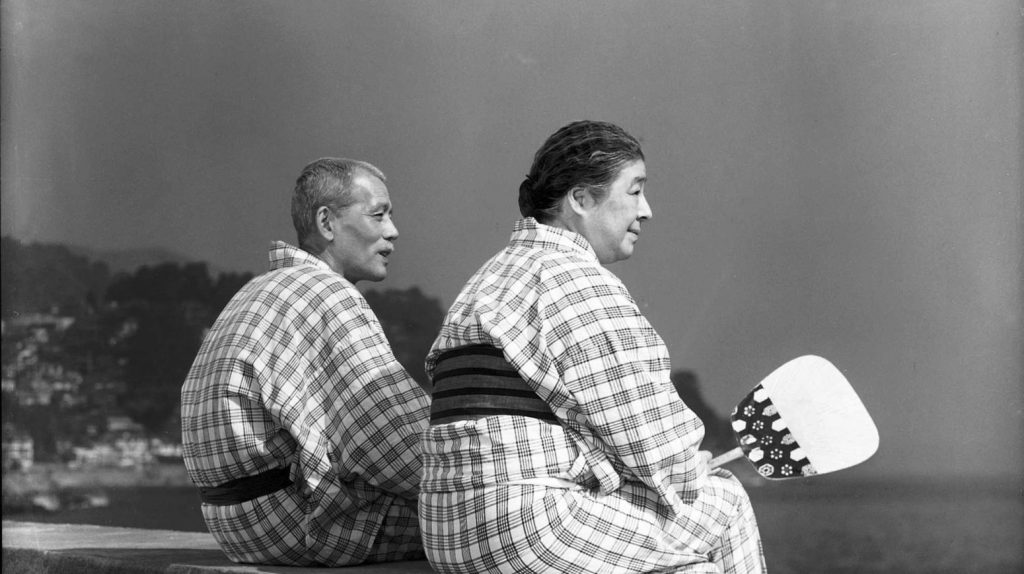
2. Late Spring (1949)
Genre: Drama, Family Drama
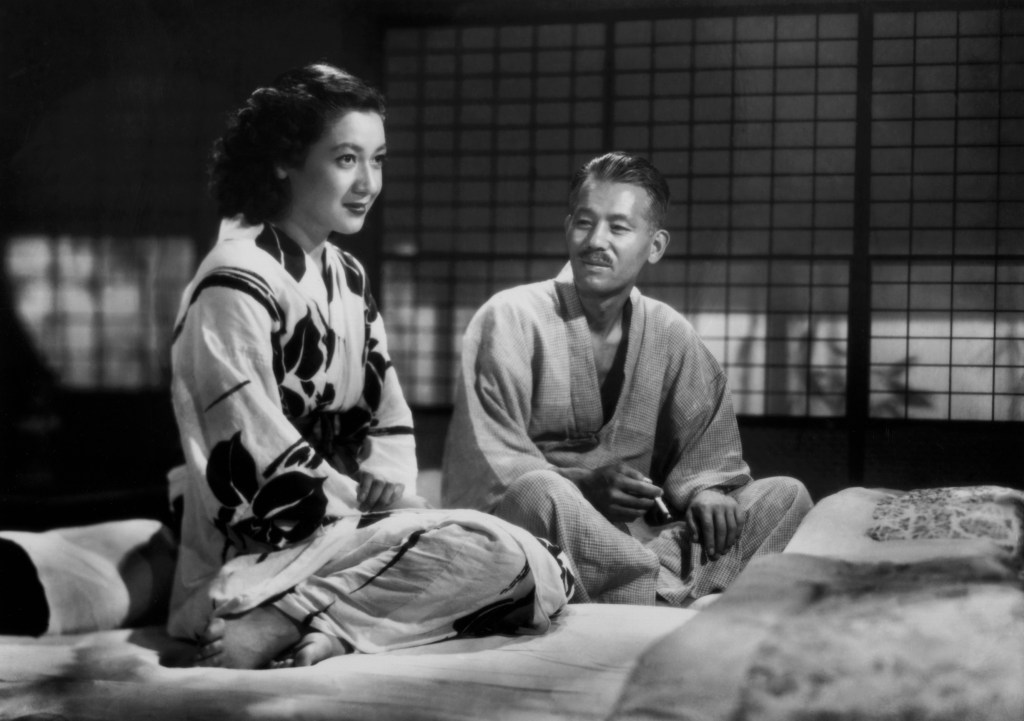
3. An Autumn Afternoon (1962)
Genre: Drama, Family Drama
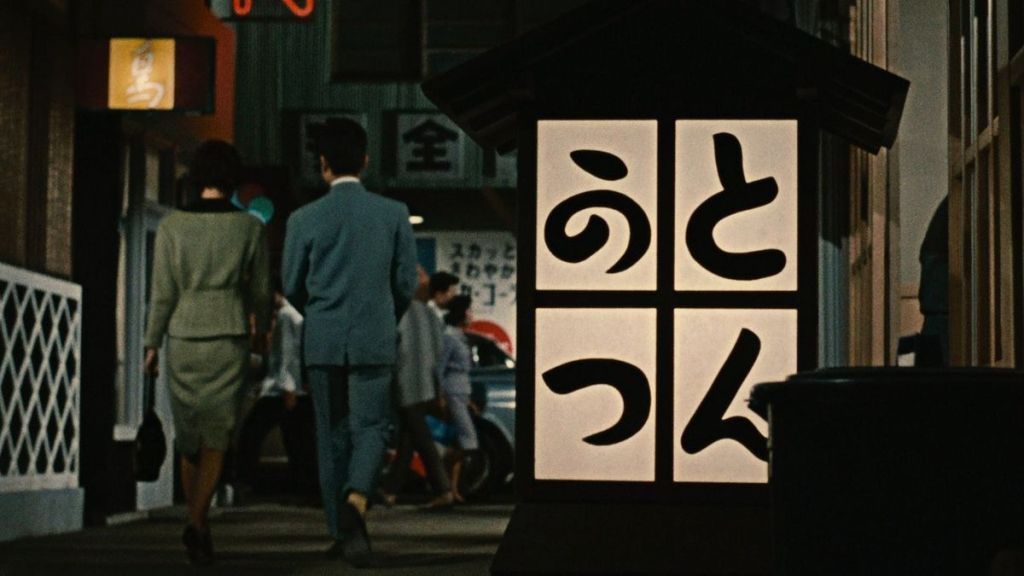
4. Early Summer (1951)
Genre: Drama, Family Drama

5. Floating Weeds (1959)
Genre: Drama

6. Late Autumn (1960)
Genre: Drama
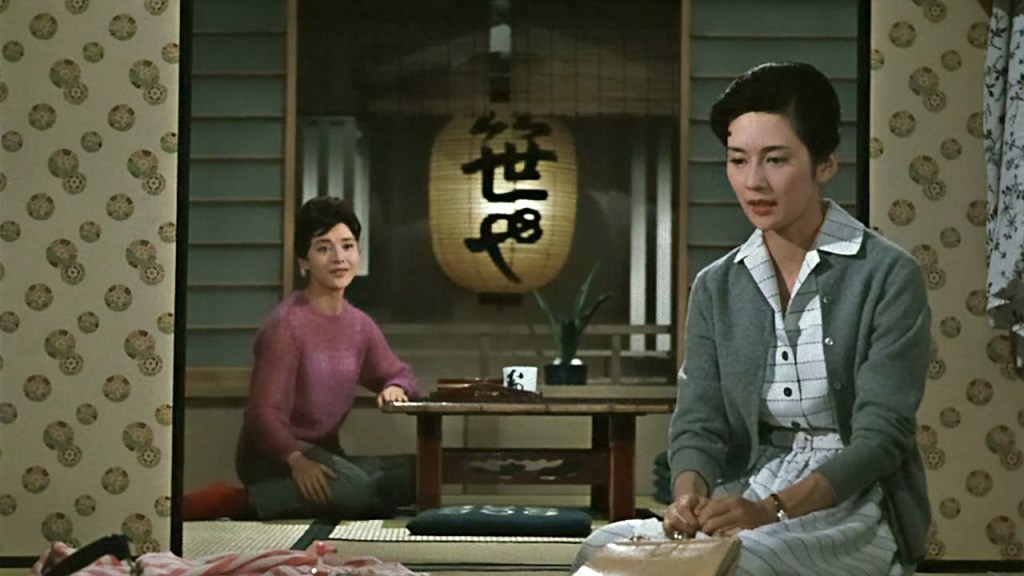
7. Tokyo Twilight (1957)
Genre: Drama, Family Drama

8. Good Morning (1959)
Genre: Comedy, Slice of Life, Drama

9. The End of Summer (1961)
Genre: Drama, Family Drama
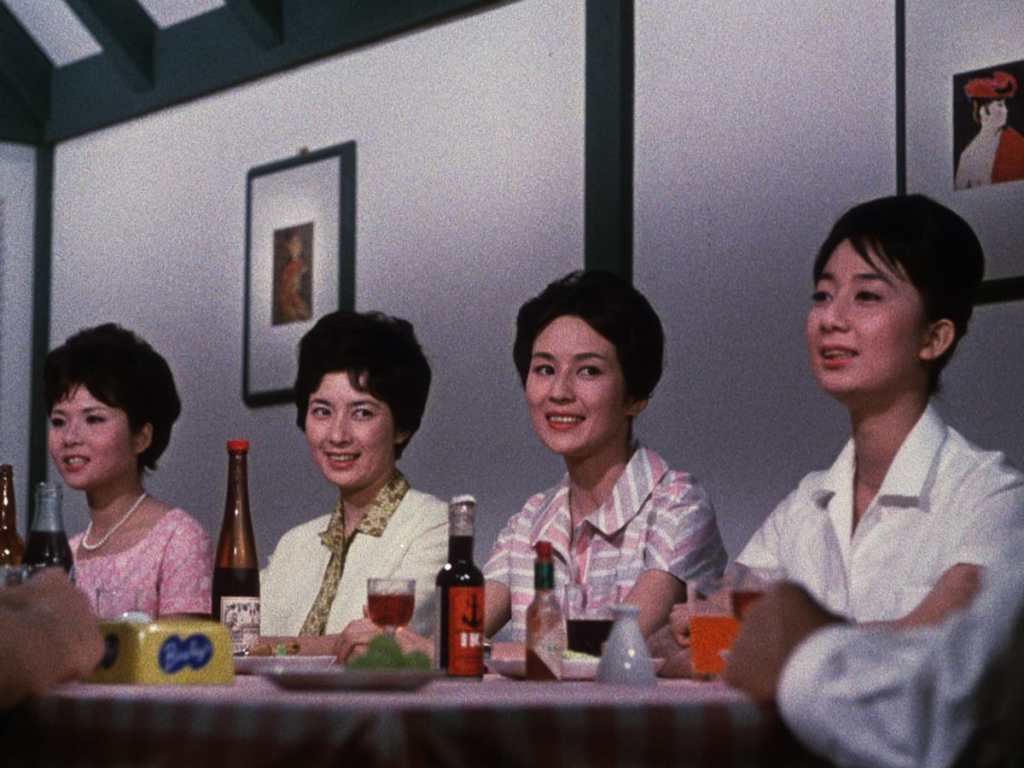
10. I Was Born, But… (1932)
Genre: Comedy, Drama, Slice of Life

Yasujiro Ozu: Themes and Style
Themes:
- Family Dynamics and Generational Conflict: Ozu frequently explored the tension between traditional Japanese values and modern Western influences, often through the lens of family relationships, as seen in Tokyo Story, where the generational gap and evolving societal norms are central to the narrative.
- The Transience of Life: Many of Ozu’s films, including Late Spring, are imbued with a sense of mono no aware, a Japanese term that reflects the bittersweet awareness of the impermanence of things, highlighting the fleeting beauty of everyday life and its moments.
- Post-War Realism: In films like Tokyo Twilight, Ozu presents a post-WWII Japan grappling with loss, change, and the struggle to maintain identity amidst rapid modernisation, often portrayed through characters’ subtle interactions rather than grandiose events.
- The Role of Women: Ozu’s work often examines the societal expectations placed upon women, as in Late Autumn, focusing on themes of marriage, independence, and the pressure to conform to traditional roles within the changing landscape of Japanese society.
Styles:
- Tatami Shot: Ozu’s camera placement is often close to the ground, at the eye level of a person kneeling on a tatami mat, creating a unique perspective that brings viewers into the intimate space of the characters’ world.
- Elliptical Editing: Rather than showing every event, Ozu’s films like An Autumn Afternoon often employ an elliptical style where key events are omitted, allowing the audience to fill in the blanks and thus engage more deeply with the character’s emotional journeys.
- Static Camera: His camera rarely moves; instead, it observes quietly, allowing scenes to unfold within the frame, often compared to the unmoving gaze of a painting, as seen in the composed shots of Floating Weeds.
- Pillow Shots: These are Ozu’s signature cutaway shots of mundane, everyday objects or settings, which serve as visual pauses that allow for reflection, adding to the rhythmic quality and contemplative pace of his films.
Directorial Signature:
- Minimalist Narrative Approach: Ozu’s storytelling is characterised by simplicity and minimalism, stripping away complex plot devices to focus on the subtleties of human behaviour and relationships, as evident in the serene narrative arc of Early Summer.
- Non-Dramatic Confrontation: He often avoids melodrama; conflicts are typically internal or understated, as in The End of Summer, where the dramatic tension is conveyed through dialogue and composition rather than action.
- Recurring Cast and Crew: Ozu frequently collaborated with the same actors, such as Chishu Ryu, and crew members like cinematographer Yuharu Atsuta and screenwriter Kogo Noda, creating a consistent aesthetic and thematic continuity throughout his body of work.
- Restrained Performance Style: Actors in Ozu’s films often deliver restrained, subtle performances, emphasising the internal rather than the external, which aligns with his understated thematic approach and reflects the nuances of real-life interactions.
Yasujiro Ozu: The 9th Greatest Director
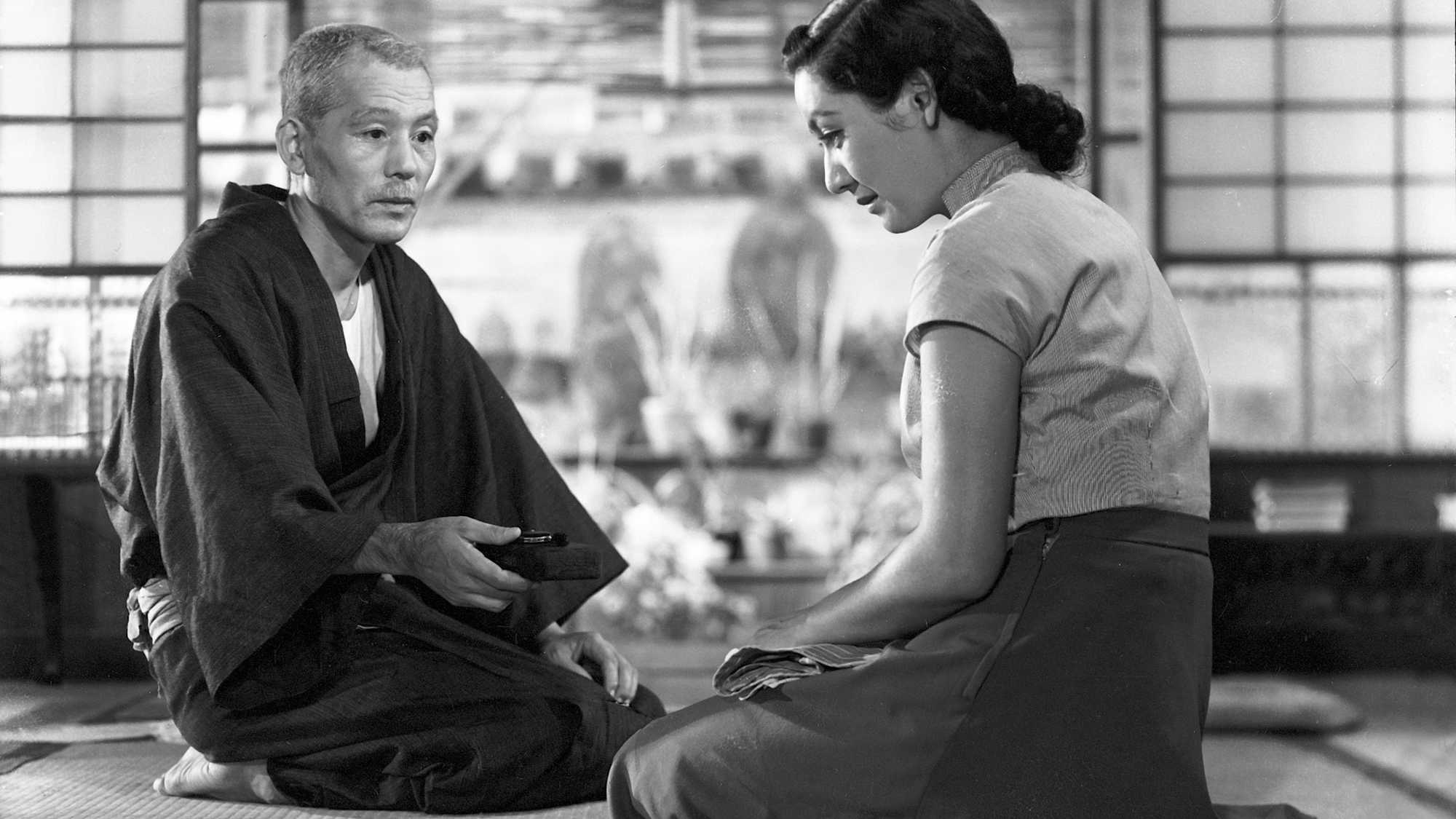
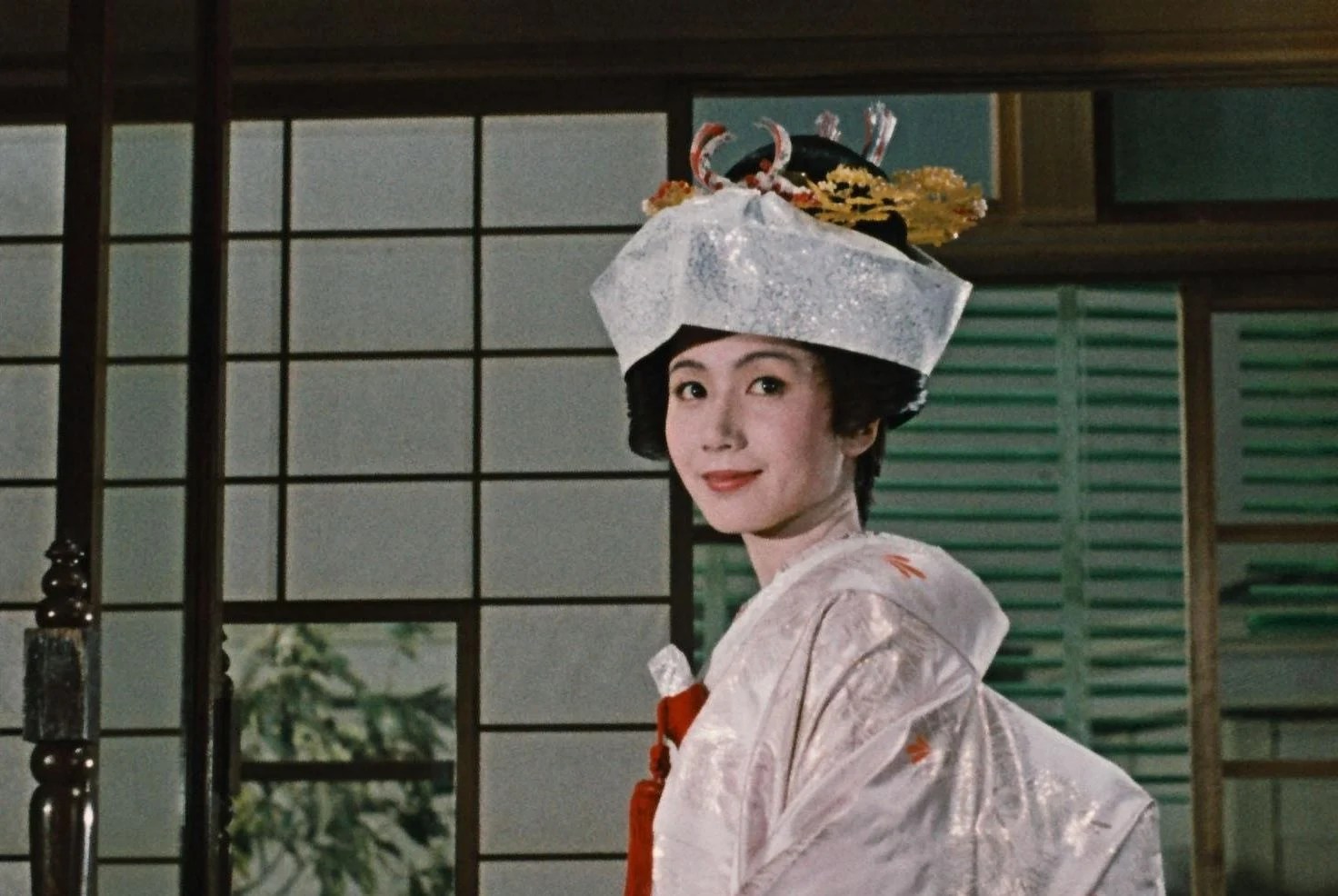

 Bronze Screen Dream