

Werner Herzog is a German filmmaker and auteur best known for his daring and unconventional approach to cinema. Herzog is known for his exploration of extreme human conditions; he often examines individuals pushed to their limits by obsessions, societal circumstances, or the might of nature. A seminal figure of the New German Cinema, Herzog has delved into a wide range of narratives, from the dreamlike Aguirre, the Wrath of God, to the profound exploration of man’s relationship with nature in Grizzly Man.
Born in Munich, Herzog’s fascination with cinema began in his teenage years. With little formal training, his unconventional filmmaking journey was marked by disregarding industry norms and emphasising intuition and improvisation. This approach reflected his belief that rules should not hinder filmmaking, for example, when he stole a camera from a film school. Herzog’s directorial career is notable for his diverse filmography spanning decades, consisting of narrative features and documentaries.
Herzog’s films often grapple with profound philosophical questions about the nature of human existence, the universe, and the limits of knowledge and reality. He brings a distinctive blend of fiction and documentary, where dramatic recreations, stylised narration, and subjective perspectives blur the boundaries of reality. His narratives often carry a dreamlike quality with non-linear narratives and hallucinatory imagery, creating what he terms as “ecstatic truth,” a deeper truth found in the blending of fact and fiction.
Werner Herzog’s Philosophical Quest for Ecstatic Truth
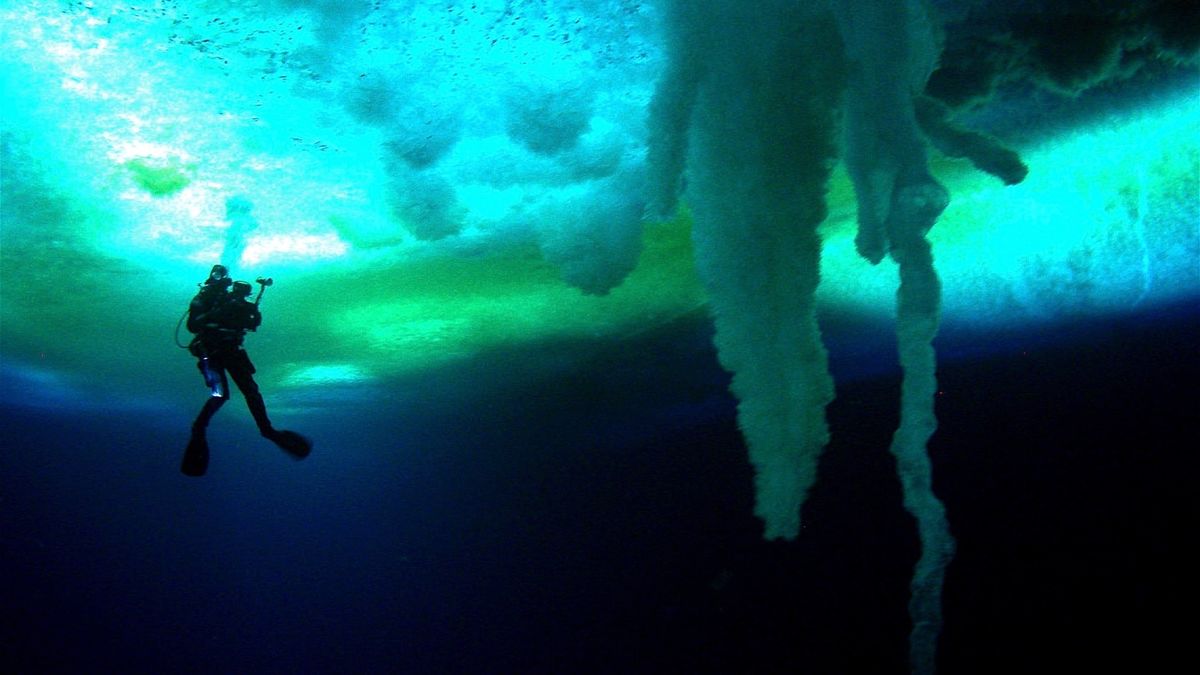
Visual authenticity is another key aspect of Herzog’s filmmaking style. His preference for shooting on location in difficult and hazardous environments, ranging from deserts and jungles to Antarctic landscapes, brings a visceral intensity and sense of realism to his films. These landscapes often serve as silent characters in his stories, embodying the eternal struggle between humans and the unforgiving forces of nature.
One of Herzog’s most defining collaborations was with the volatile but brilliant actor Klaus Kinski. Despite their tumultuous relationship, the duo created five remarkable films together, including Aguirre, the Wrath of God and Fitzcarraldo. Their collaboration mirrored the intense narratives of their films, often reflecting reality as chaotic and fervent as the stories they were filming.
Herzog’s considerable influence on cinema extends beyond his native Germany, inspiring filmmakers worldwide. His blending of narrative and documentary styles, philosophical musings, and exploration of extreme human conditions have shaped the work of directors such as Harmony Korine and Errol Morris. With his unique filmmaking approach and relentless pursuit of “ecstatic truth,” Werner Herzog’s legacy in cinema remains impactful and undeniable.
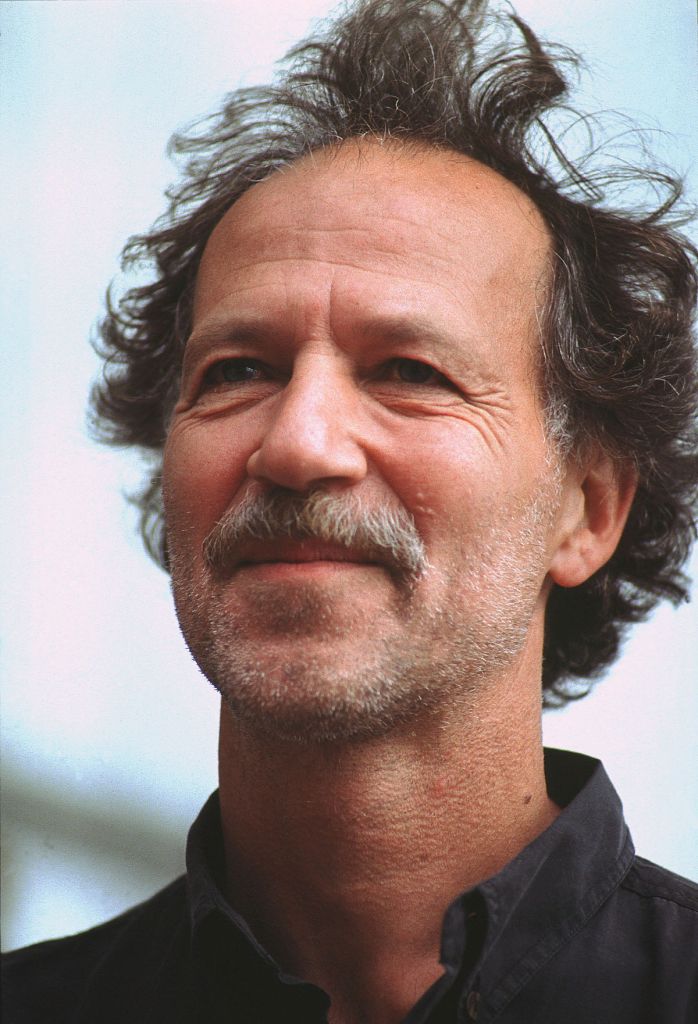
Werner Herzog (1942 – -)
Calculated Films:
- Land of Silence and Darkness (1971)
- Aguirre, The Wrath of God (1972)
- The Enigma of Kaspar Hauser (1974)
- La Soufriere (1977)
- Stroszek (1977)
- Nosferatu the Vampire (1979)
- Fitzcarraldo (1982)
- Lessons of Darkness (1992)
- Little Dieter Needs To Fly (1997)
- My Best Fiend (1999)
- The White Diamond (2004)
- Grizzly Man (2005)
- Encounters at the End of the World (2007)
- Fireball: Visitors From Darker Worlds (2020)
Similar Filmmakers
- Agnes Varda
- Alejandro Jodorowsky
- Alexander Kluge
- Andrei Tarkovsky
- Errol Morris
- F. W. Murnau
- Robert Flaherty
- Rolf de Heer
- Terrence Malick
- Volker Schlondorff
- Werner Schroeter
- Wim Wenders

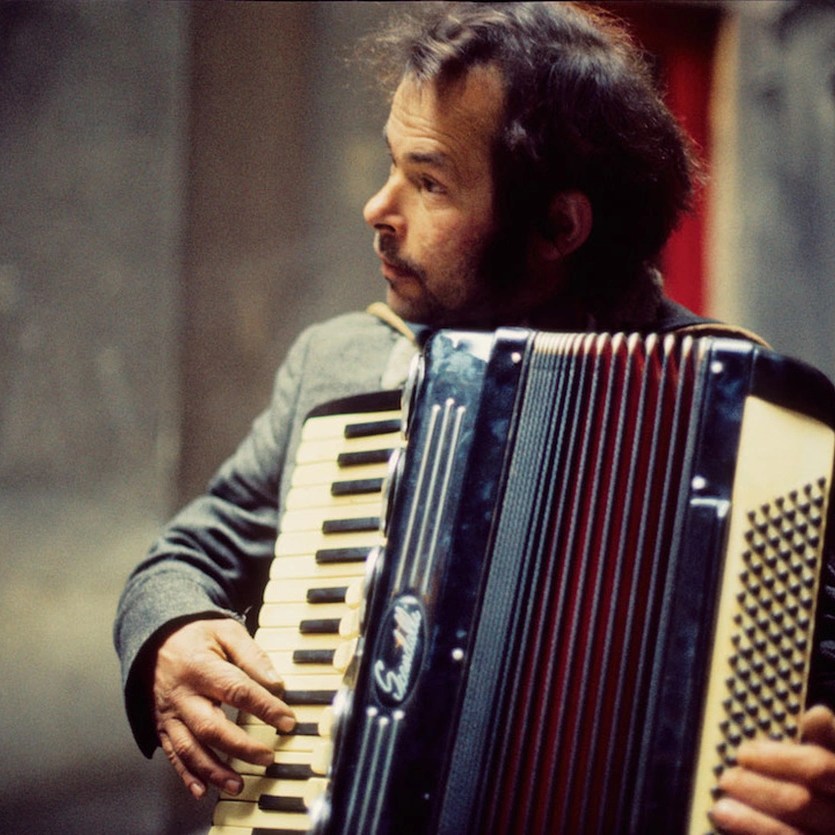
Werner Herzog’s Top 10 Films Ranked
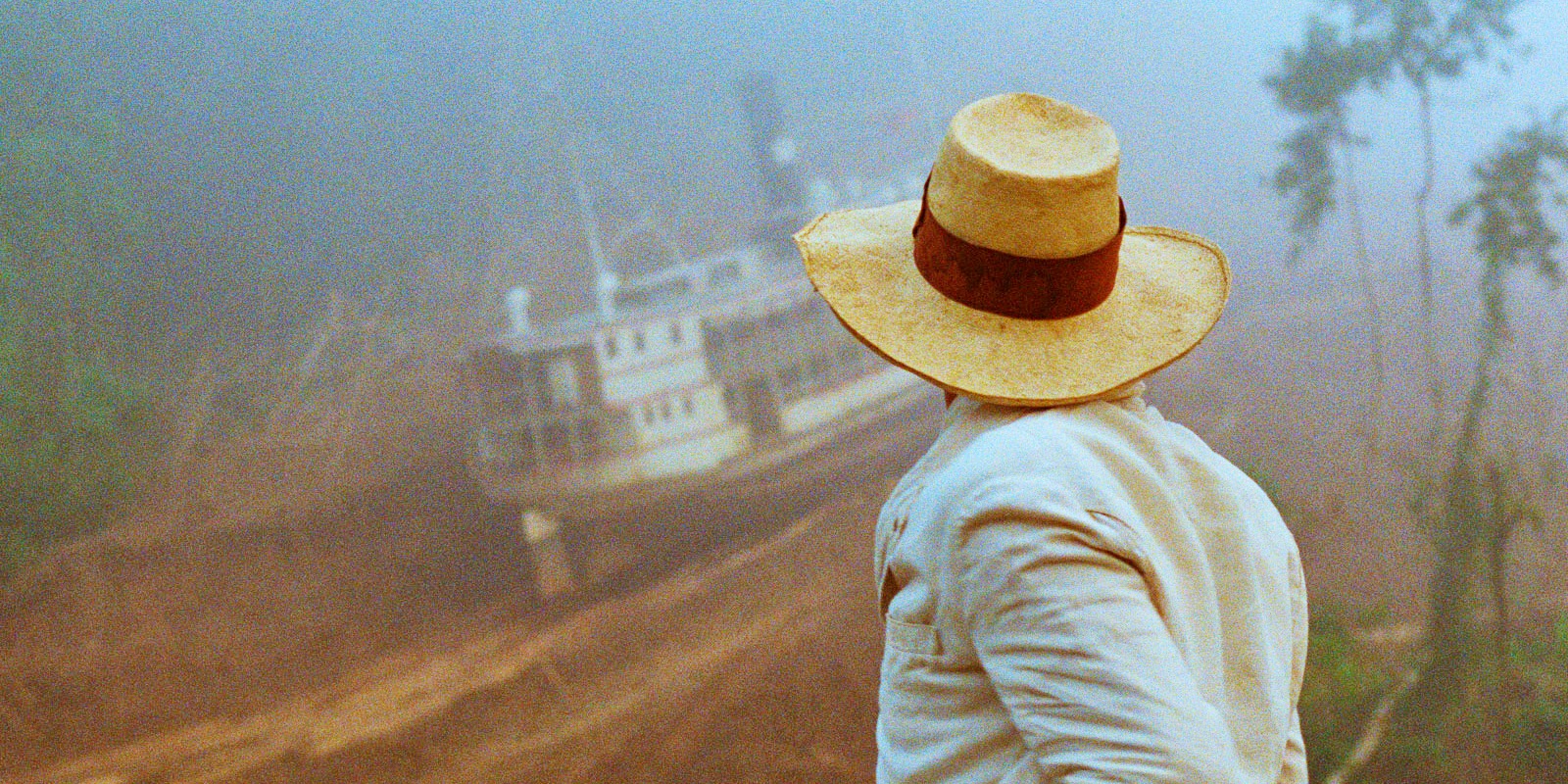
1. Fitzcarraldo (1982)
Genre: Adventure, Period Drama

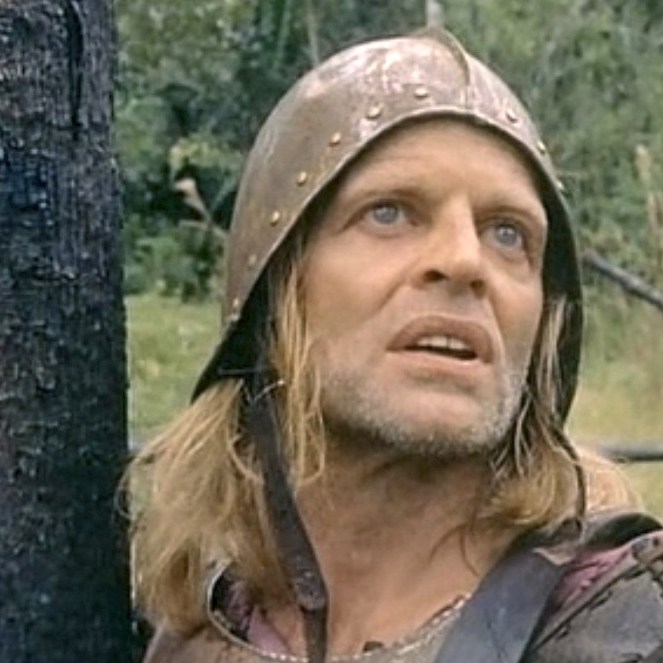
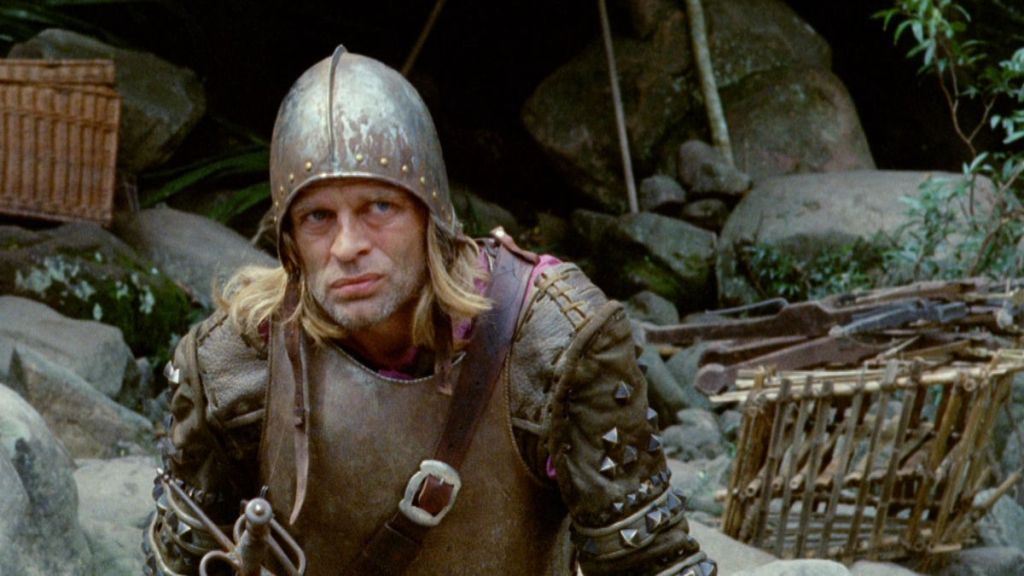
2. Aguirre, the Wrath of God (1972)
Genre: Adventure, Period Drama
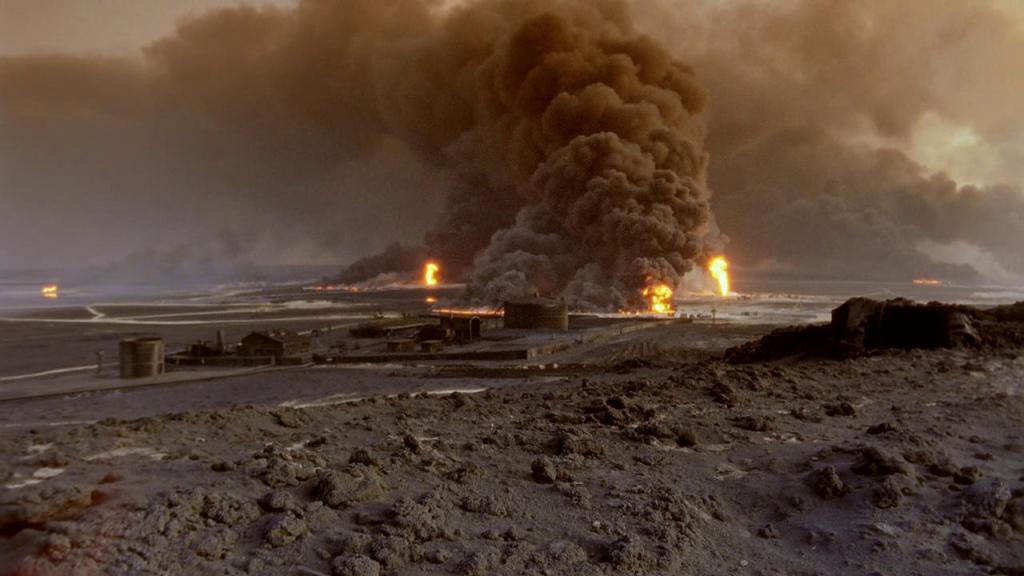
3. Lessons of Darkness (1992)
Genre: Essay Film, War Documentary, Enviromental Documentary
4. Stroszek (1977)
Genre: Drama, Satire

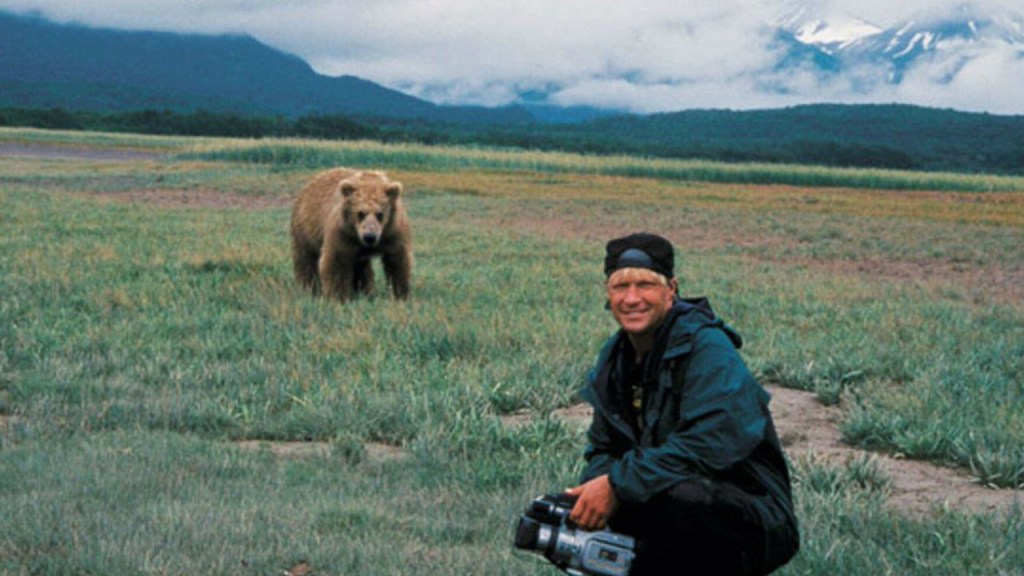
5. Grizzly Man (2005)
Genre: Nature Documentary, Biographical Documentary, Diary Film
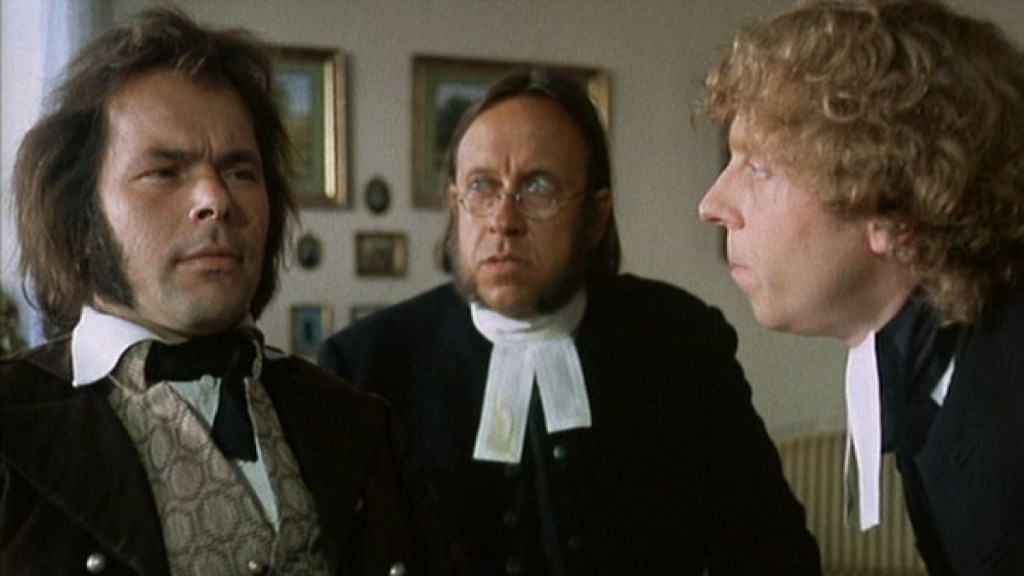
6. The Enigma of Kaspar Hauser (1974)
Genre: Biographical, Period Drama, Psychological Drama
7. Land of Silence and Darkness (1971)
Genre: Documentary

8. La Soufriere (1977)
Genre: Documentary
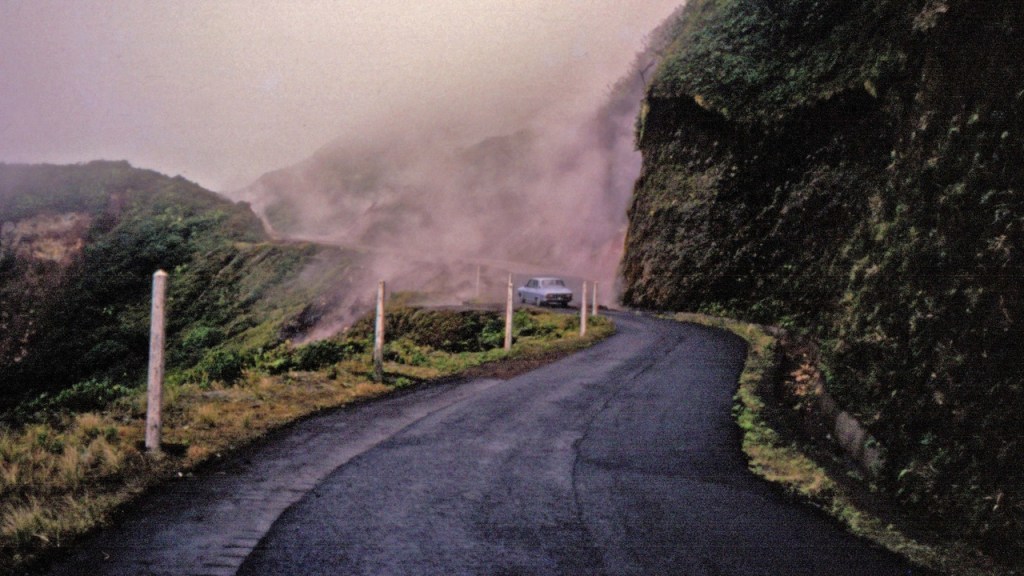
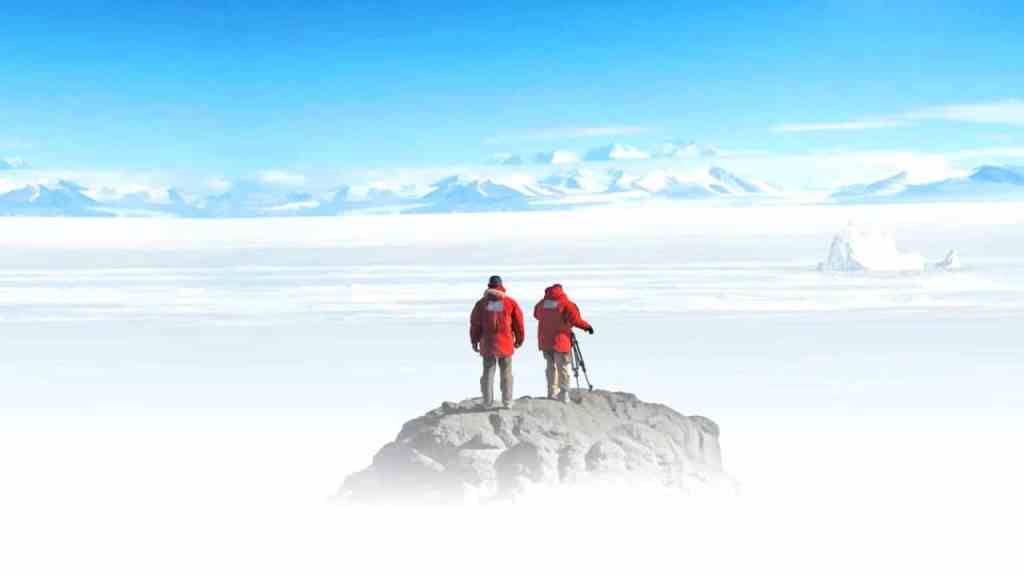
9. Encounters at the End of the World (2007)
Genre: Nature Documentary, Travel Documentary
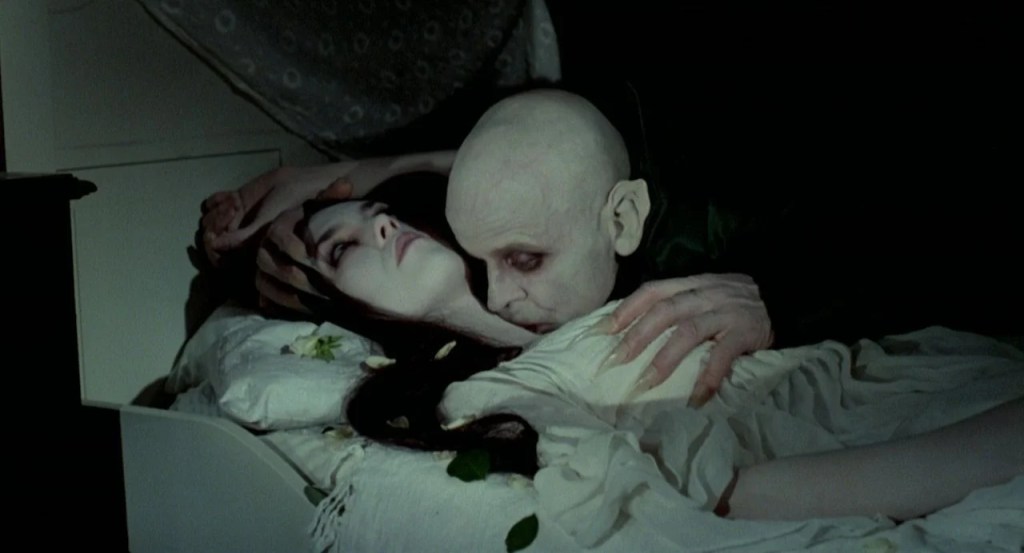
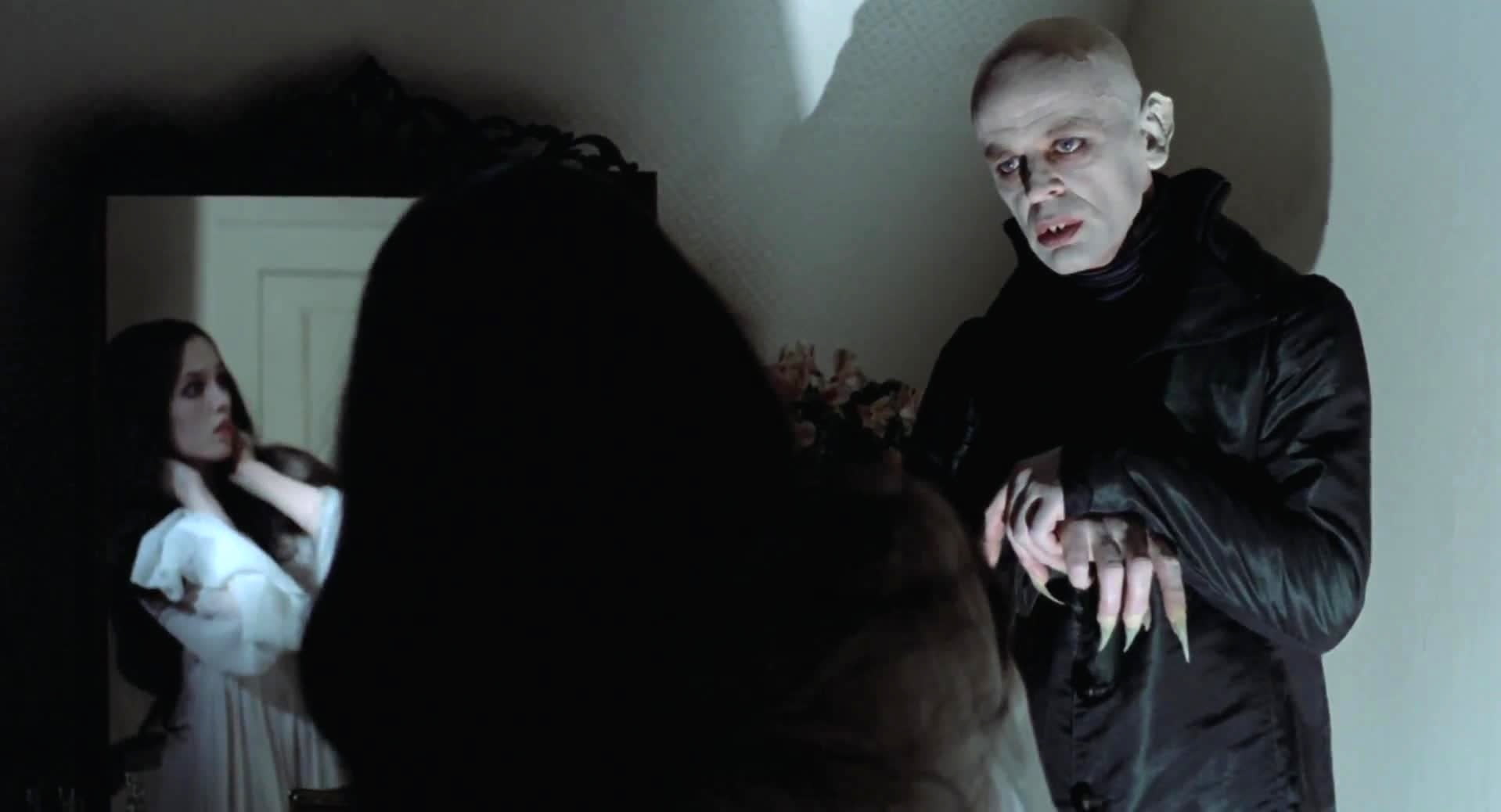
10. Nosferatu the Vampyre (1979)
Genre: Vampire, Gothic Horror
Werner Herzog: Themes and Style
Themes:
- Human Nature and Obsession: Herzog often explores the depths of human nature and its obsessions, as seen in Fitzcarraldo, where the protagonist is consumed by his dream to build an opera house in the jungle.
- Man vs. Wild: The conflict between man and nature is a recurrent theme. In Grizzly Man, the story of Timothy Treadwell showcases the tragic consequences of underestimating the power of the wild.
- Isolation and Alienation: Films like Aguirre, the Wrath of God delve into the isolation of the human spirit, emphasising the alienation of individuals from their surroundings and each other.
- Existential Quests: Characters in Herzog’s films often embark on existential journeys, such as in Into the Inferno, where the pursuit of volcanic landscapes becomes a metaphor for exploring the human condition.
- Civilisation’s Fragility: The fragility of civilisation is a key concern for Herzog, with films like Lessons of Darkness presenting a post-apocalyptic vision of the Gulf War’s aftermath, questioning the permanence of human constructs.
Styles:
- Operatic and Epic Narratives: Herzog’s storytelling is often grand in scale and rich in detail, resembling operatic compositions in films like Fitzcarraldo, where the film’s execution matches the grandeur of the protagonist’s ambitions.
- Cinematic Realism: A trademark of Herzog’s style is the blend of mythical storytelling with a realistic depiction of environments, as seen in Aguirre, the Wrath of God, which was shot on location under challenging conditions.
- Poetic Imagery: His use of poetic imagery, often juxtaposing human endeavours with the indifference of nature, creates a visual metaphor for his themes, such as the haunting landscapes in Encounters at the End of the World.
- Voiceover Narration: Herzog frequently uses his own voiceover in documentaries to provide context and personal insight, giving films like The Cave of Forgotten Dreams a philosophical and reflective dimension.
- Surreal Moments: There is an element of surrealism in Herzog’s work, where the lines between reality and fiction blur, as in Heart of Glass, where the actors performed under hypnosis, contributing to the film’s dreamlike quality.
Directorial Signature:
- Collaboration with Klaus Kinski: Herzog’s tumultuous and creative partnership with actor Klaus Kinski led to unforgettable performances in films such as Aguirre, the Wrath of God and Nosferatu the Vampyre.
- Directing Non-Actors: A signature method Herzog employs is directing non-actors, which adds a layer of authenticity to his films, such as the indigenous people in Fitzcarraldo.
- Physicality in Filmmaking: Emphasising the physical aspects of filmmaking, Herzog often involves himself and his crew in the arduous tasks his characters perform, mirroring the obsession of his protagonists.
- On-Screen Contemplation: Herzog’s films frequently feature long takes that invite the audience to contemplate the scene, reflecting his interest in the meditative aspects of cinema.
Werner Herzog: The 41st Greatest Director

 Bronze Screen Dream