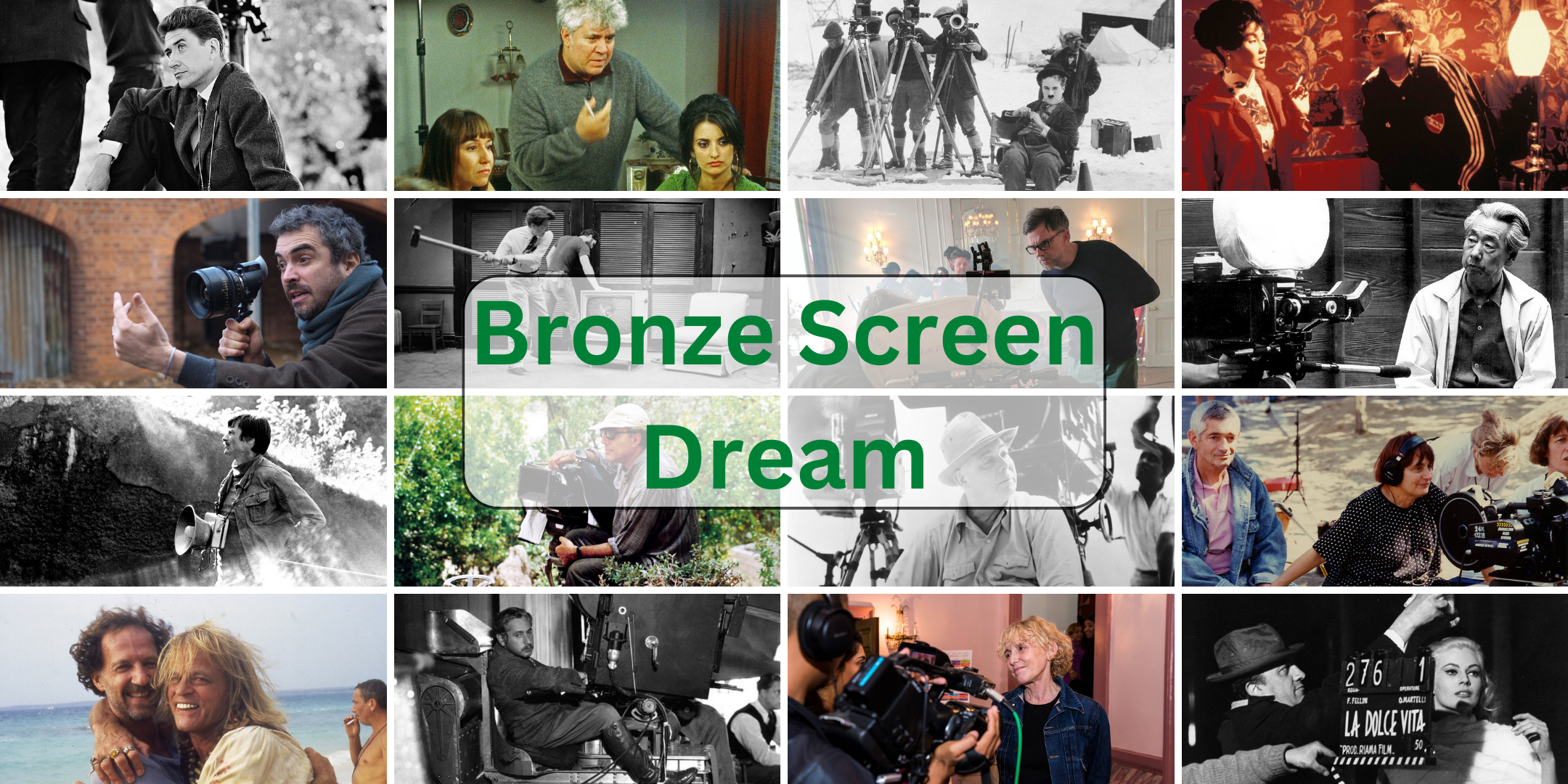

Roman Polanski, a Polish director often associated with the psychological thriller genre, is celebrated for his distinct visual style and his exploration of the darker aspects of the human psyche. Known for films like Repulsion, Rosemary’s Baby, and The Tenant, Polanski’s narratives often manifest a sense of paranoia, alienation, and fear. Despite being a controversial figure due to his personal life, Polanski has proven himself to be a significant force in international cinema, his works resonating with audiences and critics alike for their intensity, psychological depth, and meticulous craftsmanship.
Polanski was born in Paris and raised in Poland, a Jewish survivor of the Krakow Ghetto during World War II. His traumatic experiences during the Holocaust have profoundly impacted his life and work, as seen in his film The Pianist. After establishing himself in Polish cinema with films like Knife in the Water, Polanski fled to Western Europe and later to the United States following the tightening of communist rule. His controversial statutory rape case in 1977 resulted in him fleeing the United States and continuing his career in Europe.
Polanski’s films are marked by recurrent themes of fear, alienation, and the loss of control. His characters often find themselves in situations that heighten psychological tension, further underscored by his distinct visual style, characterised by claustrophobic framing, oppressive mise-en-scène, and meticulous compositions. The settings in his films, whether an apartment in Rosemary’s Baby or a cottage in Cul-de-sac, often take on a life of their own, contributing to the overall sense of tension and unease.
A Controversial Auteur
Several of Polanski’s notable films are adaptations of literary works, including Tess and Macbeth. His adaptations often add a layer of psychological complexity and existential dread, presenting new interpretations of familiar narratives. Regardless of the source material, Polanski’s films remain consistent in their exploration of human vulnerability, often revealing the fragility of societal norms and the human psyche in the face of chaos or violence.
Polanski’s career, marked by a multiplicity of styles and narratives, demonstrates his adaptability as a filmmaker. He has made films in various countries and languages, proving his ability to navigate different cultures and filmmaking traditions. Despite the diversity in his filmography, Polanski is often associated with the auteur theory, thanks to the recurrence of his distinctive themes and stylistic elements, affirming a sense of authorship over his works.
The influence of Roman Polanski’s style and thematic exploration is seen in the works of many filmmakers. His exploration of psychological horror has influenced directors like Darren Aronofsky, David Lynch, and Jordan Peele. Despite his controversies, Polanski’s lasting impact on film history is undeniable. His cinematic exploration of fear, isolation, and the darker facets of humanity continues to challenge audiences and redefine the boundaries of narrative cinema.
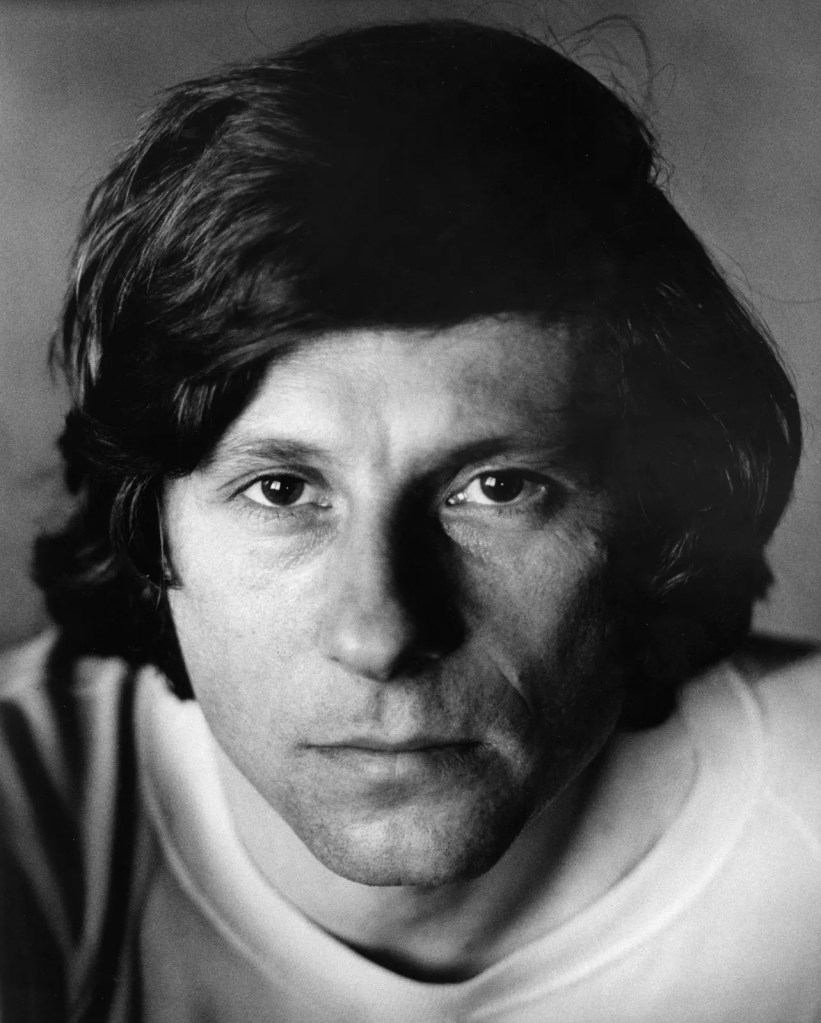
Roman Polanski (1933 – -)
Calculated Films:
- Knife in the Water (1962)
- Repulsion (1965)
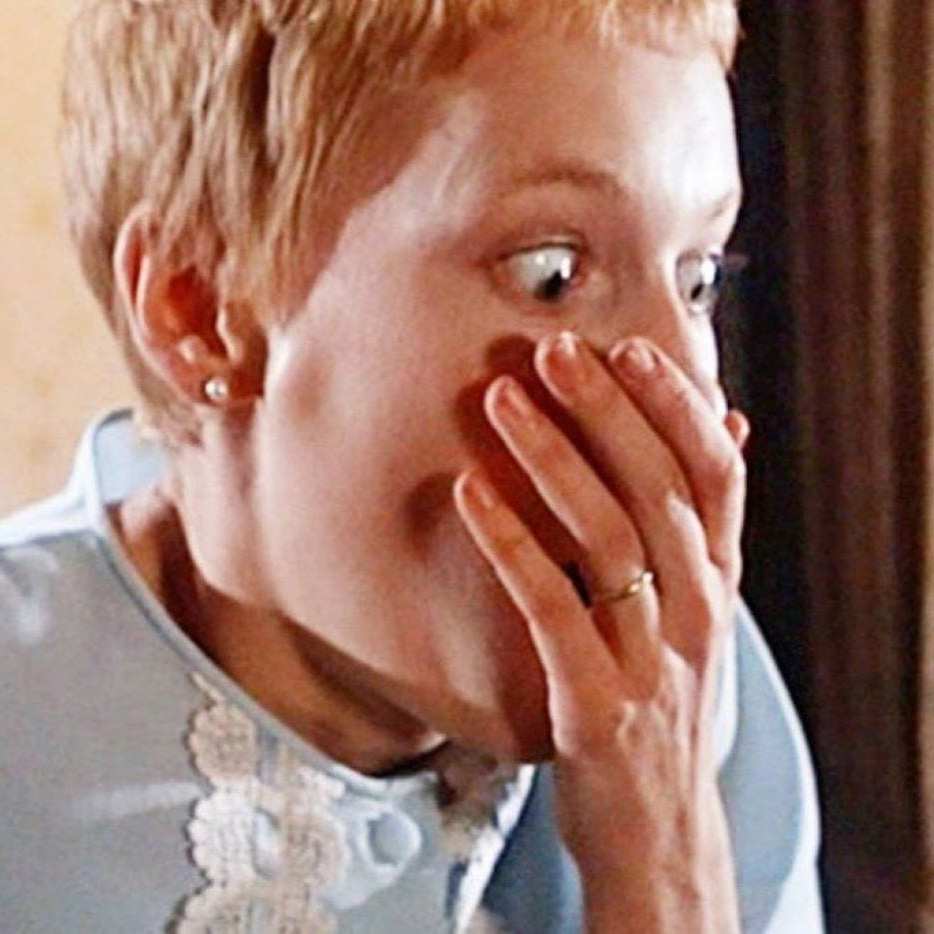
- Rosemary’s Baby (1968)
- Chinatown (1974)
- The Tenant (1976)
- The Pianist (2002)
Similar Filmmakers


Roman Polanski’s Top 10 Films Ranked
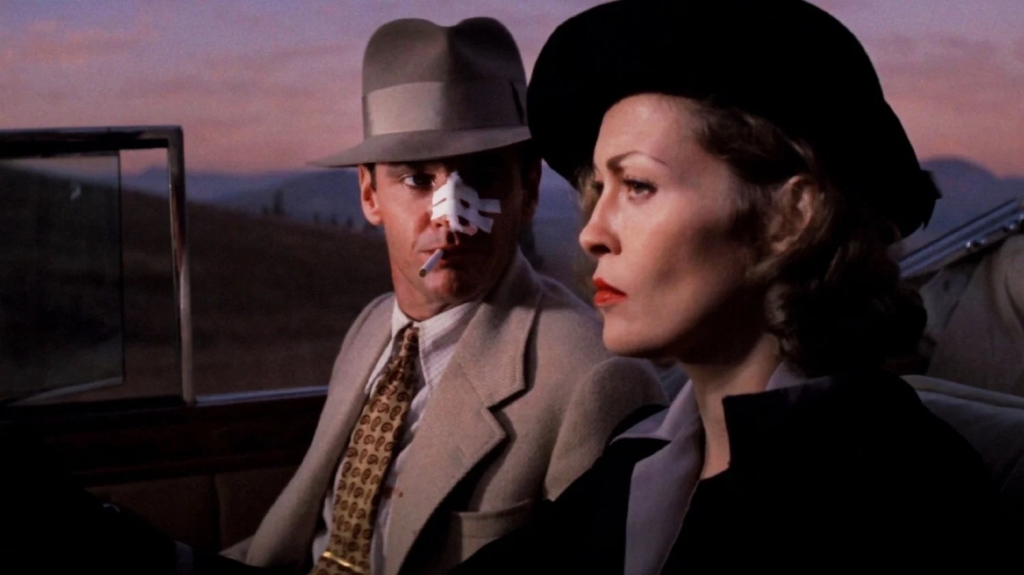
1. Chinatown (1974)
Genre: Neo-Noir, Mystery, Crime, Drama
2. Rosemary’s Baby (1968)
Genre: Mystery, Psychological Horror, Psychological Thriller

3. The Pianist (2002)
Genre: Biographical, War, Period Drama
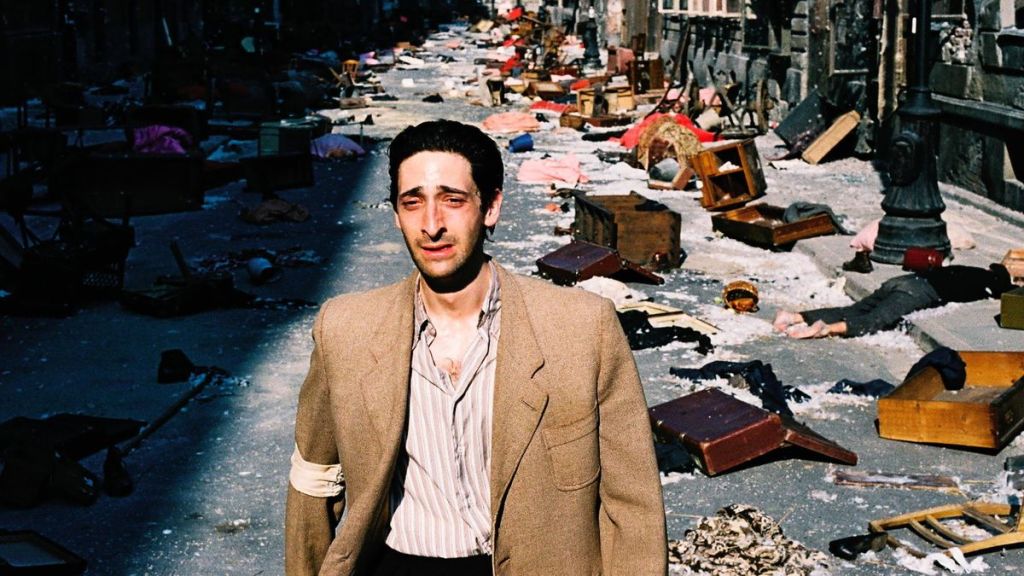
4. The Tenant (1976)
Genre: Psychological Thriller, Mystery

5. Repulsion (1965)
Genre: Psychological Thriller, Psychological Horror
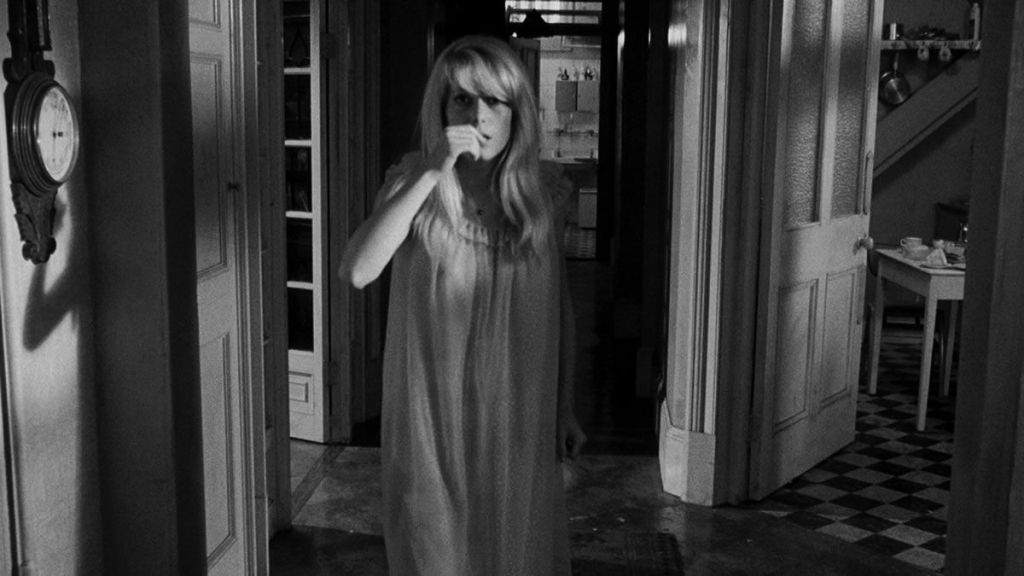
6. Knife in the Water (1962)
Genre: Psychological Drama, Drama

7. Macbeth (1971)
Genre: Tragedy, Medieval
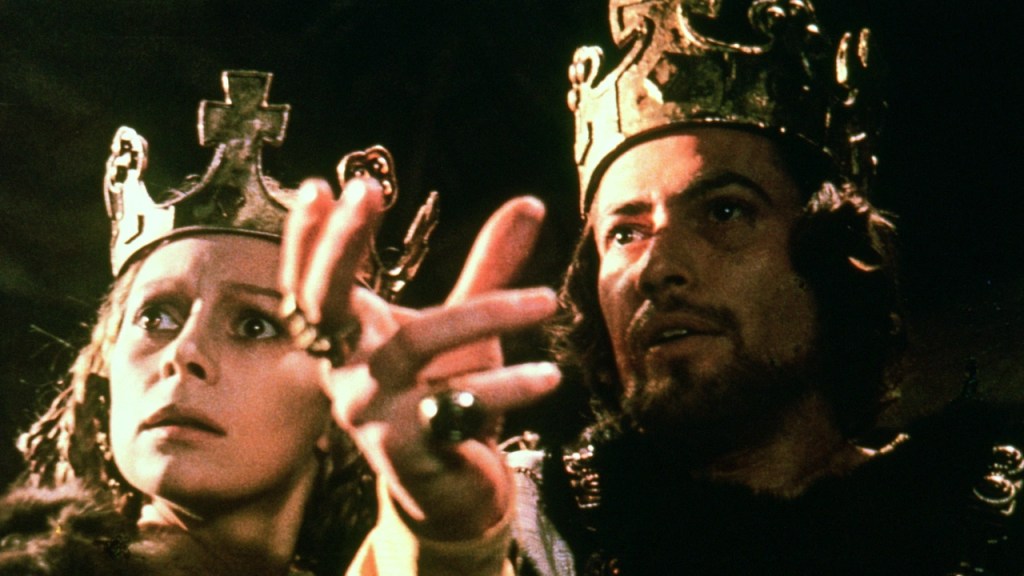
8. Tess (1979)
Genre: Romance, Period Drama
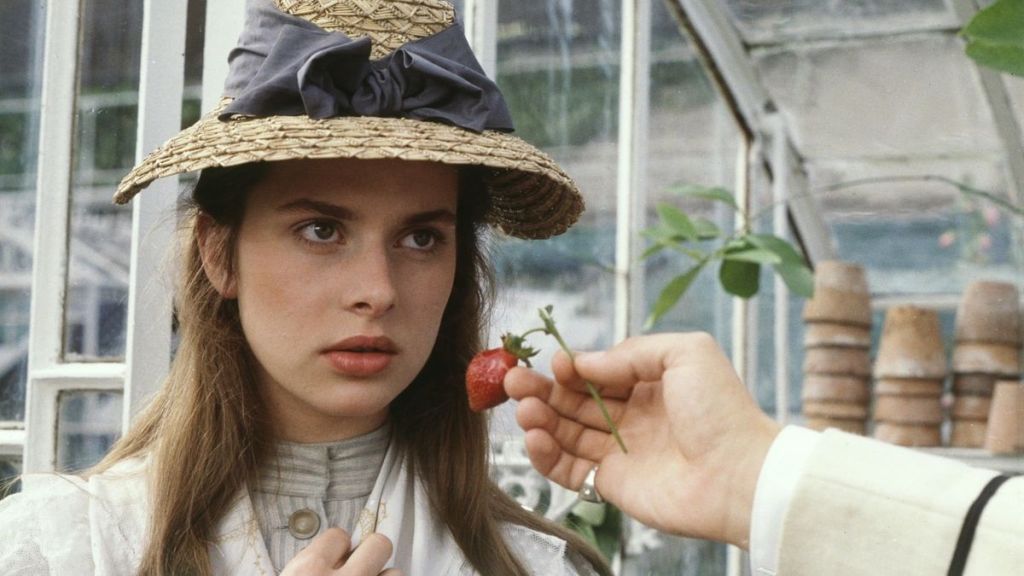
9. Bitter Moon (1992)
Genre: Erotic Thriller, Psychological Drama, Romance

10. The Ghost Writer (2010)
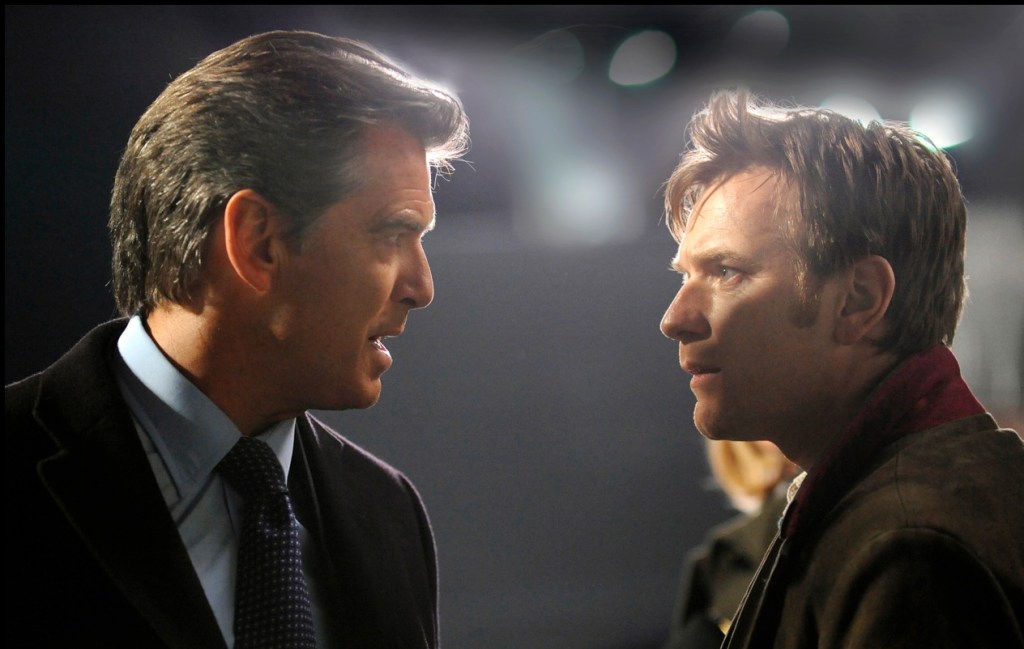
Genre: Mystery, Political Thriller, Political Drama, Neo-Noir, Thriller
Roman Polanski: Themes and Style
Themes:
- Psychological Torment: Polanski often delves into the psychological states of his characters, as seen in Repulsion, where the protagonist’s mental breakdown is portrayed with harrowing intimacy.
- Corruption and Moral Ambiguity: Films like Chinatown explore themes of corruption, with characters navigating a world where moral clarity is obscured, reflecting Polanski’s cynical view of authority and power.
- Isolation and Alienation: His characters frequently grapple with feelings of isolation, whether physically trapped, as in The Pianist or emotionally detached, as in The Tenant.
- The Macabre and the Grotesque: Polanski has a penchant for the disturbing and the grotesque, often weaving elements of horror into his narratives, as exemplified by Rosemary’s Baby, which combines the mundane with the demonic.
Styles:
- Claustrophobic Settings: Polanski’s use of tight, confined spaces, like the apartment in Repulsion, amplifies the psychological tension and the sense of entrapment felt by the characters.
- Blurring Reality and Illusion: He frequently blurs the lines between what is real and what is imagined, leading audiences to question the reliability of the narrative, as in The Tenant.
- Long, Unbroken Takes: His preference for long takes, seen in The Pianist, serves to immerse the viewer in the scene, creating a continuous flow that heightens the emotional impact.
- Symbolic Use of Landscape: In Chinatown, the arid L.A. landscape and water motifs are symbolic of the moral drought and the elusive nature of truth.
Directorial Signature:
- Tragic Irony: Polanski often employs tragic irony, where the protagonist’s efforts to escape or resolve a situation lead to deeper entanglement, as in Chinatown, where the quest for truth only begets more deception.
- Perverse Humor: Even in his darkest films, there is a vein of perverse humour that underscores the absurdity of his characters’ plights, adding a layer of complexity to the narrative.
- Unsettling Atmosphere: He is adept at creating an unsettling atmosphere through meticulous production design and soundscapes that complement the psychological tension on screen.
- Strong Female Characters: Despite the often bleak outcomes, Polanski’s films, such as Rosemary’s Baby, feature complex female leads who are central to the narrative and whose perspectives drive the story.
Roman Polanski: The 55th Greatest Director


 Bronze Screen Dream