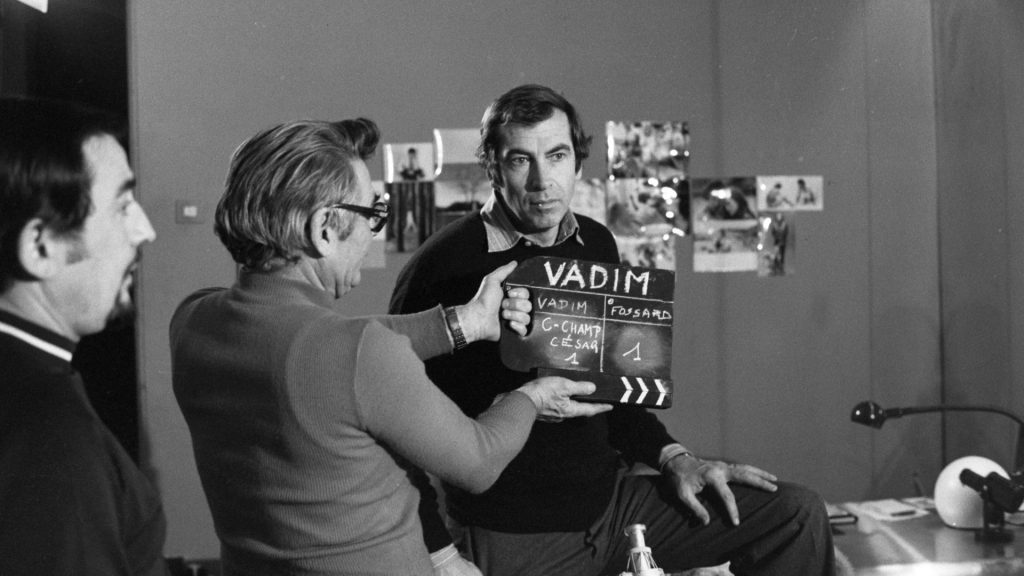
Roger Vadim made one genuinely important film, created three of the most famous women in cinema, and spent the rest of his career trading on both facts with diminishing returns. That summary is slightly unfair and mostly accurate. And God Created Woman in 1956 was a genuine cultural event; there is a case that the film functioned as a dividing line between the cinema that came before and after. Sexual desire, freedom, all against a lush Saint-Tropez backdrop.
He’d worked for it too. That’s what is somewhat forgotten when we talk about Vadim’s career. He’d worked under Marc Allegret, he’d hustled for years for Paris Match, and it had taken every inch of his considerable charisma to get Raoul Levy to finance his film. The issue is that Vadim’s talents simply weren’t in line with contemporaries (He knew how to photograph beauty, he understood location and widescreen composition), but he never had the desire to make a film that demanded more than its surface.
You can make a case that Les Liaisons Dangereuses in 1959 is the closest he got to that, and it says something that Gerard Philippe and Jeanne Moreau, both at their peaks, wanted to work for him. But the truth remains that while he could create an enjoyable 90-minute film, he never quite escaped ‘sex sells’ and didn’t seem to want to. The word ‘Svengali’ looms over everything Roger Vadim. He made Brigitte Bardot, Annette Stroyberg, and Catherine Deneuve, and then he took Jane Fonda from cheap rom-coms and turned her into the Fonda of Barbarella. Regardless of your thoughts on it, he did do it.
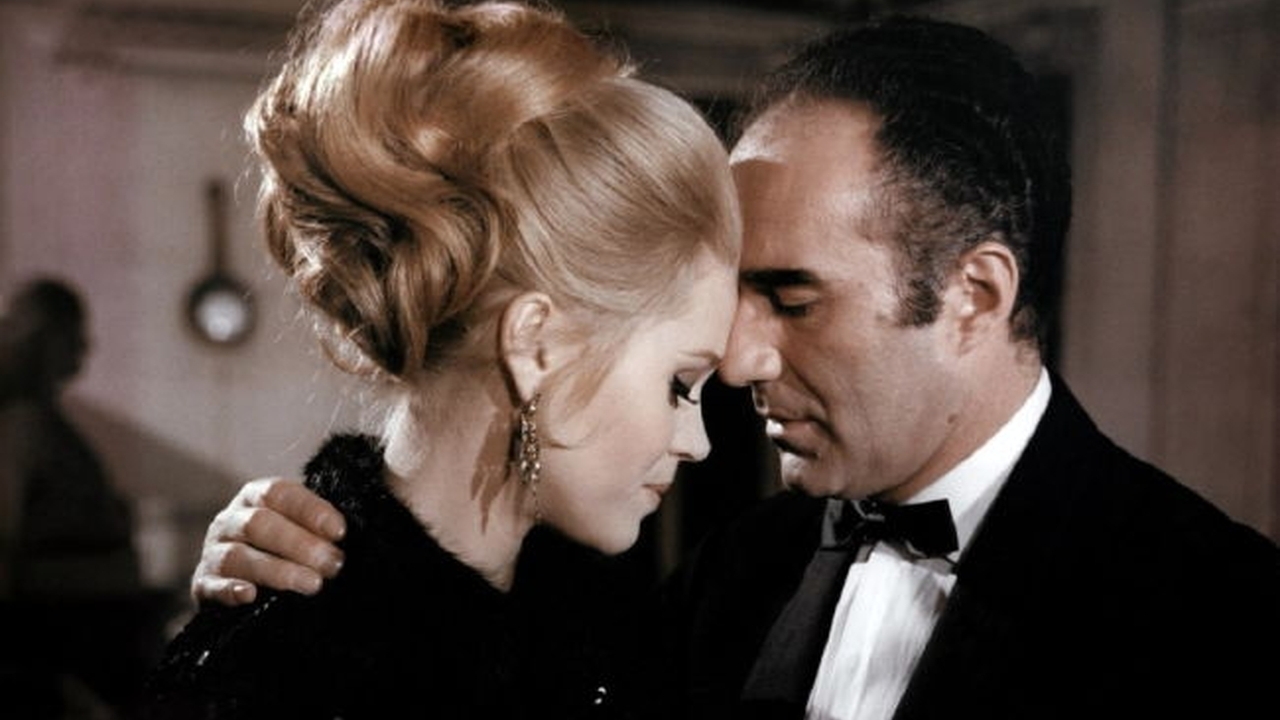
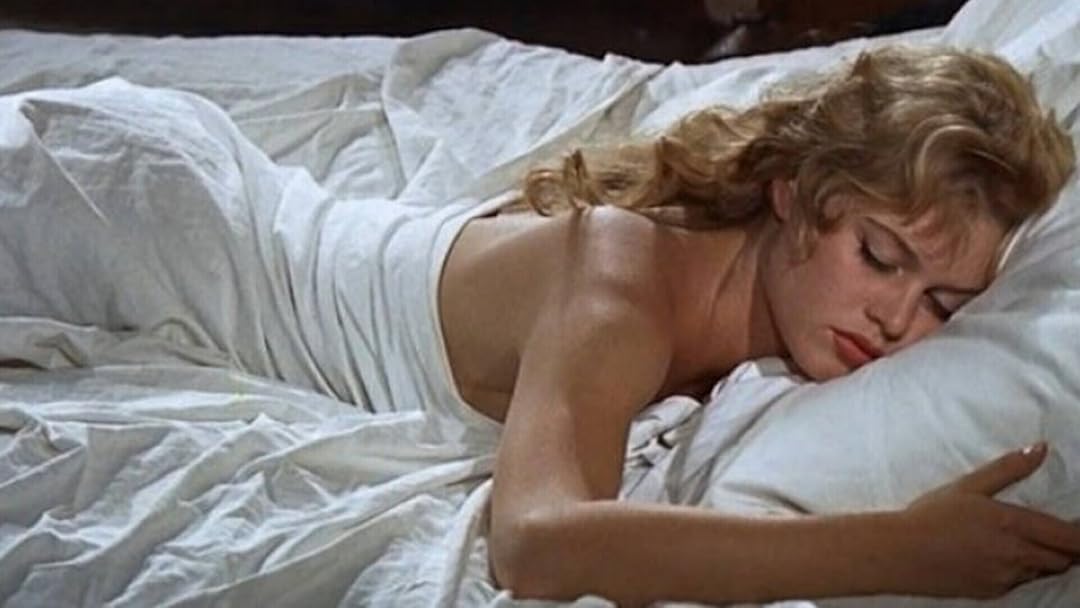
Roger Vadim (1928 – 2000)
- 1956 – And God Created Woman
- 1957 – No Sun in Venice
- 1958 – The Night Heaven Fell
- 1959 – Les Liaisons dangereuses
- 1960 – Blood and Roses
- 1961 – Please, Not Now!
- 1962 – Love on a Pillow
- 1963 – Vice and Virtue
- 1963 – Château en Suède
- 1964 – Circle of Love
- 1966 – The Game Is Over
- 1968 – Spirits of the Dead
- 1968 – Barbarella
- 1971 – Pretty Maids All in a Row
- 1972 – Hellé
- 1973 – Don Juan, or If Don Juan Were a Woman
- 1974 – The Murdered Young Girl
- 1976 – Game of Seduction
- 1977 – Bonheur, impair et passe
- 1980 – Night Games
- 1981 – The Hot Touch
- 1983 – Surprise Party
- 1988 – And God Created Woman
- 1991 – Safari
- 1993 – Amour fou
- 1996 – La Nouvelle tribu [TV]
- 1996 – Mon père avait raison
- 1997 – Un coup de baguette magique
- The Liberation of Female Sexuality on Screen: And God Created Woman presented Bardot as a woman who acted on sexual desire with the same uncomplicated freedom the cinema had previously reserved for men. In 1956, in both European and American cinema, this was a genuine provocation, and the film’s commercial success demonstrated that the provocation was also a desire waiting to be met.
- Mythmaker and Svengali: Vadim’s films are inseparable from his personal life because he so consistently put his partners (Bardot, Stroyberg, Deneuve, Fonda) on-screen and built them (Or changed in Fonda’s case) into something new. He knew how to elevate presence into iconography. Whatever you think of its ethics, it worked.
- Opulent, Pictorial Cinematography: Widescreen formats, Technicolour palettes, the sun-drenched beaches of Saint-Tropez, the dreamlike Gothic atmosphere of Blood and Roses, the hyper-real pop visuals of Barbarella. Vadim consistently prioritised visual opulence and environmental texture over narrative rigour. The deep spatial compositions and expansive locations serve a sensibility that treats film primarily as a visual and sensory experience rather than a dramatic one.
- New Wave Naturalism in a Commercial Package: When And God Created Women came out, the Cahiers du Cinema critics celebrated it. And they were right to, Vadim’s film was in many ways a precursor to the New Wave. It used location shooting, natural light, jazz scores, improvisational performances and in many ways it fit the Camera-Stylo theory. Yet, he packaged all this into a mainstream commercial format. Thus, while he was in many ways pre-New Wave, by the time the movement arrived, he was a commercial establishment through and through.
- Literary Transgression Modernised: Vadim often returned to literary adaptations: Laclos, de Sade, Zola, and Schnitzler. He used these authors to explore his usual themes (Moral corruption, class, sexual freedom) into contempoary settings. Les Liaisons Dangereuses updates the epistolary novel to the jet-set milieu of late-1950s Paris; Vice and Virtue transposes de Sade to Nazi-occupied France.
- Adrian Lyne
- Federico Fellini
- Jean-Jacques Beineix
- Jean-Marie Pallardy
- Louis Malle
- Marcel Camus
- Mario Bava
- Philippe de Broca
- Radley Metzger
- Tinto Brass
Biography
Coming soon

