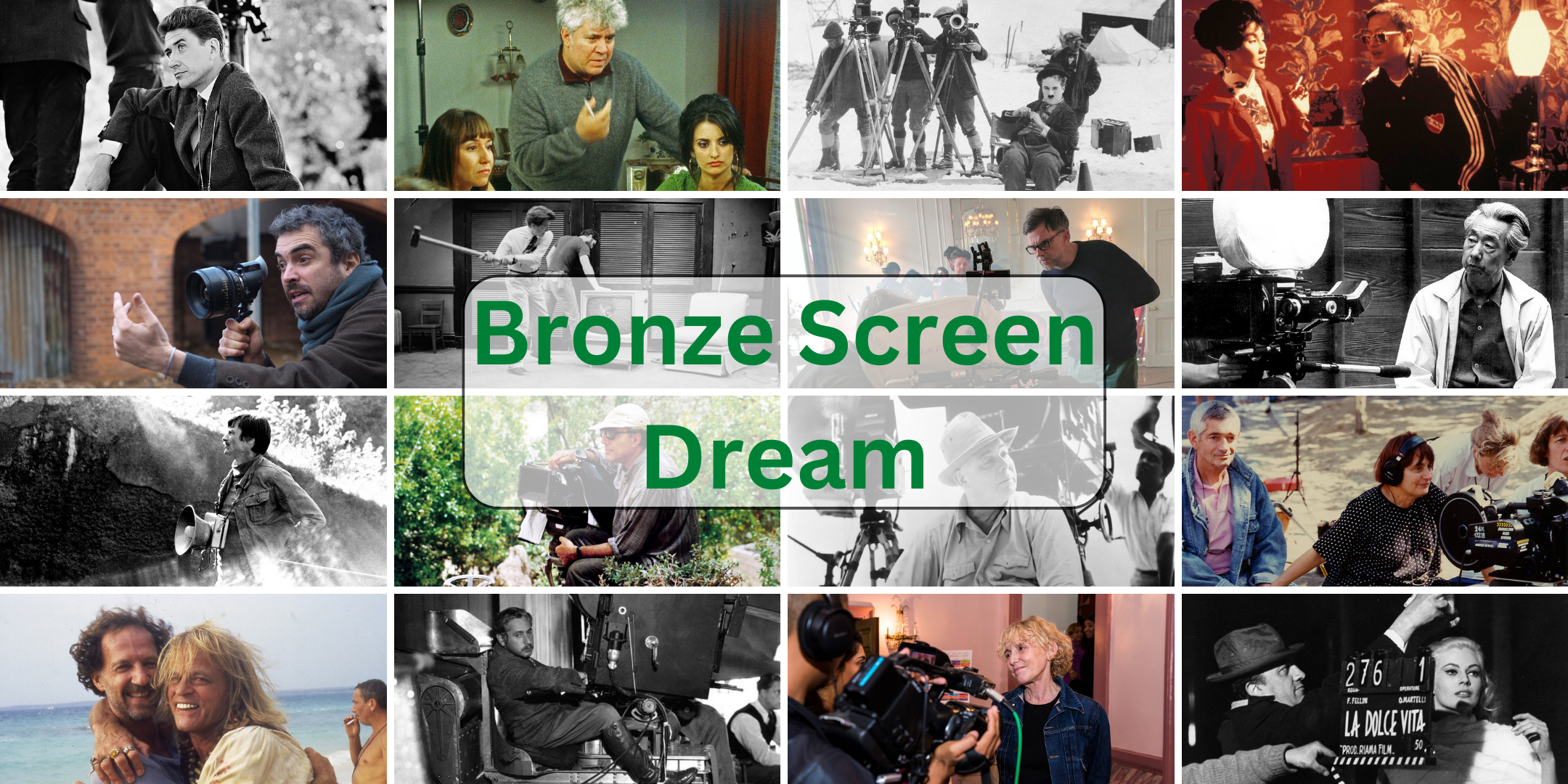
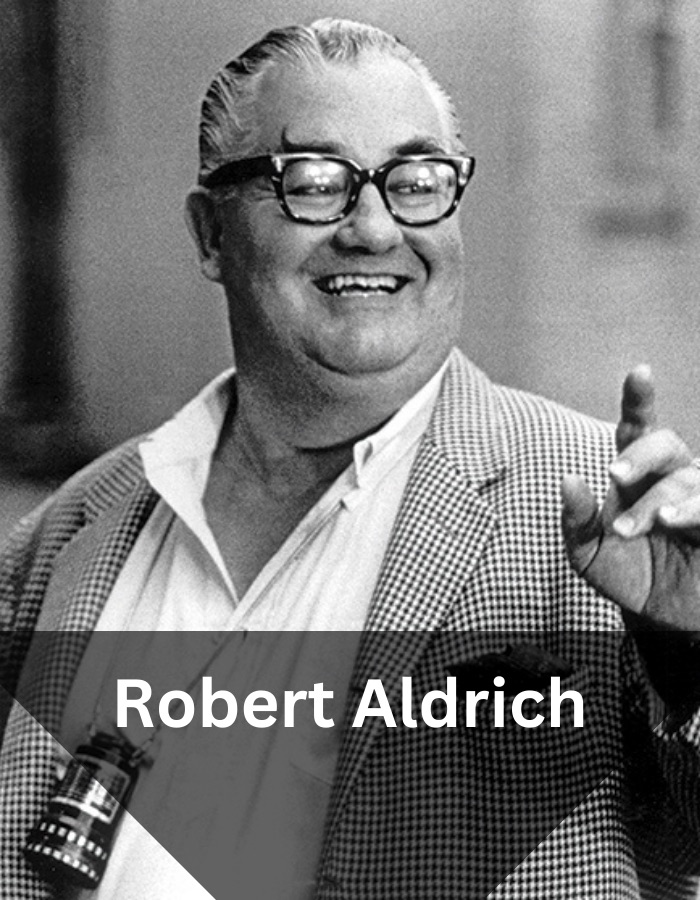
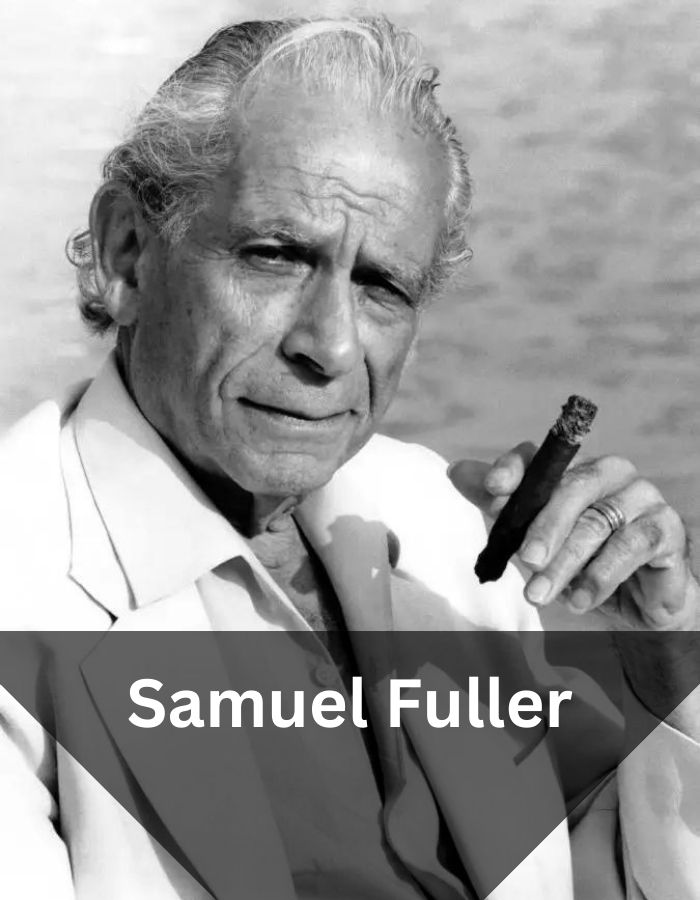
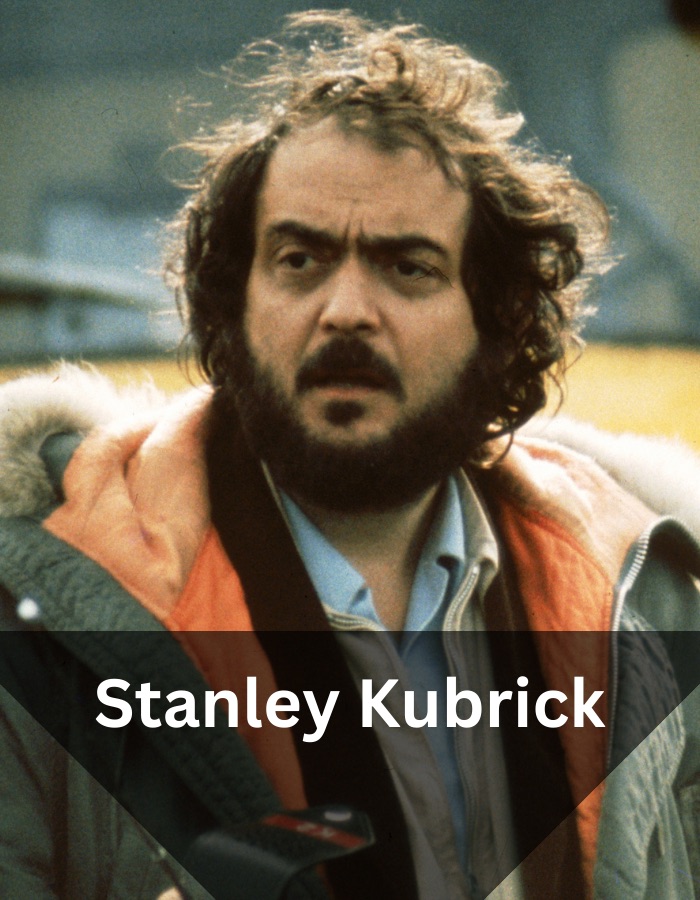
Below are some of the best American directors ever. Click on their pictures to discover more about them. This grouping covers the directors whose best work was made in the 1960s within the studio system. Many of them transitioned from TV to cinema in this period and were also successful in the New Hollywood era.

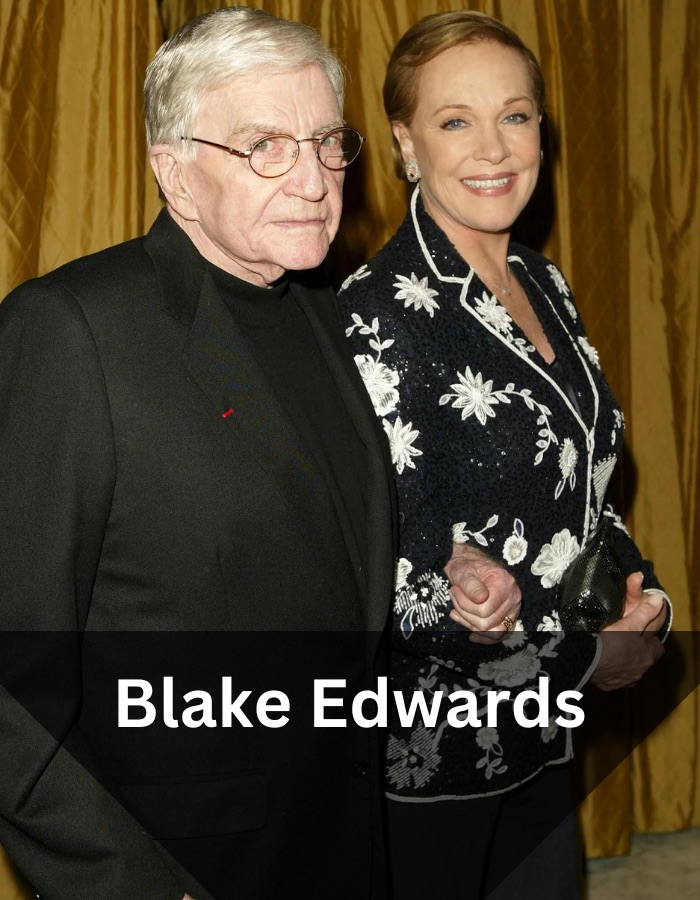
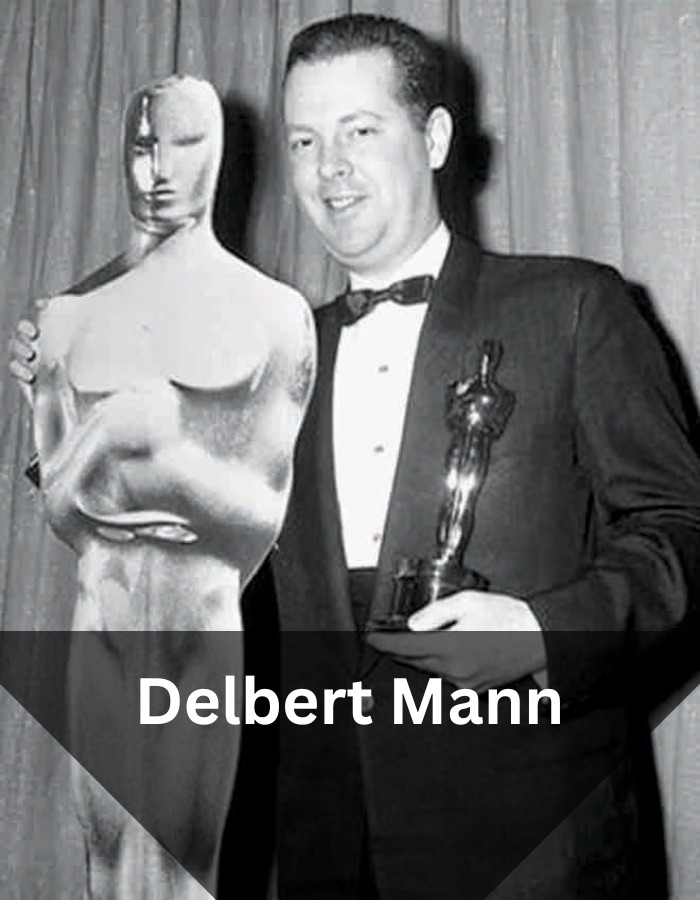


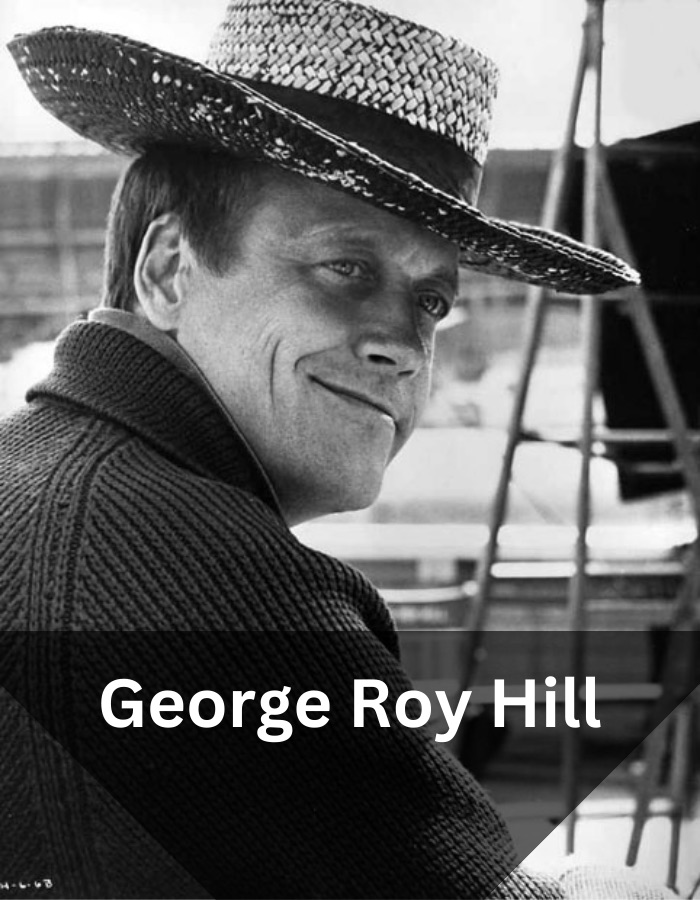









A Brief History of TV’s Golden Age Directors and Their Transition to Feature Films
The transition of television directors to feature films in the late 1950s and early 1960s marked a significant shift in the landscape of American cinema. This period, often referred to as the “Golden Age of Television,” was a fertile ground for creative talent in the TV industry. Directors honed their skills in this medium, working on a variety of genres, from drama to comedy, and developing a unique storytelling approach that was both economical and expressive. This experience proved invaluable as they transitioned to the world of feature films.
One of the notable aspects of this migration was the influence of live television dramas, such as those seen on programs like “Playhouse 90” and “Studio One.” These shows were akin to theatre productions broadcasted on TV, requiring directors to work with tight schedules and limited budgets, often in real-time. This environment fostered a sense of immediacy and creativity, as directors had to make quick decisions and work efficiently. The skills and techniques developed in this high-pressure setting translated well to the film industry, where directors could apply their craft on a larger canvas.
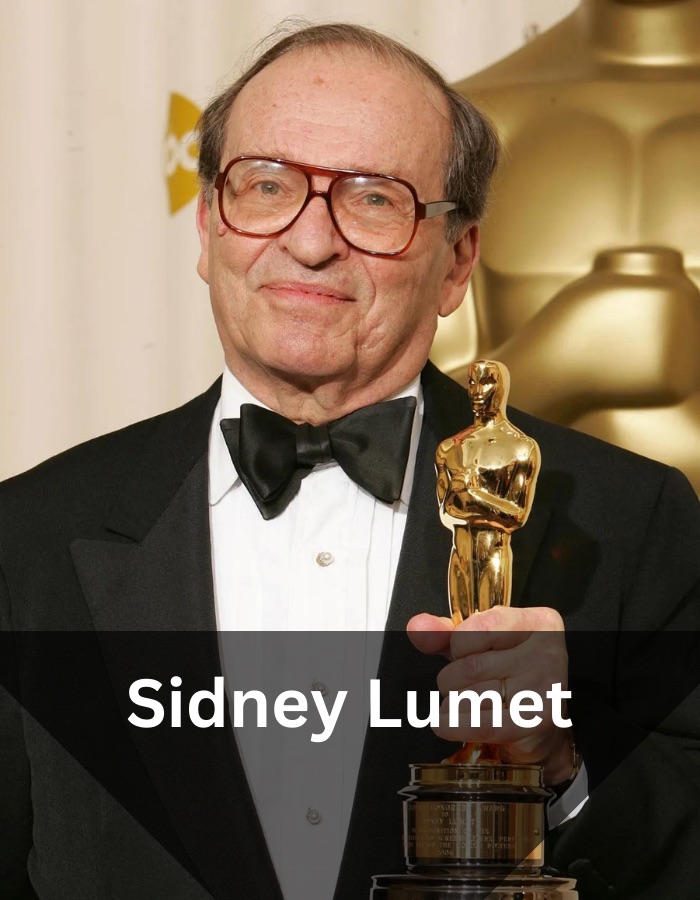
Several notable directors emerged during this transition. Sidney Lumet, known for his work on the TV show “Danger” and the live TV version of “12 Angry Men,” later directed the acclaimed film adaptation of the latter. His transition to cinema was marked by a focus on intense character-driven narratives, a trait he developed during his television years. John Frankenheimer, another luminary of this era, directed live TV dramas before moving on to feature films like “The Manchurian Candidate” and “Birdman of Alcatraz.” His style, characterised by innovative camera angles and deep focus, was partly a product of his TV background.
The influence of TV on these directors’ film work was profound. They brought with them a sense of realism and a knack for storytelling that was more character-centric and less reliant on extravagant production values. The influx of TV-trained directors also helped introduce new perspectives and techniques that would shape modern cinema.
 Bronze Screen Dream