

Paul Schrader is an American screenwriter, director, and film critic best known for his contributions to the New Hollywood movement of the 1970s and his ongoing exploration of themes such as alienation, obsession, and redemption. His films often feature complex, morally ambiguous characters grappling with their inner demons and the harsh realities of modern life.
Schrader first gained prominence as a screenwriter, penning scripts for Martin Scorsese‘s Taxi Driver and Raging Bull. These films, which delve into the psyches of troubled outsiders, established Schrader as a master of psychological storytelling and set the stage for his future work as a director.
As a filmmaker, Schrader has continued to explore the dark underbelly of American society, often through the lens of crime, punishment, and spiritual crisis. Films like Blue Collar, Hardcore, and American Gigolo showcase his ability to create gritty, unflinching portraits of individuals on the margins of society, while Mishima: A Life in Four Chapters and Affliction demonstrates his skill at adapting complex literary works for the screen.
Schrader’s visual style is marked by a stark, minimalist approach that emphasises character and atmosphere over flashy effects or elaborate set pieces. He often employs a muted colour palette and precise framing to create a sense of unease or isolation, as seen in films like Light Sleeper and First Reformed. Throughout his career, Paul Schrader has remained a fiercely independent voice in American cinema, consistently challenging audiences with his thought-provoking and often controversial works.

Paul Schrader (1946–)
Calculated Films:
- Blue Collar (1978)
- Mishima: A Life in Four Chapters (1985)
- First Reformed (2017)
Similar Filmmakers



Paul Schrader’s Top 5 Films Ranked
1. Mishima: A Life in Four Chapters (1985)
Genre: Biographical, Political Drama, Psychological Drama
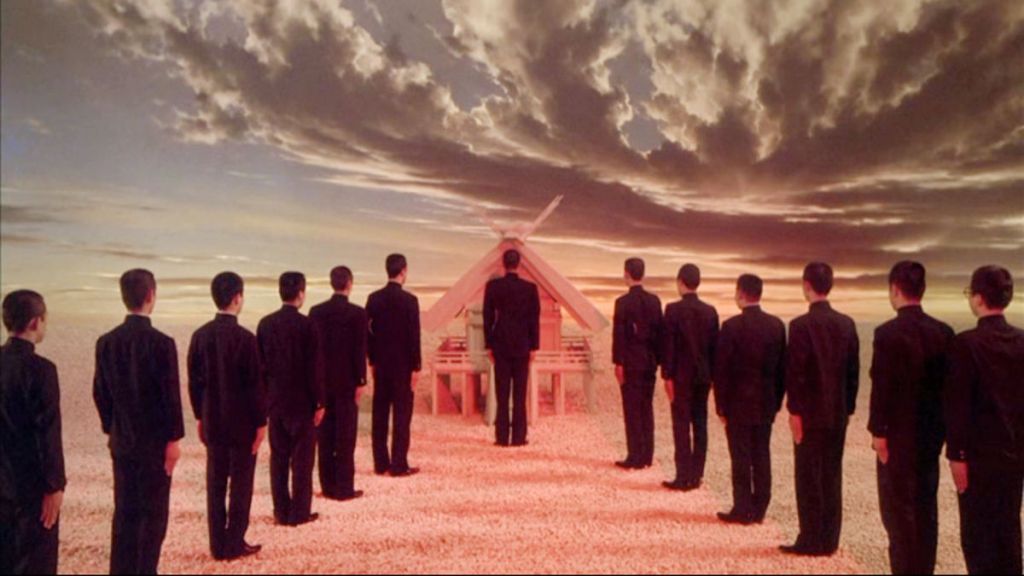
2. First Reformed (2017)
Genre: Psychological Drama

3. Blue Collar (1978)
Genre: Crime, Drama

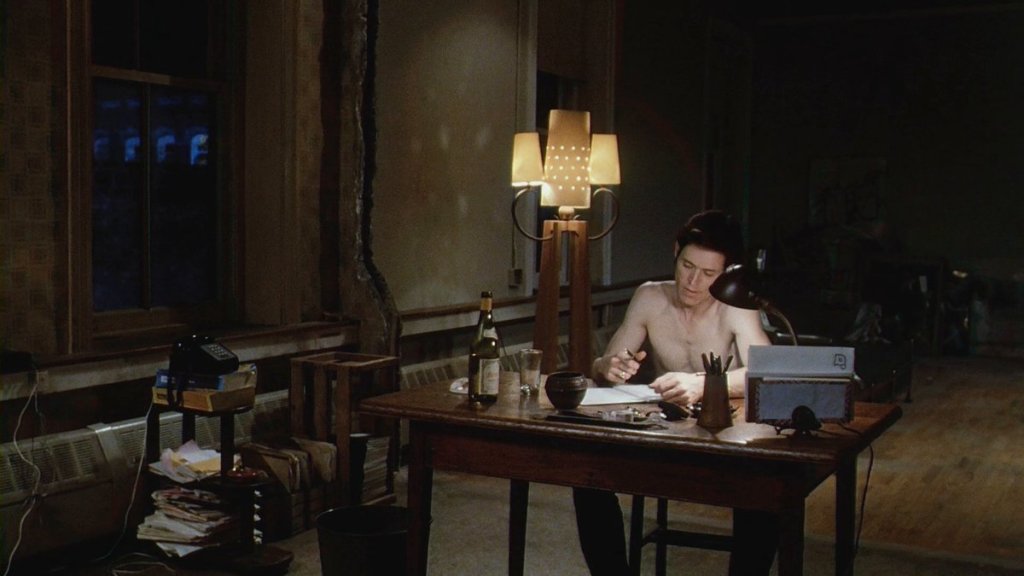
4. Light Sleeper (1992)
Genre: Drama, Crime, Neo-Noir
5. Affliction (1997)
Genre: Psychological Drama, Crime

Paul Schrader: Themes and Style
Themes:
- Existentialism and Isolation: Schrader’s characters are often isolated individuals navigating through a world devoid of meaning, grappling with existential crises. These protagonists are loners or outsiders, reflecting themes of alienation and spiritual emptiness.
- Redemption and Spirituality: Rooted in his religious upbringing, Schrader consistently explores spiritual and moral redemption. His characters often embark on quests for purpose, grappling with their faith or lack thereof, negotiating the tension between sin and salvation.
- Sexuality and Violence: His films frequently intertwine themes of sexuality and violence, examining how these primal forces intersect with the human psyche. These themes are often used to underscore characters’ internal struggles and their quest for connection or redemption.
Styles:
- Visual Style: Schrader employs a stark, sometimes austere visual style, using composition and lighting to enhance the psychological depth of his films. He often utilises shadows and dim lighting to create a moody, introspective atmosphere.
- Narrative Structure: His storytelling often adopts non-linear or fragmented narrative structures, employing flashbacks and voiceovers to delve into characters’ minds and histories. This approach allows for a deeper exploration of their psychological landscapes and moral dilemmas.
- Characterisation: Schrader crafts complex, often anti-heroic characters that are morally ambiguous and psychologically intricate. These characters are frequently placed in situations where they must confront and grapple with their internal demons and conflicts.
Directorial Signature:
- The “Schrader Man”: Often, his films feature what’s colloquially known as the “Schrader Man,” a male protagonist who is tortured, introspective, and often on the brink of psychological collapse. This character is usually a vehicle for exploring themes of masculinity, identity, and existential angst.
- Influence of Past Filmmakers: Schrader openly acknowledges the influence of directors like Robert Bresson, Yasujirō Ozu, and Carl Theodor Dreyer on his work. These influences manifest in his films’ contemplative pacing, minimalist style, and emphasis on spiritual themes.
- Psycho-Sexual Tension: His films often explore the complicated dynamics of sexuality, desire, and power. Characters’ sexual lives are depicted as sites of both vulnerability and strength, entangled with their emotional and spiritual struggles.
- Neo-Noir Elements: Incorporating elements of film noir, Schrader’s works often possess a gritty, urban aesthetic. These films frequently explore the darker recesses of the human psyche, set against a backdrop of moral ambiguity and societal decay.
Paul Schrader – The 250th Greatest Director


 Bronze Screen Dream