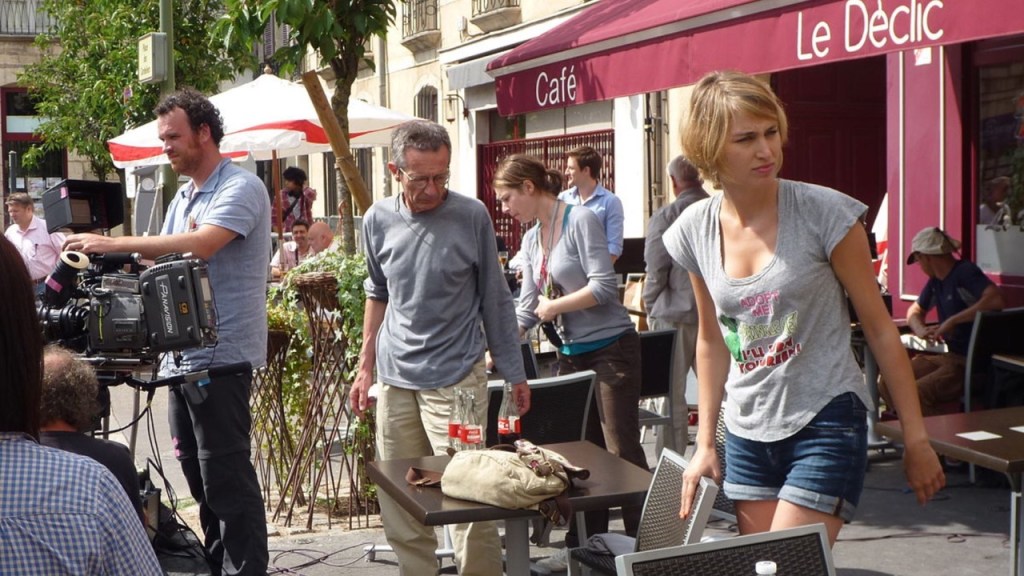
Patrice Leconte is a French film director known for his versatile and thought-provoking body of work. His films are characterised by their exploration of complex human relationships, often delving into themes of desire, loneliness, and the intricacies of communication. Leconte’s ability to blend humour, drama, and psychological depth has earned him critical acclaim and a dedicated following both in France and internationally.
Throughout his career, which spans over four decades, Leconte has directed more than 20 feature films. He first gained recognition with his comedic films in the 1970s and 1980s, such as Les Bronzés and Tandem. However, it was his shift towards more dramatic and introspective works in the 1990s that solidified his reputation as a master storyteller. Films like Monsieur Hire, The Hairdresser’s Husband, and Ridicule showcased Leconte’s ability to create emotionally resonant and visually striking narratives.
Leconte’s films often explore the complexities of human desire and the ways in which it can both unite and divide people. In The Hairdresser’s Husband, he delves into the obsessive nature of love and the blurring of boundaries between fantasy and reality. Similarly, in Intimate Strangers, Leconte examines the unexpected intimacy that can develop between two strangers through a case of mistaken identity. His keen observation of human behaviour and his ability to portray the subtleties of relationships set his films apart.
Another defining aspect of Leconte’s work is his visual style, which often employs a minimalist approach to emphasise the emotional depth of his characters. He frequently uses close-ups and lingering shots to create a sense of intimacy and to allow the audience to connect with the characters’ inner lives. In films like The Widow of Saint-Pierre and The Man on the Train, Leconte’s precise framing and use of light and shadow contribute to the overall mood and atmosphere of the story.

Patrice Leconte (1947 –)
Calculated Films:
- Monsieur Hire (1989)
- Girl on the Bridge (1999)
Similar Filmmakers
- Francois Ozon
- Francois Truffaut
- Jacques Rivette
- Jean Becker
- Jean-Paul Rappeneau
- Louis Malle
- Olivier Assayas
- Pascal Bonitzer
- Philippe Le Guay
- Pierre Salvadori
- Robert Guediguian
- Woody Allen

Patrice Leconte’s Top 5 Films Ranked
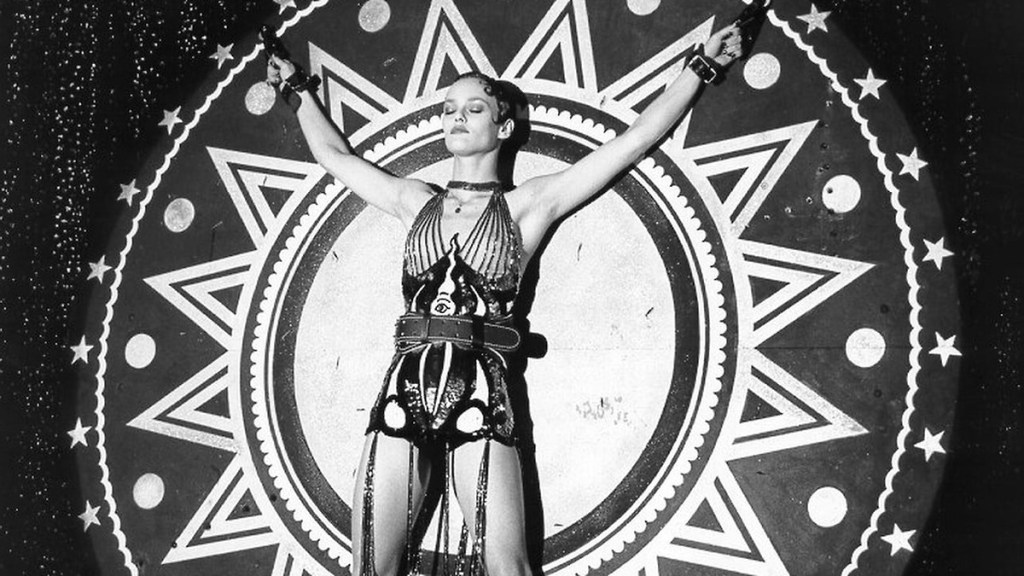
1. Girl on the Bridge (1999)
Genre: Romance, Drama
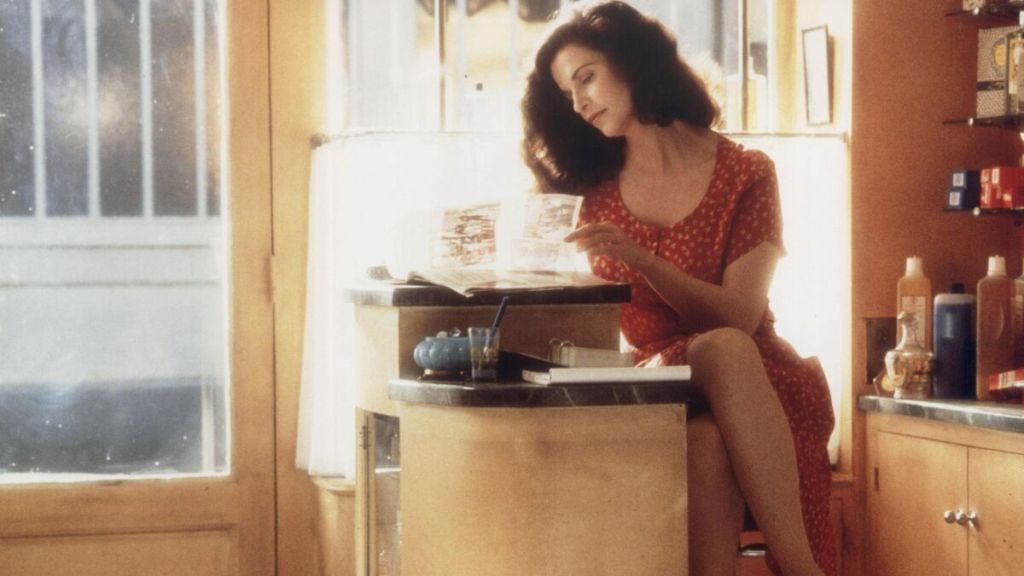
2. The Hairdresser’s Husband (1990)
Genre: Drama, Comedy, Romance
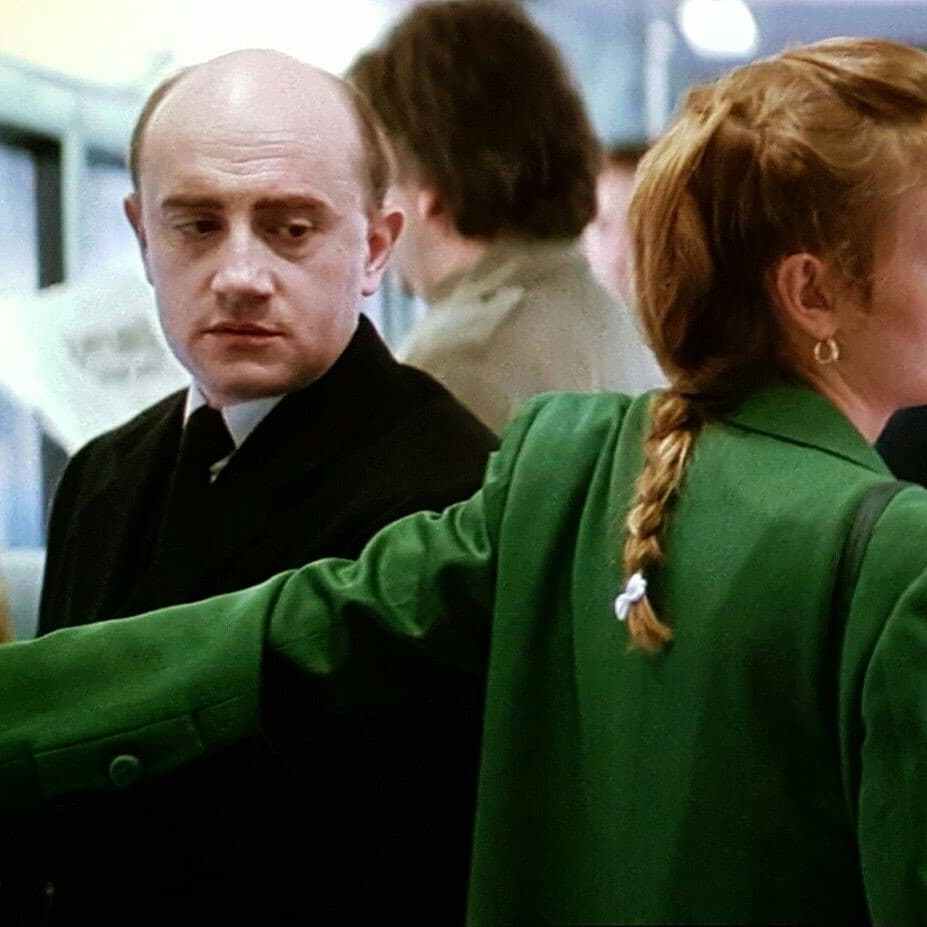
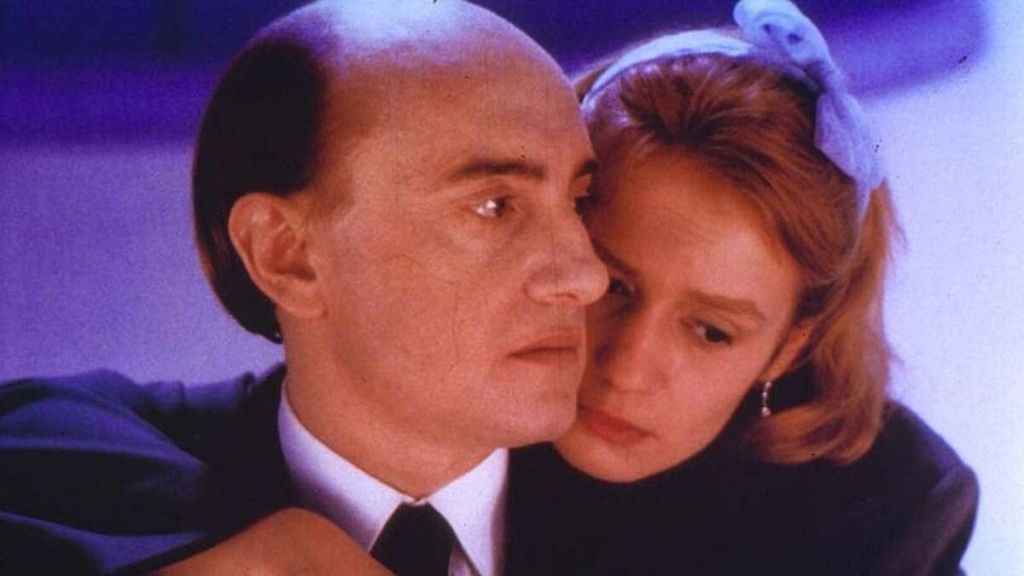
3. Monsieur Hire (1989)
Genre: Drama, Crime
4. French Fried Vacation 2: The Bronze’s Go Skiing (1979)
Genre: Comedy

5. Tandem (1987)
Genre: Road Movie, Drama, Comedy, Buddy

Patrice Leconte: Themes and Style
Themes:
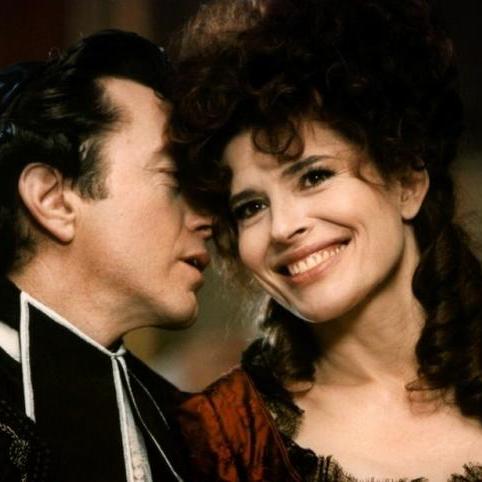
- Human Connection and Loneliness: Leconte often explores the deep-seated loneliness of his characters, juxtaposed with their yearning for human connection. In Ridicule, the protagonist navigates the treacherous waters of the French court, seeking connection in a sea of solitude and superficiality.
- Love and Desire: His films frequently delve into the complex nature of love and desire, illustrating the often blurred lines between them. The Hairdresser’s Husband presents a poignant exploration of passionate love and the profound impact of childhood memories on adult desires.
- Social Class and Power Dynamics: Leconte critically examines the dynamics of social class and power, revealing their influence on personal relationships and societal standing. Ridicule starkly portrays how power and social status are wielded and sought after in the French aristocracy, affecting every interaction.
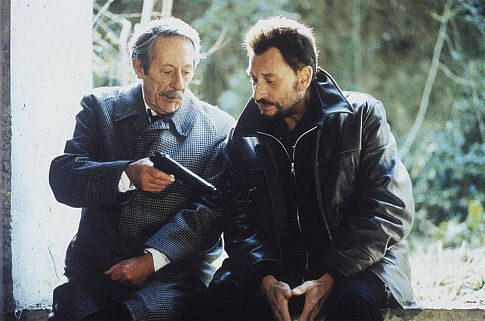
- Artistry and Obsession: A recurring theme is the intersection of artistry with obsession, where characters are often consumed by their artistic pursuits or obsessions. In The Man on the Train, the convergence of two contrasting lives underscores the obsessive nature of their respective lifestyles—crime and poetry.
Styles:
- Visual Storytelling: Leconte’s use of compelling visual language stands out. He employs striking compositions and meticulous framing to enhance narrative depth and emotional resonance, as seen in the vividly contrasting scenes of Girl on the Bridge.
- Atmospheric Soundscapes: He creates immersive soundscapes that complement the visual aesthetics, enriching the ambience and mood. The carefully curated sound design in The Widow of Saint-Pierre significantly amplifies the emotional weight of the movie.
- Intimate Cinematography: Leconte favours close, intimate shots that capture the subtleties of character expressions and interactions, creating a tangible sense of closeness with the audience.
- Narrative Ambiguity: His films often embrace ambiguity, leaving space for interpretation and reflection. This narrative style invites viewers to engage deeply with the story and characters, as seen in the open-ended nature of The Girl on the Bridge.
Directorial Signature:
- Character-Driven Narratives: Leconte’s films are distinctly character-centric, with well-developed personas that drive the narrative forward. This focus is exemplified in Monsieur Hire, where the titular character’s complex personality and actions form the heart of the story.
- Elegant Satire: His work frequently incorporates elements of satire, especially when critiquing societal norms and behaviours. The satirical undercurrent in Ridicule exposes the absurdities of aristocratic life with both wit and elegance.
- Melancholic Tone: A signature melancholic tone pervades his films, often reflecting the inner turmoil and existential dilemmas of his characters. This tone is masterfully captured in The Hairdresser’s Husband, where nostalgia and melancholy intertwine.
- Humanist Perspective: Despite the varying themes and styles, Leconte consistently maintains a humanist perspective, empathetically portraying his characters’ flaws and virtues.
Patrice Leconte – Great Director



 Bronze Screen Dream