

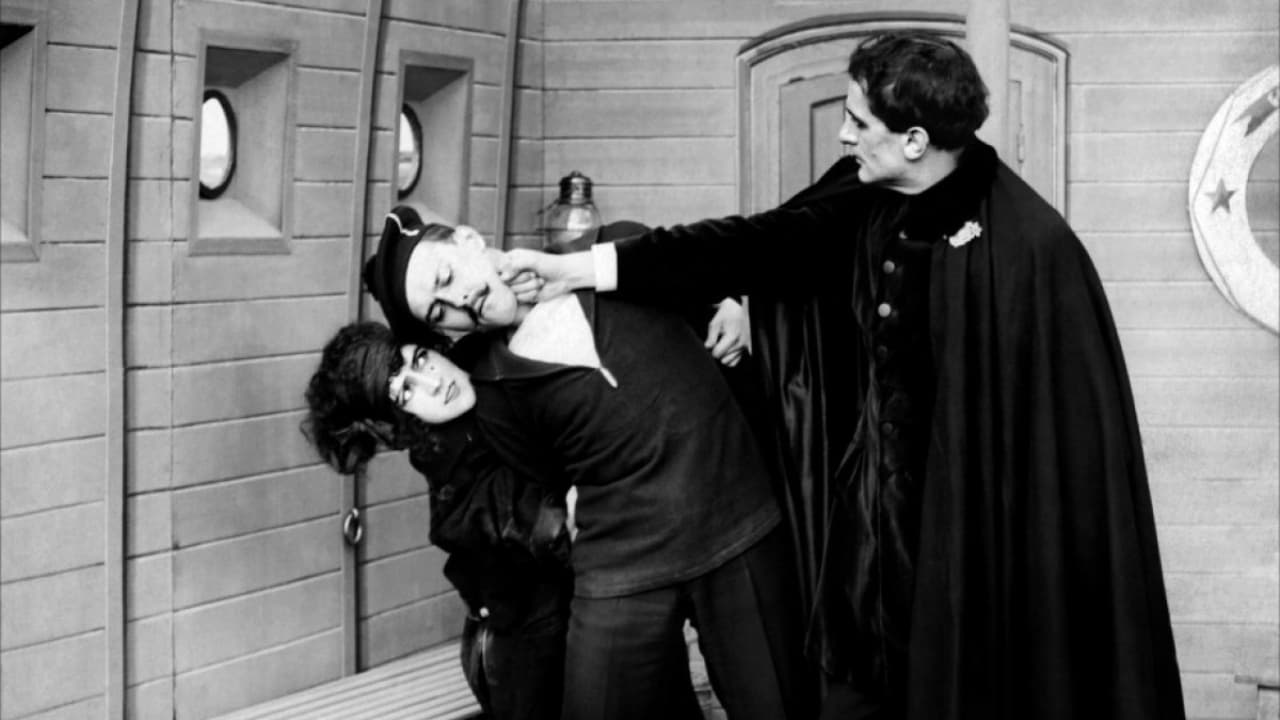
Louis Feuillade, a prominent French film director, is celebrated as a trailblazer in serial filmmaking. His influence on cinema’s evolution has left an indelible mark on film history, particularly in establishing and developing the crime thriller genre. Best known for creating lengthy narrative series such as Fantômas, Les Vampires, and Judex, Feuillade combined elements of suspense, mystery, action, and fantastical realism to weave intricate tales that captivated audiences.
Feuillade began his career in journalism before moving into scriptwriting and then directing, his experiences shaping a unique approach to cinematic storytelling. A strong proponent of visual storytelling, his detailed visual compositions and innovative use of cinematic space were central to his style. Depth staging and intricate set designs became hallmarks of his films, contributing to their atmospheric quality and narrative depth. Furthermore, his characters displayed a level of complexity and moral ambiguity seldom seen in early cinema, challenging the conventional good versus evil dichotomy.
His films were marked by a distinct blend of realism and fantasy. Feuillade often filmed on real locations to instil authenticity, giving his narratives a grounding in the tangible world. At the same time, his plots wove in surreal and fantastical elements, creating a unique blend that added layers of intrigue and unpredictability. This blend was particularly evident in his crime serials, which simultaneously mirrored societal fears and anxieties about modern urban life and technological advancement while also immersing viewers in dramatic, larger-than-life narratives.
Feuillade’s contributions to film history are considerable. His pioneering work in serial filmmaking laid the groundwork for the development of episodic narratives and complex, multi-part stories in cinema. His influence extended to the crime thriller genre, where his suspenseful storytelling, combined with a keen understanding of visual composition and staging, shaped future directions. His innovative blending of realism and fantasy also left a lasting impact, enriching cinematic language and expanding the potential of film as a medium for nuanced, layered storytelling.

Louis Feuillade (1873 – 1925)
Calculated Films:
- Les Vampires (1915)
- Judex (1916)
- Tin Minh (1918)
Similar Filmmakers
- Luis Bunuel
- Paul Leni
- Teinosuke Kinugasa
- Victorin-Hippolyte Jasset
- Vsevolod Pudovkin
- Yevgeny Bauer

Louis Feuillade’s Top 5 Films Ranked
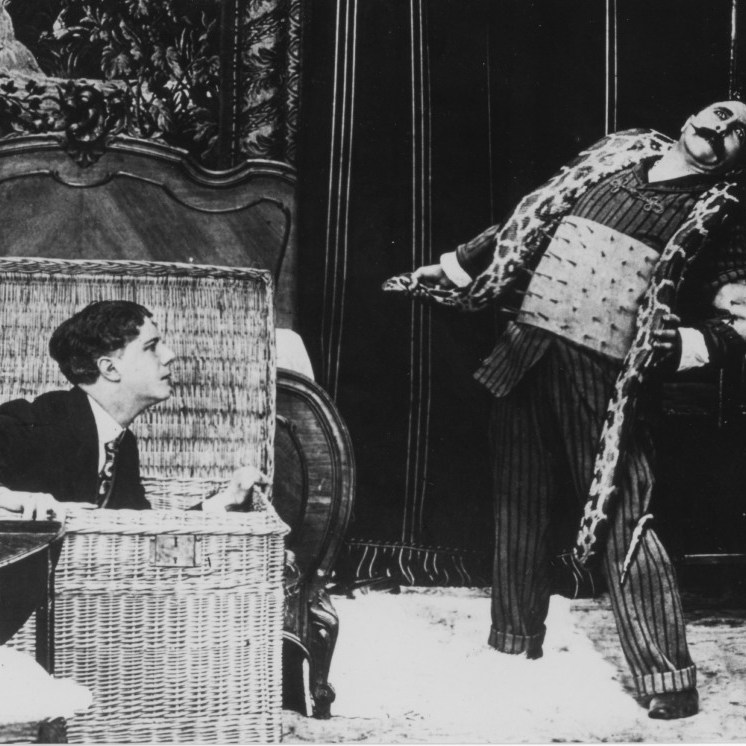
1. Les Vampires (1915)
Genre: Crime, Mystery

2. Fantomas (1913)
Genre: Crime, Mystery

3. Tin Minh (1918)
Genre: Crime, Spy, Adventure

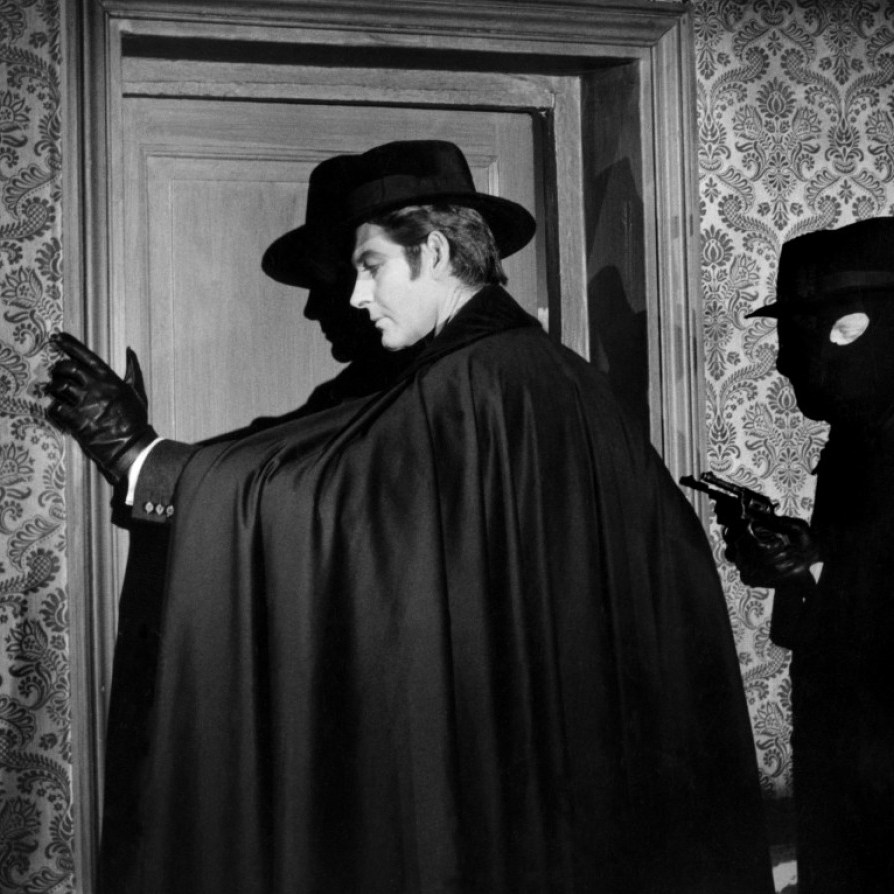
4. Judex (1916)
Genre: Crime, Drama, Melodrama
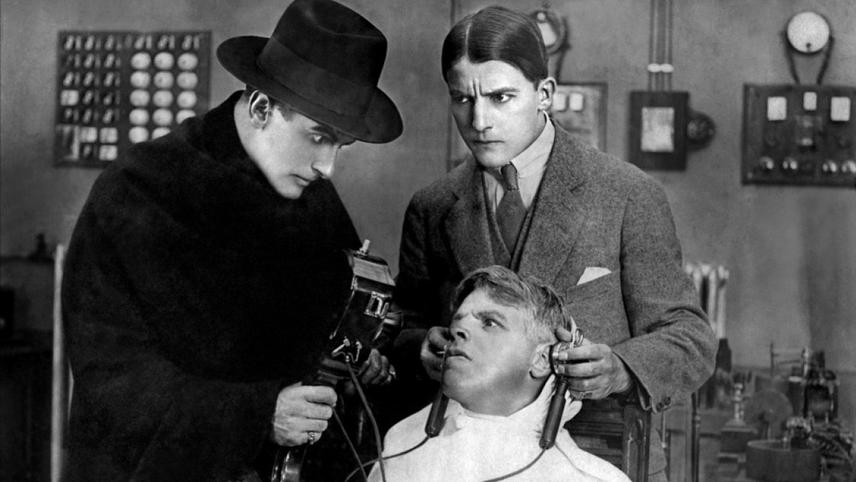
5. Barrabas (1919)
Genre: Crime

Louis Feuilliade: French Cinema’s Founding Father
Louis Feuilliade was born on February 19, 1873, in Lunel, Hérault, France. He grew up when cinema was in its infancy, a fledgling art form waiting to be discovered and moulded. With his inherent storytelling capabilities, young Louis was captivated by film’s potential, sensing its power to enrapture audiences. As he moved into adulthood, the world around him underwent rapid change, with the arts, politics, and technology intertwining in new and unforeseen ways.
At Gaumont Film Company, one of the world’s first and foremost film studios, Feuilliade’s talent truly began to blossom. Under the tutelage of Alice Guy-Blaché, one of the pioneering female directors in cinematic history, Feuilliade honed his directorial craft. Guy-Blaché’s influence on Feuilliade was palpable; the budding director imbibed her insistence on narrative depth, attention to detail, and innovative techniques. His early work owes much to Guy-Blaché’s genius, as he moulded her lessons into his distinct style.
Feuilliade’s tenure at Gaumont was marked by an impressive output. He became prolific, churning out numerous short films and laying the foundation for the serialised drama. He showcased his knack for understanding the pulse of his audience, offering them a blend of suspense, intrigue, and drama that left them clamouring for more.
In 1913, Feuilliade unveiled Fantômas, a serialised crime drama that would cement his place in cinematic history. Based on the popular novels of Marcel Allain and Pierre Souvestre, Fantômas was a huge step in suspense in the movies. The eponymous anti-hero, a master of disguise and an unrelenting criminal captured the imagination of audiences. The series, with its intricate plots, cliffhanger endings, and nuanced character development, was a testament to Feuilliade’s evolving directorial prowess. While some critics argued that the series could sometimes lean towards melodrama, there’s no denying its influential role in shaping the future of crime cinema.
Building on the success of Fantômas, Feuilliade delved deeper into the world of crime and suspense with Les Vampires in 1915. This ten-part silent crime serial featured the deadly and seductive Irma Vep. Feuilliade’s portrayal of a secret criminal organisation operating in the shadows of Parisian society tapped into his audience’s anxieties and thrill-seeking tendencies. His depiction of the female anti-hero, a departure from the typical damsel in distress, was both groundbreaking and provocative.
The Vampires, while a commercial success, was not without its detractors. The French authorities were uncomfortable with its portrayal of Paris as a den of crime and corruption. Feuilliade’s tendency to blur the lines between good and evil, his portrayal of authority figures as either ineffectual or complicit, was seen by some as a dangerous commentary on contemporary society. But this very audacity, this refusal to conform to established norms, set Feuilliade apart from his contemporaries.
1916 saw the release of Judex, another serial that bore the unmistakable stamp of Feuilliade’s genius. A crime-fighting avenger at its core, Judex was a departure from the shadowy world of Fantômas and The Vampires. Here, Feuilliade ventured into the realm of the fantastical, introducing audiences to a superhero of sorts long before the term became a cinematic staple.
After his earlier series’ success, Feuilliade ventured into the thrilling realms of espionage with Tih Minh in 1918. Set against the lush landscapes of Nice, this epic 12-part serial is a captivating mix of adventure, mystery, and romance. Tih Minh reflects Feuilliade’s ability to keep audiences riveted, proving once again his understanding of suspense and his prowess in weaving intricate narratives.
In 1919, Feuilliade once again challenged societal conventions with Barrabas, a 12-episode series that delved into the dark underbelly of Paris. This was Feuilliade’s exploration of the post-war society, capturing its disillusionments and moral complexities. Though not as commercially successful as some of his previous works, Barrabas was willing to tackle controversial and morally ambiguous themes, a hallmark that consistently defined his oeuvre.
One of the last major works of Feuilliade was Parisette in 1921. This romantic drama departed from his frequent forays into crime and suspense. Focusing on interpersonal relationships, love, betrayal, and redemption, Parisette showcased the versatility of Feuilliade’s direction.
Louise Feuilliade’s Legacy
Louis Feuilliade’s filmography is staggering. With a career spanning nearly 800 films, both shorts and serials, he is one of the most prolific directors of the silent era. While not all his works have been preserved or stand the test of time, there’s no denying his contributions’ sheer breadth and depth.
His legacy, however, extends beyond mere numbers. Feuilliade played a pivotal role in establishing the visual language of cinema, particularly in the realm of serialised drama. His films, characterised by their narrative depth, visual innovation, and character development, set the stage for future generations of filmmakers.
Pioneers like Alfred Hitchcock and Fritz Lang owe a debt to Feuilliade’s understanding of suspense and psychological tension. Hitchcock, the “Master of Suspense,” incorporated elements reminiscent of Feuilliade’s cliffhangers and intricate plots. Fritz Lang’s seminal Dr Mabuse series and Metropolis reflect the socio-political undertones and urban anxieties evident in Feuilliade’s films.
Furthermore, his depiction of powerful femme fatales paved the way for the evolution of strong female characters in cinema, transcending the stereotype of the helpless damsel. The likes of Irma Vep in The Vampires can be seen as a precursor to the enigmatic and multi-dimensional women that would later populate noir films.
Most Underrated Film
Admittedly, Feuilliade’s works are not widely viewed today, relegated largely to film academics and connoisseurs. However, if you’re a fan of early cinema, they’re working checking out, especially Les Vampires.
Its ten-part serial format allowed for a sprawling narrative filled with intricate subplots and complex character arcs. Set against the backdrop of the Parisian underworld, the film’s mise-en-scène blends realism and atmospheric fantasy. Scenes such as the iconic “dance of death” performed by the seductive and formidable Irma Vep, played by Musidora, are visually arresting and remain etched in the viewer’s memory long after the film concludes.
The film’s labyrinthine plot can occasionally veer into melodrama. Still, its lingering shots and deliberate pacing create a mood of suspense and tension, drawing viewers into a hypnotic, dream-like state. Its blend of crime, intrigue, and proto-noir sensibilities is a precursor to genres dominating global cinema decades later.
Louis Feuilliade: Themes and Style
Themes:
- Crime and Morality: Feuilliade often delved into the world of crime, weaving tales that didn’t just narrate heists or chases but delved deep into the moral quandaries of his characters.
- Societal Commentary: His films, especially serials like Les Vampires, touched upon societal anxieties, capturing the pulse of the tumultuous times he lived in.
- Duality of Characters: Feuilliade’s characters were rarely one-dimensional. There was always a duality, a shade of grey, especially in his protagonists and antagonists, blurring the lines between good and evil.
- Female Empowerment: Unlike many films of his era, Feuilliade’s works often featured strong, empowered female characters, breaking the typical damsel-in-distress trope.
Styles:
- Serialised Storytelling: One of Feuilliade’s most significant contributions to cinema was his serialised dramas. He pioneered creating episodic tales with cliffhangers that kept audiences returning for more.
- Atmospheric Realism: Feuilliade combined reality with fantasy elements, creating a unique atmosphere that added depth and layers to his narrative. The Paris he showcased was both real and imagined.
- Innovative Use of Mise-en-Scène: His scenes were meticulously crafted with attention to detail, from costume design to using shadows, creating a distinct visual aesthetic.
- Long Takes and Pacing: Contrary to the rapid cuts of modern cinema, Feuilliade employed lingering shots, allowing scenes to breathe and build tension gradually.
Directorial Signature:
- Mastery Over Suspense: Often hailed as a precursor to future masters of suspense like Hitchcock, Feuilliade had an innate ability to create tension through narrative and visual techniques.
- Character Complexity: Characters in Feuilliade’s films were multifaceted, driving the narrative as much as the plot itself.
- Visual Symbolism: Feuilliade often employed symbols in his films, be it through props or settings, adding layers of meaning to his narrative. For instance, the masks in Fantômas or the dance sequences in Les Vampires are not just plot devices but symbols reflecting deeper themes.
- Tackling Taboos: Feuilliade never stopped addressing controversial topics or showcasing morally ambiguous characters, making his films both progressive and provocative for their time.
Further Reading:
Books:
- French Film Theory and Criticism: A History/Anthology, 1907-1939 by Richard Abel
- Zones of Anxiety: Movement, Musidora, and the Crime Serials of Louis Feuillade by Vicki Callahan
Articles and Essays:
- The Innovators 1910-1920: Detailing The Impossible, Sight and Sound
- Louis Feuillade: Master of Melodrama by Richard Roud, Film Comment
Louise Feuillade: The 188th Greatest Director


 Bronze Screen Dream