
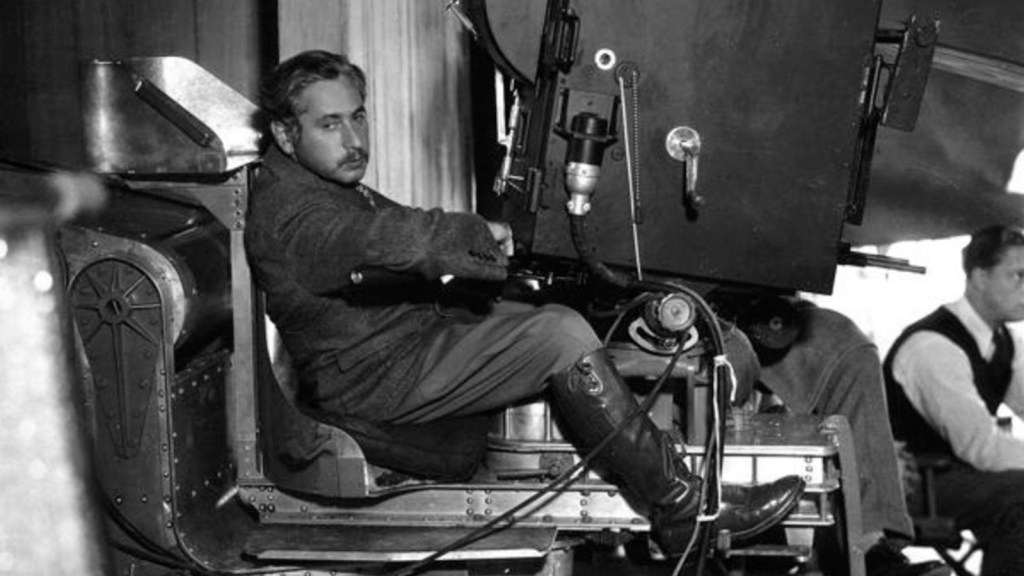
Josef von Sternberg was an Austrian-American filmmaker renowned for his distinctive visual style and exploration of eroticism, desire, and sexual politics. His work is characterised by elaborate lighting, meticulous set designs, and innovative camera angles that create an atmospheric, shadowy aesthetic. His impactful collaboration with German actress Marlene Dietrich, with films like The Blue Angel, Shanghai Express, and Morocco, produced some of the most iconic performances and visuals in cinema history. As an auteur, he was intimately involved in all aspects of his films, and his distinct touch was evident in their style and themes.
Born in Austria and raised in America, Sternberg’s journey into filmmaking was marked by a passion for visual storytelling. His career spanned the silent and sound eras, and his work reflected a broad understanding of international cinema, with films produced in multiple countries. German Expressionism significantly influenced his visual style and approach to narrative, which he encountered during his early work in the German film industry, most evident in his use of light, shadow, and stylised performances.
Sternberg’s films are renowned for exploring eroticism, desire, and the dynamics of sexual politics. His female characters are often depicted as sensual, complex, and assertive, commanding the narrative with their powerful presence. In contrast, his male characters frequently appear vulnerable or controlled by their desires. This nuanced portrayal of gender dynamics is particularly notable in his collaborations with Marlene Dietrich, where she often plays assertive, sexually independent women.
Style and Emotionality
In terms of visual style, Sternberg was known for his atmospheric and shadowy lighting, which resulted in a distinctive, moody look. His detailed set designs and innovative camera angles further amplified this unique aesthetic.
The narrative style of Sternberg’s films is often fragmented and elliptical, focusing more on the visual and emotional experience rather than a linear storyline. This stylistic choice further highlighted the visual appeal of his films and the emotional depth of his characters. His films are driven more by mood and character than by plot, an approach that adds to their distinctive appeal.
Despite a decline in popularity during his lifetime, Sternberg’s influence on cinema, particularly on visual storytelling and the portrayal of sexuality, remains significant. Filmmakers such as Rainer Werner Fassbinder and Wong Kar-wai have cited Sternberg as an influence, attesting to his international impact. His pioneering work continues to be studied and admired for its innovative and provocative approach to filmmaking, underscoring his enduring legacy in cinema history.

Josef von Sternberg (1894 – 1969)
Calculated Films:
- The Salvation Hunters (1925)
- Underworld (1927)
- The Last Command (1928)
- The Docks of New York (1928)
- Morocco (1930)
- The Blue Angel (1930)
- Dishonoured (1931)
- Shanghai Express (1932)
- The Scarlet Empress (1934)
- The Devil Is A Woman (1935)
- The Shanghai Gesture (1941)
- Anatahan (1953)
Similar Filmmakers

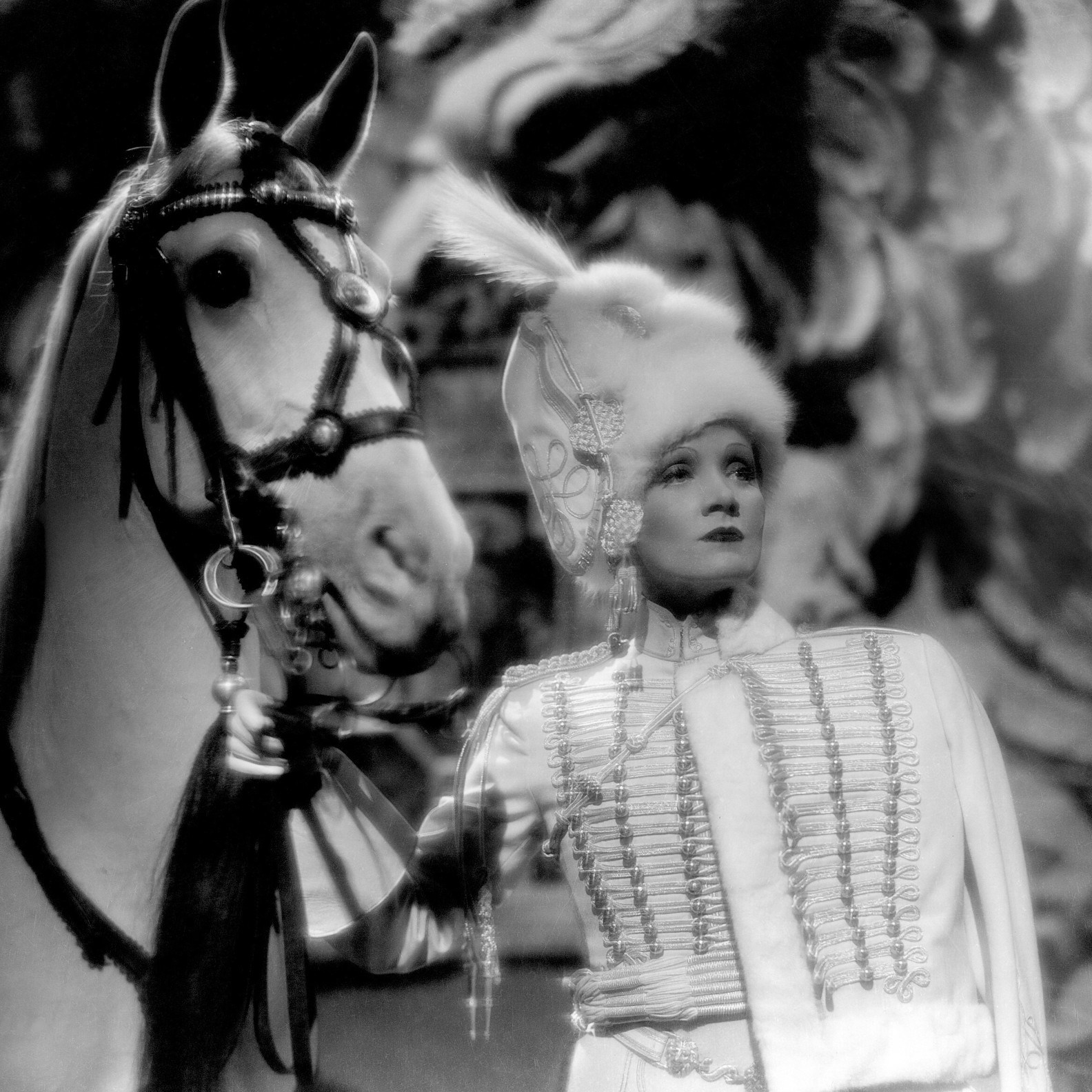
Josef von Sternberg’s Top 10 Films Ranked
1. The Scarlet Empress (1934)
Genre: Biographical, Period Drama

2. The Last Command (1928)
Genre: Period Drama, Tragedy

3. The Blue Angel (1930)
Genre: Melodrama

4. The Docks of New York (1928)
Genre: Romance, Drama

5. Dishonored (1931)
Genre: Spy, Romance, War

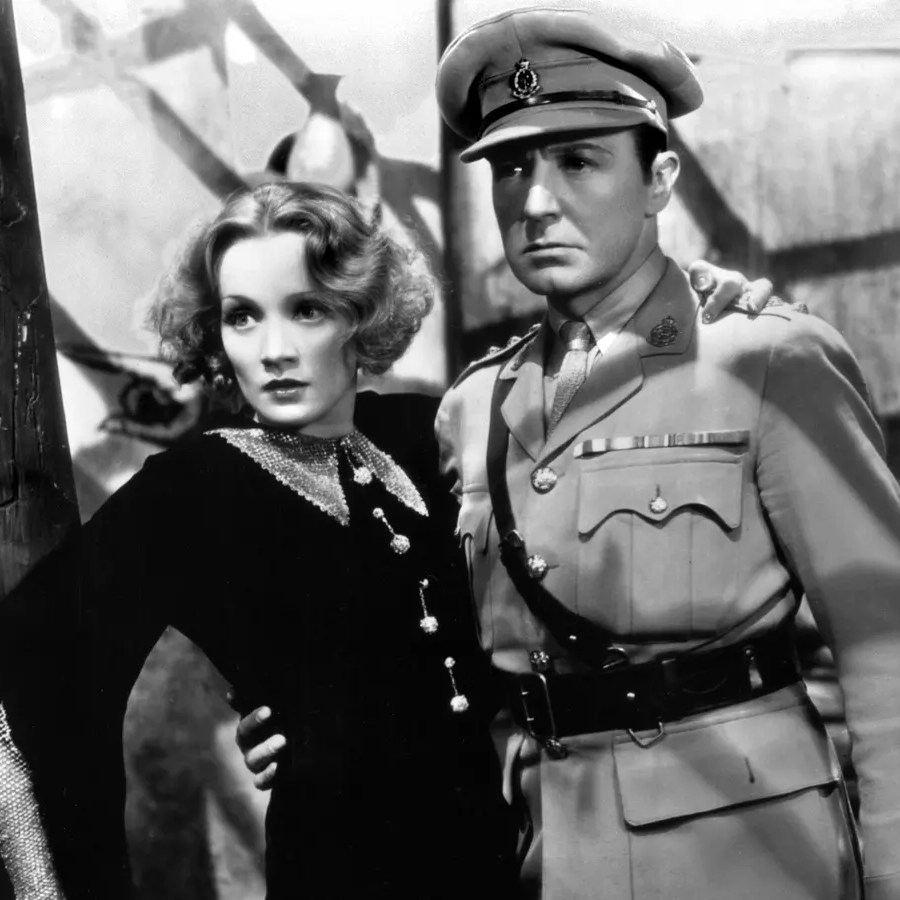
6. Shanghai Express (1932)
Genre: Romance, Drama

7. Morocco (1930)
Genre: Romance, Drama
8. Underworld (1927)
Genre: Gangster Film, Drama

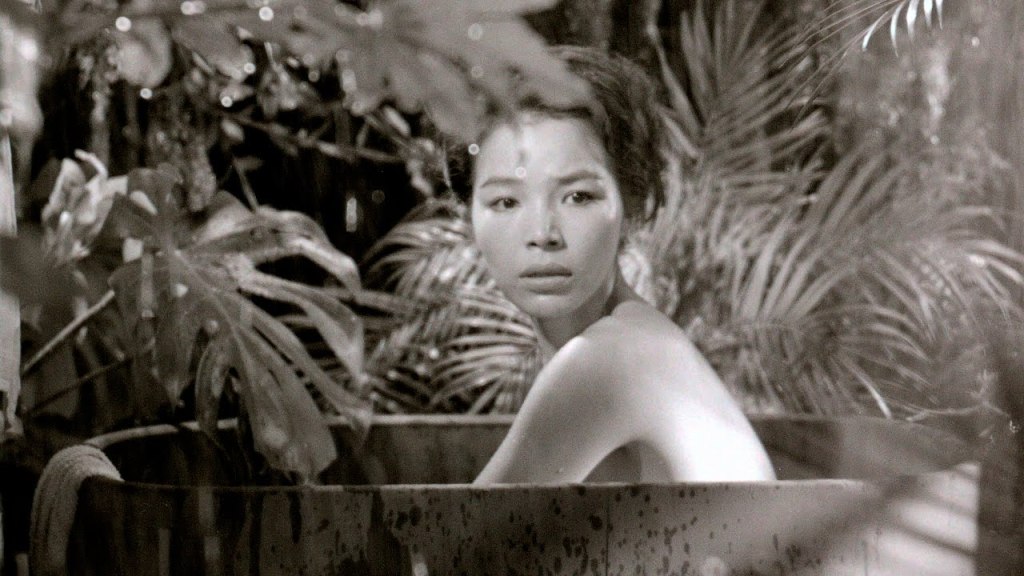
9. Anatahan (1953)
Genre: War, Drama, Survival
10. Blonde Venus (1932)
Genre: Melodrama

Josef von Sternberg: Themes and Style
Themes:
- Love and Obsession: Sternberg often delved into the intricate dynamics of love, passion, and obsession. Films like The Blue Angel highlight the depths to which infatuation can drive a person, leading them towards self-destruction.
- Exoticism: He showcased diverse cultures, often portraying them with a sense of mystery and allure. This is evident in films like Shanghai Express, where the Eastern setting plays a vital role.
- Fall from Grace: Many of his characters experience a decline, whether morally, socially, or both, as in Dishonored and Blonde Venus.
- Gender Dynamics: Sternberg often explored the complexities of gender roles, particularly the power dynamics between men and women, as seen in films like Morocco.
- Individual vs. Society: His films often portrayed characters at odds with societal expectations, offering commentary on the pressures and constraints of the society they inhabit, such as in The Scarlet Empress.
Styles:
- Expressionistic Lighting: He was known for his unique use of light and shadow, reminiscent of German Expressionism. This technique created a moody, atmospheric look in films like The Docks of New York.
- Ornate Sets: Sternberg’s films were renowned for their opulent and detailed sets, which added a touch of grandeur and helped in building the narrative atmosphere, like in The Last Command.
- Soft Focus: The director frequently employed a soft focus technique, giving his films a dreamy, ethereal quality. This is particularly evident in his collaborations with Marlene Dietrich.
- Symbolism: Sternberg often used symbolic elements to convey deeper meanings or the internal states of his characters, as seen with the clown makeup in The Blue Angel.
- Intimate Framing: He had a penchant for close-ups, especially of his leading ladies, which not only emphasised their beauty but also their emotions and vulnerabilities.
Directorial Signature:
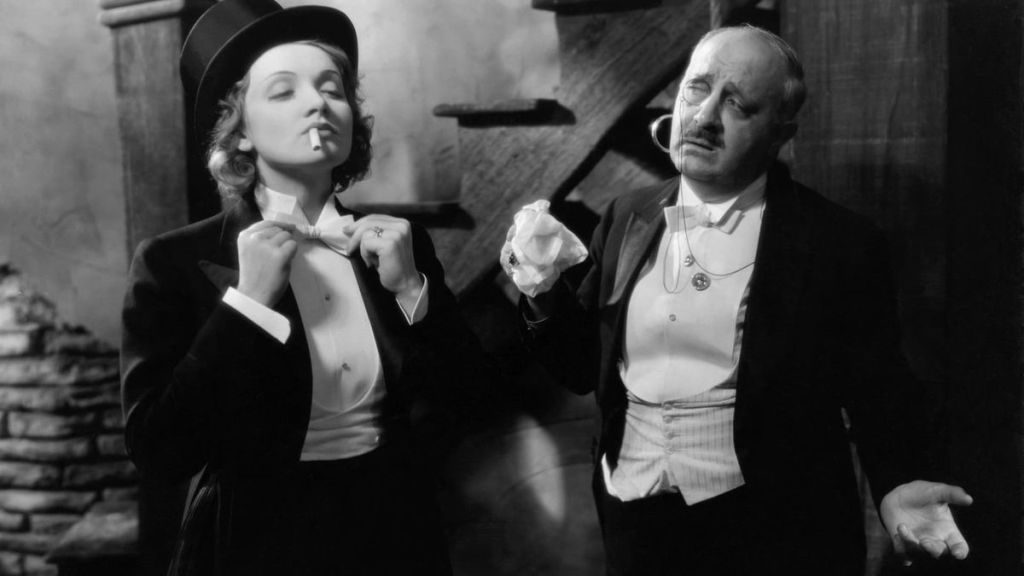
- Collaboration with Marlene Dietrich: One of the most defining aspects of Sternberg’s career was his series of films with Marlene Dietrich. Their collaborations are iconic and have a distinct visual and thematic style, starting with The Blue Angel.
- Atmosphere over Plot: Sternberg often prioritised creating a particular mood or atmosphere over linear storytelling. His films are characterised more by their feel and tone than by their narrative progression.
- Dissolution of Morality: Sternberg’s characters often operate in moral grey areas, challenging traditional values and ethics, which was a progressive approach for his time.
- Visual Elegance: His films are aesthetically rich, with every frame meticulously crafted. This attention to visual detail set him apart from many of his contemporaries.
Josef von Sternberg: The 84th Greatest Director


 Bronze Screen Dream