Ernst Lubitsch
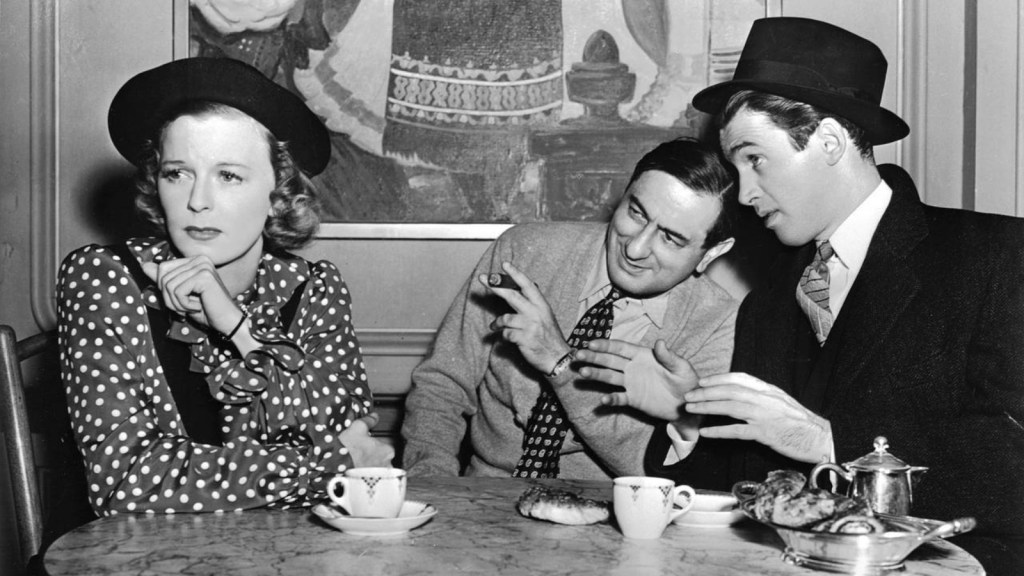
There’s a famous saying in Hollywood that when you’re stuck, ask yourself what Lubitsch would do. The fact that this became a genuine piece of industry wisdom — that Wilder literally kept a sign above his desk reading “How would Lubitsch do it?” — tells you more about his standing than any critical assessment could.
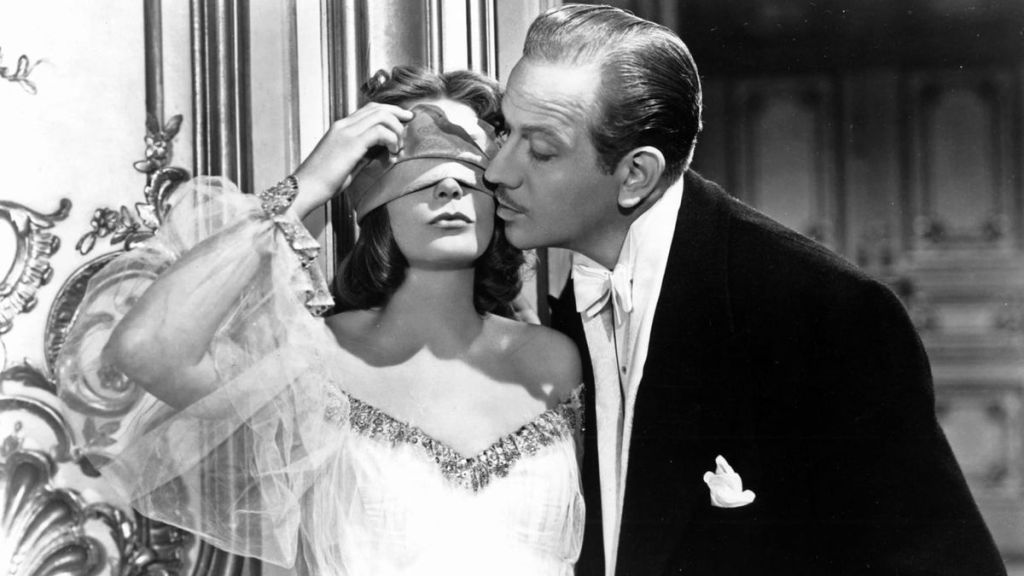
The “Lubitsch Touch” is one of those phrases that gets repeated so often it starts to lose meaning, but what it actually describes is a specific technique: the willingness to cut away at exactly the right moment and trust the audience to fill in the gap. A closed door, a knowing look, a hat left behind — Lubitsch understood that implication is always more potent than depiction, and he built an entire comic style around that principle. It drove the censors quietly mad because there was never quite anything to point to.
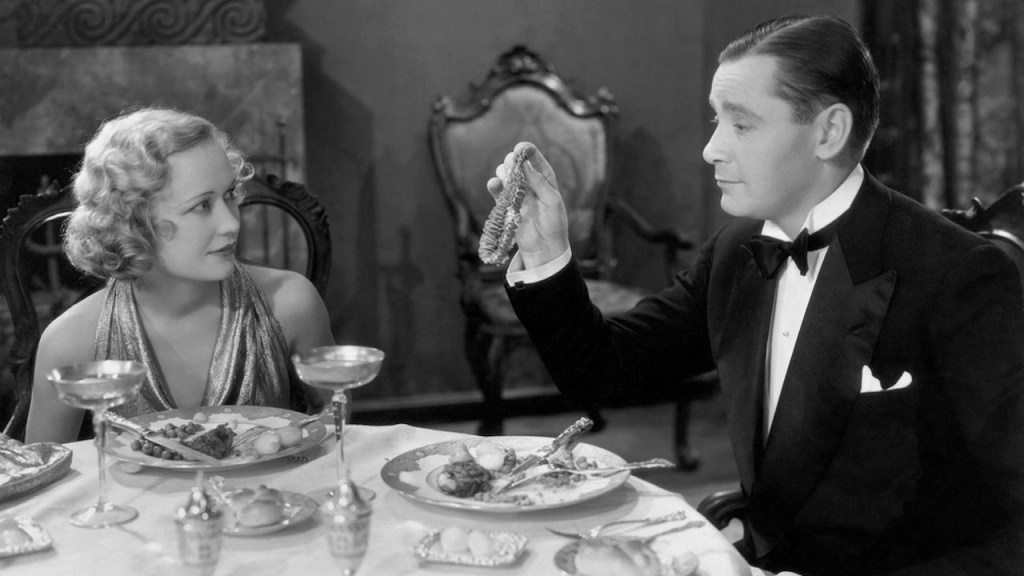
He came from Berlin, where he’d made large-scale historical spectacles before Hollywood came calling in the early twenties. The transition to American comedy could have been a mismatch but wasn’t — if anything, the European sensibility sharpened the contrast, giving his films a cosmopolitan gloss that set them apart from the more knockabout comedy of his contemporaries. Trouble in Paradise, The Shop Around the Corner, To Be or Not to Be — these are films of genuine elegance that have dated almost not at all.
Wilder was his protégé and said he never stopped learning from him. That lineage runs through a huge portion of what we think of as sophisticated Hollywood comedy.
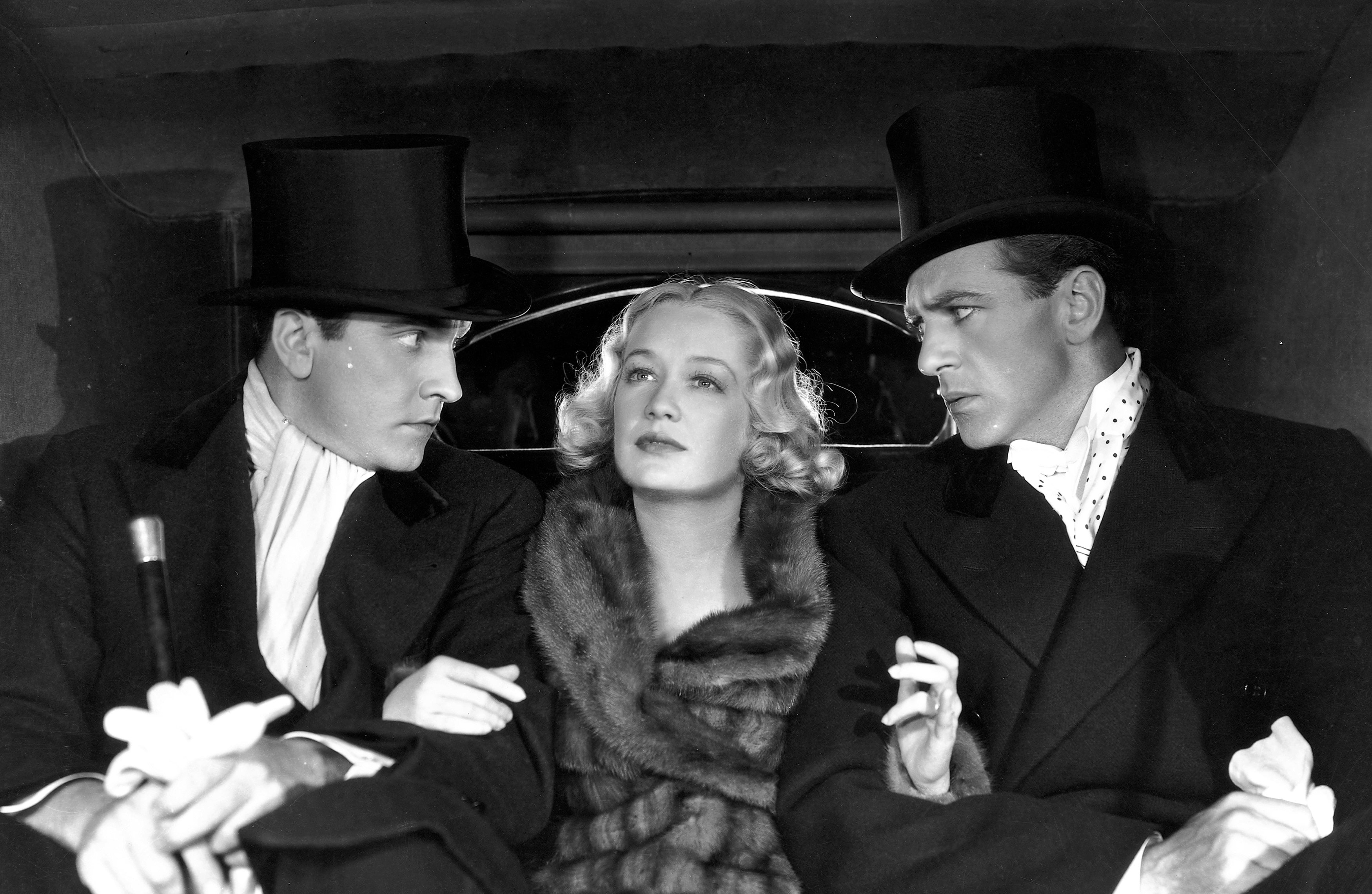

Ernst Lubitsch (1892 – 1947)
- 1918 – Carmen
- 1918 – The Eyes of the Mummy
- 1918 – I Don’t Want to Be a Man
- 1919 – Madame DuBarry
- 1919 – The Oyster Princess
- 1919 – Die Puppe
- 1920 – Anna Boleyn
- 1920 – Kohlhiesel’s Daughters
- 1920 – Sumurun
- 1921 – Die Bergkatze
- 1922 – The Loves of Pharaoh
- 1924 – Forbidden Paradise
- 1924 – The Marriage Circle
- 1924 – Three Women
- 1925 – Lady Windermere’s Fan
- 1926 – So This is Paris
- 1927 – The Student Prince in Old Heidelberg
- 1928 – The Patriot [LOST FILM]
- 1929 – Eternal Love
- 1929 – The Love Parade
- 1930 – Monte Carlo
- 1931 – The Smiling Lieutenant
- 1932 – Broken Lullaby
- 1932 – If I Had a Million
- 1932 – One Hour with You
- 1932 – Trouble in Paradise
- 1933 – Design for Living
- 1934 – The Merry Widow
- 1937 – Angel
- 1938 – Bluebeard’s Eighth Wife
- 1939 – Ninotchka
- 1940 – The Shop Around the Corner
- 1941 – That Uncertain Feeling
- 1942 – To Be or Not to Be
- 1943 – Heaven Can Wait
- 1946 – Cluny Brown
- Romantic Comedies: Many of Lubitsch’s films revolve around romantic entanglements, misunderstandings, and amorous escapades, often set against sophisticated backdrops.
- Class & Society: His films frequently depict the dynamics between different social classes, with a special emphasis on the aristocracy and bourgeoisie.
- Infidelity & Desire: The complexities of relationships, including the temptations of infidelity and the intricacies of desire, play significant roles in his narratives.
- Morality & Ethical Quandaries: Beneath the comedic surface, Lubitsch’s films often grapple with deeper moral questions, presenting characters in situations where they must choose between personal desires and societal expectations.
- Wit & Elegance: Lubitsch was renowned for his sharp wit and elegant style. His films often possess a light, breezy feel yet are meticulously crafted.
- Innovative Transitions: He employed imaginative scene transitions, using visual and auditory cues to lead from one scene to another.
- Use of Doors: Doors in Lubitsch’s films are more than just props; they often function as tools for comic timing, barriers between characters, or gateways to secret worlds.
- Subtlety & Suggestion: Rather than showing everything explicitly, Lubitsch was a master of suggestion. He often conveyed a lot with very little, leaving much to the audience’s imagination. This became famously known as the “Lubitsch Touch.”
- Innuendo & Implication: Lubitsch had a unique ability to imply sexual or controversial situations without explicitly showing them. He was a master of the unseen and the unsaid, using gestures, glances, or props to suggest what was happening off-screen.
- Double Entendre: His dialogue often had layers of meaning, with one line serving both a comedic purpose and a deeper implication.
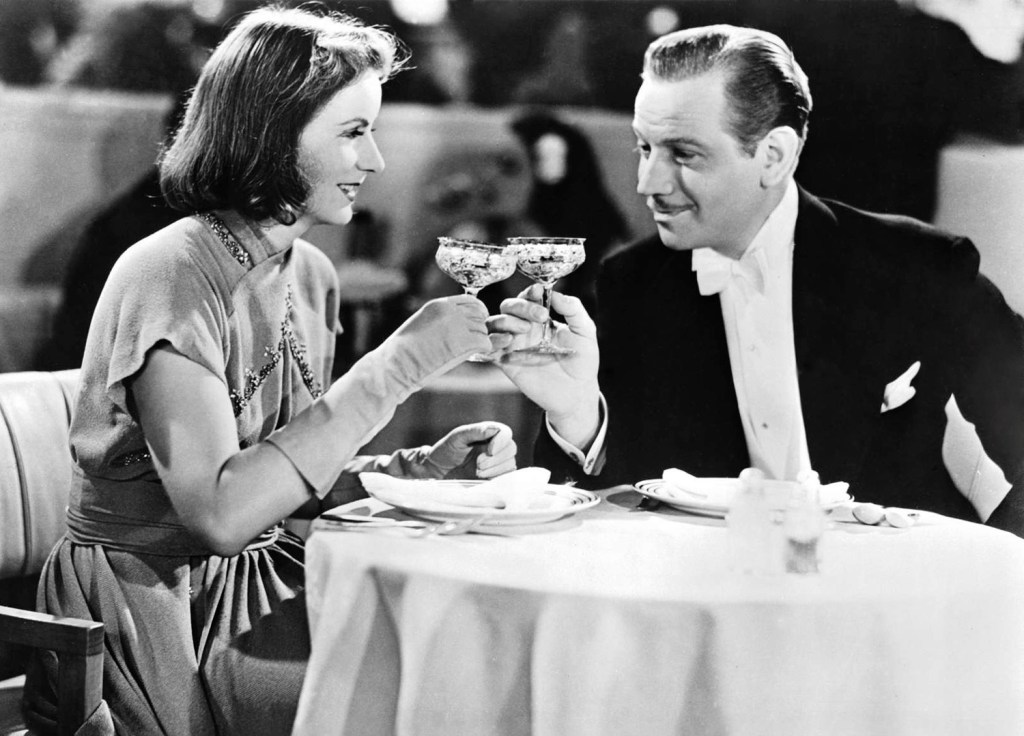
- Sophistication: His films exuded a European sophistication, characterised by posh settings, lavish costumes, and a sense of worldliness.
- Empathy for Characters: Despite their flaws and often questionable choices, Lubitsch presented his characters with deep compassion, allowing the audience to relate to, laugh with, and sometimes even root for them.
Read More About Ernst Lubitsch
Coming soon as posts added