
René Clair is one of those directors whose reputation has shifted so dramatically that it’s hard to see him clearly. If you’d asked anyone in the 1930s, he was one of the greatest filmmakers alive, comparable to Ernst Lubitsch or Charlie Chaplin. À Nous la Liberté and Le Million were landmarks, and his early experiments with sound were hugely influential. Then the New Wave arrived, decided he represented the kind of tasteful, literary French cinema they were rebelling against, and more or less wrote him off. He’s never quite recovered in critical standing, which is an overcorrection.
It’s fair to say he’s not quite Lubitsch or Chaplin’s equal but it is also fair to say that French cinema without René Clair isn’t French cinema. Look at Entr’acte in 1924. Made with Francis Picabia, scored by Erik Satie; it is a pure Dada provocation, a film that gleefully dismantles its own logic before your eyes. This experimental impulse never left him even if he did render it more commercially viable. His great early sound films, Sous les Toits de Paris, Le Million, and À Nous la Liberté, still hold up. They still feel innovative.
He spent most of WWII in Hollywood and Britain, where he turned out lesser films that still have audiences: I Married a Witch, And Then There Were None, but these are entertaining but displaced works. He returned to France and never seemed to regain his pre-war motion. But having said that, his 50s run is incredibly underrated, largely due to the severity of the Cahiers critics towards him. The Grand Manouvre, for example, might not be as purely joyful as Le Million, but it is a beautiful film that if you put Max Ophuls in the credits, Truffaut would’ve praised it to high heavens. Regardless, Clair’s place in cinema is defined by that 1930 to 1933 run, when he was arguably the best filmmaker in Europe.
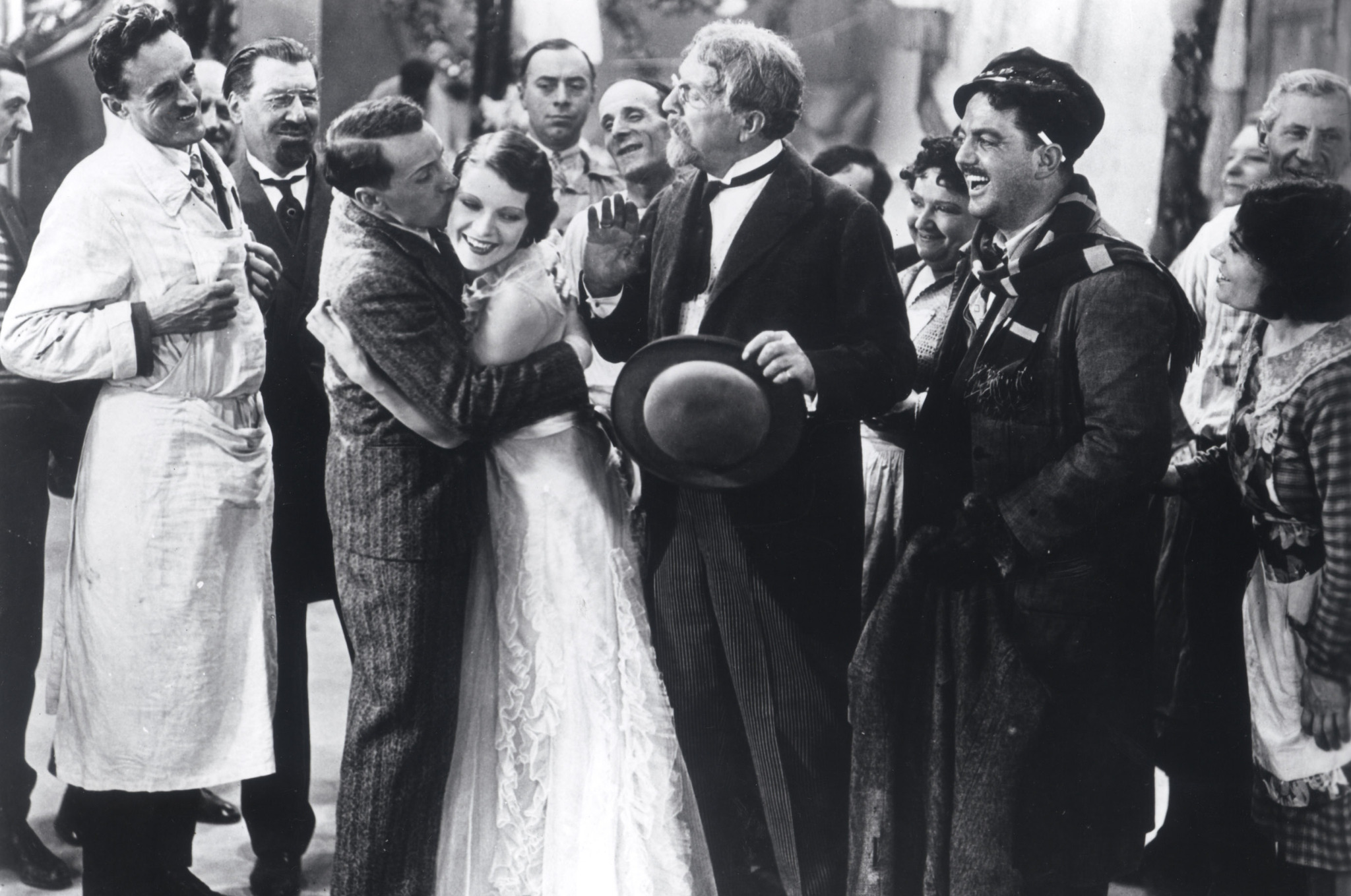
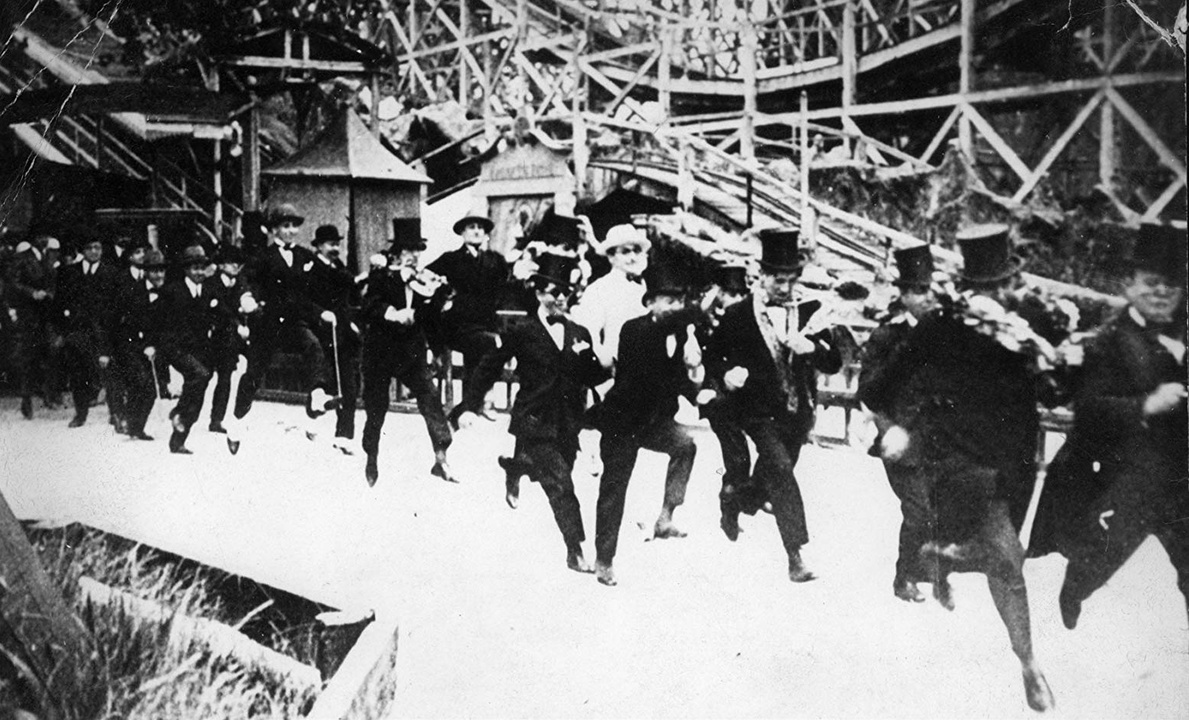
Rene Clair (1898 – 1981)
- 1924 – Entr’acte
- 1924 – Paris qui dort
- 1925 – The Phantom of the Moulin Rouge
- 1926 – Le Voyage imaginaire
- 1927 – The Italian Straw Hat
- 1928 – La Tour
- 1928 – Two Timid Souls
- 1930 – Under the Roofs of Paris
- 1931 – À nous la liberté
- 1931 – Le Million
- 1933 – Quatorze Juillet
- 1934 – The Last Billionaire
- 1935 – The Ghost Goes West
- 1941 – The Flame of New Orleans
- 1942 – I Married a Witch
- 1944 – It Happened Tomorrow
- 1945 – And Then There Were None
- 1947 – Man About Town
- 1950 – Beauty and the Devil
- 1952 – Beauties of the Night
- 1955 – The Grand Manoeuvre
- 1957 – The Gates of Paris
- Sound as Counterpoint: Clair approached sound as a creative problem. His early talkies use music and ambient sound against the image rather than in sync with it. Dialogue is sometimes deliberately sparse or replaced by song, creating a relationship between sound and image that feels composed rather than recorded. This was influential well beyond France.
- The Machine Age and Human Freedom: À Nous la Liberté is his most direct statement: industrialisation as both liberation and new imprisonment, the factory as the prison it literally rhymes with in the film’s structure. The critique is gentle rather than savage, but it’s consistent across the work: modernity promises freedom and delivers new constraints.
- Light Social Satire Without Cynicism: While French cinema of the era tended toward fatalism or darkness, Clair’s works never fall into pessimism or damnation. Instead, they always maintain a comic lightness that can almost be mistaken for superficiality but is actually a sustained tonal choice.
- The Surrealist Foundation: Entr’acte established his avant-garde credentials early and the Dada spirit never fully left the work. You can see this everywhere: the anarchic logic of The Italian Straw Hat, the fantastical elements in Les Belles de Nuit, the playful unreality that surfaces even in his most conventional entertainments. He never abandoned the idea that film could be irrational.
- Paris as Comic Stage: René Clair’s Paris isn’t the Paris of the poetic realists. It’s a backdrop for comic misunderstanding, amused observation and gentle absurdity. Maybe it is this which has kept the films so infinitely rewatchable.
Biography
Coming soon

