
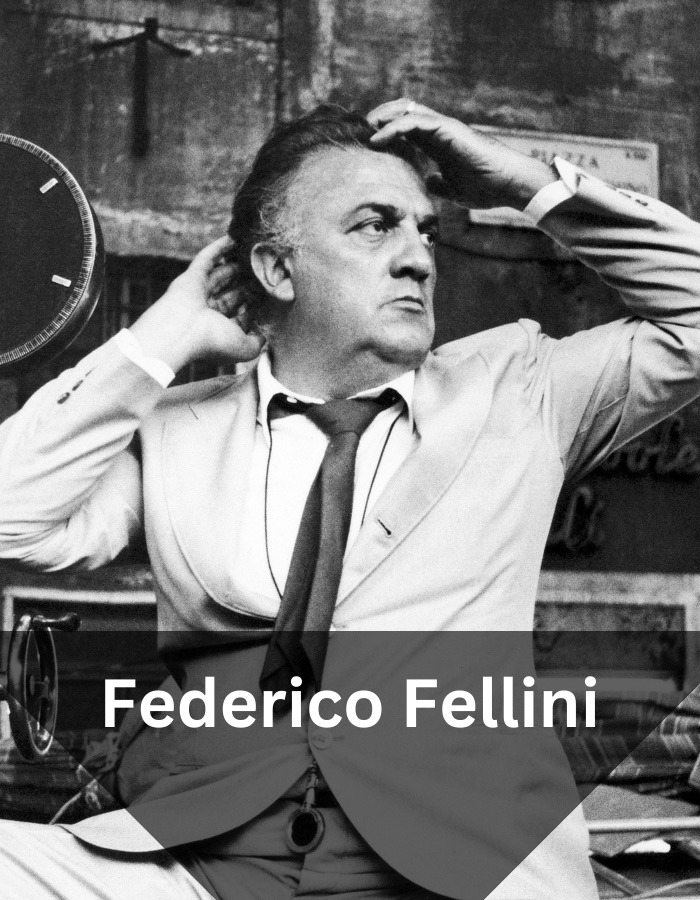
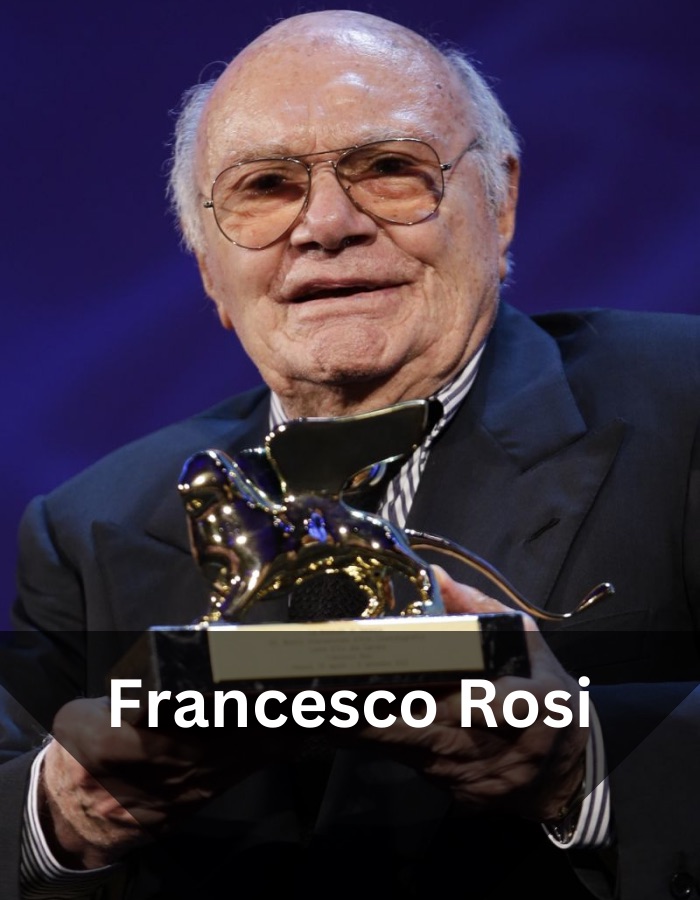
Below are some of the best Italian directors ever. Click on their pictures to discover more about them.




A Brief History of Italian Neorealism
Italian Neorealism, a film movement that emerged in Italy during the 1940s, marked a significant shift in the world of cinema. This movement was born out of the necessity to represent the harsh economic and moral conditions of post-World War II Italy, and it was a stark contrast to the glossy, escapist films produced during the Fascist era. Neorealist films were characterised by their use of non-professional actors, real locations instead of studio sets, and a focus on the lives of the working class and the poor. The movement reflected the desperation and despair of the Italian people at the time, as well as their resilience and hope for a better future.
One of the earliest and most influential directors of Italian Neorealism was Vittorio De Sica. His 1948 film “Bicycle Thieves” is often cited as one of the greatest examples of the movement. The story of a poor father searching for his stolen bicycle in post-war Rome, with the help of his young son, struck a chord with audiences worldwide. It exemplified the Neorealist style with its on-location shooting, use of non-professional actors, and a focus on the struggles of ordinary people. De Sica’s other notable works include “Shoeshine” and “Umberto D.”, both of which further explored the themes of poverty, desperation, and human dignity.
Another key figure in this movement was Roberto Rossellini, whose film “Rome, Open City” is regarded as a landmark in Neorealism. Shot in the streets of Rome just after the Nazi occupation, the film combines elements of documentary and melodrama to depict the resistance movement in Italy. Rossellini’s approach was revolutionary for its time, blending real-life events with fiction and using a mix of professional and non-professional actors. His later works, including “Paisan” and “Germany Year Zero”, continued to explore the themes of war, suffering, and moral dilemmas faced by ordinary people.
Luchino Visconti, another prominent director of the movement, brought a different perspective to Neorealism. His background in theatre and opera influenced his approach, often adding a sense of grandeur and historical context to his films. Visconti’s 1943 film “Ossessione” is considered one of the precursors of Italian Neorealism, and his 1948 film “La Terra Trema” was an epic portrayal of the struggles of Sicilian fishermen. Unlike his contemporaries, Visconti employed a more structured narrative and dramatic elements, which later influenced his transition to more stylised films.
The legacy of Italian Neorealism extends far beyond its years of prominence in the 1940s and early 1950s. It influenced filmmakers around the world and laid the groundwork for many modern cinematic movements, including the French New Wave and the Indian Parallel Cinema. While the movement eventually gave way to different styles and narratives in Italian cinema, its impact on film realism and its commitment to social issues remain influential. Directors like Federico Fellini and Michelangelo Antonioni, who started their careers during this period, would later evolve and contribute significantly to world cinema, blending Neorealist elements with their unique visions.
 Bronze Screen Dream