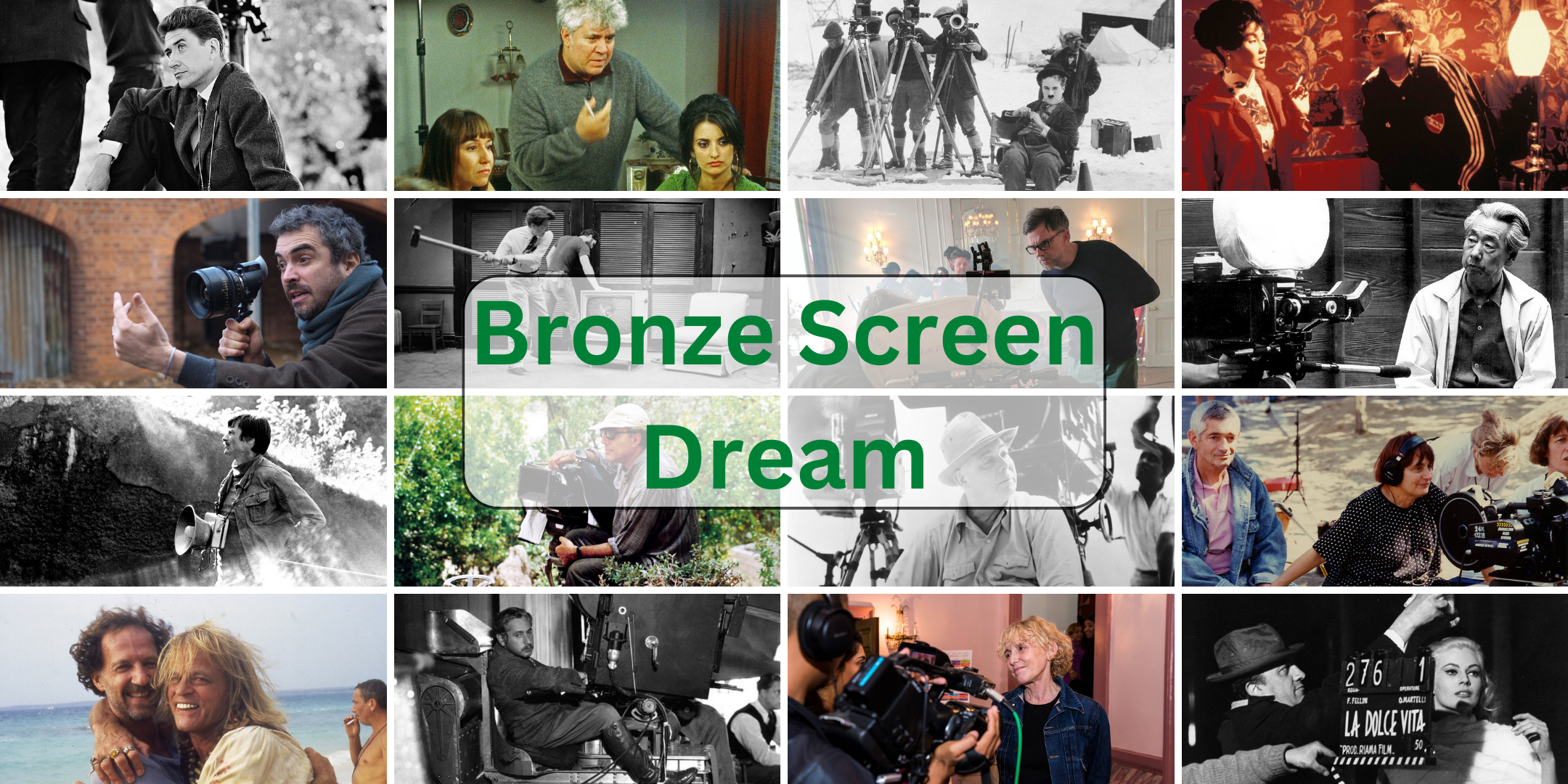
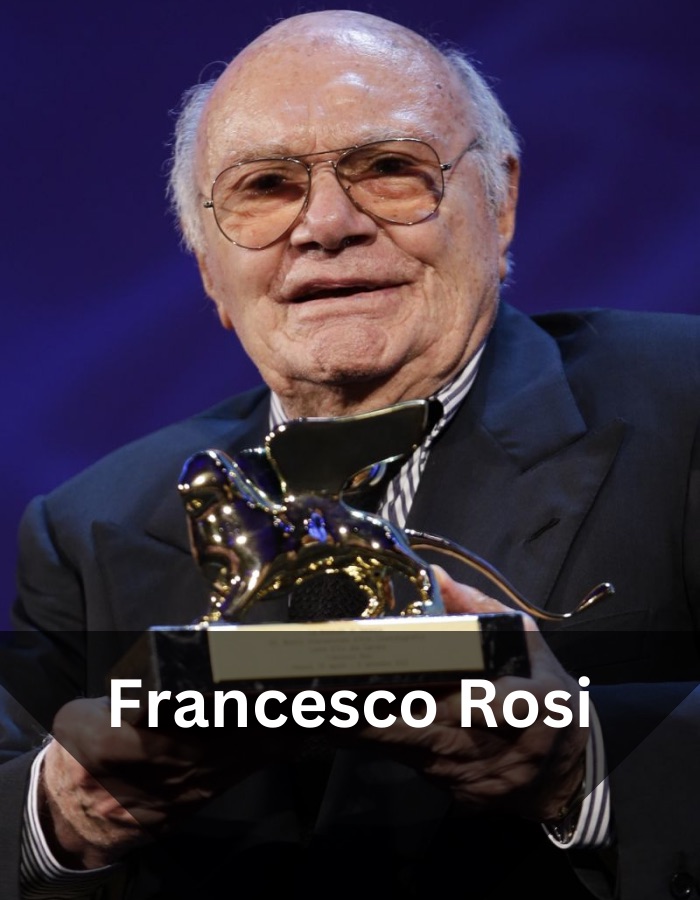
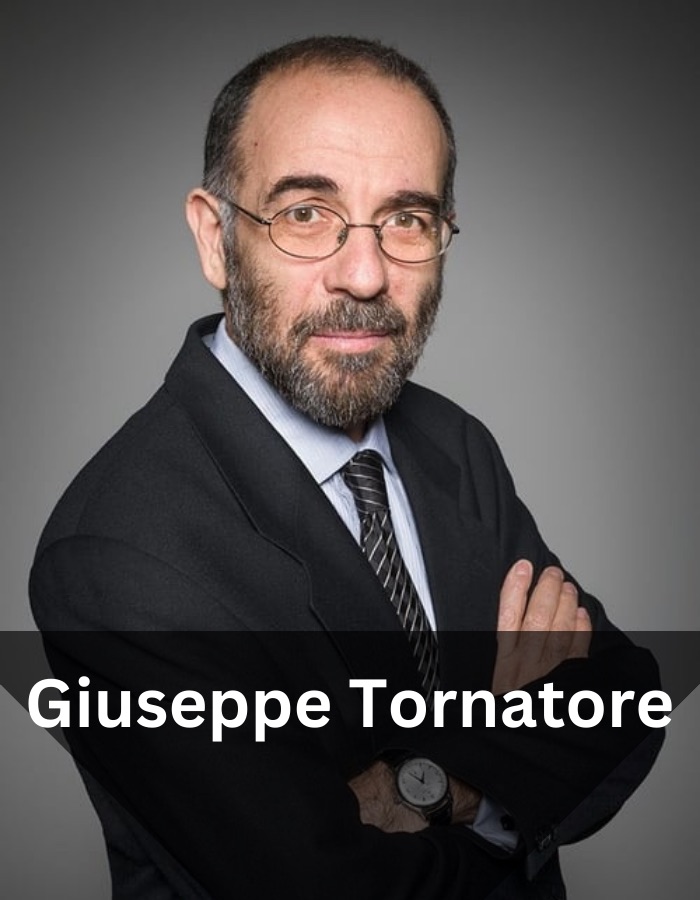
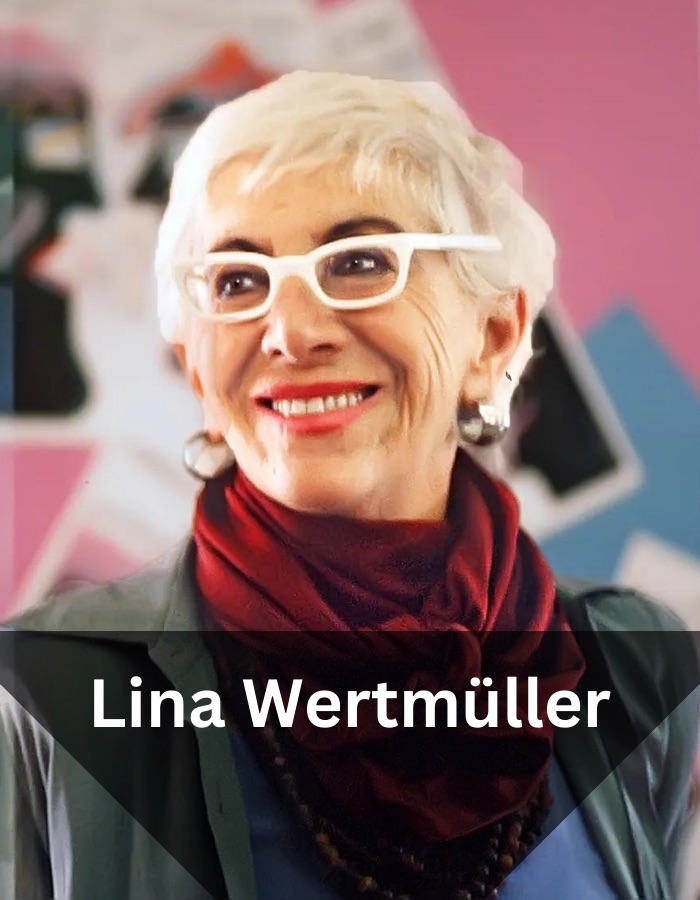
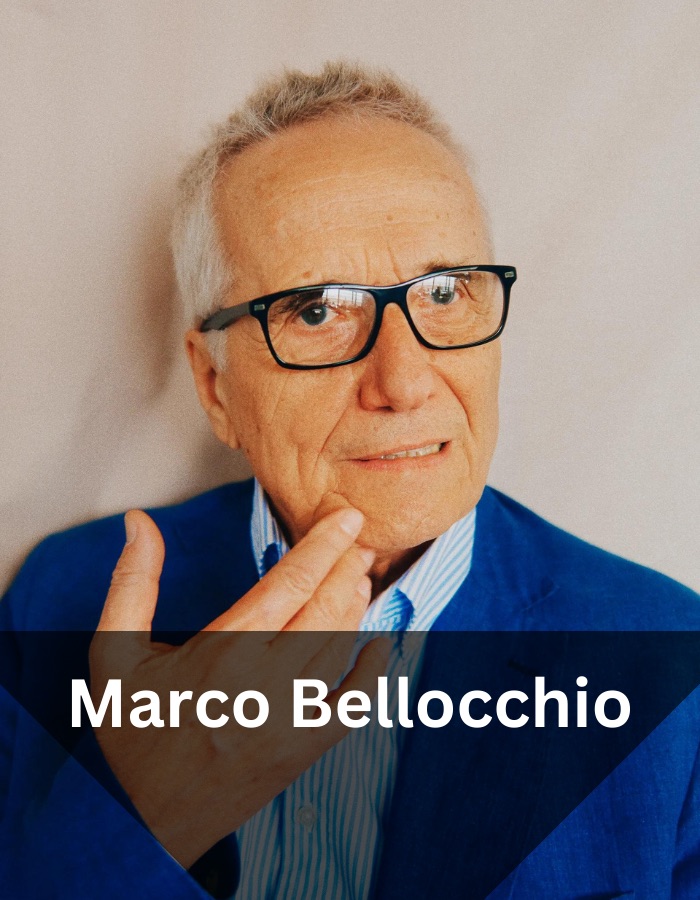
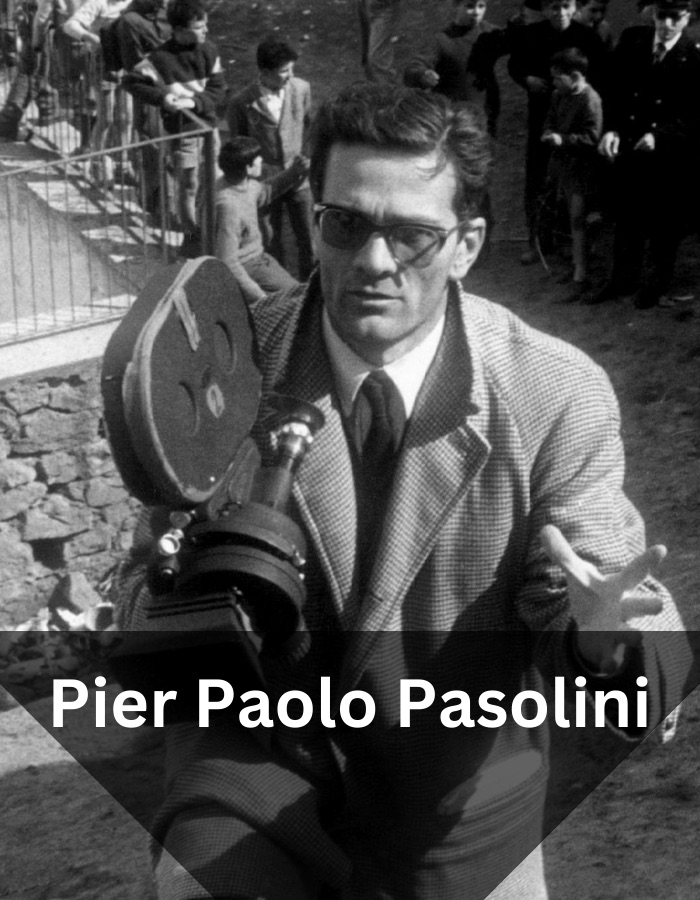
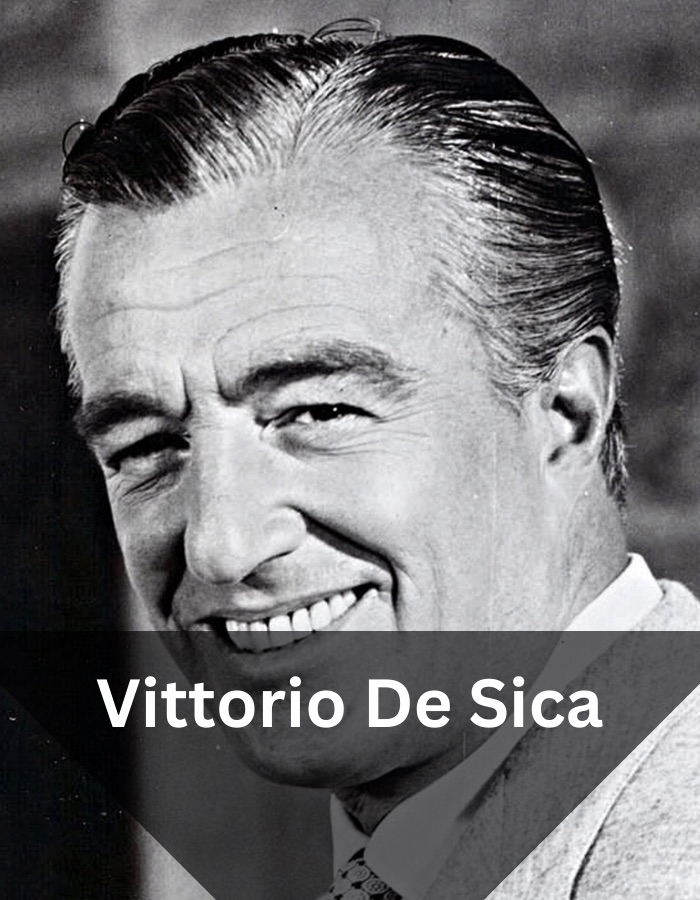
Below are some of the best Italian directors ever. Click on their pictures to discover more about them.







A Brief History of Italian Auteurs
The first Italian auteurs arrived with the neorealism of the 1940s and 1950s, a response to the devastation of the war and the desire for a more honest and realistic portrayal of life. Directors like Vittorio De Sica and Roberto Rossellini pioneered this approach. De Sica’s “Bicycle Thieves” and Rossellini’s “Rome, Open City” are seminal works of this era, highlighting the struggles of ordinary people in a war-torn country. Their films were marked by on-location shooting, non-professional actors, and stories that spoke to the human condition, setting the stage for the auteurs that would follow.
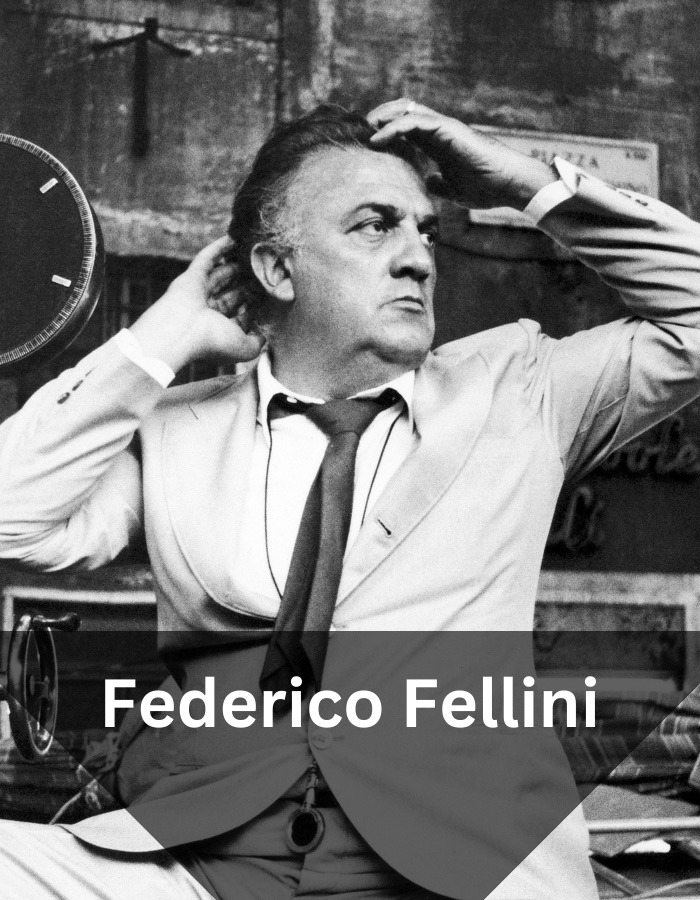
The 1960s and 1970s saw the rise of directors like Federico Fellini and Michelangelo Antonioni, who moved beyond the confines of neorealism into the more personal and stylistically daring territory. Fellini’s “8 ½” and Antonioni’s “Blow-Up” exemplify their groundbreaking approach. Fellini’s films often explored themes of memory, dreams, and the fantastical, characterised by a whimsical yet poignant style. Antonioni, on the other hand, was known for his contemplative narratives and meticulous visual composition, exploring themes of alienation and modernity.
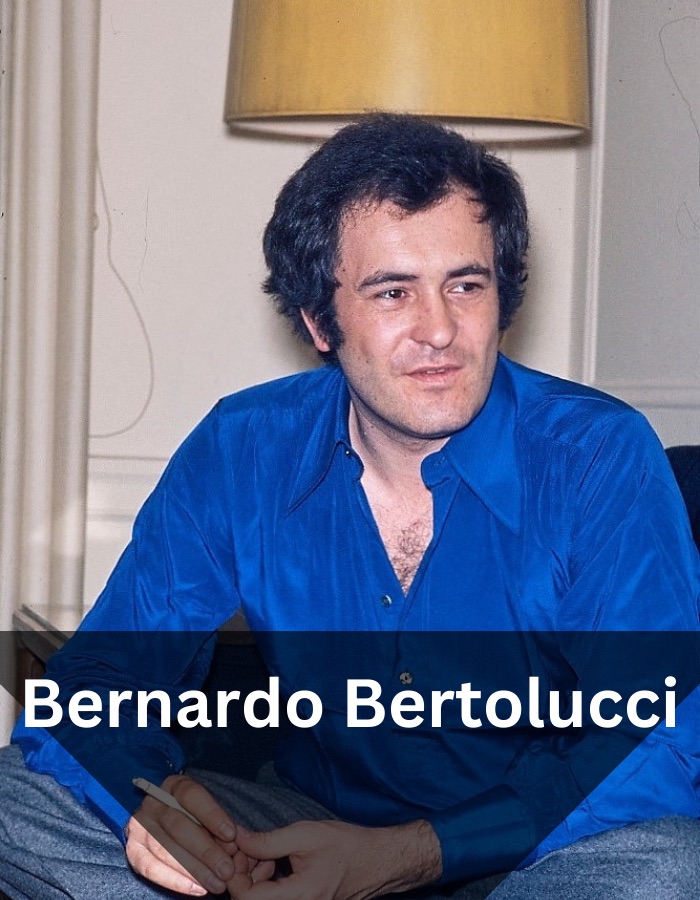
The 1980s and 1990s witnessed the emergence of new voices who continued the tradition of Italian auteur cinema while responding to contemporary realities. Directors like Giuseppe Tornatore and Bernardo Bertolucci became prominent during this period. Tornatore’s “Cinema Paradiso” is a nostalgic ode to the magic of cinema, reflecting on the changes in Italian society and the medium itself. Bertolucci, with films like “The Last Emperor”, showcased a more global perspective, blending Italian sensibilities with international narratives.
The legacy of Italian auteurs extends to the present day, influencing a new generation of filmmakers both in Italy and abroad. Contemporary directors like Paolo Sorrentino and Matteo Garrone carry the torch of this rich tradition, blending the personal with the political, the real with the surreal.
 Bronze Screen Dream