

Henri-Georges Clouzot, a leading figure in French cinema, is best known for his masterful thrillers, which often combined elements of suspense, psychological insight, and social critique. His most notable films include Les Diaboliques and The Wages of Fear, both renowned for their nail-biting tension and dramatic turns.
Starting his career as a screenwriter in the 1930s, Clouzot transitioned to directing during the tumultuous years of World War II. His early work already hinted at the themes central to his oeuvre: an exploration of human nature under extreme conditions and a critical view of society’s institutions and norms. His films often feature characters driven to the brink, either by circumstance or their own flaws, as seen in Quai des Orfèvres, which investigates the darker side of ambition and jealousy.
The French Hitchcock
Clouzot’s approach to filmmaking was marked by a keen sense of suspense-building and a distinct visual style. He had an exceptional knack for crafting scenes that kept viewers on the edge of their seats, accomplished through precise editing, smart use of sound, and evocative cinematography. His films also displayed meticulous attention to detail, a testament to his belief in the importance of pre-production planning.
His visual style, often characterised by the effective use of light and shadow, adds to the tension and dread that permeates his films. A noirish aesthetic is evident in Le Corbeau, while the gritty realism of The Wages of Fear adds a sense of immediacy and danger to the narrative. The cinematography in Les Diaboliques, with its stark contrasts and dramatic angles, further enhances the film’s chilling tale of deceit and murder.
Henri-Georges Clouzot’s impact on global cinema has been immense, with directors like Alfred Hitchcock, Stanley Kubrick, and Martin Scorsese citing him as an influence. His ability to create tension-filled narratives that provided incisive social commentary set a precedent for future filmmakers. His work has also been reassessed and celebrated by modern audiences, who appreciate his films’ timeless suspense and exploration of human psychology under duress. He is rightly recognised as one of the masters of suspense and psychological thrillers.
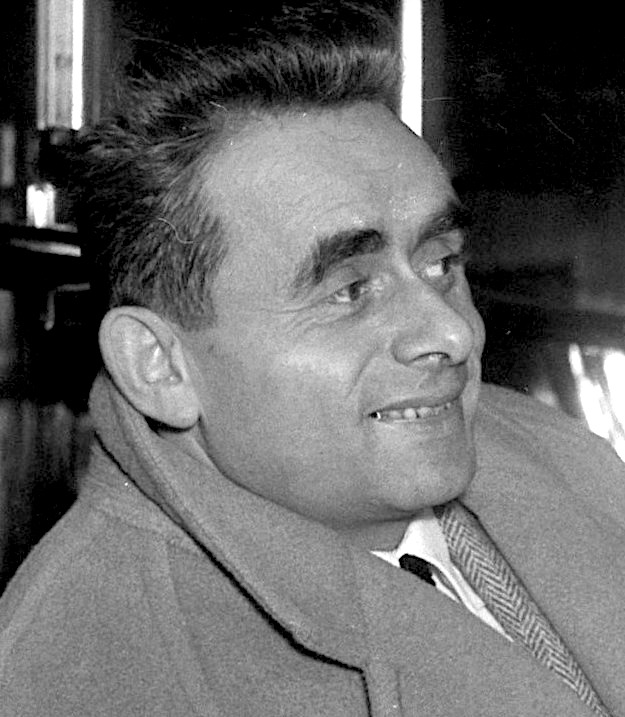
Henri-Georges Clouzot (1907 – 1977)
Calculated Films:
- The Murderer Lives at Number 21 (1942)
- Le Corbeau (1943)
- Quai des Orfevres (1947)
- The Wages of Fear (1953)
- Les Diaboliques (1955)
- The Mystery of Picasso (1956)
Similar Filmmakers


Henri-Georges Clouzot’s Top 10 Films Ranked
1. The Wages of Fear (1953)
Genre: Adventure, Thriller, Drama

2. Diabolique (1955)
Genre: Mystery, Psychological Thriller, Crime

3. Le Corbeau (1943)
Genre: Mystery, Drama

4. Quai des Orfevres (1947)
Genre: Polar, Police Procedural, Drama
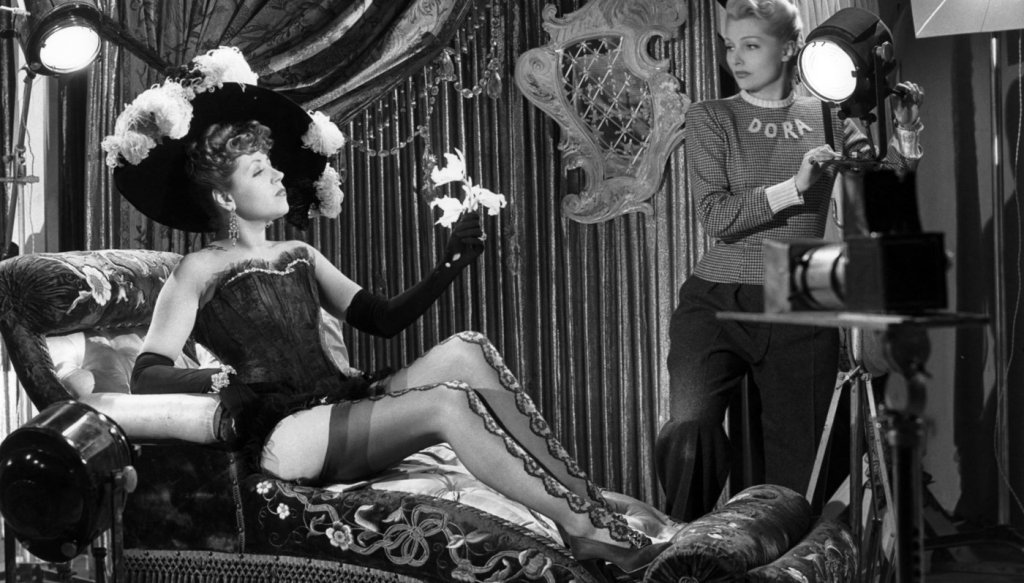
5. The Mystery of Picasso (1956)
Genre: Art Documentary

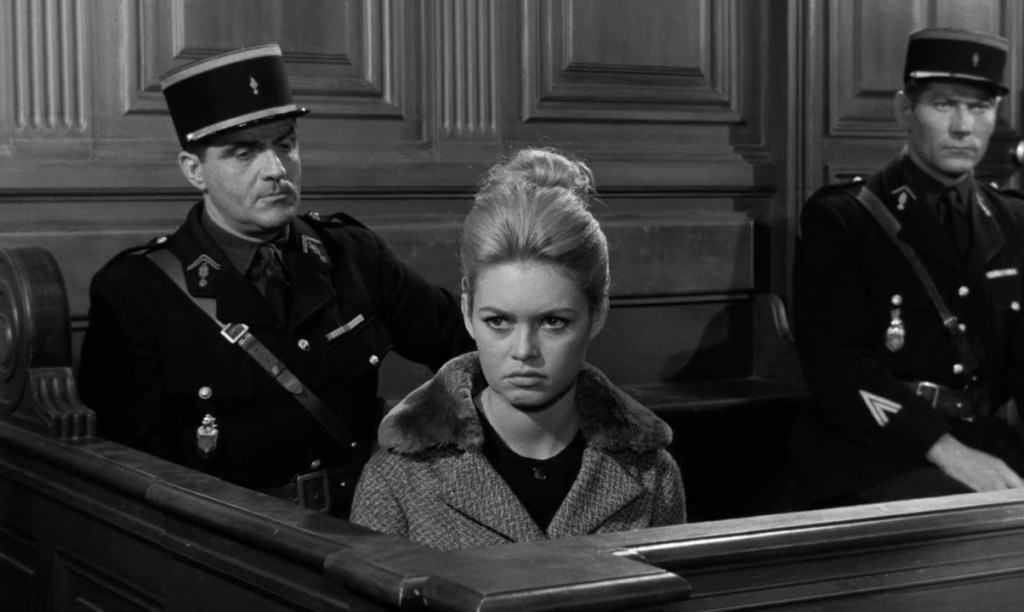
6. La Verite (1960)
Genre: Legal Drama, Romance, Melodrama
7. Woman in Chains (1968)
Genre: Psychological Drama, Romance
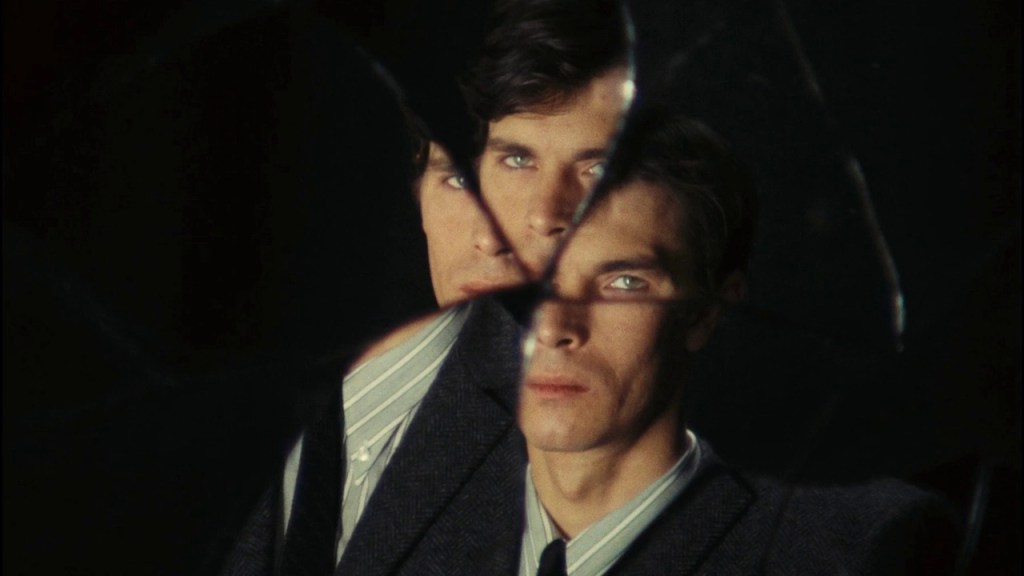
8. The Murderer Lives at Number 21 (1942)
Genre: Mystery, Thriller
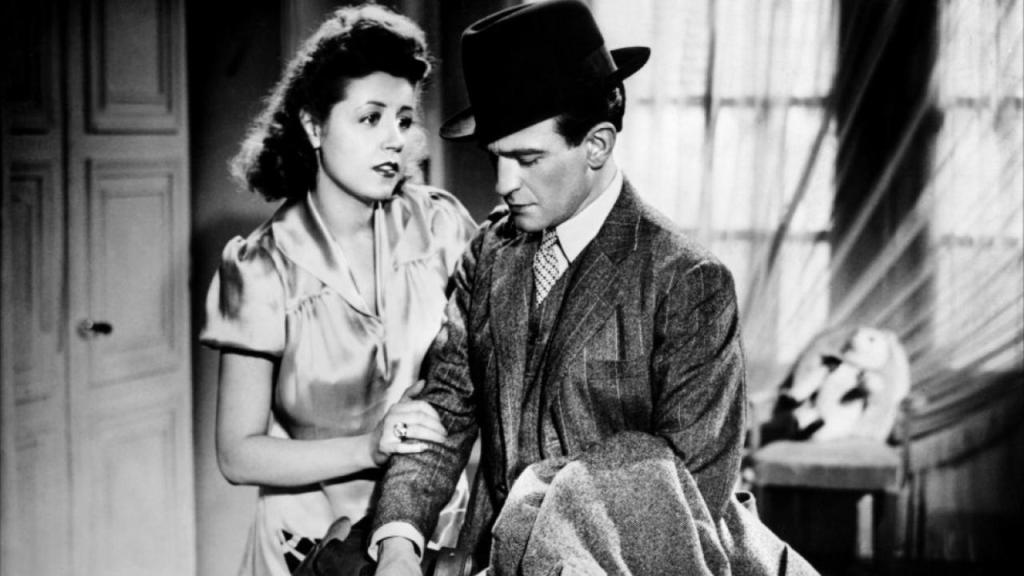
9. Manon (1949)
Genre: Drama, Crime, War, Romance

10. The Spies (1957)
Genre: Spy, Thriller

Henri-Georges Clouzot: Themes and Style
Themes:
- Human Darkness and Perversity: Clouzot often delved deep into the human psyche, unravelling its darker aspects. His characters frequently grapple with their inner demons, displaying traits like jealousy, greed, and paranoia.
- Crime and Punishment: Many of his films revolve around crimes, their motivations, consequences, and the inevitable fallout. The idea that every action, especially a malevolent one, comes with repercussions is central to his narratives.
- The Fallibility of Truth: Clouzot played with the subjective nature of truth, showing that what appears to be real or true can often be deceptive. This is evident in the shifting narratives and perspectives of films like Les Diaboliques.
- Tension in Relationships: He often depicted strained relationships, especially marital ones, underlined by distrust, infidelity, and psychological games.
Styles:
- Master of Suspense: Dubbed the “French Hitchcock,” Clouzot was adept at creating nail-biting tension and suspense, using tight editing, atmospheric settings, and sound effects to keep audiences on edge.
- Visual Mastery: Clouzot’s films are marked by striking compositions, shadow play, and innovative camera techniques that heighten the mood and narrative.
- Complex Narratives: His plots are intricately woven, often with unexpected twists and turns that challenge viewers’ perceptions and expectations.
- Atmospheric Sound Design: Clouzot understood the power of sound. Whether it’s the haunting silence in Les Diaboliques or the rumbling trucks in The Wages of Fear, his soundscapes amplify the tension.
Directorial Signature:
- Character Depth: Clouzot’s characters are multi-dimensional, often flawed and deeply human. He excels at showcasing their vulnerabilities, desires, and fears.
- Psychological Realism: Instead of relying solely on external circumstances, he delves deep into his characters’ psychological landscapes, making the internal conflicts as gripping as the external ones.
- Morally Ambiguous Protagonists: His heroes are often morally grey, making them more relatable and complex. This blurring of lines between good and evil makes his films more unsettling and compelling.
- Exploration of Locations: Whether it’s the grimy streets of Paris or the oppressive South American landscapes in The Wages of Fear, Clouzot uses locations not just as backdrops but as characters in their own right, adding to the film’s atmosphere.
Henri-Georges Clouzot: The 118th Greatest Director


 Bronze Screen Dream