
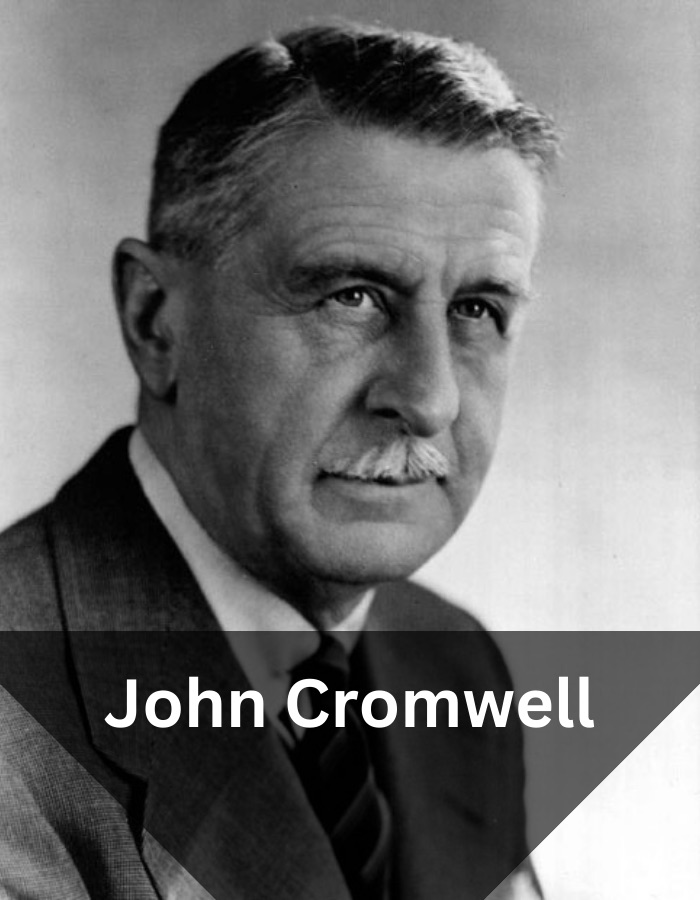
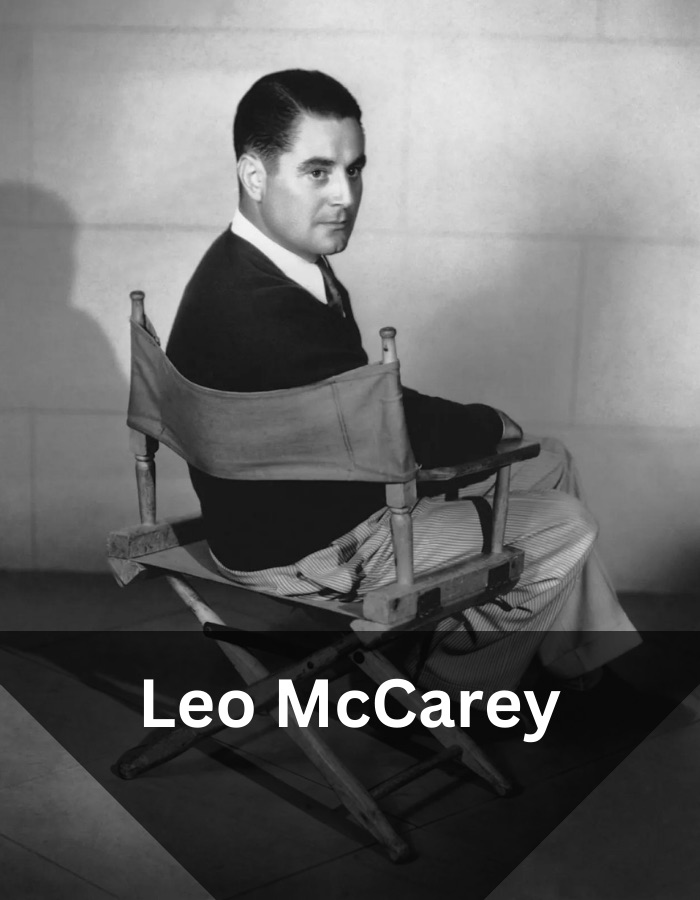
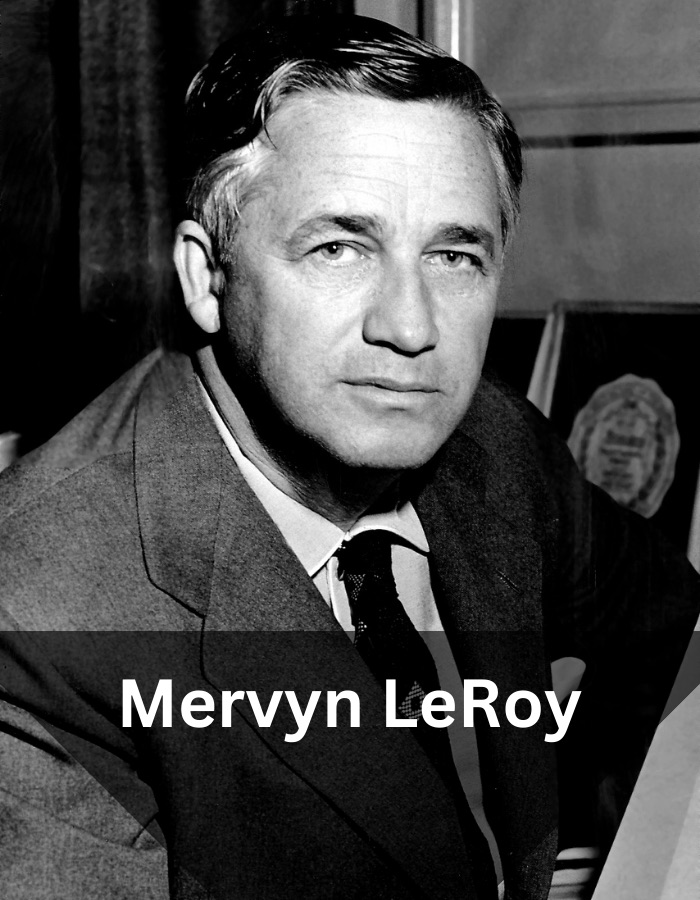
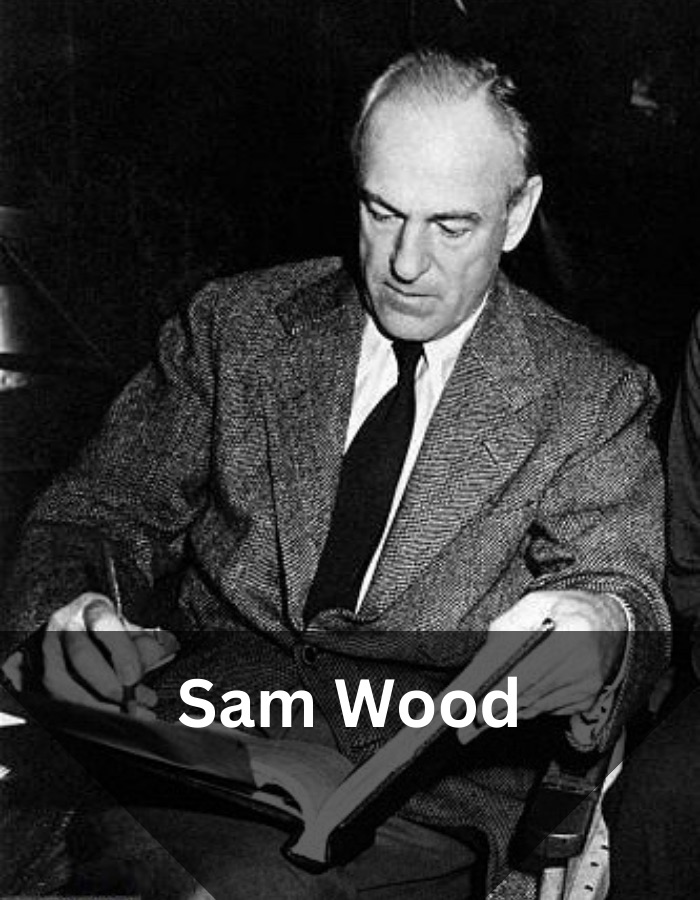
Below are some of the best American directors ever. Click on their pictures to discover more about them. This grouping covers the directors whose best period stretched from the late 1920s to the mid 40s.





















A Brief History of the Hollywood Studio System
The Hollywood Studio System, a defining chapter in the history of American cinema, began in the 1920s and reached its peak in the 1930s and 1940s. This era was marked by the dominance of five major studios: MGM, Warner Bros., RKO, Paramount, and 20th Century Fox. These studios controlled not only the production but also the distribution and exhibition of films. This vertical integration gave them immense power over Hollywood, essentially shaping the American film industry.
During this time, the Studio System was characterised by its rigorous and standardised production methods. Studios operated under a factory-like system, churning out films efficiently and consistently. They employed a vast array of staff, including actors, directors, writers, and technicians, all under exclusive contracts. This system enabled the studios to manage every aspect of the filmmaking process, from script development to post-production, ensuring a steady stream of movies to fill their theatres.
The era saw the rise of the “star system,” where studios invested heavily in promoting certain actors and actresses, elevating them to the status of cultural icons. This was a strategic move to attract audiences and guarantee box office success. The studios also established specific genres and styles, with each studio having its own distinctive brand. MGM was known for its lavish musicals, Warner Bros. for its gritty gangster films, and RKO for its innovative special effects.
Amidst this system, several directors managed to leave an indelible mark on Hollywood. Notable among them was Alfred Hitchcock, known as the “Master of Suspense,” whose films like “Rear Window” and “Psycho” broke new ground in the thriller genre. John Ford, renowned for his Westerns, profoundly influenced the genre with classics like “The Searchers.” Other influential directors of the time included Orson Welles, whose masterpiece “Citizen Kane” is often hailed as one of the greatest films ever made, and Billy Wilder, known for his sharp wit and masterful storytelling in films like “Sunset Boulevard.”
The end of the Studio System began in the late 1940s, largely due to a series of antitrust cases, notably the United States v. Paramount Pictures, Inc., which forced the separation of production and exhibition practices. This, coupled with the rise of television and changing audience tastes, led to a decline in the studios’ power and the eventual collapse of the system.
 Bronze Screen Dream