John Ford

John Ford won four Academy Awards for Best Director, a record that still stands, and the films he won them for aren’t even necessarily his best work. That’s the measure of the man — the official version of Ford, the respectable Hollywood craftsman, is already extraordinary, and then there’s The Searchers underneath it, one of the most troubling and complex films ever made about America, hiding inside what looks like a western adventure.
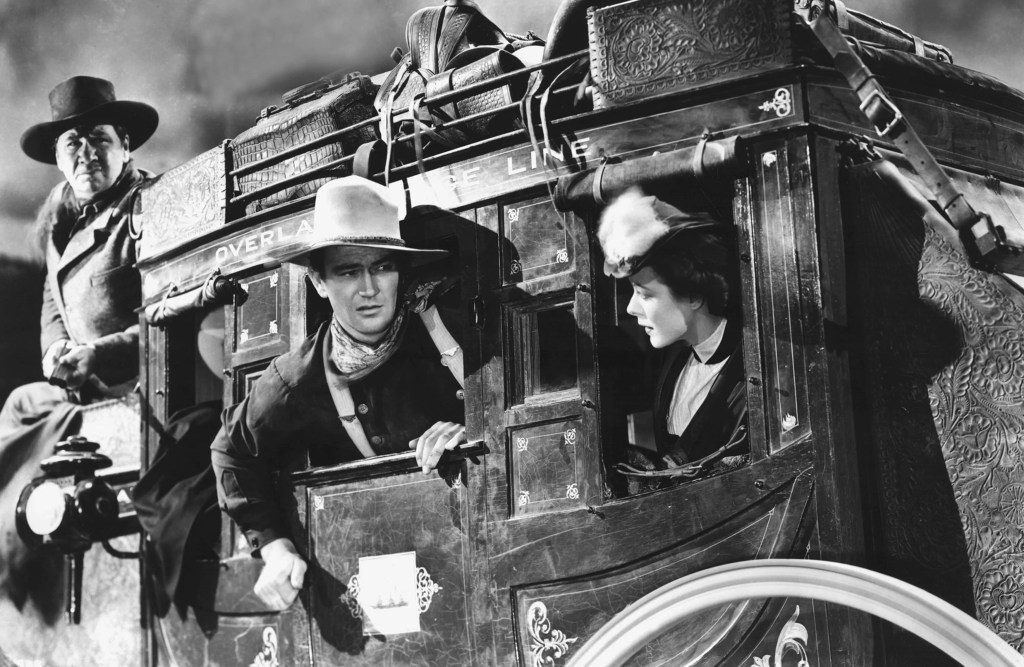
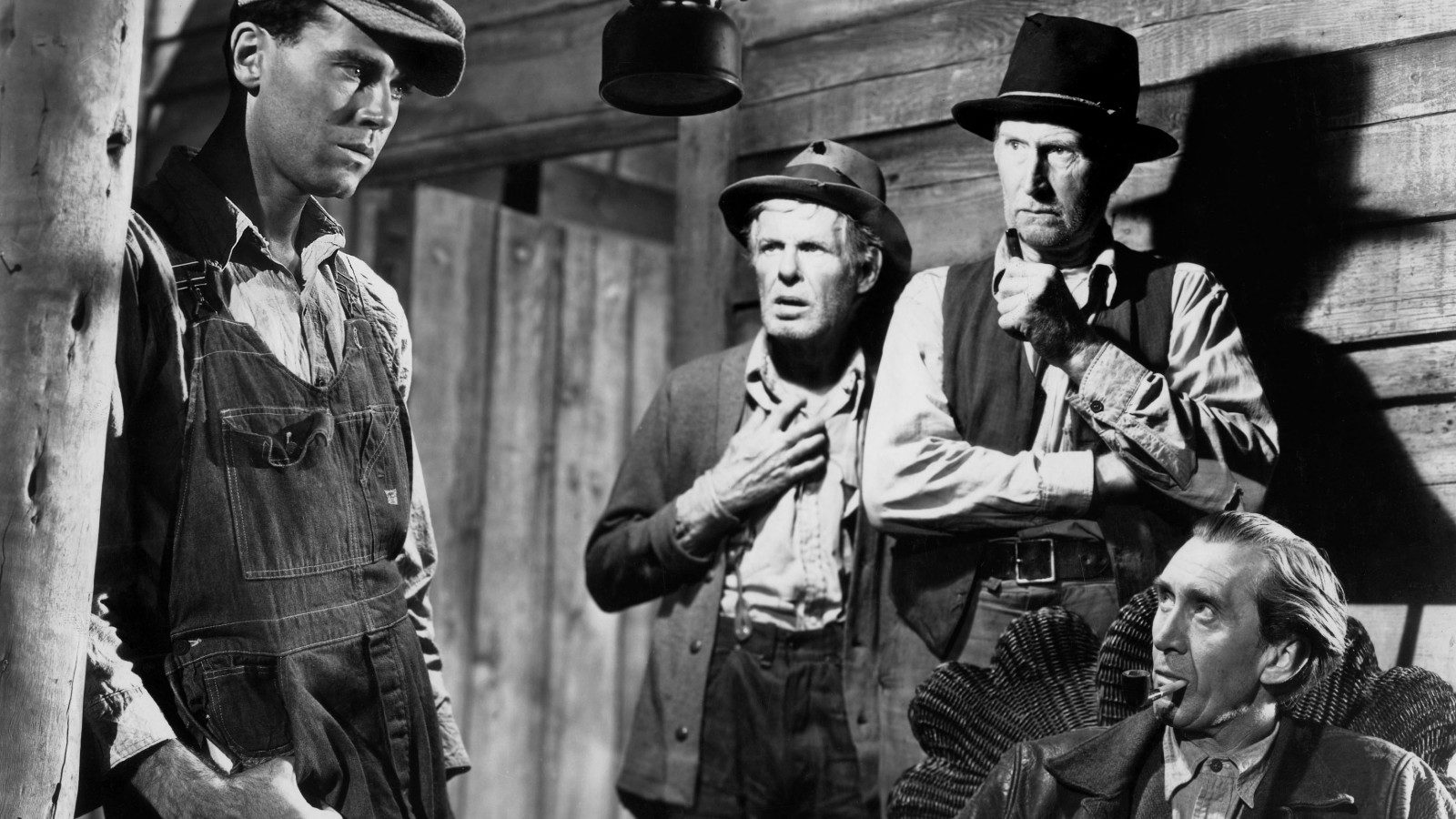
He came from the silents, learned his trade under his brother Francis, and by the 1930s was already the most authoritative director in Hollywood. The Informer, The Grapes of Wrath, How Green Was My Valley — serious, socially engaged films that earned the awards. But the westerns are where the deeper Ford lives. Monument Valley became his recurring canvas not just for its grandeur but because the landscape itself — vast, indifferent, beautiful — said something about the smallness of human drama played out against it.
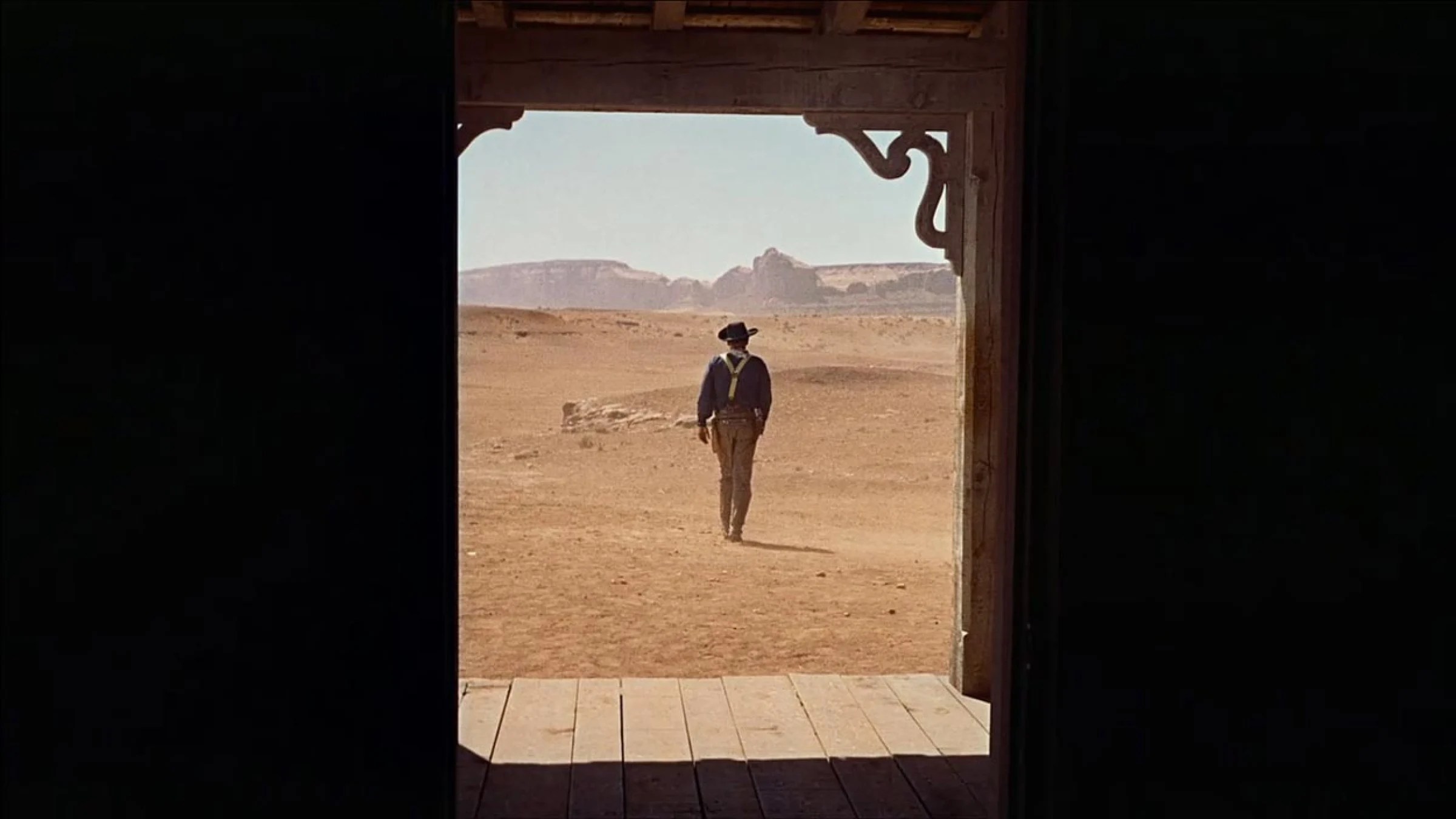
The cavalry trilogy of the late 40s — Fort Apache, She Wore a Yellow Ribbon, Rio Grande — treats the mythology of the American West with both love and clear eyes. Ford knew the legend was partly a lie and made films that honoured it and questioned it simultaneously. The Searchers in 1956 is where that ambivalence reaches its crisis point: a film whose hero is driven by something close to racial hatred, whose journey the film follows without endorsing, whose final image — the door closing, Ethan outside — is the most eloquent shot in American cinema.
He was also, in a career that long and prolific, a great director of comedy, of Irish sentiment, of naval warfare, of Henry Fonda. The range is as remarkable as the depth.
John Ford (1894 – 1973)
- 1917 – Straight Shooting
- 1920 – Just Pals
- 1924 – The Iron Horse
- 1925 – Kentucky Pride
- 1926 – 3 Bad Men
- 1926 – The Shamrock Handicap
- 1928 – Four Sons
- 1932 – Air Mail
- 1933 – Pilgrimage
- 1934 – Judge Pries
- 1934 – The Lost Patrol
- 1935 – The Informer
- 1935 – Steamboat Round the Bend
- 1935 – The Whole Town’s Talking
- 1936 – Mary of Scotland
- 1936 – The Plough and the Stars
- 1936 – The Prisoner of Shark Island
- 1937 – The Hurricane
- 1937 – Wee Willie Winkie
- 1938 – Four Men and a Prayer
- 1939 – Drums Along the Mohawk
- 1939 – Stagecoach
- 1939 – Young Mr. Lincoln
- 1940 – The Grapes of Wrath
- 1940 – The Long Voyage Home
- 1941 – How Green Was My Valley
- 1941 – Tobacco Road
- 1942 – The Battle of Midway
- 1945 – They Were Expendable
- 1946 – My Darling Clementine
- 1947 – The Fugitive
- 1948 – 3 Godfathers
- 1948 – Fort Apache
- 1949 – She Wore a Yellow Ribbon
- 1950 – Rio Grande
- 1950 – Wagon Master
- 1950 – When Willie Comes Marching Home
- 1952 – The Quiet Man
- 1953 – Mogambo
- 1953 – The Sun Shines Bright
- 1955 – The Long Gray Line
- 1955 – Mister Roberts
- 1956 – The Searchers
- 1957 – The Rising of the Moon
- 1957 – The Wings of Eagles
- 1958 – Gideon of Scotland Yard
- 1958 – The Last Hurrah
- 1959 – The Horse Soldiers
- 1960 – Sergeant Rutledge
- 1961 – Two Rode Together
- 1962 – How the West Was Won
- 1962 – The Man Who Shot Liberty Valance
- 1963 – Donovan’s Reef
- 1964 – Cheyenne Autumn
- 1966 – 7 Women
- The American Frontier: John Ford frequently depicted the frontier and the Old West, showcasing both its promise and its challenges. Films like The Searchers and Stagecoach present a vision of the frontier as a place of both danger and opportunity.
- Community and Solidarity: Ford’s films often celebrated the importance of community. In movies like The Grapes of Wrath, the bonds between characters provide strength and resilience in the face of adversity.
- Morality and Personal Integrity: Characters in Ford’s films often grapple with moral dilemmas. In The Man Who Shot Liberty Valance, the question of how one defines heroism and honour is central.
- Cultural and Racial Tensions: Ford delved into the tensions between Native Americans and white settlers, especially in films like Fort Apache. These themes explore the complexities of cultural clashes and changing societal landscapes.
- Landscape Cinematography: Ford’s films are known for their grand, sweeping shots of landscapes, especially in his Westerns. Monument Valley, in particular, became synonymous with his vision of the American West.
- Deep Focus: Ford often utilised deep focus cinematography, which allows both the foreground and background to be in sharp focus. This technique draws viewers into the world he’s depicting, emphasising its vastness and complexity.
- Minimalism: Rather than relying on flashy camera work or editing, Ford preferred a more restrained, minimalist approach. He believed in the power of a single, well-composed shot to tell a story.
- Use of Music: Ford’s films make strategic use of music to underscore emotion and narrative. His frequent collaborations with composer Max Steiner, for instance, resulted in iconic scores that heightened the drama onscreen.
- Stock Company: Ford often worked with a “stock company” of actors, using many of the same performers in multiple films. Familiar faces like John Wayne, Henry Fonda, and Ward Bond helped create a consistent aesthetic across his works.
- Historical Revisionism: While Ford’s films often dealt with historical subjects, he wasn’t afraid to take liberties with the truth for the sake of drama or to convey a deeper truth. His portrayal of events might deviate from strict historical accuracy but aimed for emotional or thematic truth.
- Economic Storytelling: Ford was known for his economical use of film. He often shot only what he intended to use, avoiding excessive coverage. This efficiency is reflected in his storytelling, which is direct and unembellished.
- Humanistic Approach: Above all, Ford’s directorial signature is marked by a deep humanism. Even in films dealing with vast historical events or epic landscapes, the focus is always on the individuals, their relationships, and their journeys.
Read More About John Ford
Coming soon as posts added