Howard Hawks

Howard Hawks directed westerns, screwball comedies, gangster films, war films, musicals, science fiction and hard-boiled noir, and was so good at all of them that it took the French to point out he was actually doing the same thing across all of them. Cahiers du Cinéma’s championing of Hawks in the 1950s wasn’t just critical enthusiasm — it was a corrective to Hollywood’s own failure to recognise what it had. He was so fluent across genres that he looked merely professional rather than visionary.
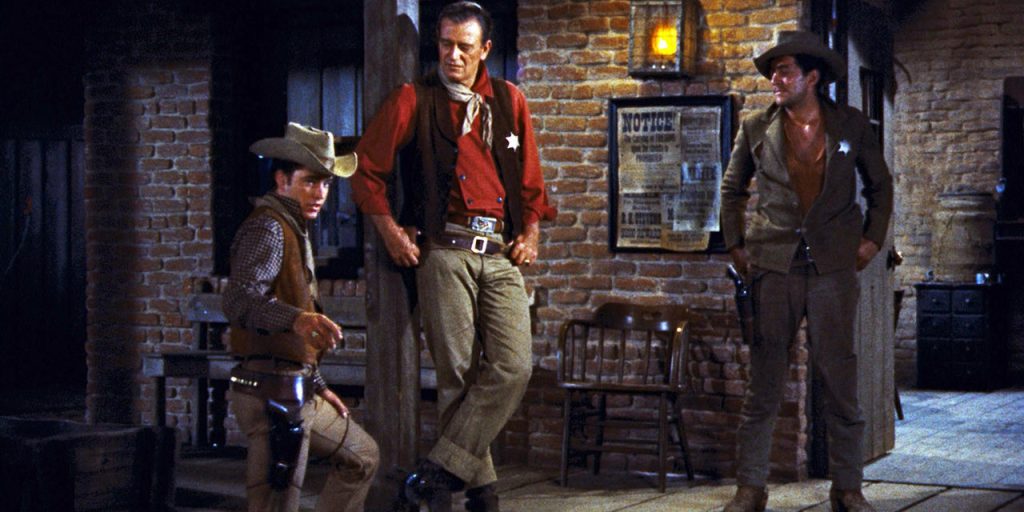
The thing he was always doing was watching how people behave under pressure, specifically how professionals conduct themselves when things get difficult. The pilots in Only Angels Have Wings, the sheriff and his makeshift gang in Rio Bravo, the reporters in His Girl Friday — they all operate according to a code of competence and self-possession that Hawks clearly found more interesting than sentiment or psychology. His characters don’t talk about their feelings; they demonstrate them through action and, crucially, through talk.
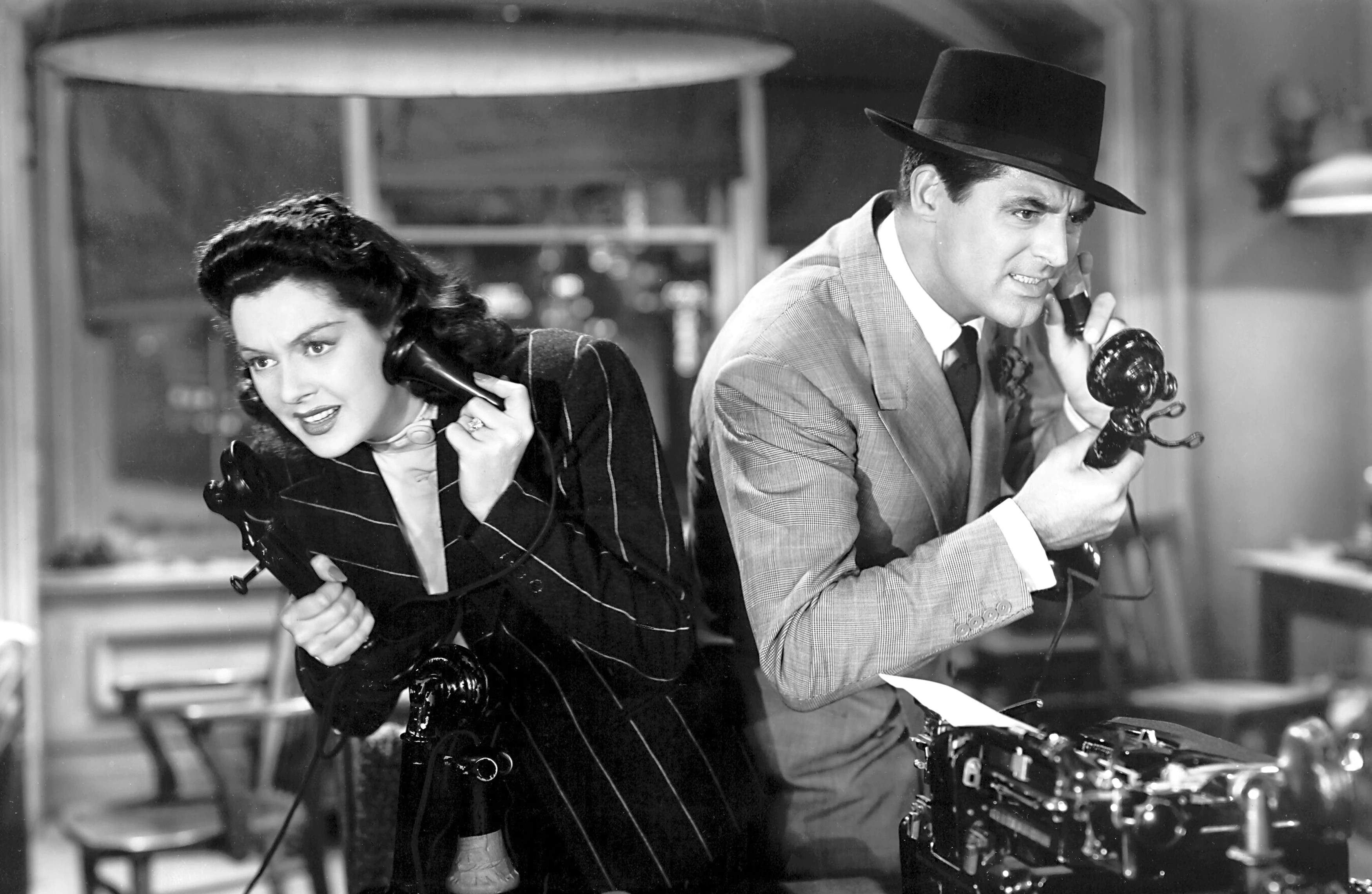
The dialogue is the other constant. Overlapping, fast, spoken by people who are always slightly ahead of each other — it creates a texture that feels completely natural and is completely artificial, achieved through meticulous rehearsal. Cary Grant and Rosalind Russell in His Girl Friday are delivering scripted lines at a pace that sounds like improvisation. That’s a directorial achievement as much as a performance one.
Auteurism was invented partly to describe directors like Hawks, and he remains one of its most compelling cases — a filmmaker with an unmistakable sensibility hiding in plain sight behind genre entertainment.
Howard Hawks (1896 – 1977)
- 1926 – Fig Leaves
- 1928 – A Girl in Every Port
- 1930 – The Dawn Patrol
- 1931 – The Criminal Code
- 1932 – The Crowd Roars
- 1932 – Scarface
- 1933 – Today We Live
- 1934 – Twentieth Century
- 1935 – Barbary Coast
- 1935 – Ceiling Zero
- 1936 – Come and Get It
- 1936 – The Road to Glory
- 1938 – Bringing Up Baby
- 1939 – Only Angels Have Wings
- 1940 – His Girl Friday
- 1941 – Ball of Fire
- 1941 – Sergeant York
- 1943 – Air Force
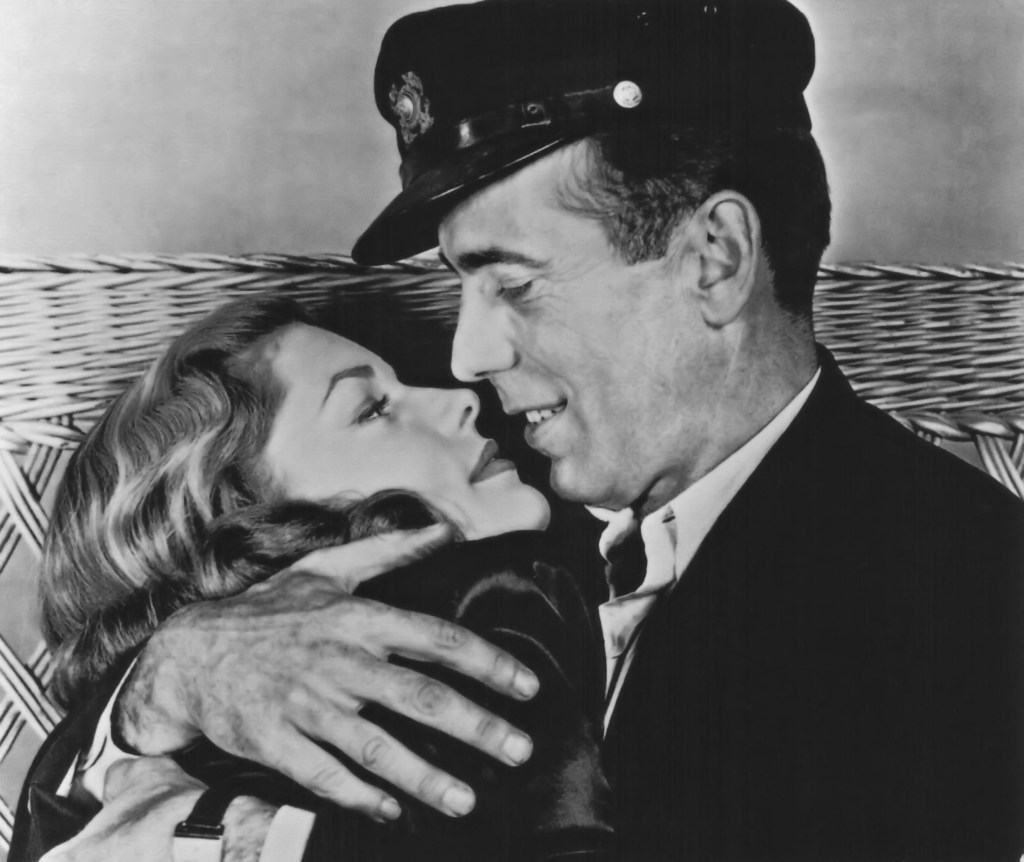
- 1944 – To Have and Have Not
- 1946 – The Big Sleep
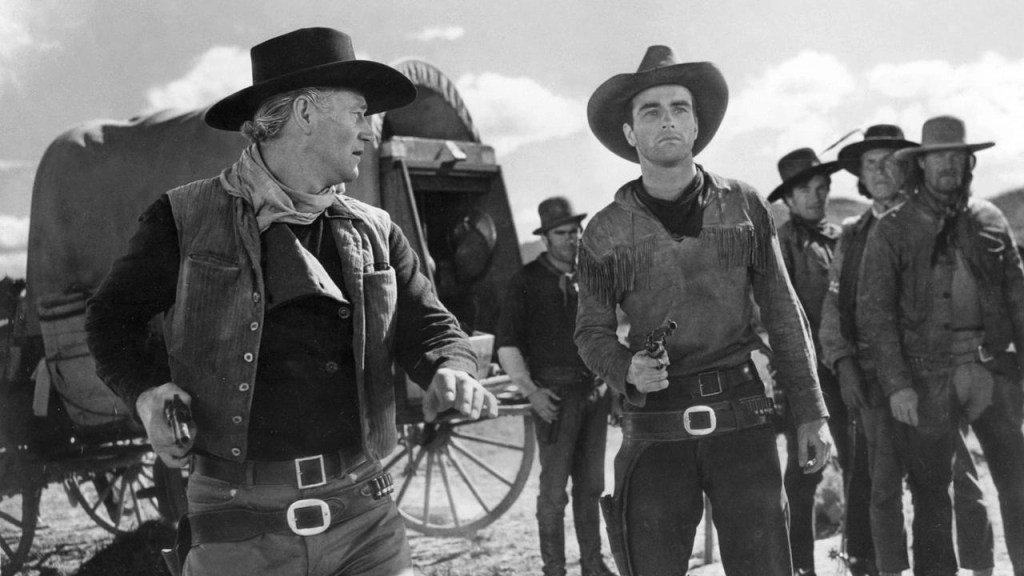
- 1948 – Red River
- 1948 – A Song is Born
- 1949 – I Was a Male War Bride
- 1951 – The Thing from Another World [Christian Nyby]
- 1952 – The Big Sky
- 1952 – Monkey Business
- 1952 – O. Henry’s Full House
- 1953 – Gentlemen Prefer Blondes
- 1955 – Land of the Pharaohs
- 1959 – Rio Bravo
- 1962 – Hatari!
- 1964 – Man’s Favorite Sport?
- 1965 – Red Line 7000
- 1966 – El Dorado
- 1970 – Rio Lobo
- Professionalism and Competence: In many of Hawks’s films, characters often exemplify a high degree of professionalism and dedication to their craft. For instance, in Only Angels Have Wings, the pilots showcase commitment and expertise in the face of danger.
- Male Camaraderie: Many of Hawks’s films depict deep, platonic relationships between men. Rio Bravo showcases this theme with the bond between the sheriff and his deputies.
- Strong Female Characters: Hawks frequently featured strong, independent female leads. Characters like Hildy Johnson in His Girl Friday challenge societal norms of femininity.
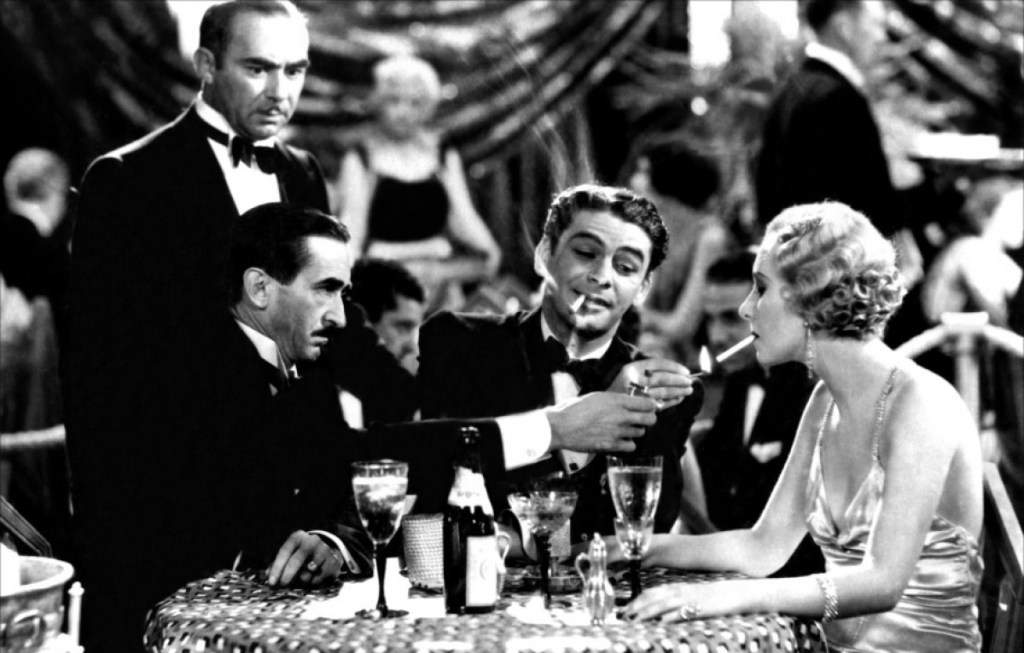
- Morality and Ethics: Personal integrity and moral dilemmas often underpin the narratives of Hawks’s films. Scarface, for example, delves into the dark underbelly of crime, shedding light on the moral compromises of its characters.
- Rapid-fire Dialogue: Hawks is known for his use of fast-paced, overlapping dialogue. His Girl Friday is a quintessential example, with its quick-witted exchanges that demand audience attention.
- Genre Versatility: Hawks was proficient across various genres, from screwball comedies like Bringing Up Baby to gritty noirs like The Big Sleep. This versatility distinguishes his filmmaking style.
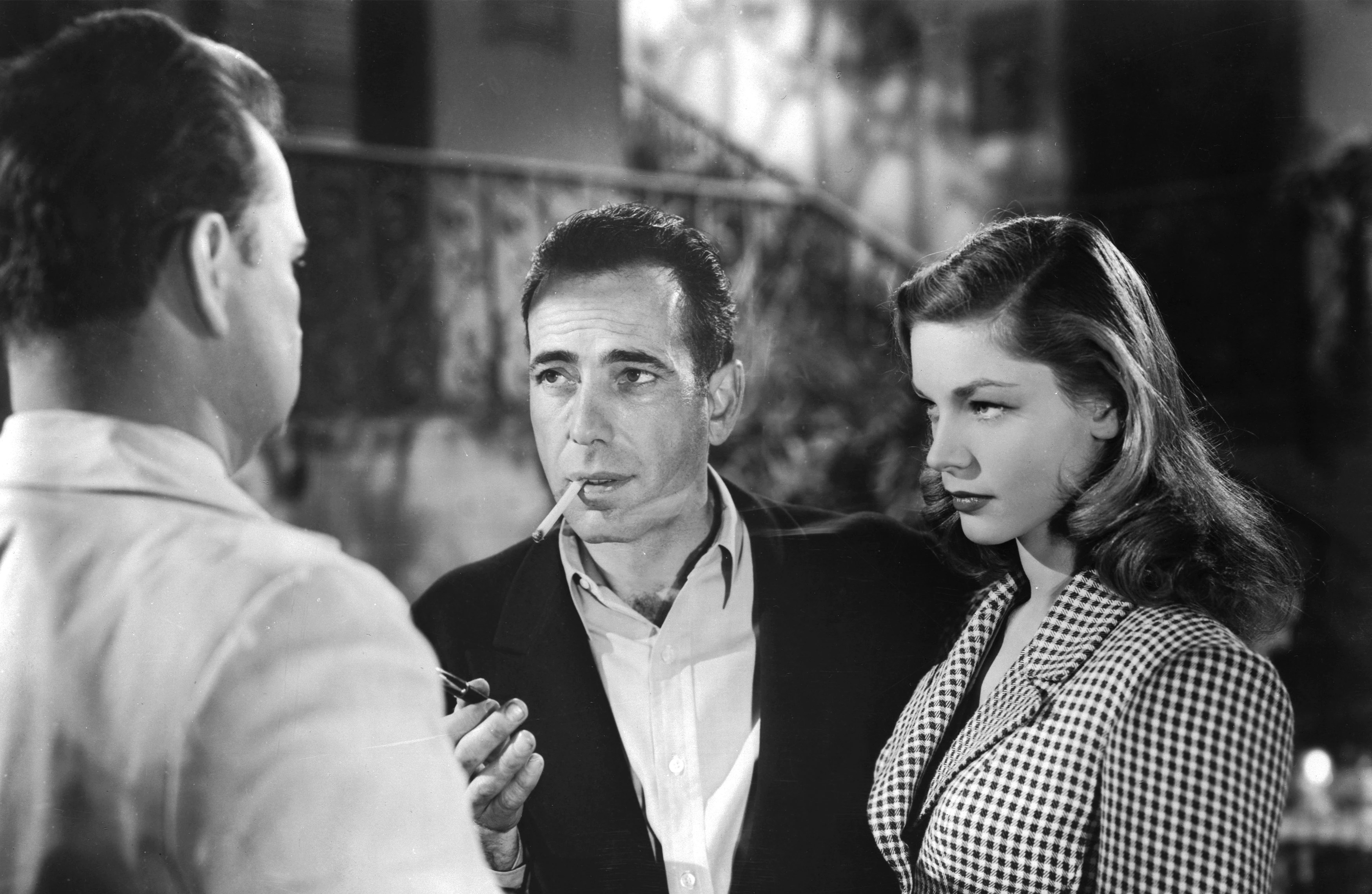
- Economy of Expression: Hawks often used understated, subtle expressions and actions to convey deep emotions. This is evident in To Have and Have Not, where subtle glances and gestures reveal complex relationships.
- Ensemble Casts: Many of his films employed an ensemble cast, emphasising the interplay between multiple characters. The interactions among the group in Rio Bravo demonstrate this style effectively.
- Realism and Authenticity: Hawks often sought to depict a realistic environment, whether it’s the world of newspaper reporting in His Girl Friday or the aviation industry in Only Angels Have Wings. His commitment to authenticity was unwavering.
- Adaptable Aesthetics: While having a consistent thematic core, Hawks’s visual aesthetics were flexible depending on the genre he was working in. The noir shadows of The Big Sleep contrast with the brighter tones of Bringing Up Baby.
- Recurring Collaborators: Hawks often worked with the same actors across multiple films, creating a unique rapport and on-screen chemistry. Cary Grant, for instance, starred in several of Hawks’s productions.
- Subversion of Expectations: Hawks enjoyed playing with audience expectations. His screwball comedies, for instance, would often subvert traditional romantic tropes, offering refreshing, unconventional narratives.
Read More About Howard Hawks
Coming soon as posts added



 Bronze Screen Dream