
Frank Capra is an iconic figure in American cinema, a director whose work encapsulates the spirit of the “Golden Age” of Hollywood. Capra is known for his distinct “Capraesque” style; his films are imbued with optimism, sentimentality, and a firm belief in the inherent goodness of the American people. His popular and critically acclaimed films such as It Happened One Night, Mr. Smith Goes to Washington, and It’s a Wonderful Life celebrate individualism, democracy, and the power of ordinary people to make a difference. They are widely recognised for their memorable characters, strong plotlines, and heartfelt faith in the pursuit of the American Dream.
Capra, the son of Italian immigrants, began his career in the film industry during the silent era. His experiences growing up in a working-class family deeply influenced his filmmaking, often revolving around the pursuit of the American Dream and the triumph of the underdog. His characters, who often embody quintessential American values, navigate societal issues, and confront corruption, economic disparity, and the influence of the media. Despite their hardships, Capra’s protagonists never lose their faith in the inherent goodness of people and the power of individuals to enact change.
A hallmark of Capra’s films is the exploration of themes such as individualism, democracy, and the belief in the ability of ordinary people to make extraordinary changes. While delivering pointed social and political commentary, his films remain uplifting and accessible, balancing humour and sentimentality. His narrative style, straightforward and character-driven, draws audiences into the lives of his characters, who are as memorable as they are relatable. Frequent collaborators like James Stewart and Gary Cooper helped bring these characters to life.
Capra’s visual style and innovative cinematic techniques played a significant role in enhancing his films’ narrative and emotional impact. His use of sound, montage, and deep-focus cinematography resulted in films that were both visually captivating and emotionally resonant. These techniques, combined with his knack for storytelling and his ability to create relatable characters, resulted in a distinctive “Capraesque” style that continues to resonate with audiences.
Capra’s Legacy
His influence extends far beyond American cinema, inspiring filmmakers worldwide. The themes, narrative structure, and characterisations in his films have become a part of the cinematic language, shaping how stories are told on screen. Directors such as Steven Spielberg, Martin Scorsese, and the Coen Brothers have all cited Capra as a major influence in their work. His films’ optimism and faith in the goodness of the common man have also resonated with international filmmakers such as Japan’s Akira Kurosawa and France’s Jean Renoir.
Capra’s enduring legacy is that of a filmmaker who believed in the power of cinema to inspire and uplift. He was one of the most successful directors during Hollywood’s “Golden Age,” winning three Academy Awards for Best Director. His work defined the stylistic and thematic characteristics of the 1930s and 40s Hollywood. The term “Capraesque” has since come to symbolise a kind of filmmaking that celebrates the triumph of the human spirit, making his influence on film history truly profound.
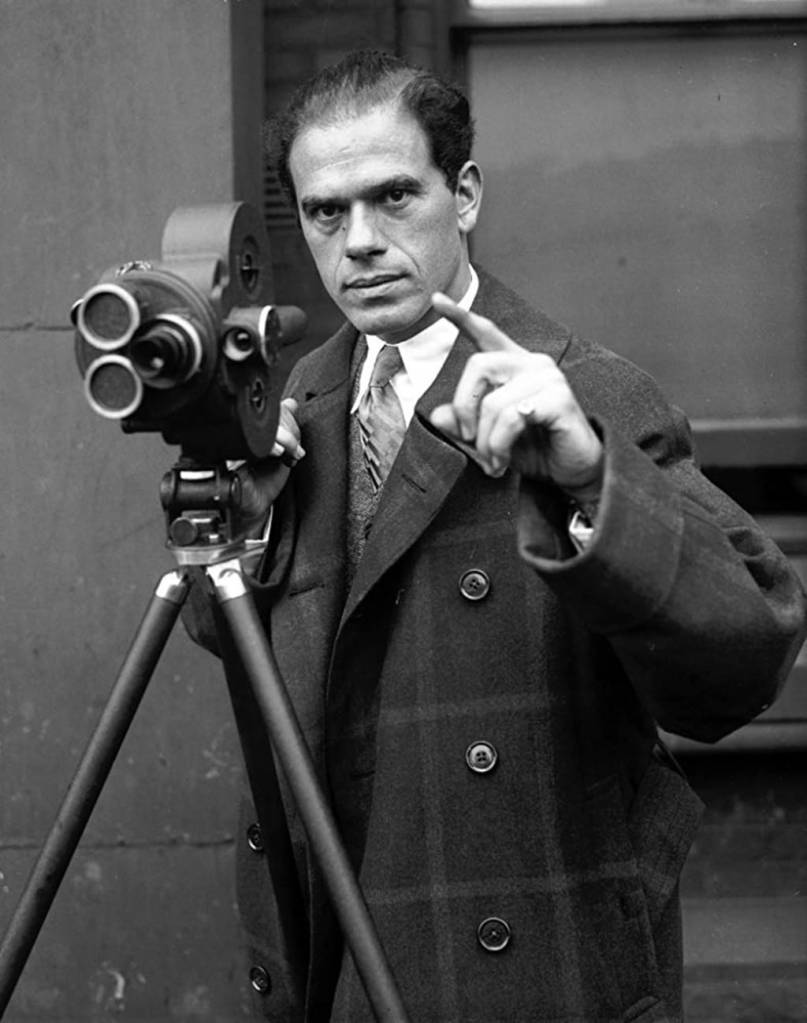
Frank Capra (1897 – 1991)
Calculated Films:
- American Madness (1932)
- It Happened One Night (1934)
- Mr Deeds Goes To Town (1936)
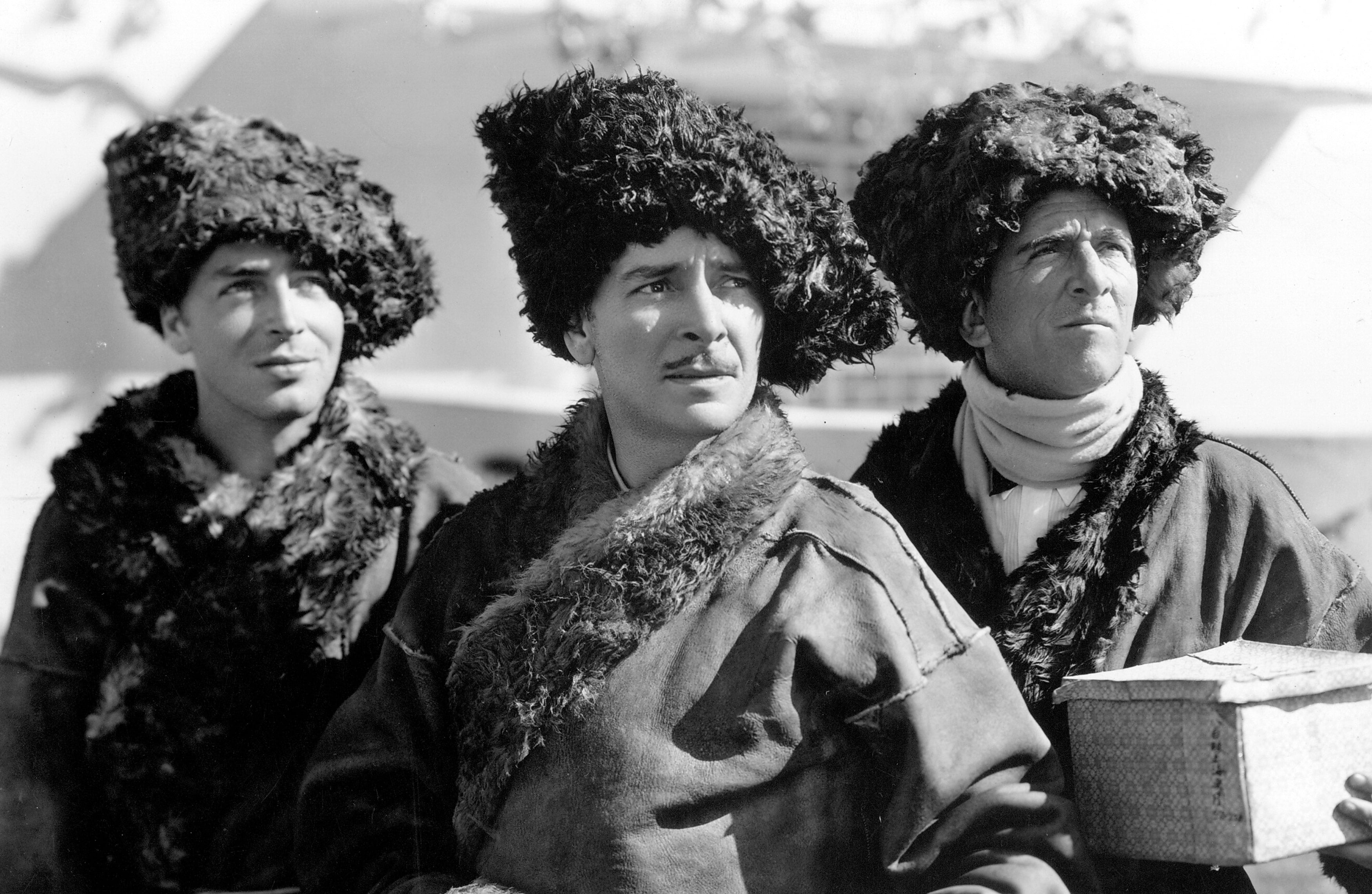
- Lost Horizon (1937)
- You Can’t Take It With You (1938)
- Mr Smith Goes To Washington (1939)
- Meet John Doe (1941)
- Arsenic and Old Lace (1944)
- It’s A Wonderful Life (1946)
Similar Filmmakers

Frank Capra’s Top 10 Films Ranked
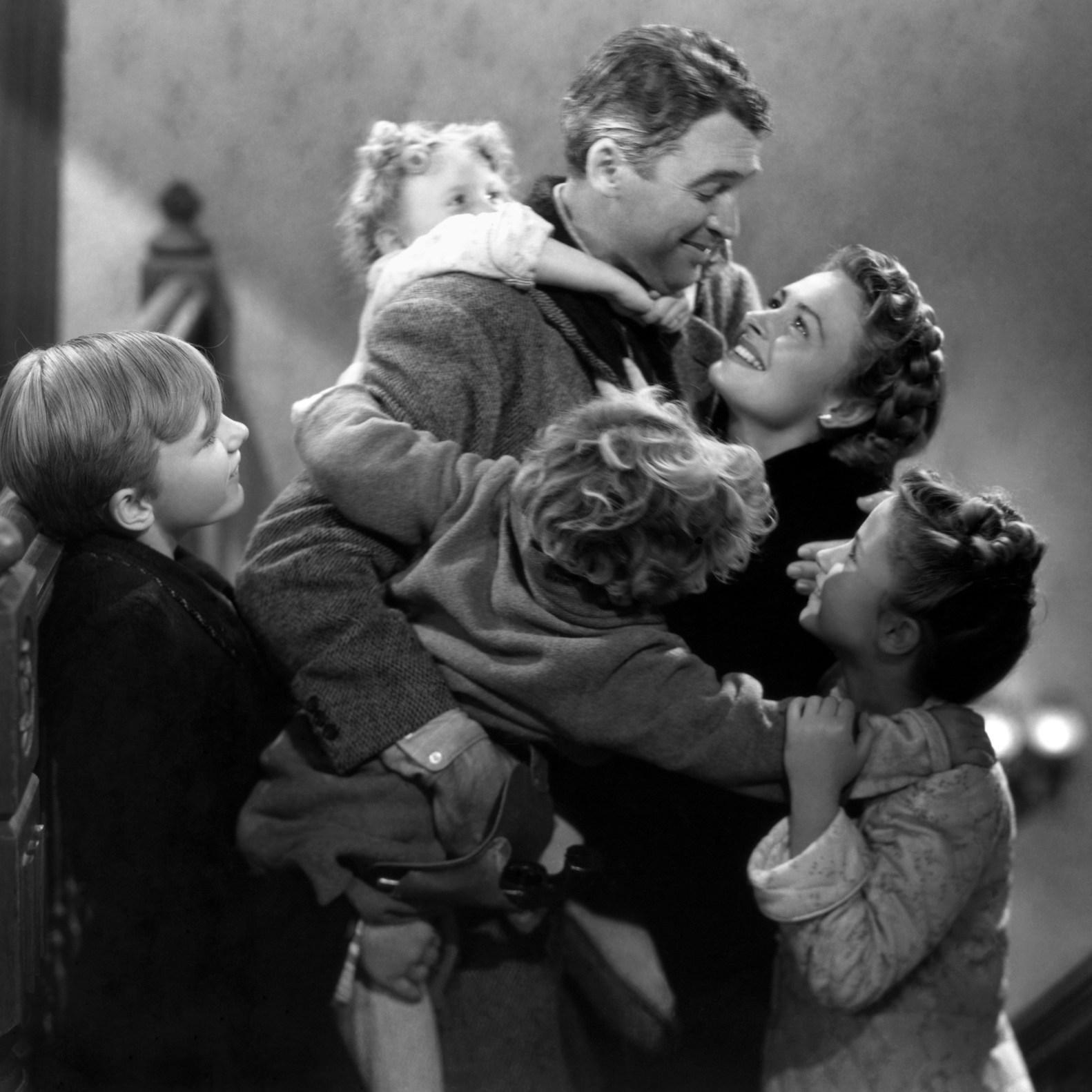
1. It’s A Wonderful Life (1946)
Genre: Drama, Low Fantasy, Christmas, Family

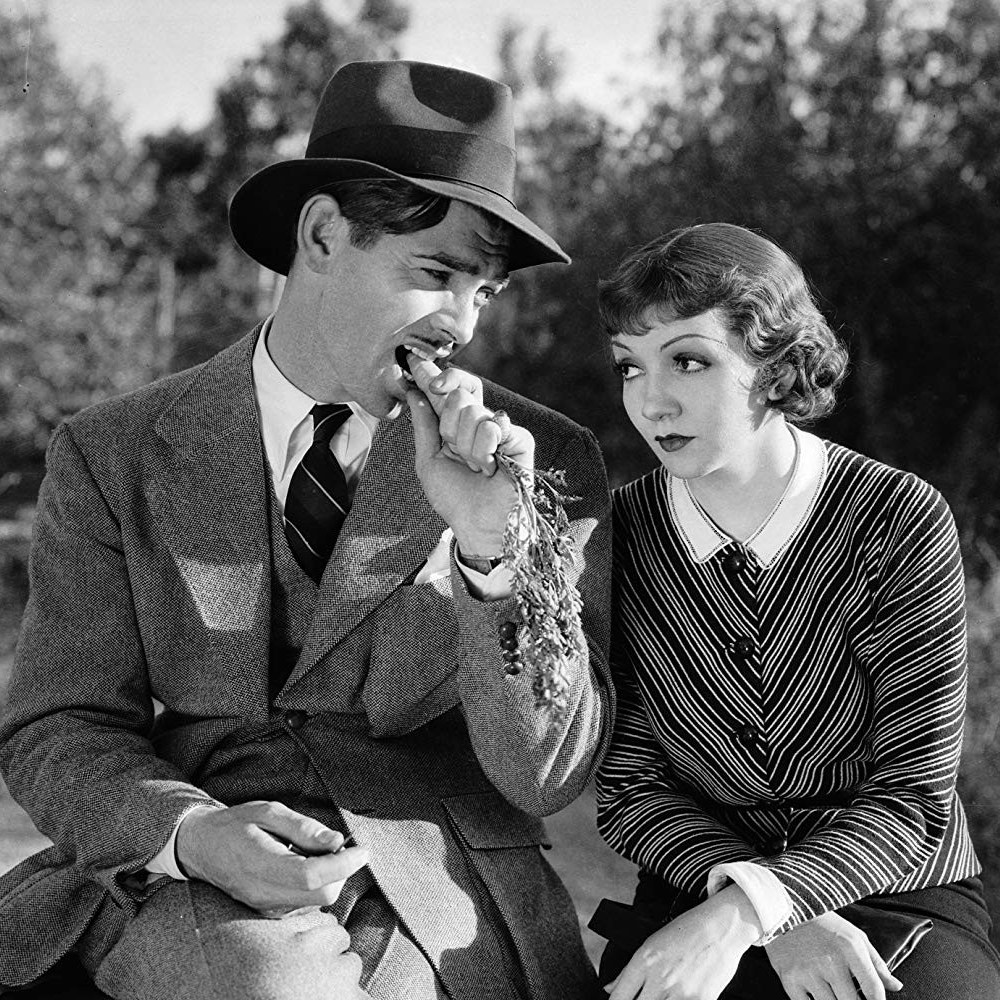
2. It Happened One Night (1934)
Genre: Romantic Comedy, Screwball Comedy, Road Movie
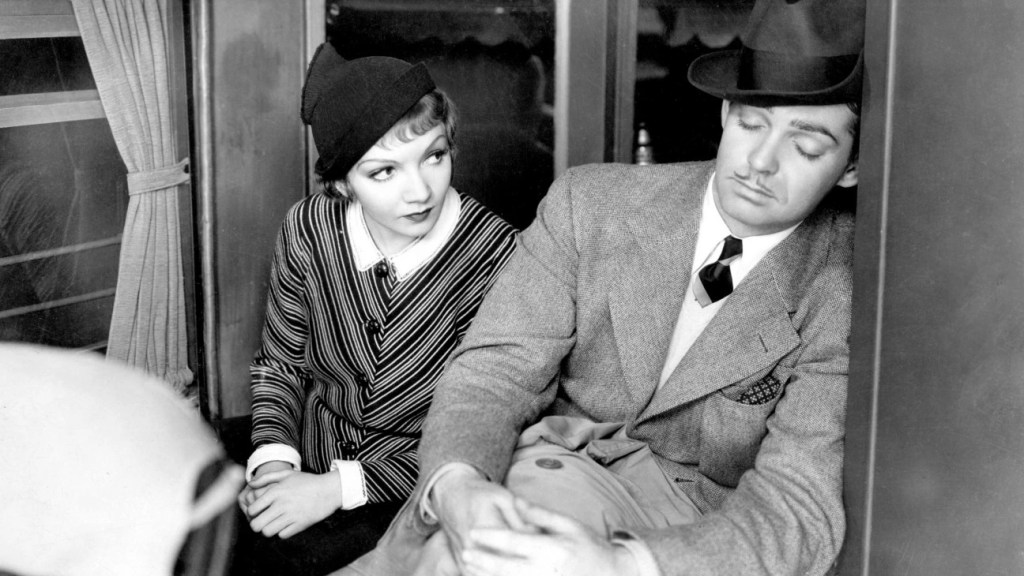
3. Mr Smith Goes To Washington (1939)
Genre: Political Drama

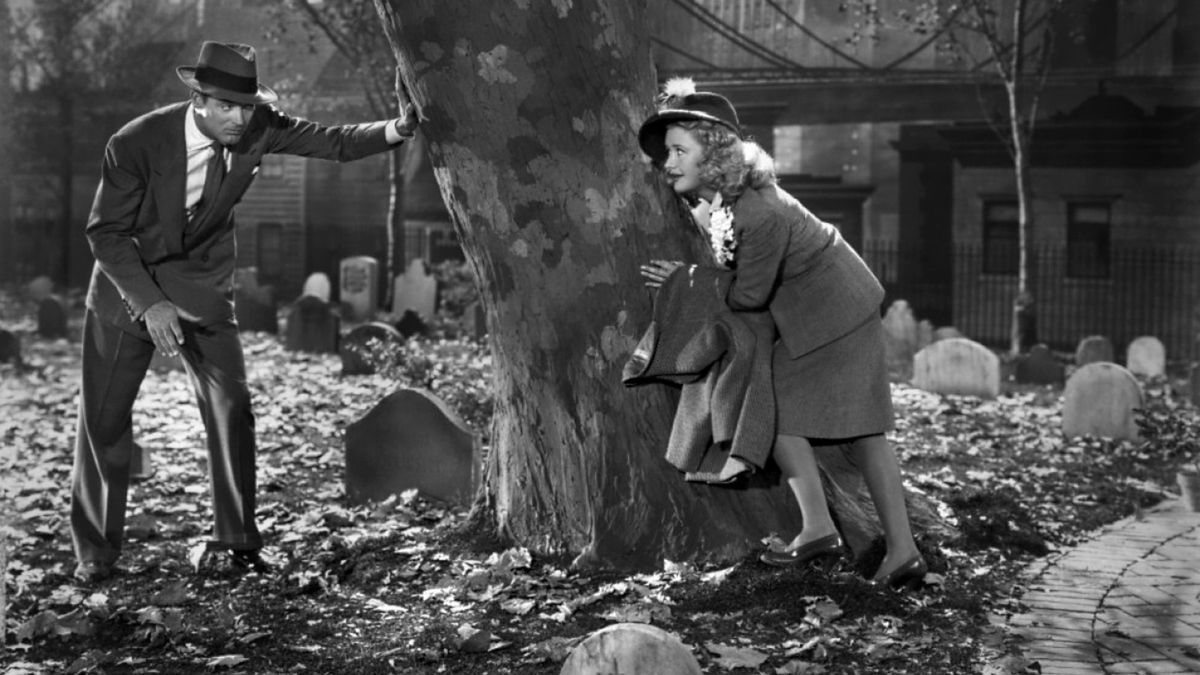
4. Arsenic and Old Lace (1944)
Genre: Black Comedy, Screwball Comedy, Crime

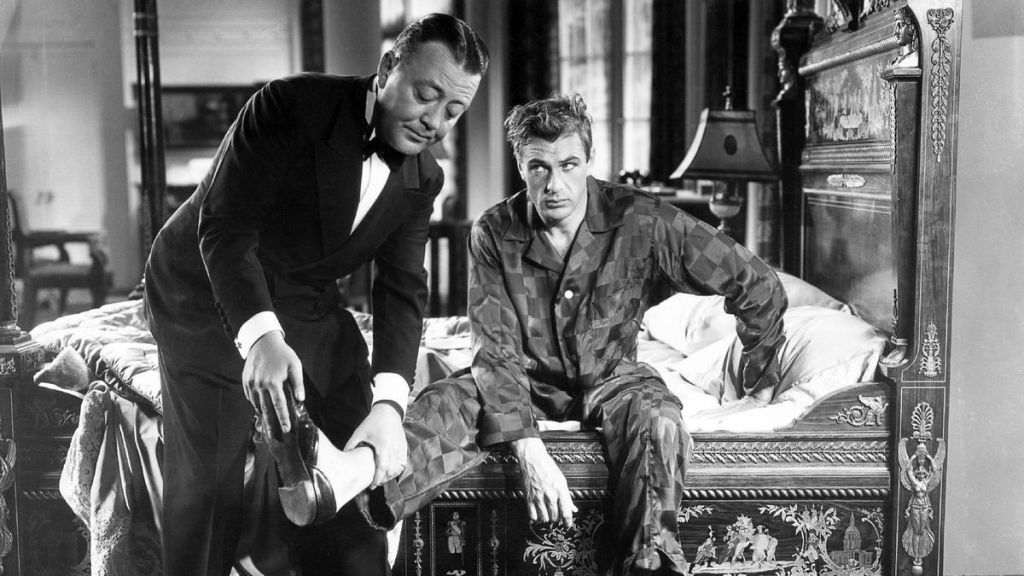
5. Mr Deeds Goes To Town (1936)
Genre: Romantic Comedy, Screwball Comedy
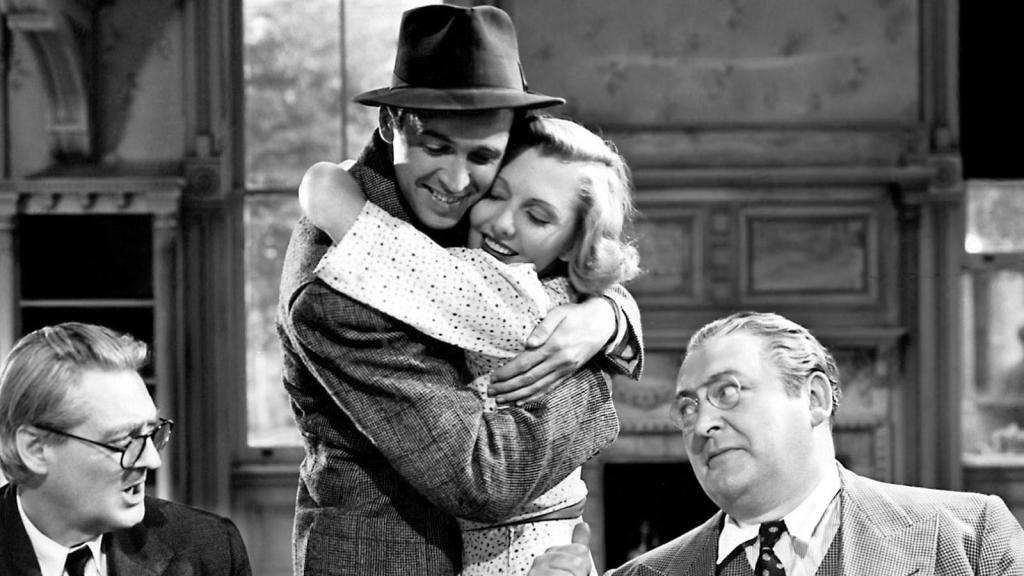
6. You Can’t Take It With You (1938)
Genre: Screwball Comedy
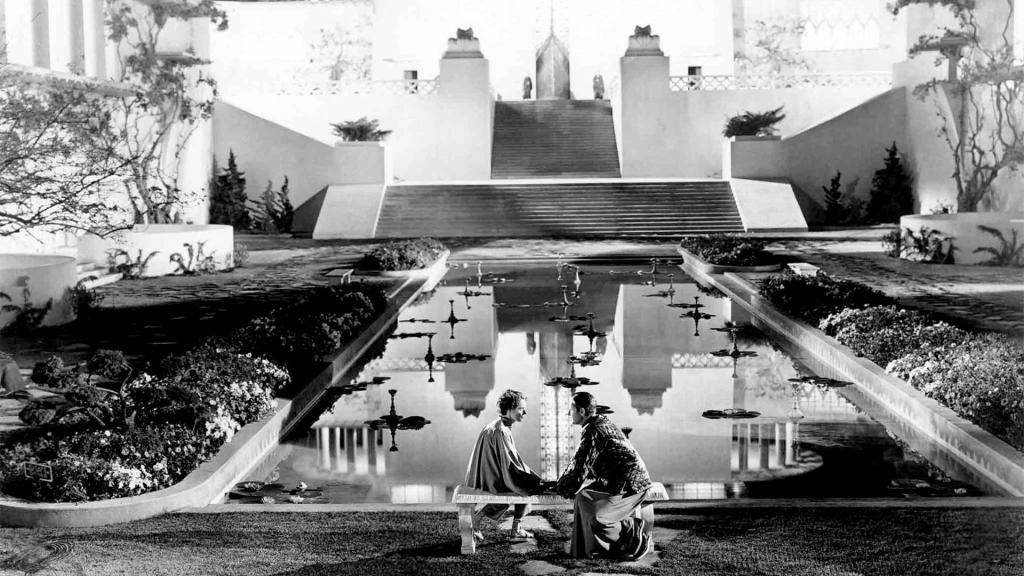
7. Lost Horizon (1937)
Genre: Adventure, Fantasy, Drama, Low Fantasy
8. American Madness (1932)
Genre: Drama, Heist Film

9. Meet John Doe (1941)
Genre: Comedy, Drama
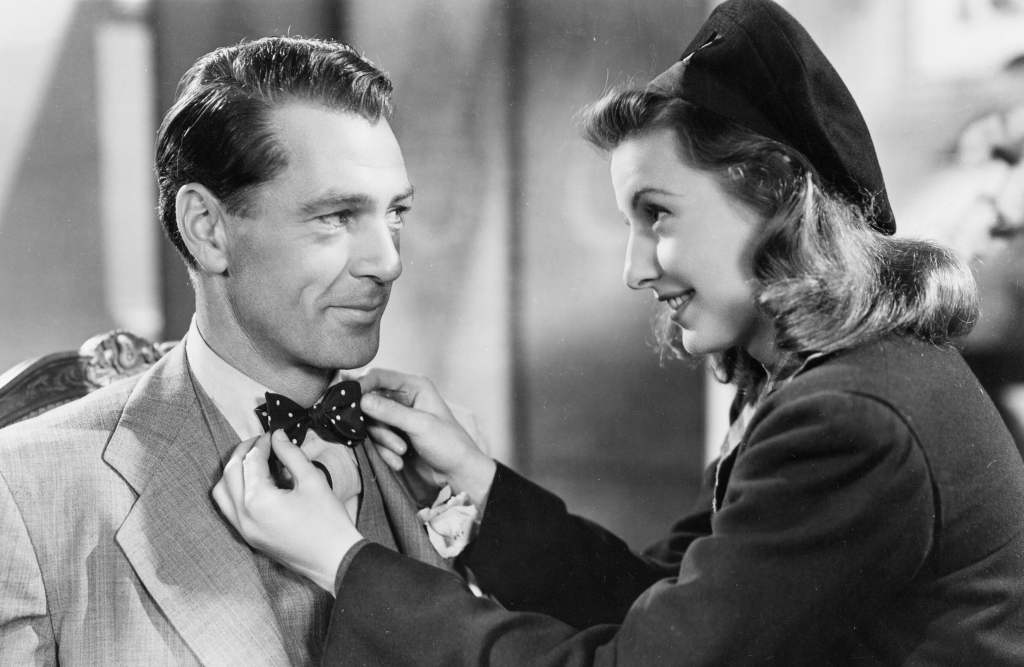
10. Lady for a Day (1933)
Genre: Comedy
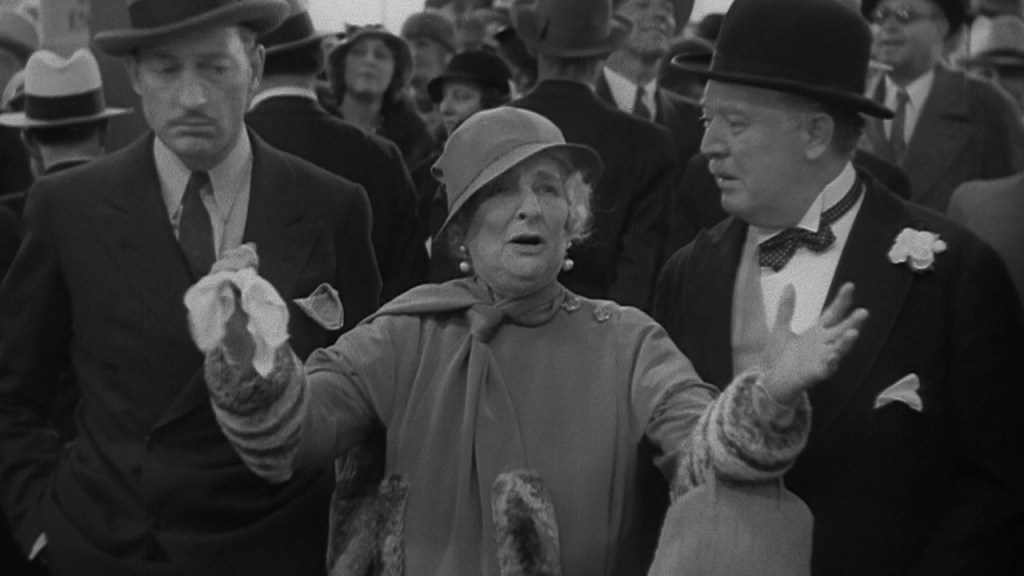
Frank Capra: Themes and Style
Themes:
- American Dream: Many of Capra’s films revolve around the idea of the American Dream, where common individuals rise above their circumstances, fueled by ambition, hard work, and integrity.
- Individual vs. Society: A recurrent theme, Capra often showcased an individual’s struggle against corrupt systems or oppressive societal structures.
- Populist Ideals: Capra believed in the inherent goodness of the common man. His films frequently positioned the ordinary individual against corrupt elites or politicians.
- Redemption: Characters in Capra’s films often undergo personal transformation and redemption, demonstrating the human capacity for change and growth.
- Community: The importance of community, family, and collective efforts is emphasised, showcasing the idea that united people can overcome any challenge.
Styles:
- Narrative Structure: Capra’s films often employ a linear, clear-cut narrative where good and evil are distinctly demarcated.
- Character Development: His protagonists are usually well-defined, with strong moral compasses. They are often pitted against equally strong antagonists, which creates a distinct dichotomy in his stories.
- Emotion-driven: Capra wasn’t afraid to tug at the audience’s heartstrings. His films are often filled with emotional highs and lows, aiming to evoke strong reactions.
- Visual Storytelling: Despite the emphasis on narrative and characters, Capra’s films showcase a keen sense of cinematography. His compositions, camera movements, and use of light add depth to the story.
Directorial Signature:
- Optimistic Tone: Regardless of the challenges faced by the protagonists, Capra’s films invariably carry an undertone of optimism, faith, and hope.
- Capra-corn: Critics sometimes used the term “Capra-corn” to describe his distinctive mix of sentimentality and uplift. While it was sometimes used derisively, it’s undeniable that his signature blend of heart, humour, and hope resonated with audiences.
- Moral Underpinnings: Capra’s films often possess strong moral underpinnings. They drive home messages about integrity, resilience, and the value of the human spirit.
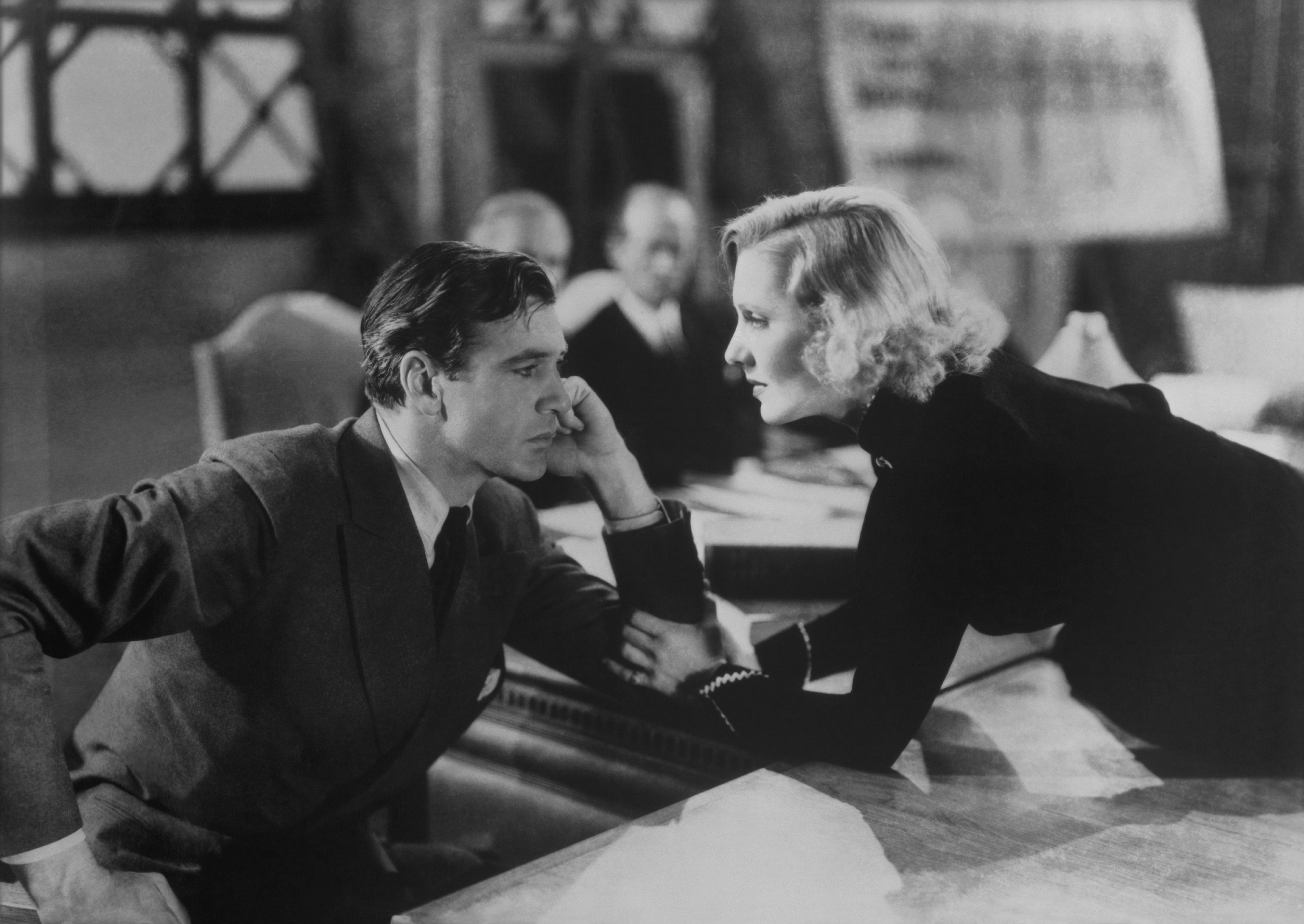
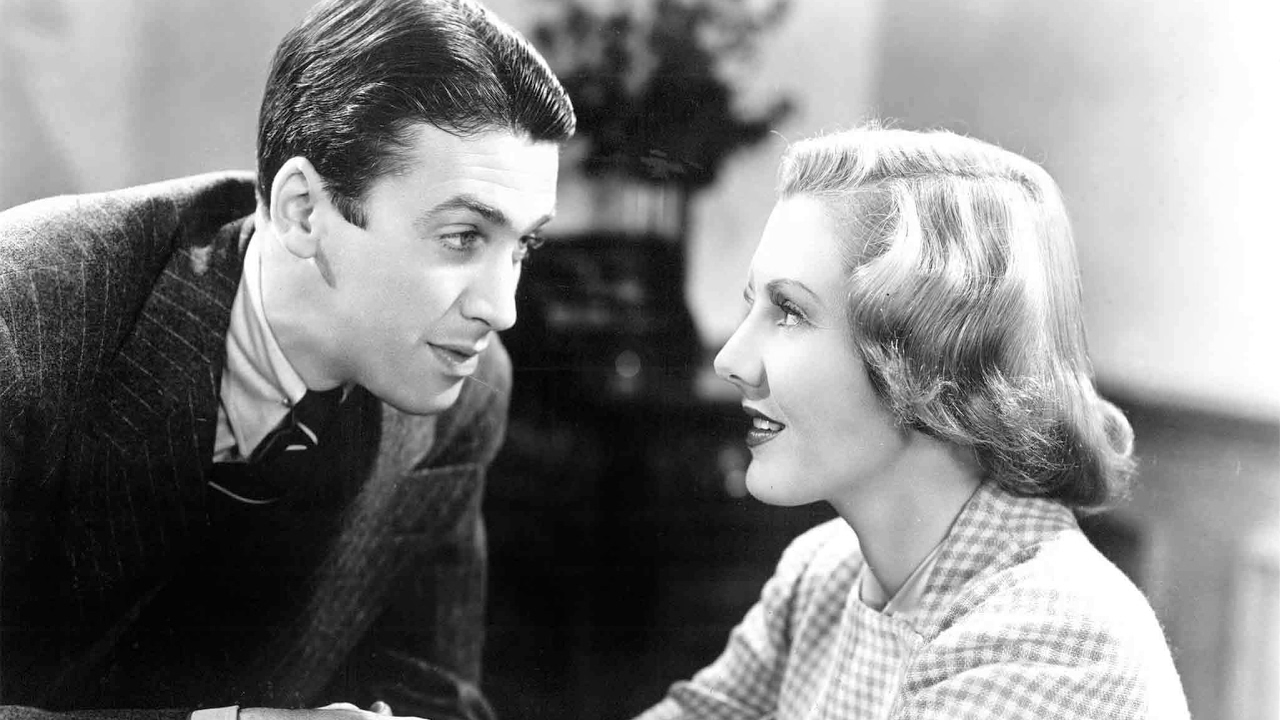
- Strong Performances: Capra had a knack for extracting memorable performances from his actors. Be it James Stewart’s iconic portrayal in It’s a Wonderful Life or Gary Cooper in Mr. Deeds Goes to Town, the characters remain etched in popular culture due to their compelling portrayals.
- Collaborative Effort: Capra often collaborated with the same crew and actors, creating a sort of “film family.” This consistent collaboration allowed for a certain cohesiveness and recognisable style in many of his films.
Frank Capra: The 58th Greatest Director
 Bronze Screen Dream