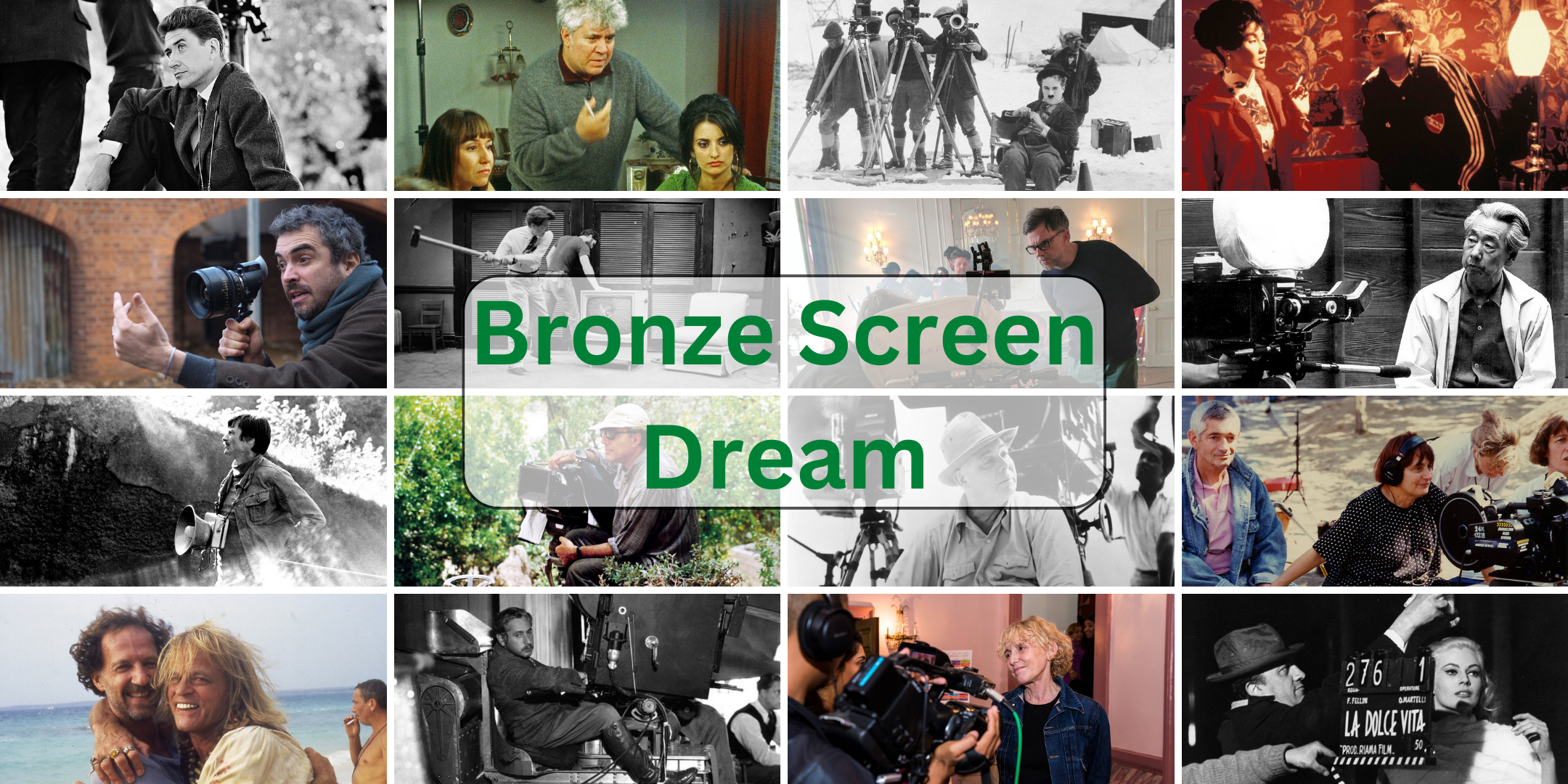
Below are some of the best American directors ever. Click on their pictures to discover more about them.
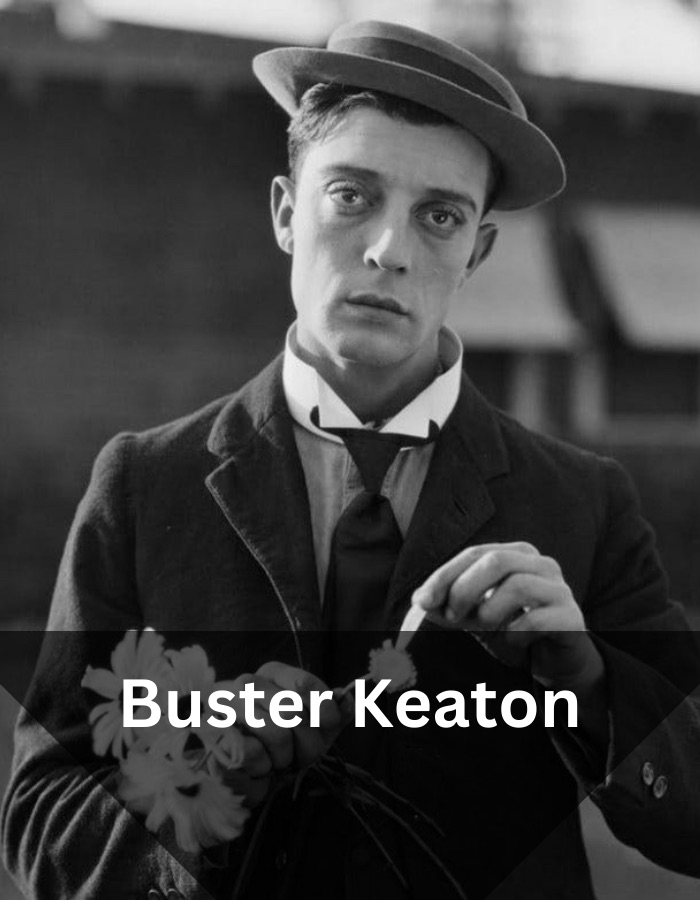


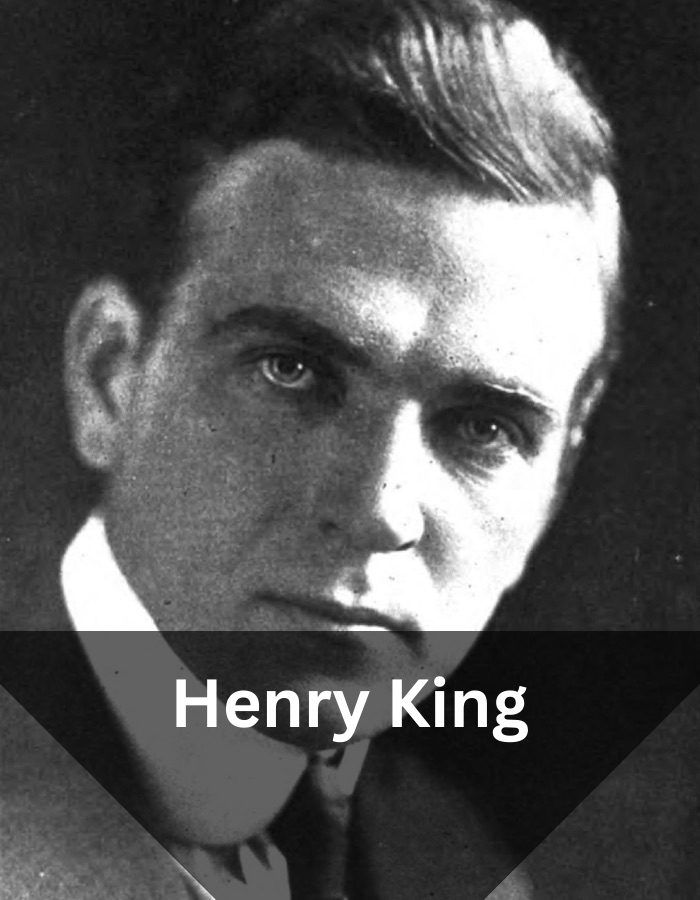

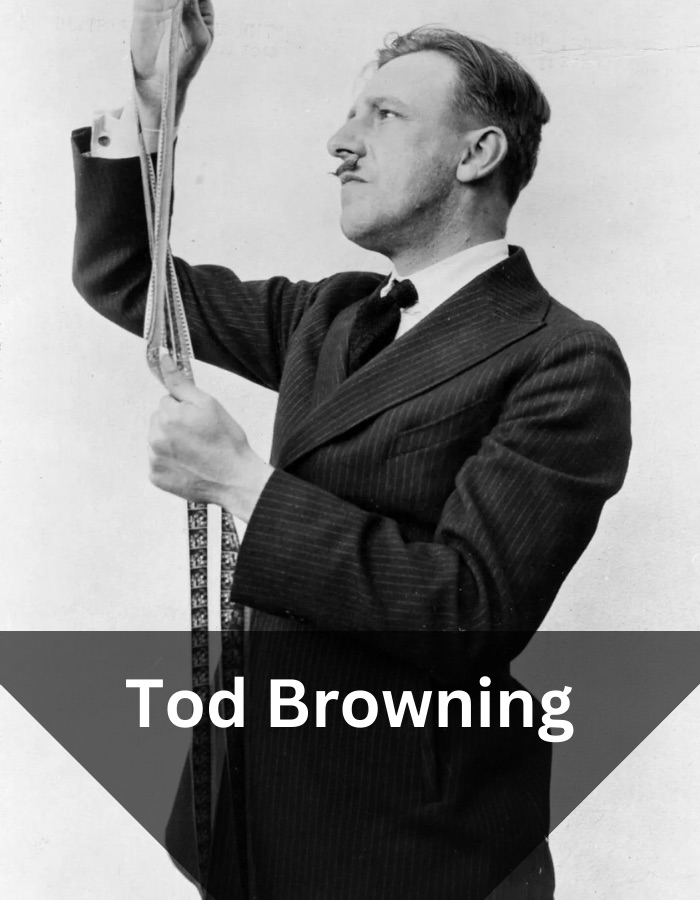
A Brief History of Early Hollywood
Before D.W. Griffith, filmmakers were still exploring the basics of motion picture storytelling. The industry was in its infancy, with most films being short, simple narratives, often just a few minutes long, and lacking complex storylines or sophisticated camera techniques. It was during this time that the groundwork for the language of cinema was laid, with pioneers such as Georges Méliès, Edwin S. Porter, and the Lumière brothers contributing significantly to the development of early film techniques. Méliès, for instance, is celebrated for his use of special effects and fantasy elements, while Porter’s “The Great Train Robbery” introduced cross-cutting, a fundamental editing technique.
D.W. Griffith’s contribution to cinema cannot be overstated. Often referred to as the “father of film,” his work in the 1910s revolutionised the art form. Griffith’s most notable contribution was his development of narrative storytelling techniques, particularly through his use of close-ups, cross-cutting, and parallel editing. His most famous film, “The Birth of a Nation”, despite its controversial and racist content, is considered a landmark in cinematic technique. Griffith’s influence extended beyond technical innovations; he also played a significant role in shaping the star system, which would become a hallmark of Hollywood.
The silent era also saw the emergence of other notable directors who left an indelible mark on cinema. Cecil B. DeMille became known for his epic films and lavish productions, setting the standard for Hollywood spectacle. Fritz Lang, with works like “Metropolis”, brought German Expressionism’s influence to Hollywood, contributing to the evolution of visual storytelling. Erich von Stroheim and Charlie Chaplin, each with their distinct styles, further pushed the boundaries of what could be achieved in silent cinema. Chaplin, especially, became an international icon, revolutionising the industry not just through his direction but also through his performances and character creation.
The advent of sound, culminating in “The Jazz Singer” in 1927, marked a significant turning point for Hollywood and for these early directors. Sound revolutionised the film industry, rendering many silent film techniques obsolete and forcing directors and actors to adapt to a new medium. This transition was not smooth for everyone; some silent-era directors struggled to adapt, while others thrived, adapting their styles to incorporate dialogue and sound effects. The introduction of sound brought an end to the silent era but also opened up new possibilities for storytelling and performance, paving the way for the Golden Age of Hollywood.
 Bronze Screen Dream