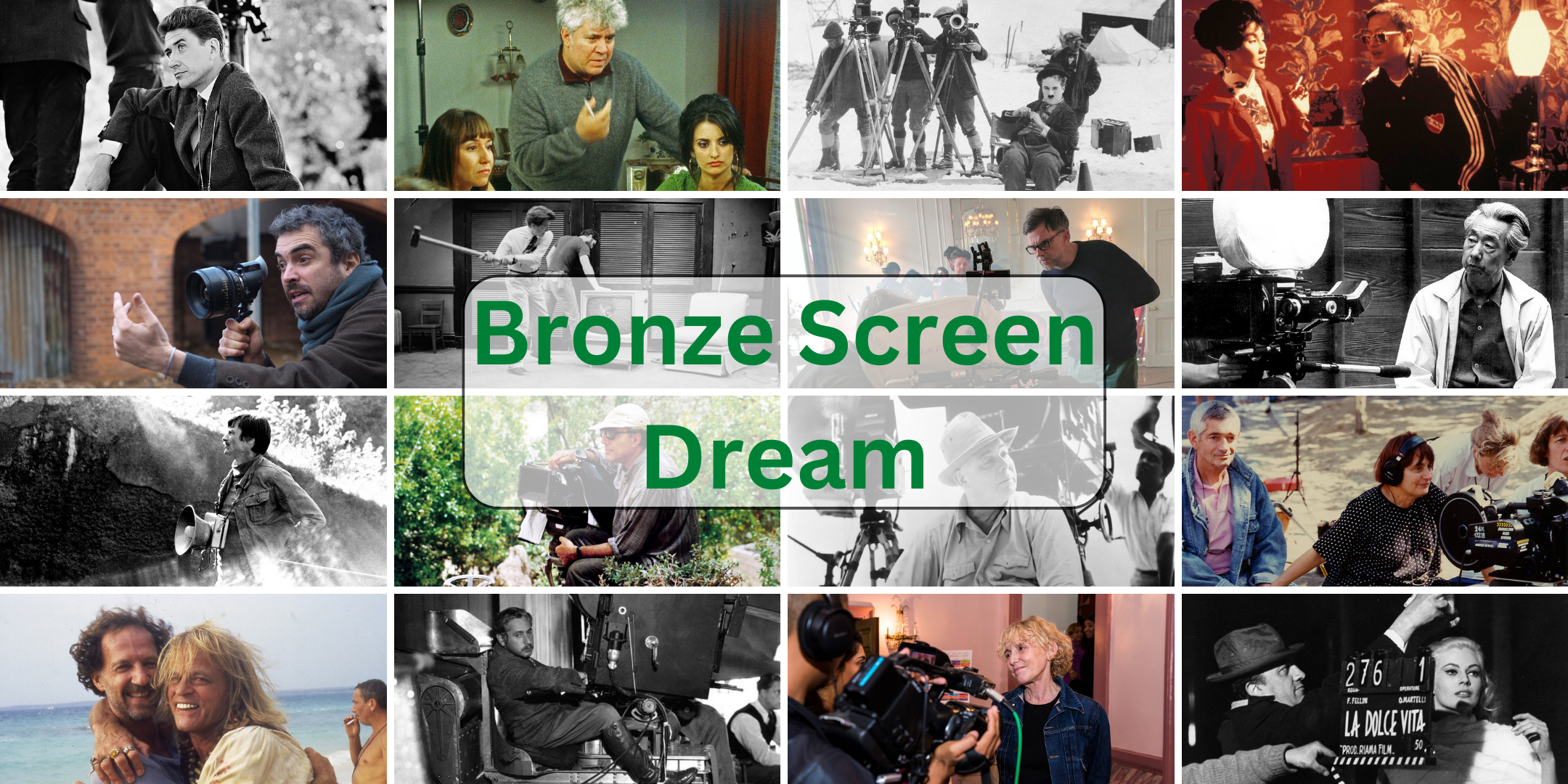
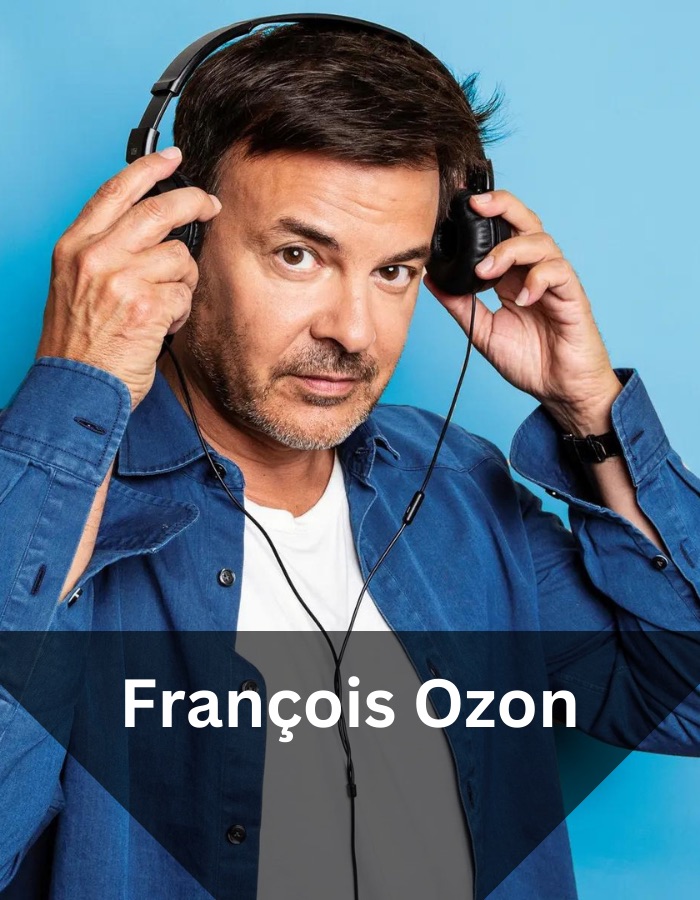
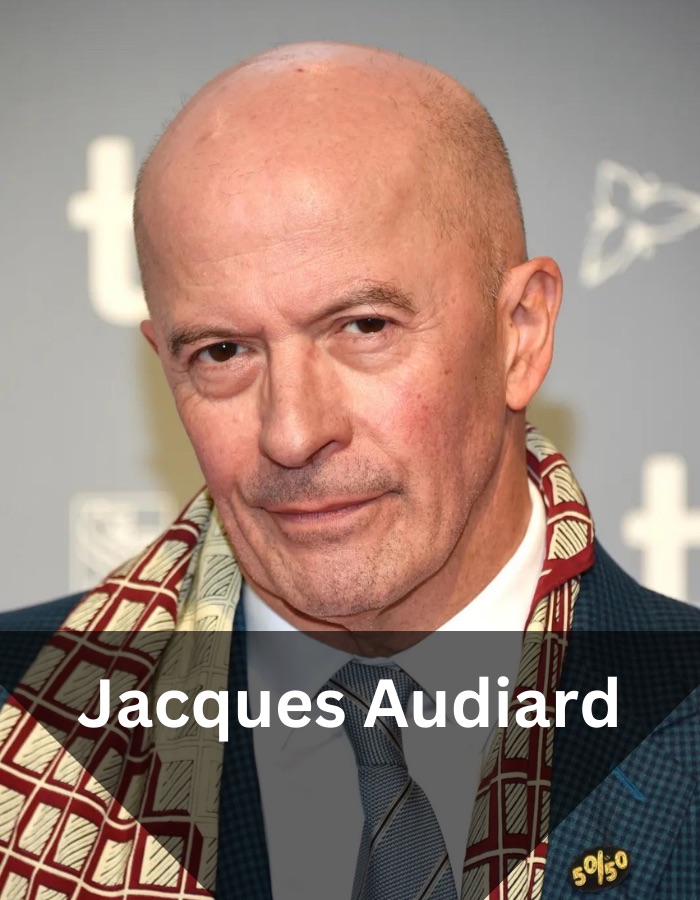
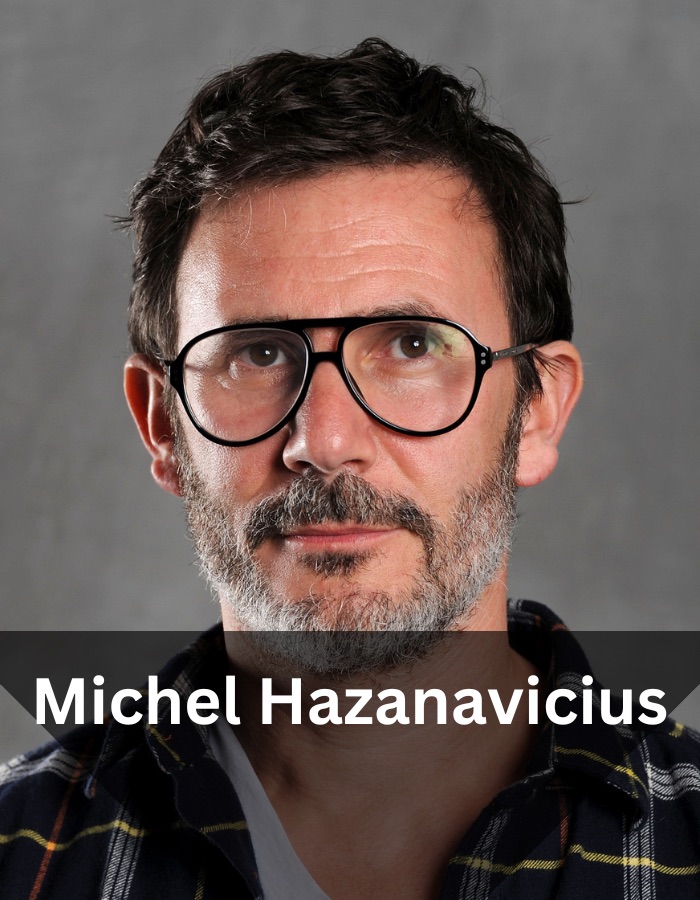
Below are some of the best French directors ever. Click on their pictures to discover more about them.
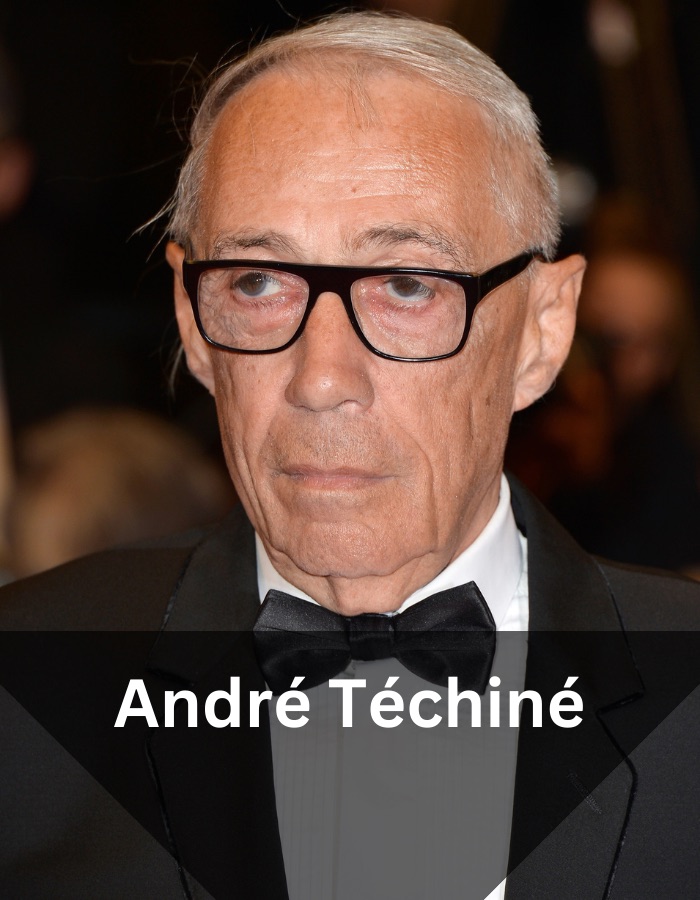

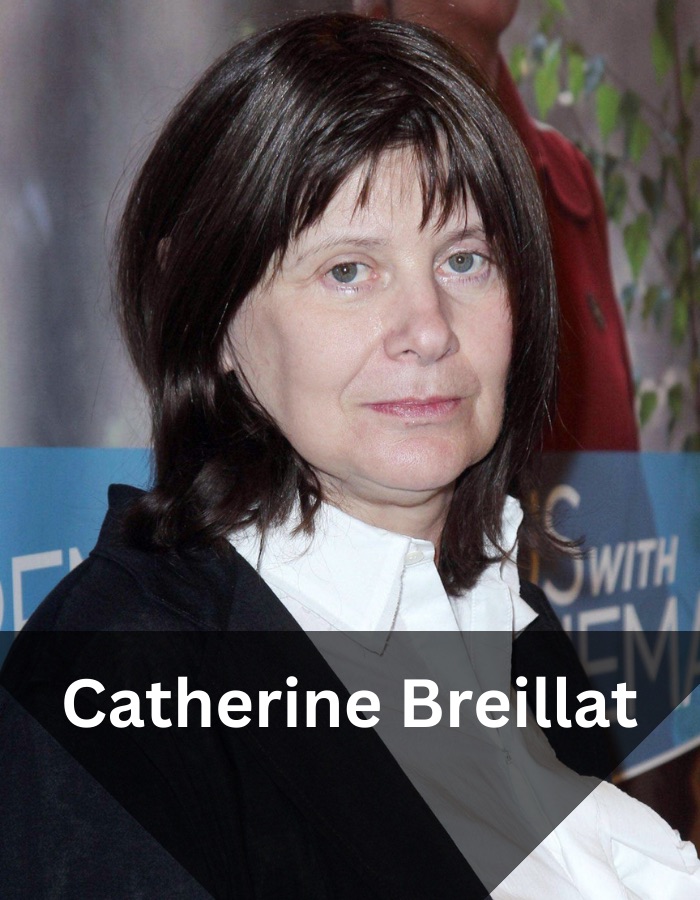





A Brief History of Modern French Cinema
Modern French cinema continues to be a significant force in the international film industry, marked by its distinct narrative styles, artistic innovations, and the exploration of complex themes. A hallmark of contemporary French cinema is its diversity, with filmmakers experimenting across genres from drama and comedy to thriller and romance. These films often reflect on social issues, delve into personal stories, and explore philosophical questions, a trait deeply rooted in the country’s cinematic heritage.
One of the notable figures in modern French cinema is Jacques Audiard, acclaimed for his keen narrative style and the depth of character development in his films. Audiard’s work, including titles like “A Prophet” and “Rust and Bone,” is characterised by its gritty realism and psychological complexity. These films have not only enjoyed critical acclaim but have also been recognised at prestigious international film festivals.
Another significant director is Olivier Assayas, known for his versatile filmmaking approach. Assayas’ films, such as “Personal Shopper” and “Clouds of Sils Maria,” blend elements of suspense, drama, and psychological thriller. He often collaborates with international actors and has a penchant for exploring the nuances of human relationships against the backdrop of a rapidly changing world.
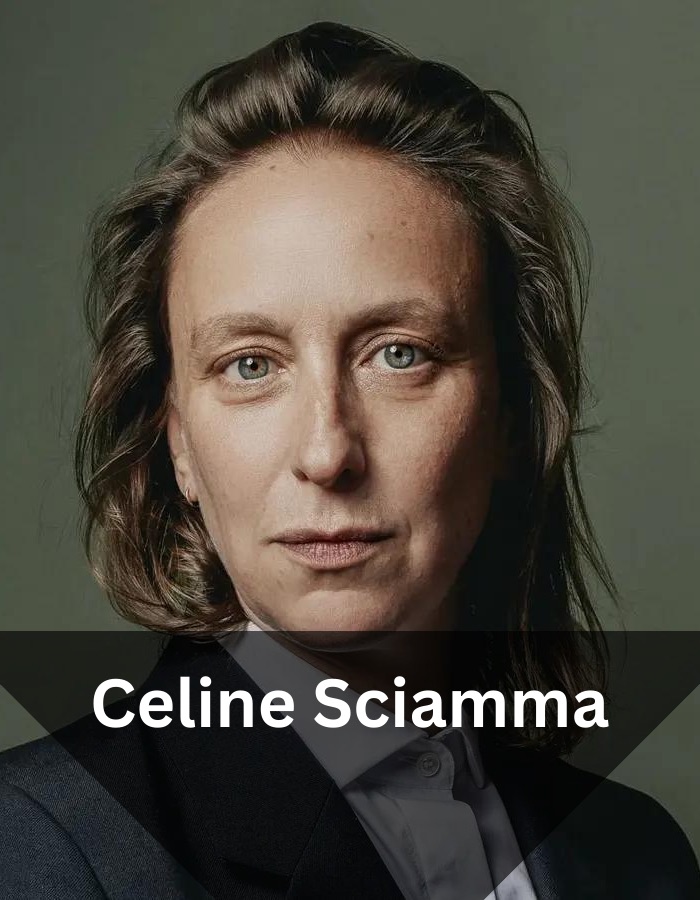
Céline Sciamma is a name that stands out for her exploration of gender, identity, and sexuality. Her films, including “Portrait of a Lady on Fire” and “Girlhood,” are celebrated for their visual storytelling and the sensitive portrayal of intimate relationships. Sciamma’s work is notable for its feminist perspective and has played a crucial role in bringing queer narratives to a broader audience.
Finally, Michel Hazanavicius deserves mention for his unique approach to filmmaking. Best known for “The Artist,” which nostalgically revisits the era of silent cinema, Hazanavicius has a flair for blending humour with historical context. His work often pays homage to different periods and styles of filmmaking, demonstrating a deep reverence for the form.
 Bronze Screen Dream