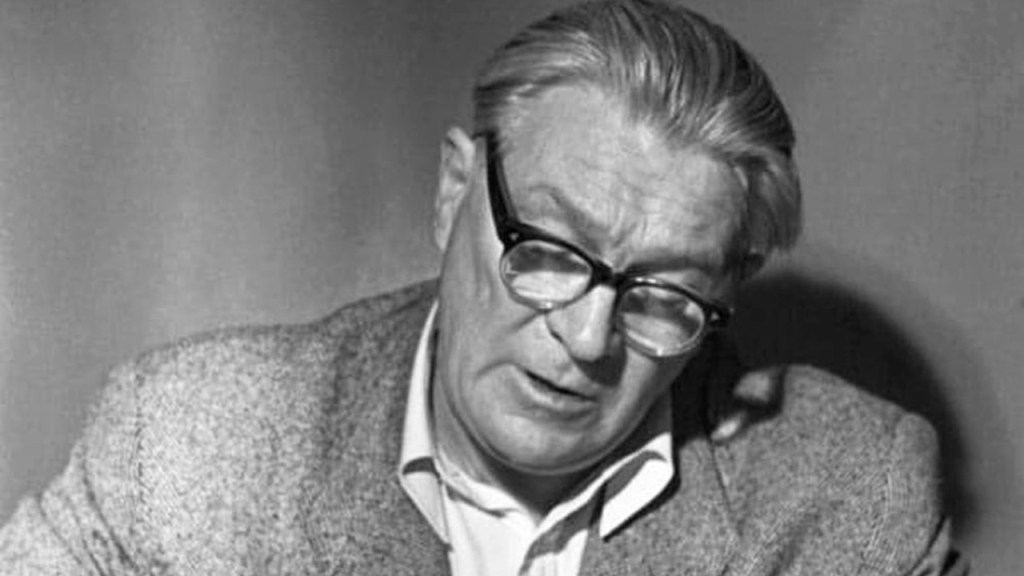
Boris Barnet was a Soviet filmmaker widely celebrated for his distinctive contribution to the world of cinema, particularly within the silent and early sound film era. His filmography is best known for adeptly combining elements of comedy and drama, exemplified through works that often resonate with both poignant and lighthearted tones, engaging audiences with an array of human emotions and experiences.
Barnet’s career began in the silent film era, where he initially emerged as an actor before transitioning behind the camera to direct his own projects. This period saw the release of some of his most acclaimed works, like Miss Mend, a film that demonstrated his flair for blending action with comedy, and The House on Trubnaya, celebrated for its satirical take on Soviet life. The advent of sound cinema opened new avenues for Barnet, who adeptly adapted to the changing landscape with films like By the Bluest of Seas, which showcased his ability to capture the poetic and idyllic aspects of life against the backdrop of the Soviet Union’s vast and varied landscapes.
Barnet’s films are special for their unique blend of visual and thematic ingredients that paint a vivid picture of Soviet life during his time. A recurring theme is the celebration of the human spirit and resilience amidst social and political turbulence. In Okraïna, for example, Barnet explores the lives of ordinary people affected by World War I, offering a nuanced perspective that merges the grim realities of war with subtle, humane humour, reflecting the complexities and ironies of life itself. His works often embody a sense of optimism and embrace of life’s absurdities, presenting characters who navigate through their circumstances with grace and wit.
He had a knack for capturing the rhythm of life, with films like The House on Trubnaya that seamlessly incorporate dynamic editing and meticulous framing to breathe life into the everyday activities of his characters. The visual style in his films plays a pivotal role, serving not merely as aesthetic embellishment but as a crucial storytelling device. The dance of camera movements, the play of lights, and the composition of scenes in Barnet’s oeuvre all come together to create a poetic and deeply immersive cinematic experience.

Boris Barnet (1902 – 1965)
Calculated Films:
- Outskirts (1933)
- By the Bluest of Seas (1936)
Similar Filmmakers
- Abram Room
- Aleksandr Dovzhenko
- Charlie Chaplin
- Edlar Ryazanov
- Fedor Ozep
- Fridrikh Ermler
- Georgi Daneliya
- Grigori Kozintsev
- Igor Savchenko
- Jean Renoir
- Lev Arnshtam
- Lev Kuleshov
- Marlen Khutsiev
- Mikhail Kalotazov
- Nikolai Ekk
- Sergei Eisenstein
- Vsevolod Pudovkin
- Yuri Zhelyabuzhsky

Boris Barnet’s Top 5 Films Ranked
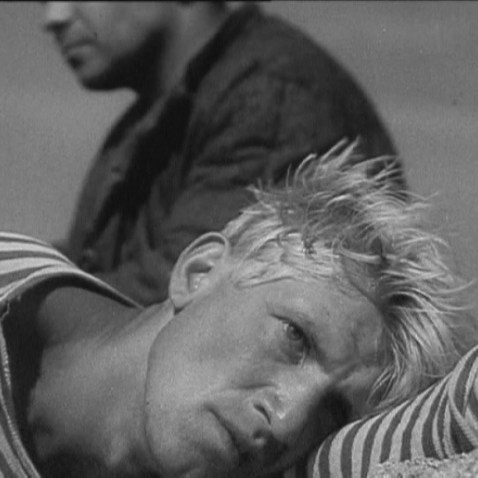
1. By The Bluest of Seas (1936)
Genre: Romantic Comedy, Stalinist Musical


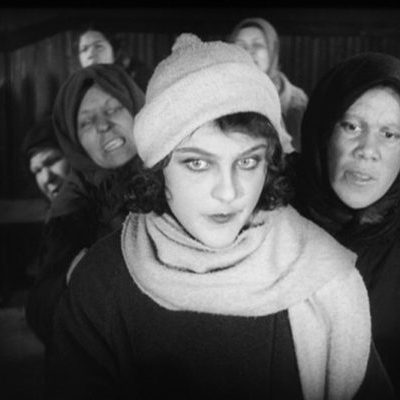
3. The House on Trubnaya (1928)
Genre: Comedy, Soviet Montage

4. Outskirts (1933)
Genre: War, Period Drama, Socialist Realism

5. The Girl with a Hatbox (1927)
Genre: Comedy

Boris Barnet: Themes and Style
Themes:
- Humanism and Empathy: Barnet’s films are imbued with a strong sense of humanism and empathy towards his characters, often everyday people facing life’s myriad challenges. His works frequently explore the inherent dignity and worth of individuals regardless of their social or economic status.
- War and Patriotism: Many of Barnet’s films reflect the sociopolitical climate of his time, addressing themes of war and patriotism, often set during the Russian Civil War or World War II. He uses these settings not to glorify war but to highlight the human stories within, focusing on the experiences of ordinary people amidst conflict.
- Love and Relationships: Relationships and romantic entanglements feature prominently in his films, providing a canvas to explore the dynamics of love, loyalty, and betrayal. Barnet skillfully navigates the intricacies of human connections, weaving tales that are both poignant and relatable.
- Social Commentary: His films often subtly critique societal norms and expectations, providing insight into the cultural and social dynamics of his era.
Styles:
- Visual Storytelling: Barnet was known for his innovative use of visual elements to tell stories. He employed a variety of techniques, from montage to long takes, to convey emotion and narrative effectively.
- Blend of Genres: His work often blends various genres, incorporating elements of comedy, drama, and romance to create films that defy easy categorisation.
- Naturalistic Acting: Barnet had a preference for naturalistic, understated acting styles, allowing the characters’ humanity to shine through without excessive dramatisation.
- Atmospheric Details: He had a keen eye for creating atmospheric settings, using the environment and scenery to enhance the narrative and emotional impact of his films.
Directorial Signature:
- Understated Humor: One of Barnet’s signature elements is his use of humour. His films often incorporate comedic elements in a subtle, understated manner, providing relief without undermining the narrative’s gravity.
- Character-Driven Narratives: His films are distinctly character-driven, with the narrative unfolding through the perspectives and experiences of the protagonists.
- Visual Composition: Barnet paid meticulous attention to the composition of each frame, creating visually striking images that serve the story and engage the audience.
- Empathetic Portrayal: His directorial approach is marked by empathy. Characters in his films are depicted with depth and nuance, making them relatable and endearing to audiences.
- Narrative Pacing: Barnet’s films exhibit careful pacing, allowing stories to unfold naturally while giving audiences time to connect with the characters and immerse themselves in the narrative.
Boris Barnet – Great Director


 Bronze Screen Dream