
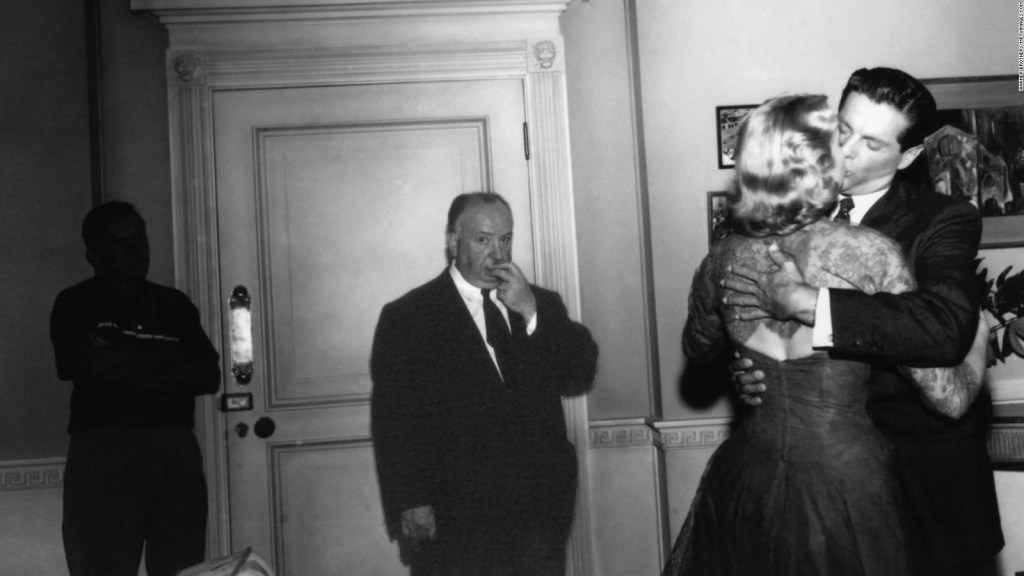
Alfred Hitchcock, affectionately known as the “Master of Suspense,” was a pioneering figure in cinema who directed more than 50 feature films. His iconic works, such as Psycho, Vertigo, and North by Northwest, have left an indelible mark on the landscape of filmmaking, particularly within the suspense and psychological thriller genres.
Hitchcock was born in 1899 in Leytonstone, London. He entered the film industry in the 1920s, starting as a title card designer for silent films before working his way up to become a director. His early British films, including The 39 Steps and The Lady Vanishes, demonstrated his burgeoning talent for suspenseful storytelling. In 1939, Hitchcock moved to Hollywood, where he would create some of his most celebrated films and solidify his position as one of the industry’s most influential directors.
One of Hitchcock’s defining characteristics as a filmmaker was his exploration of complex psychological themes. His films frequently delved into characters’ minds with dual natures, hidden secrets, or deep-seated anxieties, as seen in Psycho‘s Norman Bates or Vertigo‘s Scottie Ferguson. Hitchcock also repeatedly employed the motif of the ‘wrong man’ accused, further heightening the tension and suspense in films like North by Northwest and The Wrong Man.
The Master of Suspense
Hitchcock often informed the audience of impending danger before his characters were aware, turning everyday scenarios into intense, edge-of-your-seat experiences. This technique, along with his exploration of voyeurism and audience complicity in the act of watching, is exemplified in Rear Window. Hitchcock also pioneered the ‘MacGuffin,’ a plot device that drives the narrative but has little to no explanation or importance within the story.
In terms of visual style, Hitchcock was known for his meticulous attention to detail and innovative camera techniques. He was renowned for his use of montage to build suspense and for his subjective camera and point-of-view shots, which immersed viewers in the psychological states of his characters. The dolly zoom or “Vertigo effect” in Vertigo is a prime example of Hitchcock’s inventive use of camera work to represent a character’s emotional state visually.
Hitchcock’s impact on cinema is profound and far-reaching. He has influenced countless filmmakers, from Brian De Palma and David Lynch to Martin Scorsese and Steven Spielberg, who have cited Hitchcock as a major influence in their work. His films continue to be studied and admired for their innovative techniques and narrative style. Hitchcock changed the way suspense and thriller films were made and altered audience expectations of these genres.

Alfred Hitchcock (1899 – 1980)
Calculated Films:
- The Lodger: A Story of the London Fog (1927)
- Blackmail (1929)
- The 39 Steps (1935)
- The Lady Vanishes (1938)
- Rebecca (1940)
- Foreign Correspondent (1940)
- Suspicion (1941)
- Shadow of a Doubt (1943)
- Lifeboat (1944)
- Spellbound (1945)
- Notorious (1946)
- Rope (1948)
- Stage Fright (1950)
- Strangers on a Train (1951)
- Dial M for Murder (1954)
- Rear Window (1954)
- To Catch A Thief (1955)
- The Man Who Knew Too Much(1956)
- The Wrong Man(1956)
- Vertigo (1958)
- North By Northwest (1959)
- Psycho (1960)
- The Birds (1963)
- Marnie (1964)
Similar Filmmakers
- Otto Preminger
- Park Chan-wook
- Robert Siodmak
- Roman Polanski
- Stanley Kubrick
- Thorold Dickinson

Alfred Hitchcock’s Top 10 Films Ranked
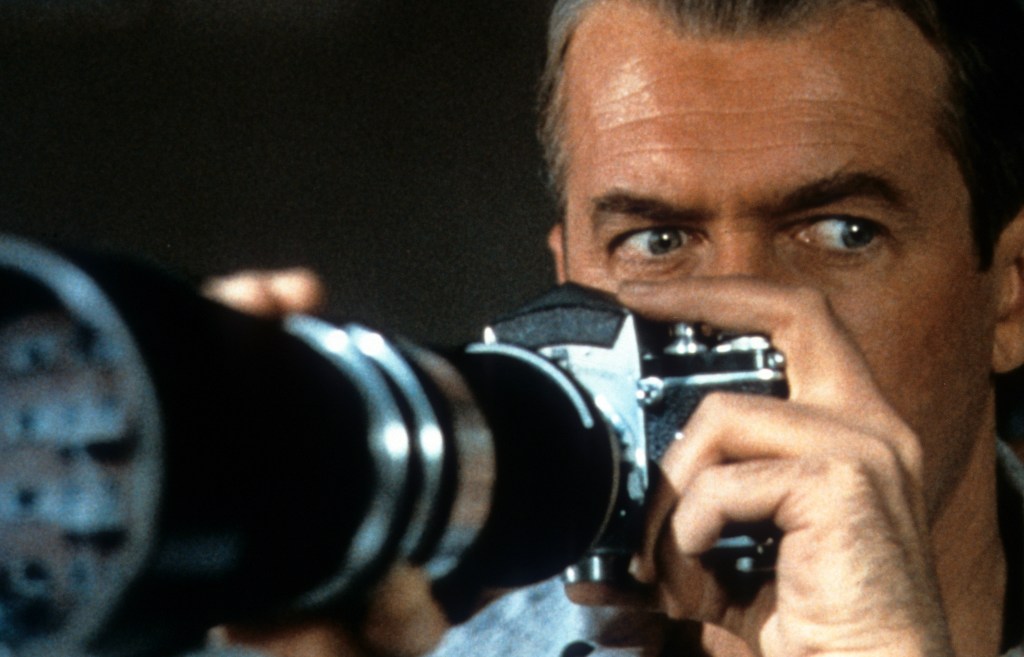
1. Rear Window (1954)
Genre: Mystery, Thriller
2. Psycho (1960)
Genre: Psychological Thriller, Mystery, Horror

3. Vertigo (1958)
Genre: Mystery, Psychological Thriller, Romance

4. North by Northwest (1959)
Genre: Thriller, Spy, Mystery

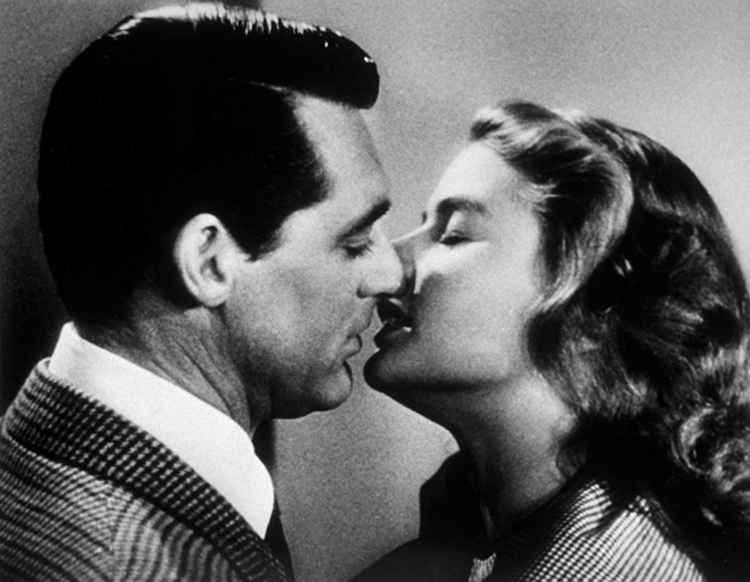
5. Notorious (1946)
Genre: Spy, Romance, Thriller

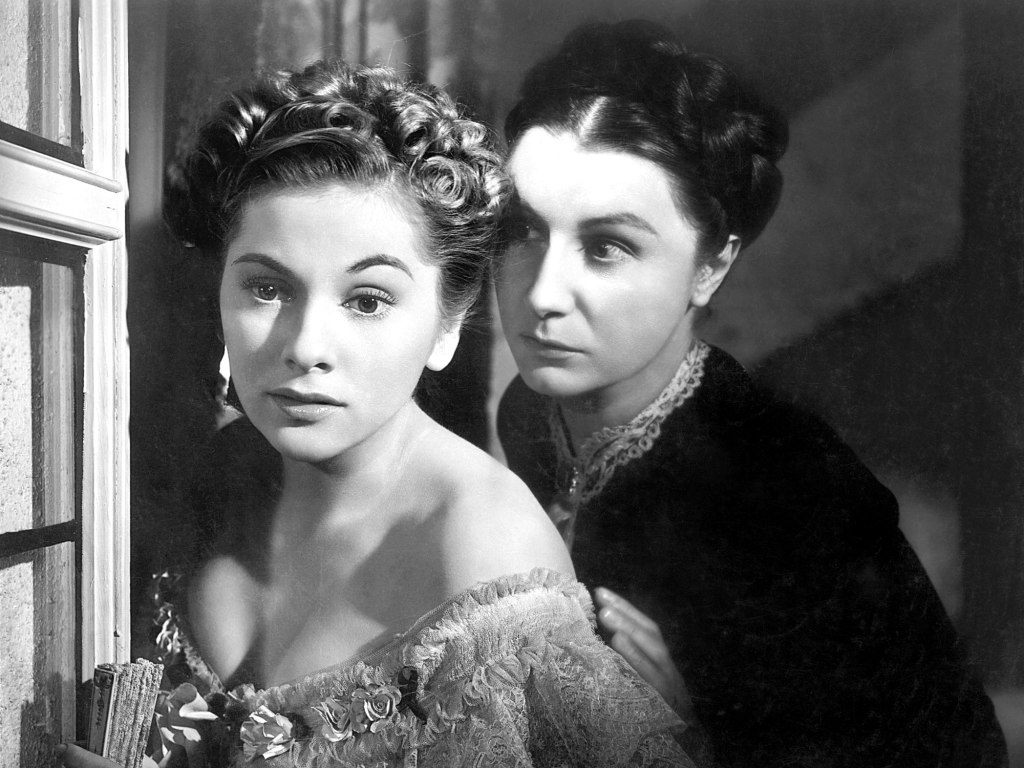
6. Rebecca (1940)
Genre: Mystery, Romance, Psychological Thriller, Gothic
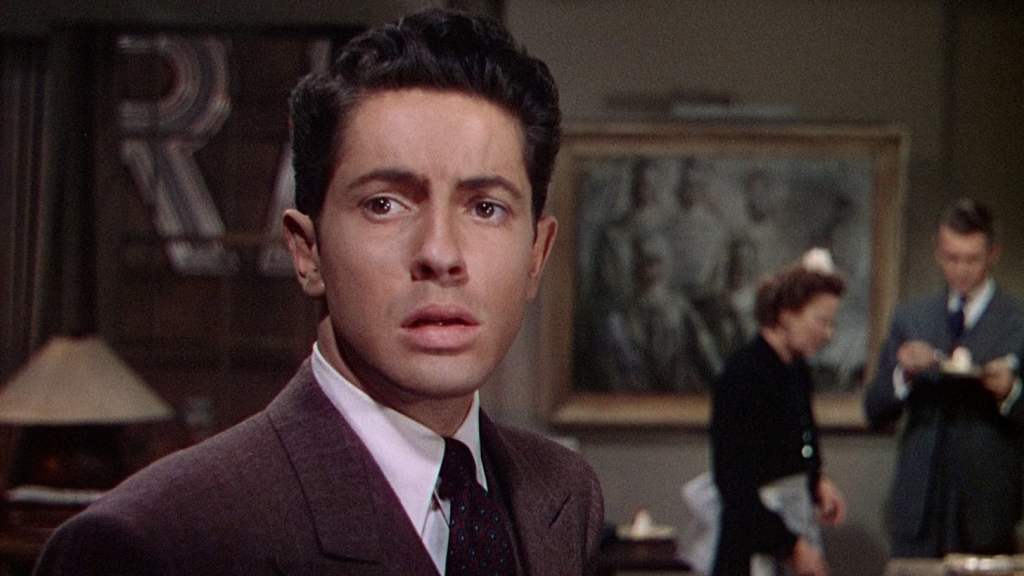
7. Strangers on a Train (1951)
Genre: Crime, Thriller, Psychological Thriller

8. Shadow of a Doubt (1943)
Genre: Psychological Thriller, Film Noir

9. Rope (1948)
Genre: Crime, Psychological Thriller
10. The Birds (1963)
Genre: Thriller, Natural Horror

Alfred Hitchcock: Themes and Style
Themes:
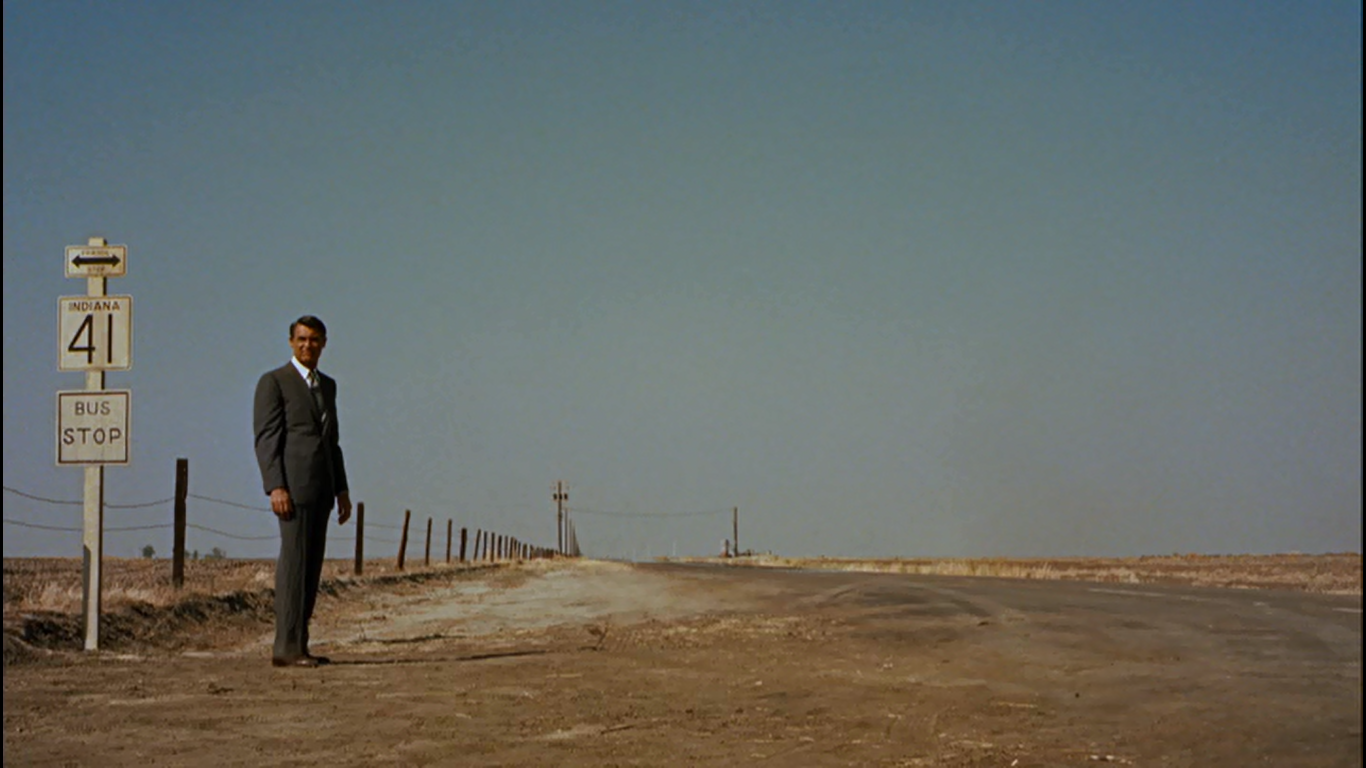
- Innocent People Accused: Many of Hitchcock’s films revolve around protagonists wrongfully accused of crimes they didn’t commit. In North by Northwest, the main character is mistaken for a spy, pulling him into a deadly game of cat and mouse.
- Obsession: Characters in Hitchcock films often grapple with overpowering obsessions. Vertigo is a key example, where the protagonist becomes obsessed with the image of a woman and her doppelganger.
- Voyeurism: Hitchcock frequently touched on the theme of voyeurism. Rear Window presents a protagonist who observes his neighbours from his apartment, commenting on the human tendency to spy on others.
- Mother-Daughter Relationships: The complex relationships between mothers and daughters appear in many films. In Psycho, the unsettling bond between Norman Bates and his mother is central to the plot.
- Duality of Human Nature: Hitchcock was intrigued by the idea that everyone has a dark side. This is evident in films like Strangers on a Train, where seemingly ordinary people harbour deadly secrets.
Styles:
- Suspense Over Shock: Rather than relying on sudden shocks, Hitchcock was a master of building tension over time. He once said suspense is letting the audience know something the characters don’t, creating anticipation.
- MacGuffin: Hitchcock often employed a “MacGuffin,” a plot device that drives the narrative but is ultimately unimportant. For instance, in The 39 Steps, the secrets the protagonist carries are a MacGuffin.
- Iconic Camera Work: Hitchcock’s films often feature inventive cinematography. In Vertigo, he used the “dolly zoom” technique to create a disorienting effect representing the protagonist’s acrophobia.
- Cool Blondes: Hitchcock frequently cast cool, aloof blonde women as his leading ladies, believing they represented an air of mystery. Actresses like Grace Kelly and Tippi Hedren became synonymous with this archetype.
- Dark Humor: Even in his most suspenseful films, Hitchcock often injected moments of dark humour, providing audiences with a brief respite from the tension.
Directorial Signature:
- Cameos: One of Hitchcock’s most endearing trademarks was his cameo appearances in nearly all his films. These brief appearances became a fun game for audiences, spotting the director in unexpected places.
- Restrained Violence: Hitchcock often implied violence rather than showing it explicitly. The infamous shower scene in Psycho is terrifying, yet audiences never see the knife make contact.
- Misleading Audiences: Hitchcock enjoyed subverting audience expectations. A classic example is Janet Leigh’s early departure in Psycho, making audiences question where the story was heading.
- Strong Visual Motifs: Hitchcock employed recurring visual motifs to underline his themes. Birds in The Birds or spirals in Vertigo are symbols that deepen the story’s layers.
- Sound and Music: Hitchcock was acutely aware of sound design and its importance. Bernard Herrmann’s chilling score for Psycho or the use of natural bird sounds in The Birds heightened the sense of dread.
Alfred Hitchcock: The Greatest Director


 Bronze Screen Dream