
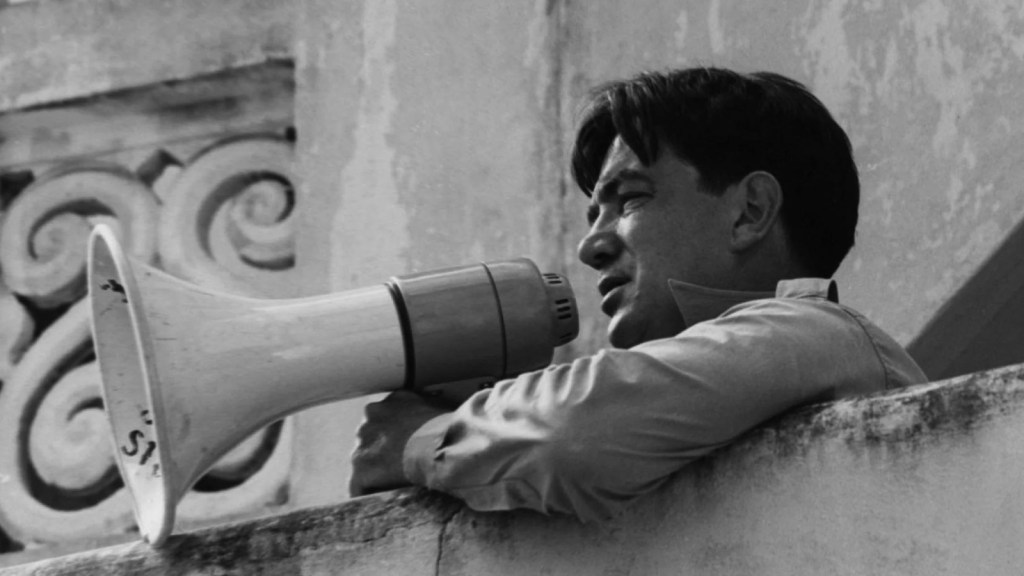
Alexander Mackendrick was a Scottish-American director and educator renowned for his significant contributions to the British film industry during its post-war golden era. He is best known for his work on dark comedies and dramas that masterfully blend wit, narrative complexity, and moral inquiry. Among his most celebrated films are The Ladykillers and Sweet Smell of Success, which stand out for their sharp dialogue, memorable characters, and incisive social commentary, showcasing his adeptness in both comedic and dramatic realms.
Mackendrick’s career began in earnest with Ealing Studios, where he honed his craft and developed a distinctive storytelling approach. His films during this period, such as Whisky Galore! and The Man in the White Suit, are characterised by a blend of humour, satire, and social critique, reflecting post-war British society’s quirks and challenges. Mackendrick’s work often explored themes of innocence versus corruption, the individual against the system, and the absurdities of modern life, all while maintaining a humanistic perspective and a subtle moral undertone. His visual style, marked by meticulous composition and dynamic use of space, served to enhance the narrative and thematic depth of his films.
Transitioning to Hollywood in the late 1950s, Mackendrick’s Sweet Smell of Success marked a pinnacle in his career, offering a cynical, noirish view of the media landscape, characterised by its sharp, acerbic script and compelling characters. This film, along with his later works, underscored his versatility and ability to adapt to different cinematic environments while maintaining his unique directorial voice. While his career failed to keep its momentum from this point onwards, his later years as an educator at the California Institute of the Arts further solidified his legacy, influencing generations of filmmakers.

Alexander Mackendrick (1912 – 1993)
Calculated Films:
- The Man in the White Suit (1951)
- Sweet Smell of Success (1957)
Similar Filmmakers
- Basil Dearden
- Bill Forsyth
- Billy Wilder
- Carol Reed
- Charles Crichton
- Coen Brothers
- Frank Capra
- Henry Cornelius
- Howard Hawks
- John Boulting
- Lindsay Anderson
- Michael Powell
- Preston Sturges
- Richard Lester
- Robert Hamer
- Ronald Neame
- Roy Ward Baker
- Sidney Gilliat

Alexander Mackendrick’s Top Films Ranked
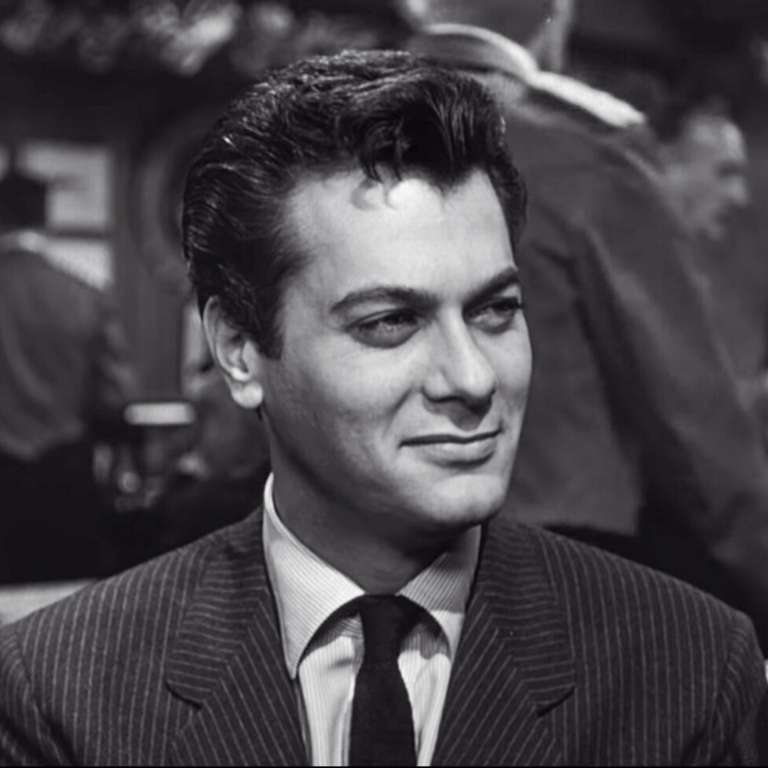
1. Sweet Smell of Success (1957)
Genre: Film Noir, Drama

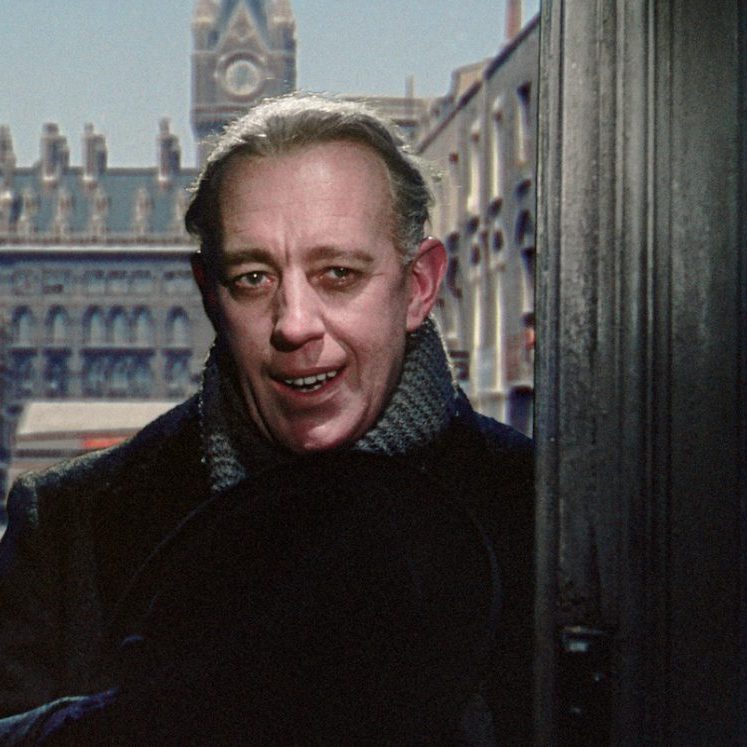
2. The Ladykillers (1955)
Genre: Black Comedy, Heist Film

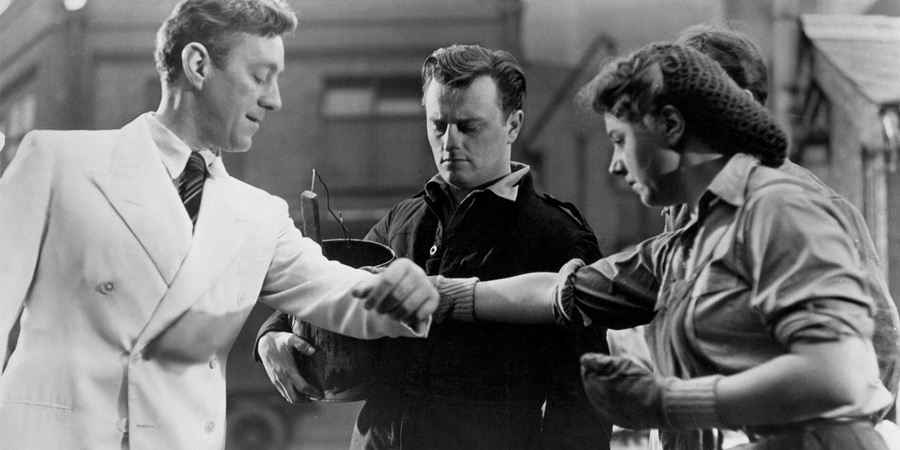
3. The Man in the White Suit (1951)
Genre: Comedy, Satire, Sci-Fi
4. Whisky Galore! (1949)
Genre: Comedy
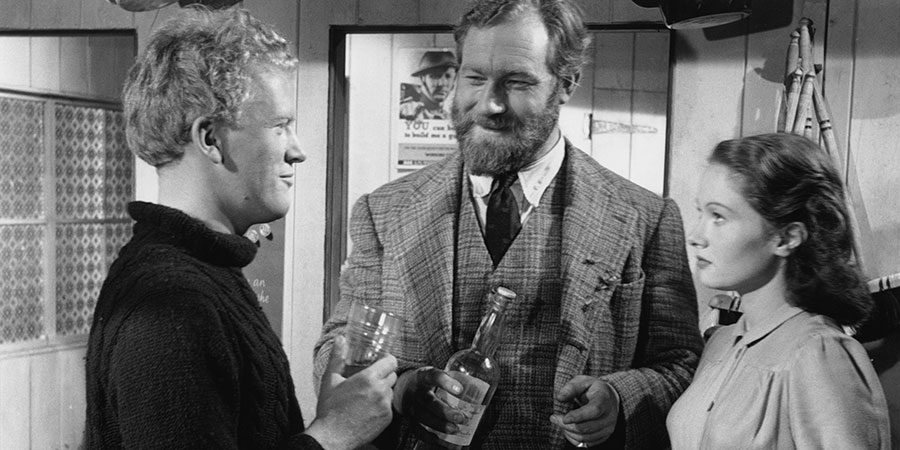
5. The Maggie (1954)
Genre: Comedy
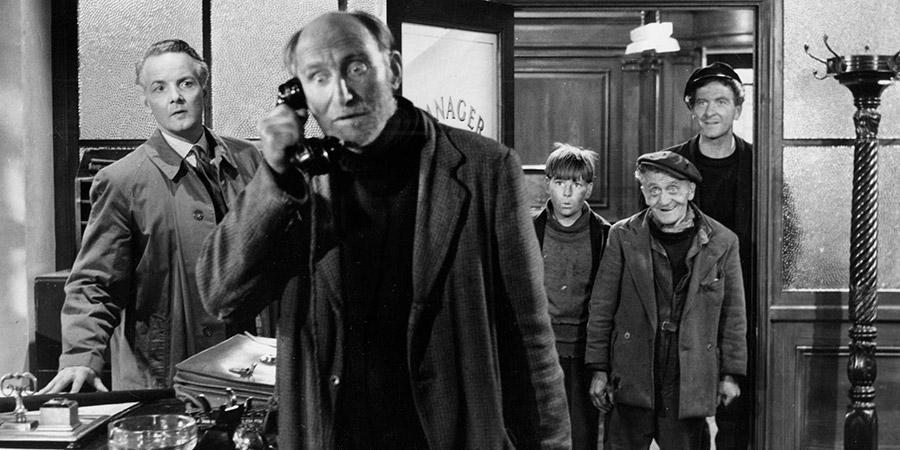
6. Mandy (1952)
Genre: Drama

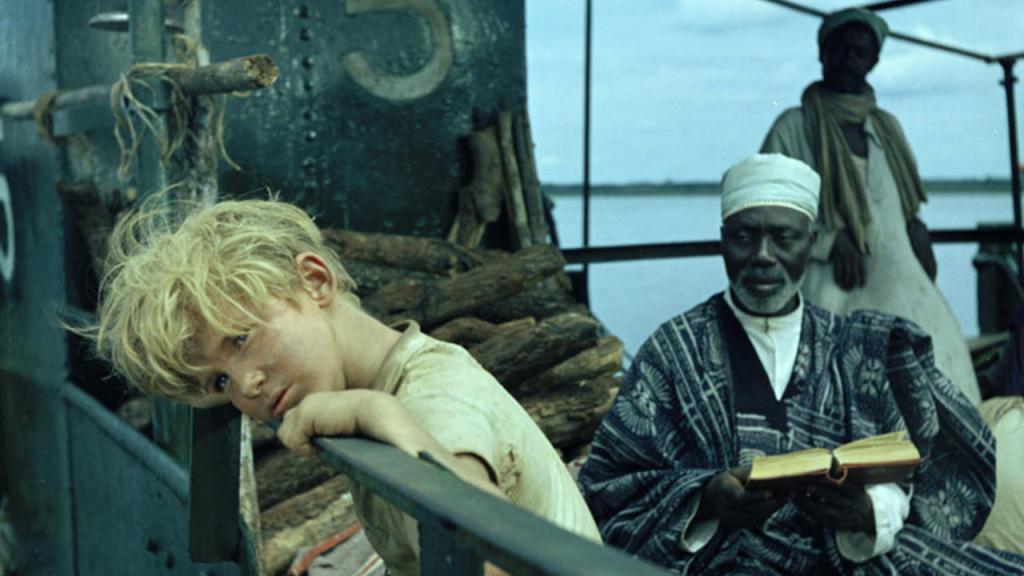
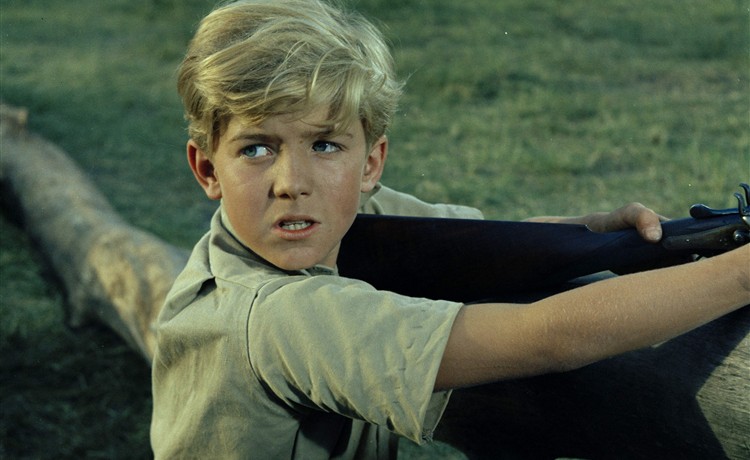
7. Sammy Goes South (1963)
Genre: Adventure, Coming-of-Age
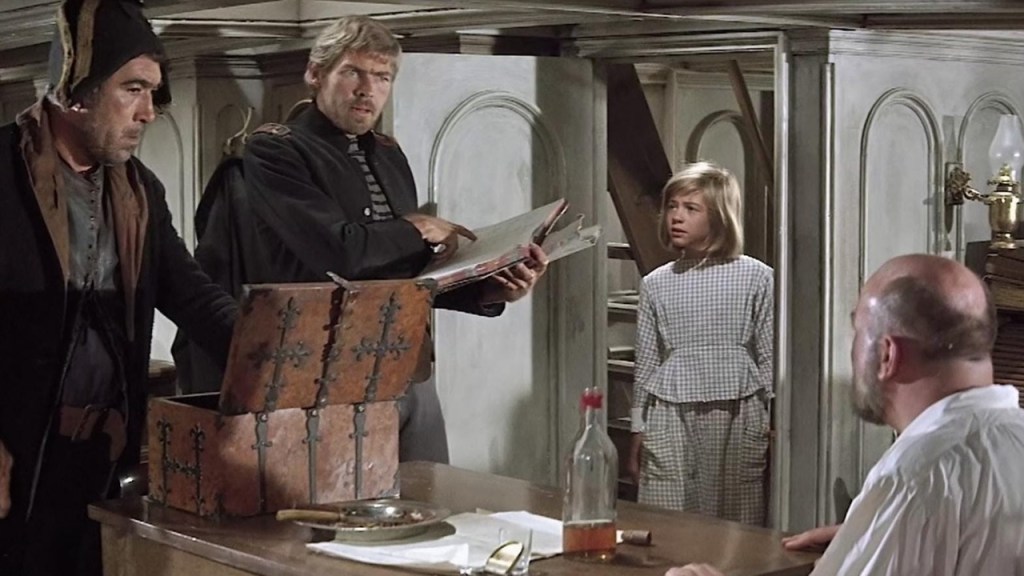
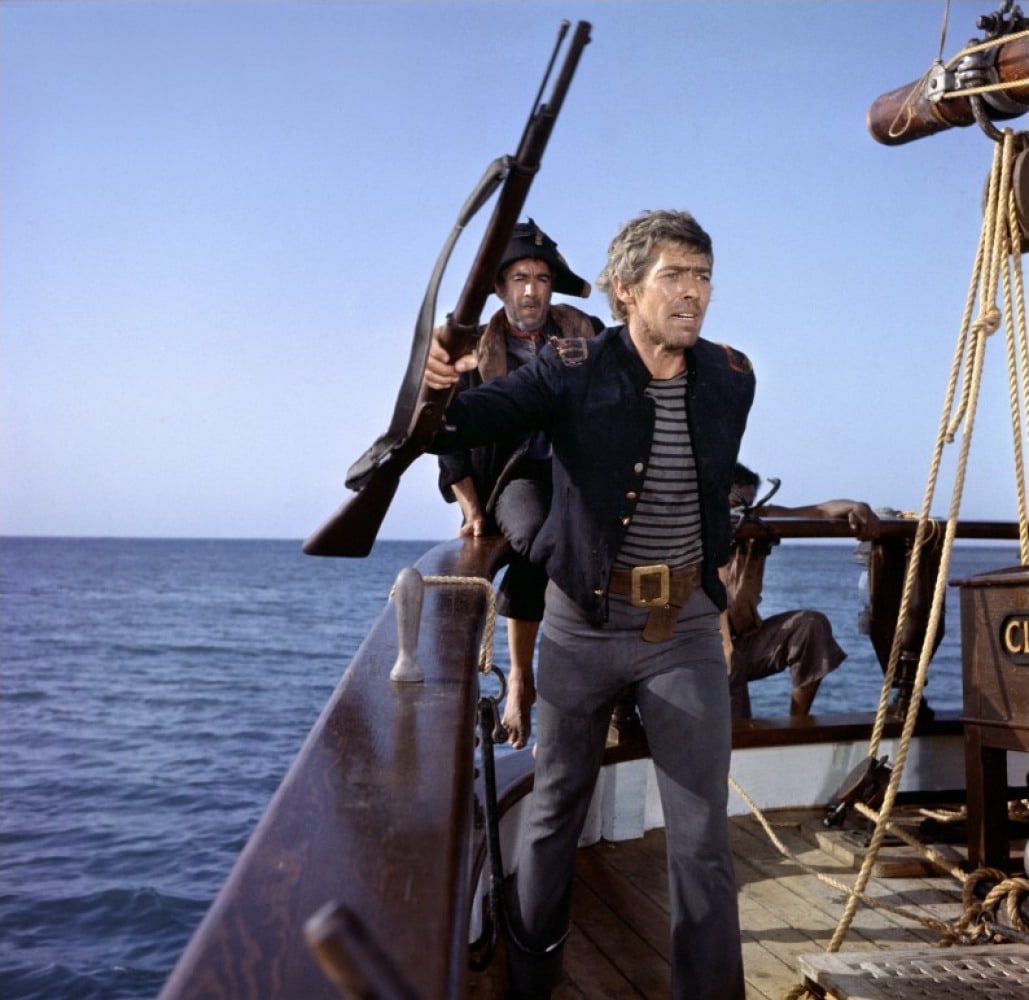
8. A High Wind in Jamaica (1965)
Genre: Adventure, Drama
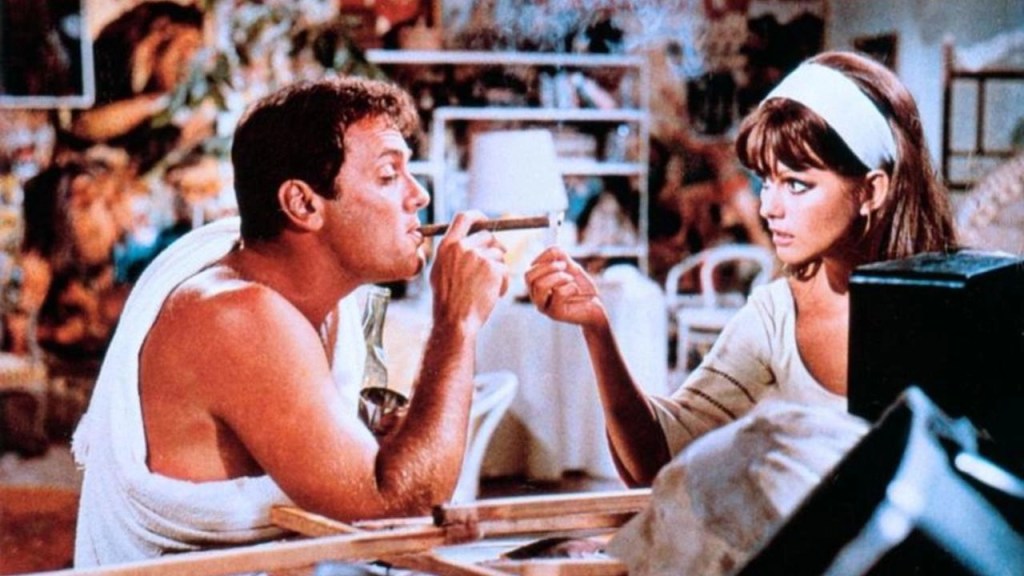
9. Don’t Make Waves (1967)
Genre: Comedy
Alexander Mackendrick: Themes and Style
Themes:
- Moral Ambiguity: Mackendrick often navigated the murky waters of human morality, portraying characters with dubious intentions. Films like Sweet Smell of Success shed light on the shady dealings of the media industry, revealing the complexities of ambition and moral compromise.
- Societal Critique: Many of his films are punctuated with commentary on society, often revealing its hypocrisies and challenging conventional wisdom.
- The Individual vs. The Collective: Films such as Whisky Galore! and The Man in the White Suit show individual aspirations, ideals, or dilemmas clashing with societal expectations or the collective good.
- Coming-of-Age and Innocence: Works like A High Wind in Jamaica explore themes of innocence lost and the transition from childhood to adulthood amidst challenging circumstances.
Styles:
- Visual Wit: Mackendrick employed a visually dynamic style, often using imaginative and whimsical visuals to communicate humour, tension, or narrative progression.
- Nuanced Characters: His characters were rarely one-dimensional. Instead, they were layered, complex, and, at times, contradictory, offering audiences an intricate portrayal of humanity.
- Atmospheric Tone: Whether it was the bleak, urban backdrop of Sweet Smell of Success or the quaint village setting of Whisky Galore!, Mackendrick had a knack for setting a distinct mood for his narratives, making the environment a character in itself.
- Narrative Economy: Mackendrick believed in the principle of showing, not telling. His scenes were constructed for maximum narrative efficiency, conveying information visually rather than relying heavily on exposition.
Directorial Signature:
- Character-Driven Plots: While his stories were diverse, Mackendrick’s focus was consistently on the characters and their internal journeys, making his films deeply personal and relatable.
- A Blend of Comedy and Drama: One of Mackendrick’s hallmarks was his ability to blend comedic elements with intense drama, often within the same scene, showcasing the duality of life’s situations.
Alexander Mackendrick: The 233rd Greatest Director


 Bronze Screen Dream