
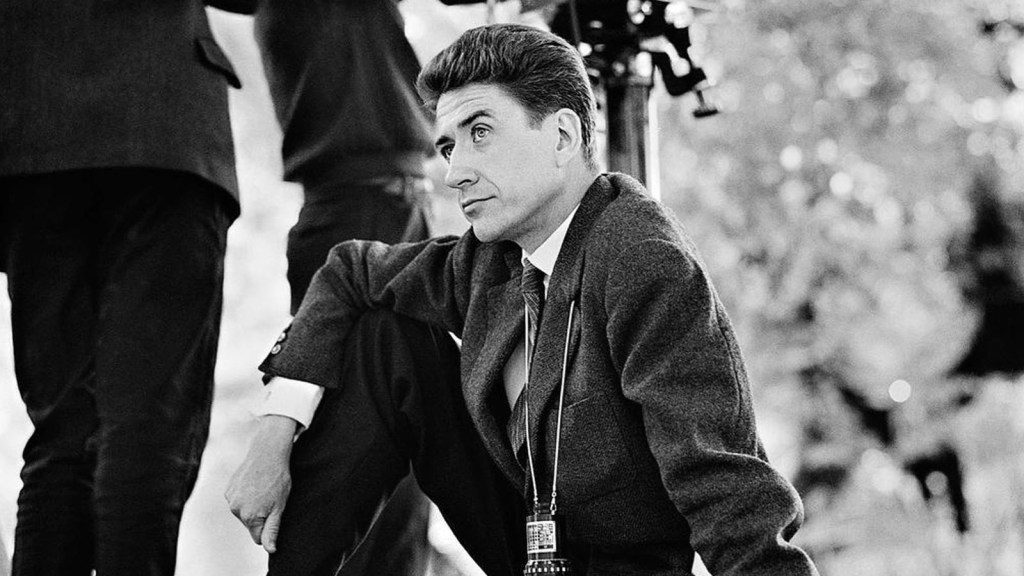
Alain Resnais is a French director renowned for his revolutionary contributions to the Left Bank and French New Wave and his explorations of memory, time, and the subconscious. A master of form and narrative deconstruction, Resnais held an enduring fascination with the complex interplay of perception and reality, often employing innovative cinematic techniques to underscore this relationship. His best-regarded works are seminal films such as Hiroshima Mon Amour and Last Year at Marienbad, which serve as testaments to his distinct, boundary-pushing approach to filmmaking.
Resnais began his career in the 1940s as a film editor before transitioning into directing, initially focusing on short documentaries. His work quickly gained attention for its experimental elements, and by the 1950s, he had established himself as a leading figure in avant-garde cinema. His first feature film, Hiroshima Mon Amour, released in 1959, was met with international acclaim, paving the way for a rich, eclectic body of work marked by continual experimentation and a refusal to adhere to conventional storytelling norms.
Recurring themes in Resnais’ films centre around memory, time, and the elusive nature of truth. This is especially evident in Last Year at Marienbad, where the narrative is deliberately ambiguous, creating a sense of disorientation and leaving the audience unsure of what is real and what is memory. Another motif that frequently appears in his work is the concept of duality and parallel realities, such as in Je t’aime, je t’aime, which explores the paradoxes of time travel. His films often challenge traditional linear narratives, instead offering fragmented and elliptical storytelling that reflects the complexities of human perception and memory.
“I am never driven. Every film I have made has been an assignment.”
Resnais’ visual style is notable for its daring and inventive use of cinematography. He often utilised long tracking shots, such as in Muriel, or The Time of Return, to create a sense of dislocation and unease, reflecting his characters’ psychological states. He was also known for his unique editing techniques, employing jump cuts and dissolves to blur the boundaries between past and present, fantasy and reality. This is most famously executed in Hiroshima Mon Amour, where the intertwining stories of the characters create a dialogue between personal and collective memory.
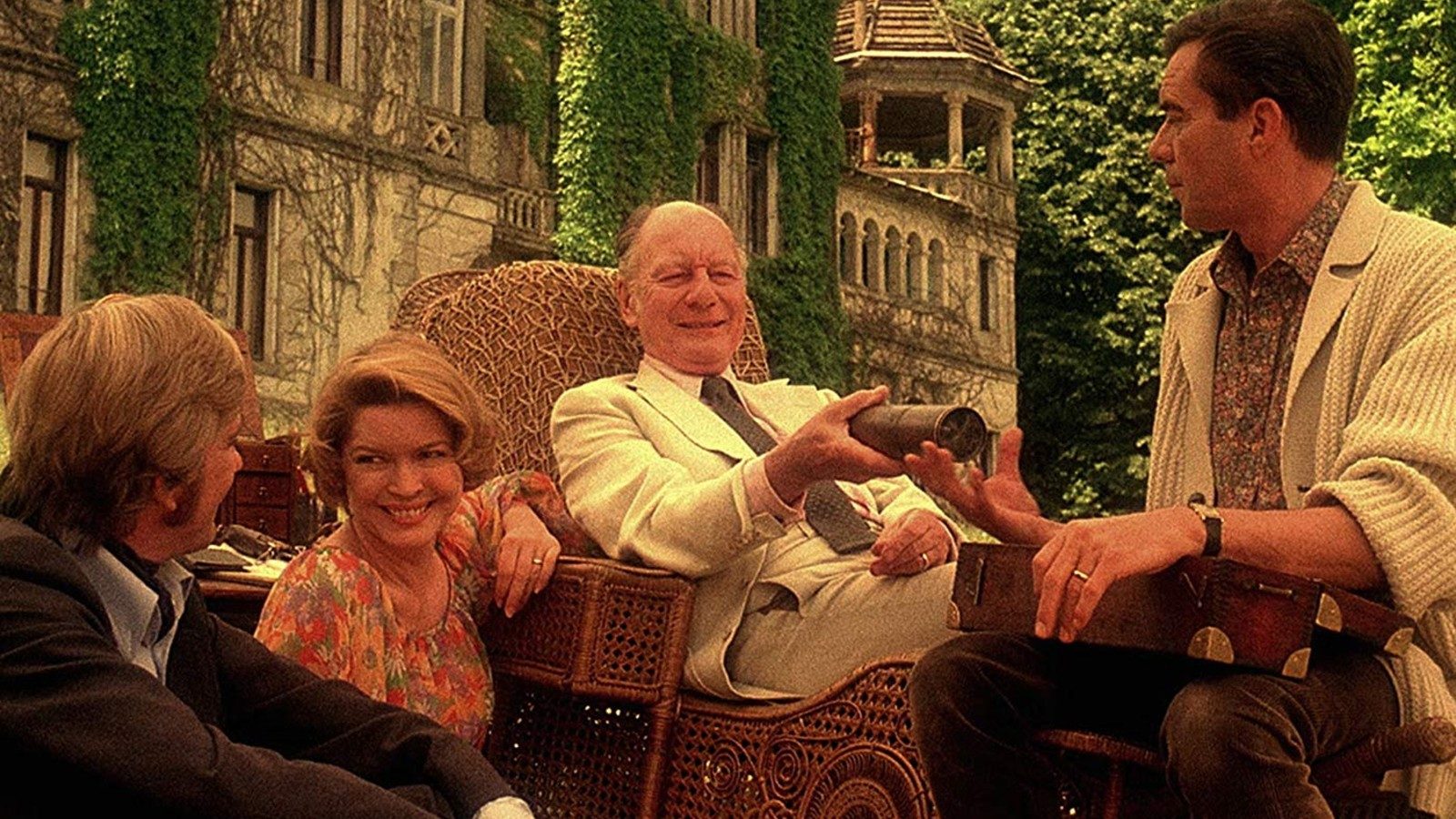
His approach to filmmaking also extended to a close collaboration with screenwriters, with whom he shared his ideas and inspirations. These collaborations resulted in films like Providence, written by British playwright David Mercer, where the narrative unrolls through the perspective of a dying novelist, blurring fiction and reality.
Resnais’ influence on cinema is far-reaching, inspiring a wide array of filmmakers both in France and internationally. Directors like David Lynch and Christopher Nolan have cited his work as a significant influence on their approach to narrative structure and their exploration of themes like memory and perception. Asian auteurs like Wong Kar-wai and Tsai Ming-Liang have also been influenced by Resnais’ distinctive blend of formal experimentation and emotional depth. His impact on film history is undeniable, cementing his legacy as a trailblazer in challenging cinematic conventions and expanding the possibilities of what film can communicate.

Alain Resnais (1922 – 2014)
Calculated Films:
- Statues Also Die (1953)
- Night and Fog (1956)
- All The World’s Memories (1956)
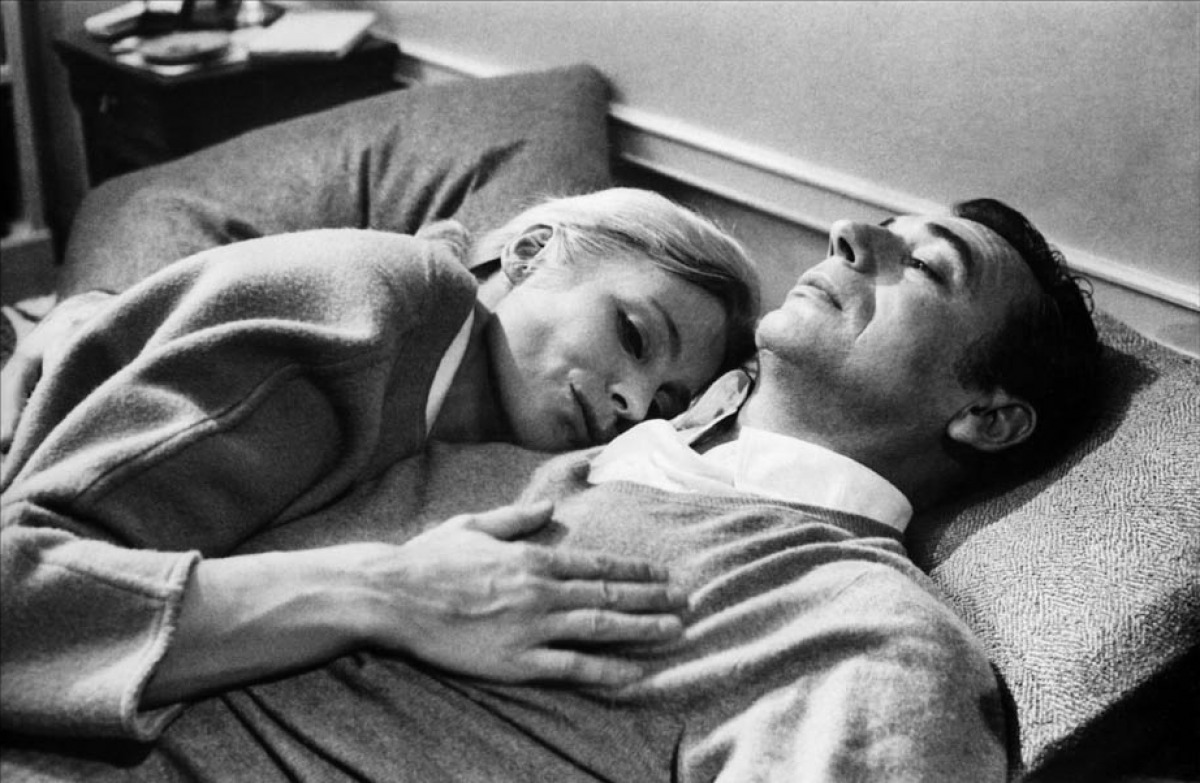
- Hiroshima Mon Amour (1959)
- Last Year at Marienbad (1961)
- Muriel, or the Time of Return (1963)
- Providence (1977)
- My American Uncle (1980)
Similar Filmmakers
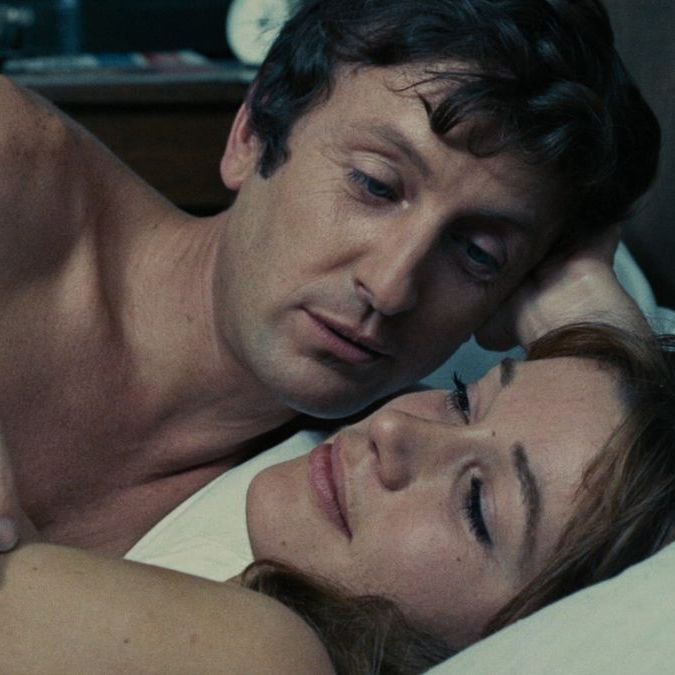
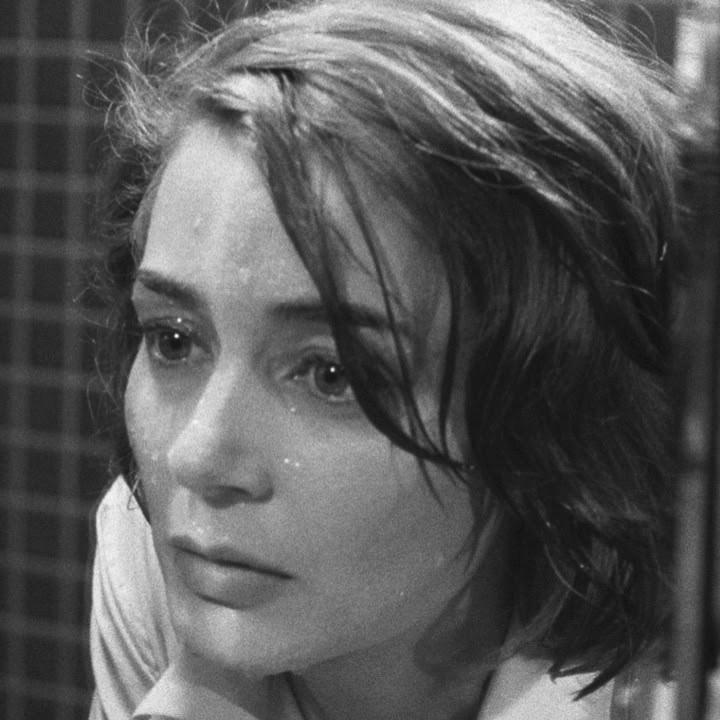

Alain Resnais’ Top 10 Films Ranked
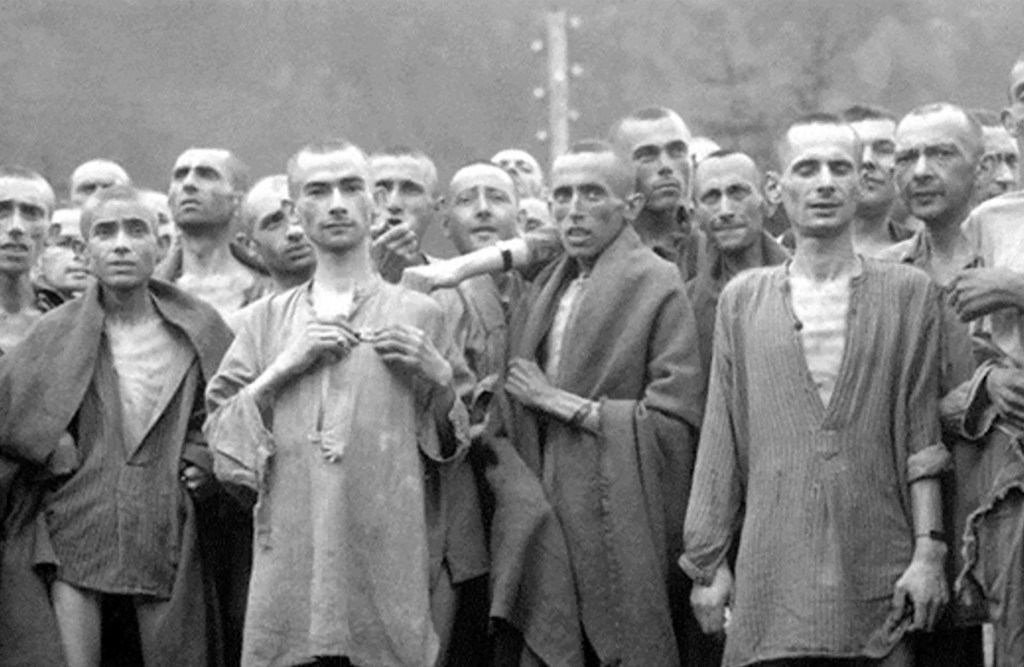
1. Night and Fog (1956)
Genre: War Documentary, Essay Film
2. Hiroshima Mon Amour (1959)
Genre: Romance, Psychological Drama
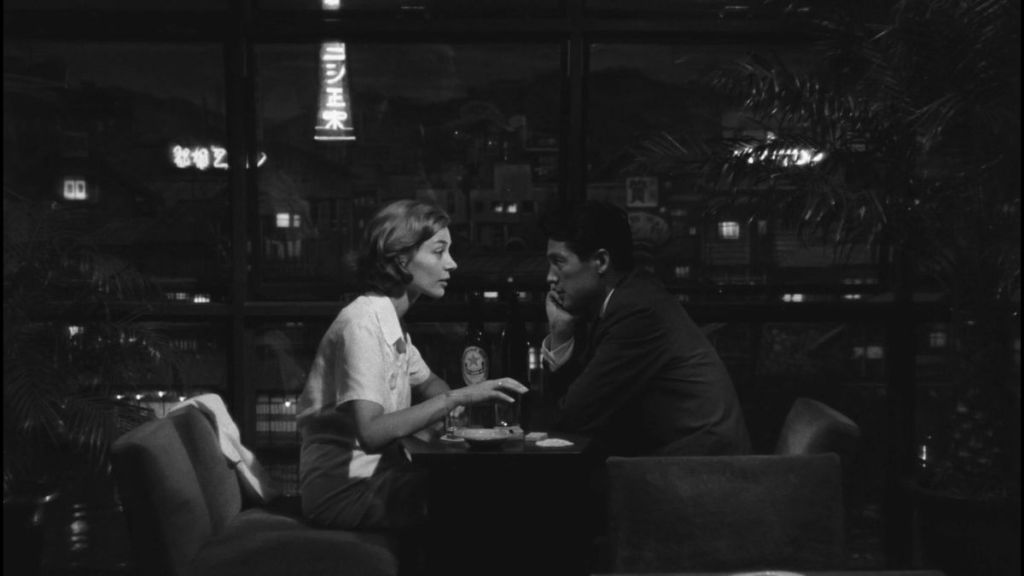
3. Last Year at Marienbad (1961)
Genre: Surrealism, Mystery, Experimental
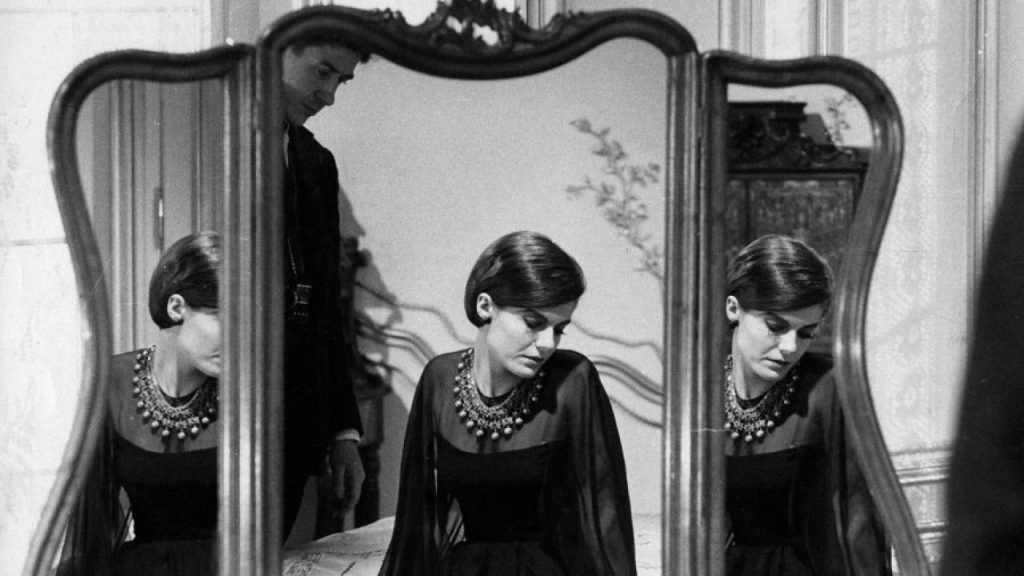
4. Providence (1977)
Genre: Psychological Drama, Surrealism, Black Comedy
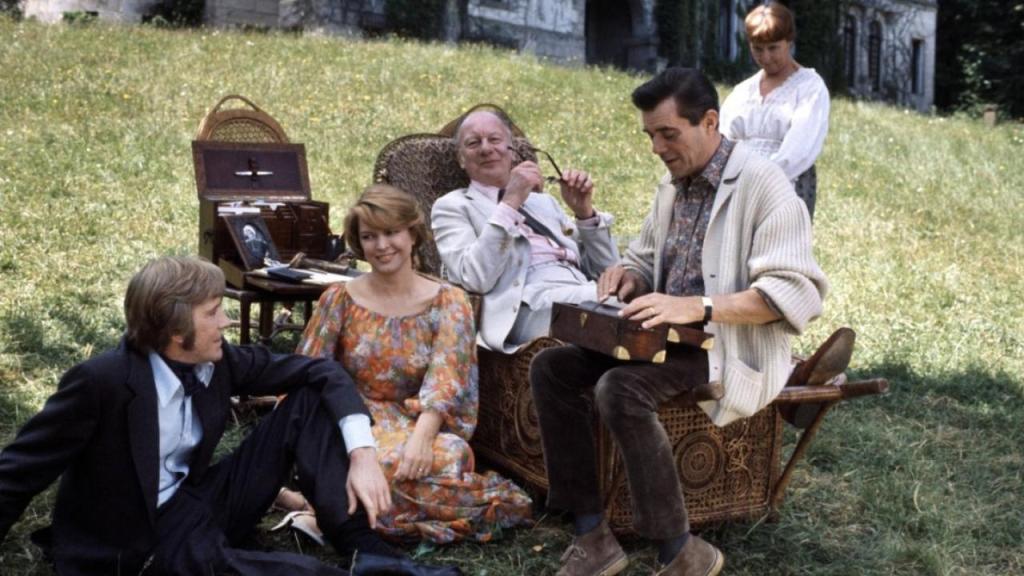
5. My American Uncle (1980)
Genre: Psychological Drama
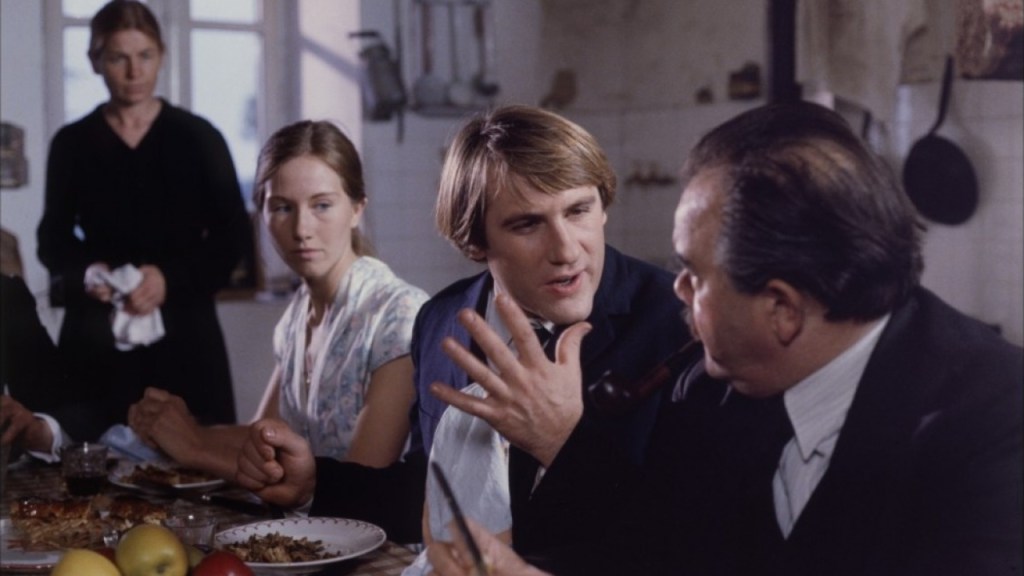
6. Je T’Aime, Je T’Aime (1968)
Genre: Sci-Fi, Psychological Drama, Time Travel

7. The War Is Over (1966)
Genre: Political Drama

8. All The World’s Memories (1956)
Genre: Documentary
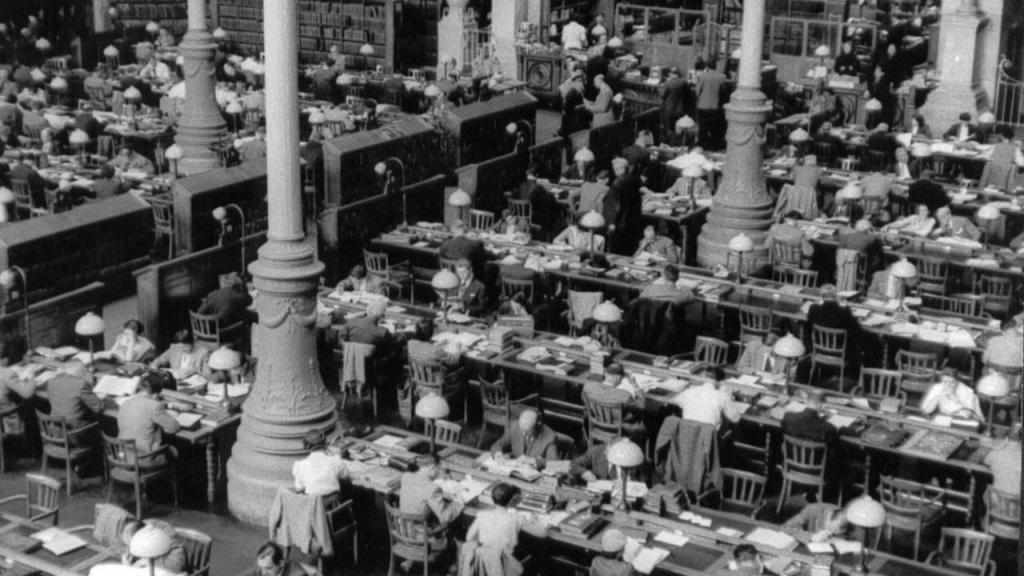
9. Muriel, or the Time of Return (1963)
Genre: Psychological Drama

10. Wild Grass (2009)
Genre: Drama, Romance
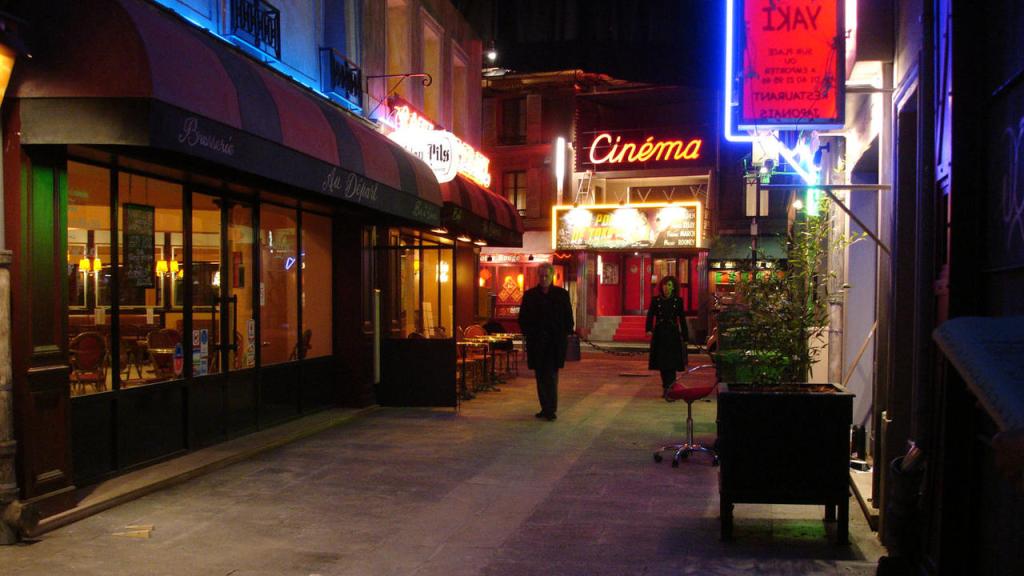
Alain Resnais: Themes and Style
Themes:
- Memory and Time: Resnais frequently explored the fluidity of memory and the subjective nature of time. In Hiroshima Mon Amour, he intertwines personal recollection with historical events, demonstrating how past experiences shape present reality.
- The Impact of History on the Individual: His films, like Night and Fog, delve into the ways large-scale historical events imprint on personal lives, often highlighting the lasting effects of trauma and the struggle to come to terms with the past.
- Existential Inquiry and Alienation: In works such as Last Year at Marienbad, Resnais delves into existential questions, where characters navigate a labyrinth of uncertainty, often feeling alienated from their surroundings and themselves.
- Love and Relationships: Many of Resnais’s films, including Mon oncle d’Amérique, analyse the complexities of human relationships, examining the psychological underpinnings of love, attraction, and fidelity.
Styles:
- Non-Linear Storytelling: Resnais breaks away from traditional narrative structure, using flashbacks and fragmented timelines to construct his stories, as seen in Last Year at Marienbad, where time is treated as a malleable construct.
- Innovative Editing Techniques: His editing often defies conventional continuity, creating a disorienting effect that mirrors the characters’ psychological states. This is particularly evident in the seamless transitions between memory and current events in Hiroshima Mon Amour.
- Visual Abstraction: Resnais uses abstract visuals and surreal imagery to evoke emotions and represent psychological landscapes rather than to depict straightforward reality, a technique prominently featured in Last Year at Marienbad.
- Theatrical Elements: He frequently employs a theatrical style, with deliberately staged sets and performances, as in Muriel, to emphasise the constructed nature of film and the artifice inherent in memory.
Directorial Signature:
- Collaborations with Notable Writers: Resnais often collaborated with prominent authors and playwrights like Marguerite Duras for Hiroshima Mon Amour and Alain Robbe-Grillet for Last Year at Marienbad, infusing his films with a literary depth.
- Use of Music: His directorial signature includes the use of evocative soundtracks that complement the narrative’s emotional tone. The collaboration with composer Hans Werner Henze for Muriel is a testament to his auditory sensibilities.
- Architectural Cinematography: Resnais frequently frames his narratives within architectural spaces, using the environment to reflect the mental state of his characters, a technique evident in the baroque corridors and salons of Last Year at Marienbad.
- Intellectual Rigor and Ambiguity: His films often pose more questions than they answer, encouraging the audience to engage in the construction of meaning. The enigmatic nature of Last Year at Marienbad leaves viewers pondering long after the film ends.
Alain Resnais: The 59th Greatest Director


 Bronze Screen Dream