
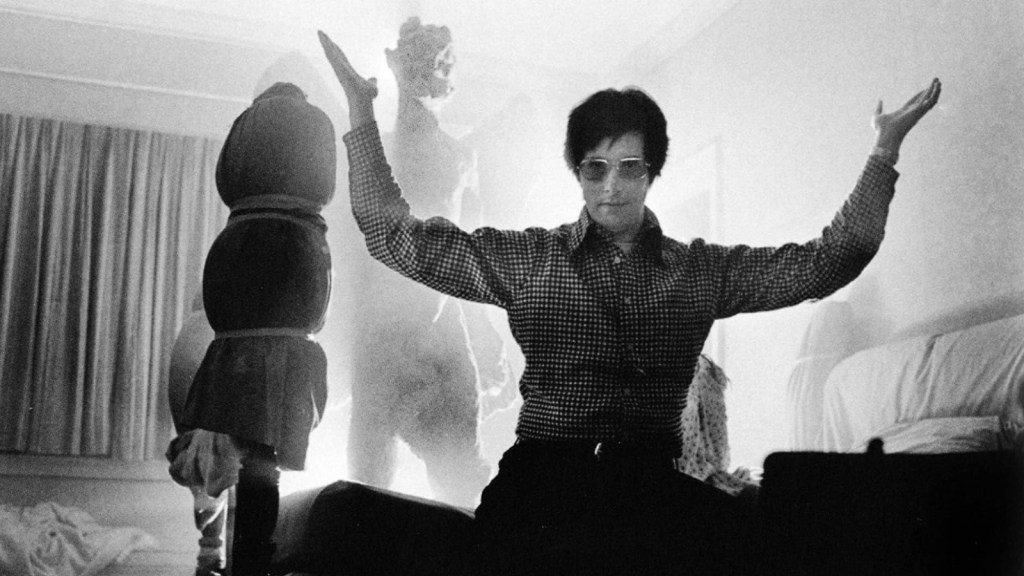
A titan of the New Hollywood era, American director William Friedkin is best known for his provocative and genre-defining films such as The French Connection and The Exorcist. His unflinching portrayal of gritty realities, compelling narratives, and innovative techniques have helped solidify his place in cinema history.
Starting as a documentary filmmaker, Friedkin made a smooth transition into feature films, a background that influenced his penchant for realism and the immediacy of his visual storytelling. His debut, The Boys in the Band, introduced audiences to his ability to adapt complex material and address controversial themes, a trait that would become characteristic of his career.
Friedkin’s films often delve into dark human behaviours and societal dysfunction. In The French Connection, he explores the grimy underworld of drug trafficking, while The Exorcist delves into psychological horror and religious struggle. Furthermore, his films exhibit a powerful sense of location, whether it’s the mean streets of New York or the atmospheric Georgetown in Washington D.C., rendering them characters in their own right.
Architect of the Modern Thriller
Visually, Friedkin stands out for his dynamic use of handheld camera work, fostering a sense of immediacy and tension. His car chase sequences, particularly in The French Connection, revolutionised the genre, while his innovative use of sound in The Exorcist heightened the film’s palpable dread. Moreover, his commitment to practical effects, as seen in the harrowing scenes in Sorcerer, showcases his dedication to authenticity, adding to the intensity and credibility of his narratives.
Friedkin’s work has considerably impacted filmmakers worldwide, with directors like Quentin Tarantino, Michael Mann, and John Woo citing him as an influence. His films, particularly The Exorcist and The French Connection, have left indelible marks on the horror and crime genres, respectively. Despite occasional critical reappraisals and controversies, his bold vision and commitment to the art form have ensured his legacy as one of the pivotal figures in 20th-century cinema.

William Friedkin (1935 – 2023)
Calculated Films:
- The French Connection (1971)
- The Exorcist (1973)
- Sorcerer (1977)
- To Live and Die in L.A. (1985)
- 12 Angry Men (1997)
Similar Filmmakers
- John Boorman
- John Carpenter
- John Frankenheimer
- Martin Scorsese
- Michael Mann
- Michael Winner
- Peter Yates
- Roman Polanski
- Sam Peckinpah
- Sidney Lumet
- Stanley Kubrick
- Stuart Rosenberg


William Friedkin’s Top 10 Films Ranked
1. The Exorcist (1973)
Genre: Supernatural Horror, Gothic
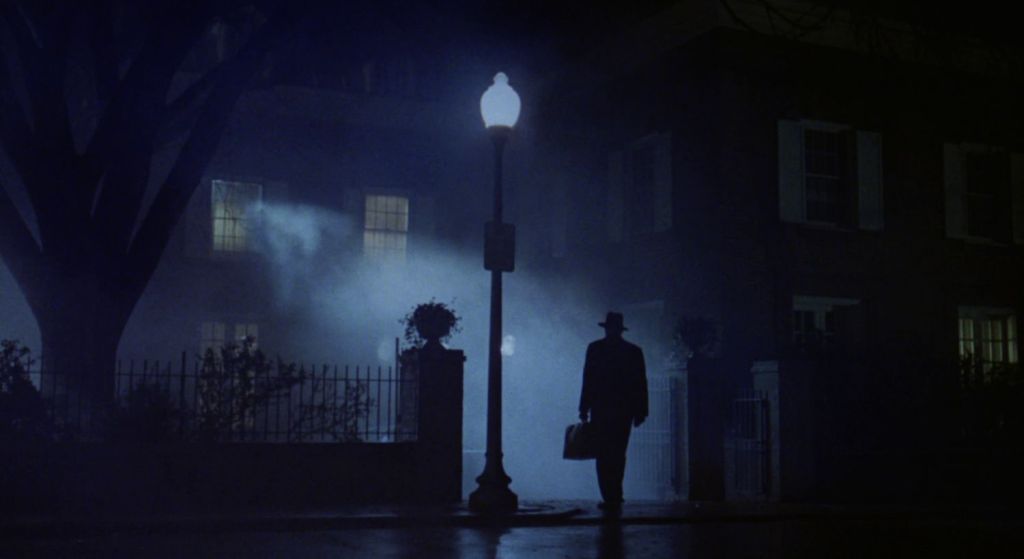
2. Sorcerer (1977)
Genre: Adventure, Thriller

3. The French Connection (1971)
Genre: Thriller, Crime, Police Procedural

4. To Live and Die in L. A. (1985)
Genre: Thriller, Crime, Police Procedural

5. The Boys in the Band (1970)
Genre: Drama

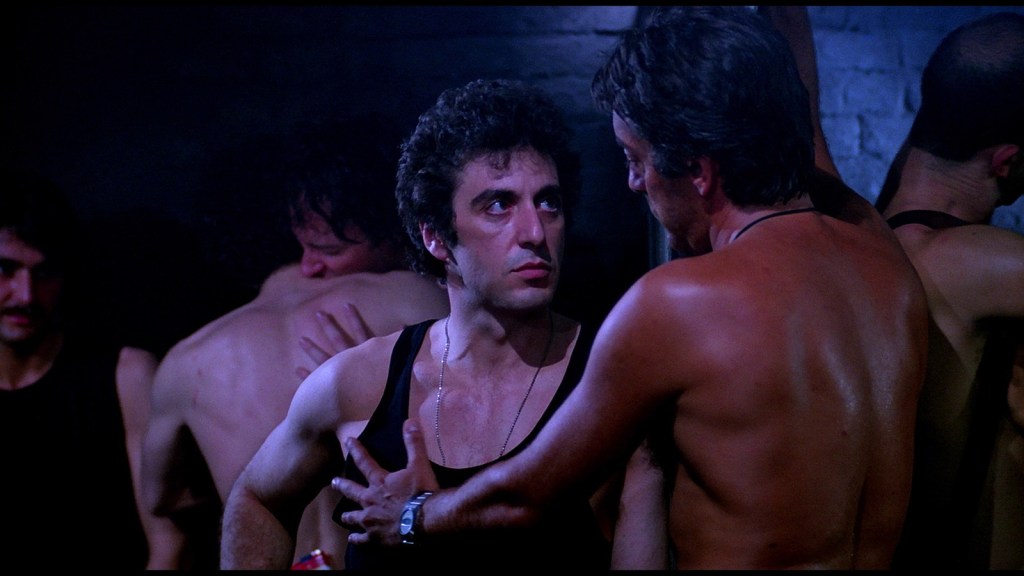
6. Cruising (1980)
Genre: Thriller, Crime, Police Procedural
7. Killer Joe (2011)
Genre: Crime, Black Comedy, Neo-Noir

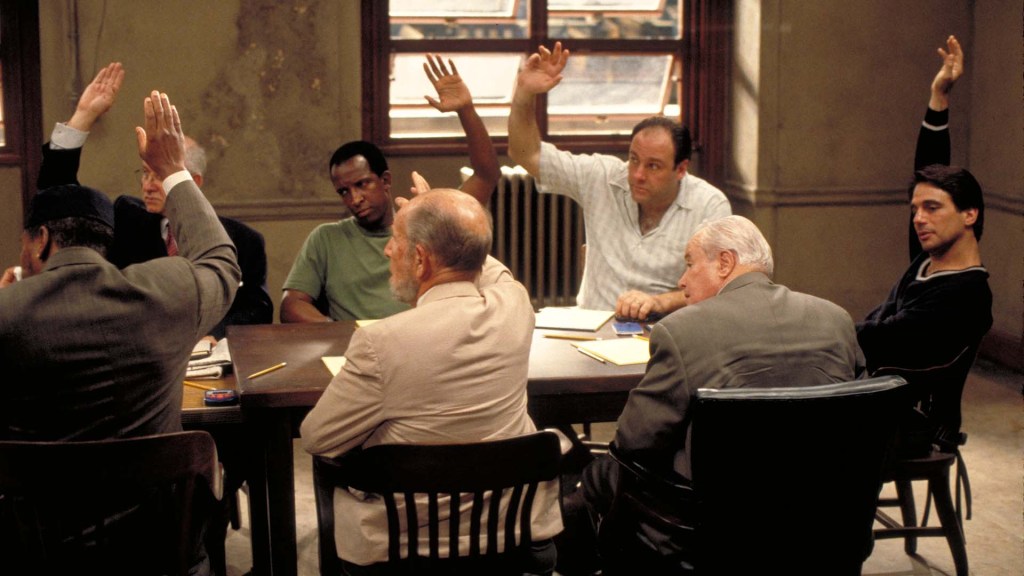
8. 12 Angry Men (1997)
Genre: Legal Drama
9. The Birthday Party (1968)
Genre: Drama, Crime, Surrealism

10. Bug (2006)
Genre: Psychological Thriller

William Friedkin: Themes and Style
Themes:
- Good vs. Evil: Many of Friedkin’s films grapple with the concept of good confronting evil, as seen most notably in The Exorcist, where demonic possession is countered by religious faith.
- Corruption and Morality: Films like The French Connection and To Live and Die in L.A. delve into the blurred lines between right and wrong within law enforcement and crime.
- Existential Crisis: Several of Friedkin’s characters face profound personal crises, often related to their careers or past actions. This is evident in movies like Sorcerer and Bug.
- Supernatural and Reality: Friedkin frequently balances supernatural elements with gritty reality, creating a disorienting blend that challenges the viewer’s perceptions, as seen in The Exorcist.
Styles:
- Documentary-style Realism: Borrowing from his early work in documentaries, Friedkin often employs handheld camera work and on-location shooting to create a realistic feel, as evident in The French Connection.
- Intense Set Pieces: Friedkin is known for his memorable and elaborately staged sequences, such as the iconic car chase scene in The French Connection and the bridge scene in Sorcerer.
- Psychoanalytic Underpinnings: Many of Friedkin’s films delve into the subconscious fears and desires of the characters, presenting a psychoanalytic dimension to the narrative.
- Atmospheric Soundscapes: Friedkin uses sound, or sometimes the lack thereof, to heighten tension and create mood. The unsettling sound effects in The Exorcist are a key example.
Directorial Signature:
- Use of Realism: Even in his most fantastical films, Friedkin roots the narrative in a tangible reality, which makes the supernatural or extreme elements even more jarring.
- Challenging the Audience: Friedkin doesn’t shy away from presenting disturbing or controversial material. His films often provoke intense reactions, pushing viewers to confront their fears or beliefs.
- Deep Character Study: Beyond the thrilling plots, Friedkin’s films always delve deep into the psyche of the characters. Their motivations, fears, and flaws are explored in depth.
- Innovative Techniques: Whether it’s pioneering new sound techniques in The Exorcist or executing high-adrenaline stunts in The French Connection, Friedkin consistently pushes the boundaries of film craft.
- Collaboration with Actors: Friedkin is known for his intense directorial approach with actors, sometimes using unorthodox methods to elicit genuine reactions. This is evident in the performances in films like The Exorcist and Bug.
William Friedkin: The 134th Greatest Director


 Bronze Screen Dream