
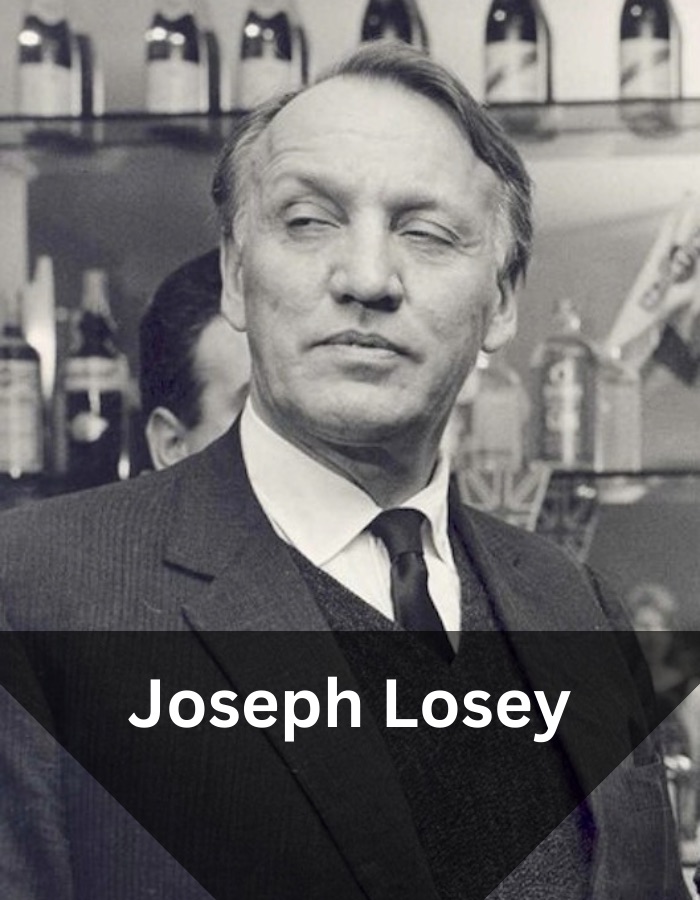
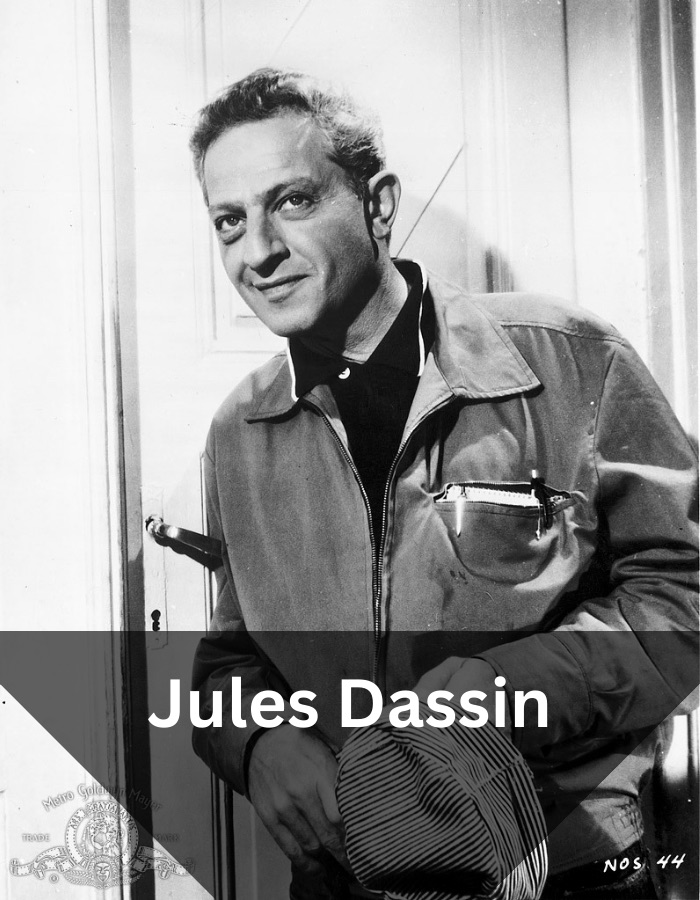
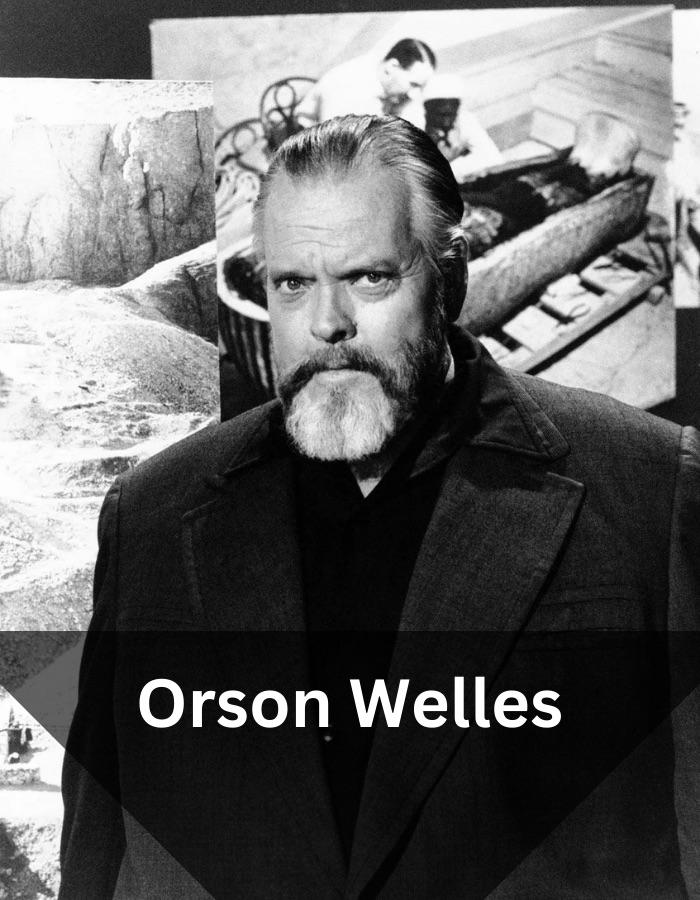
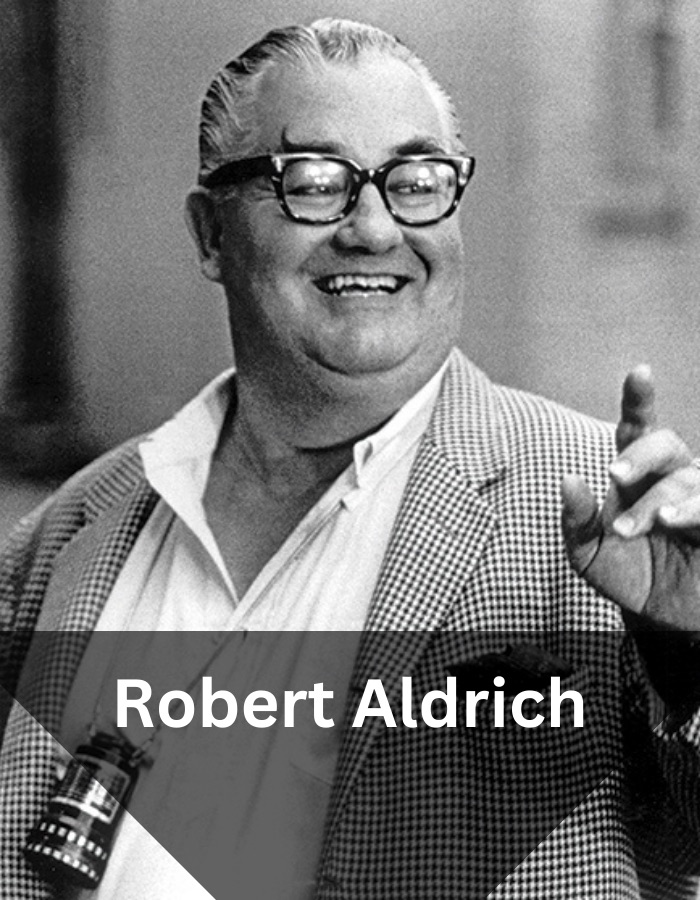
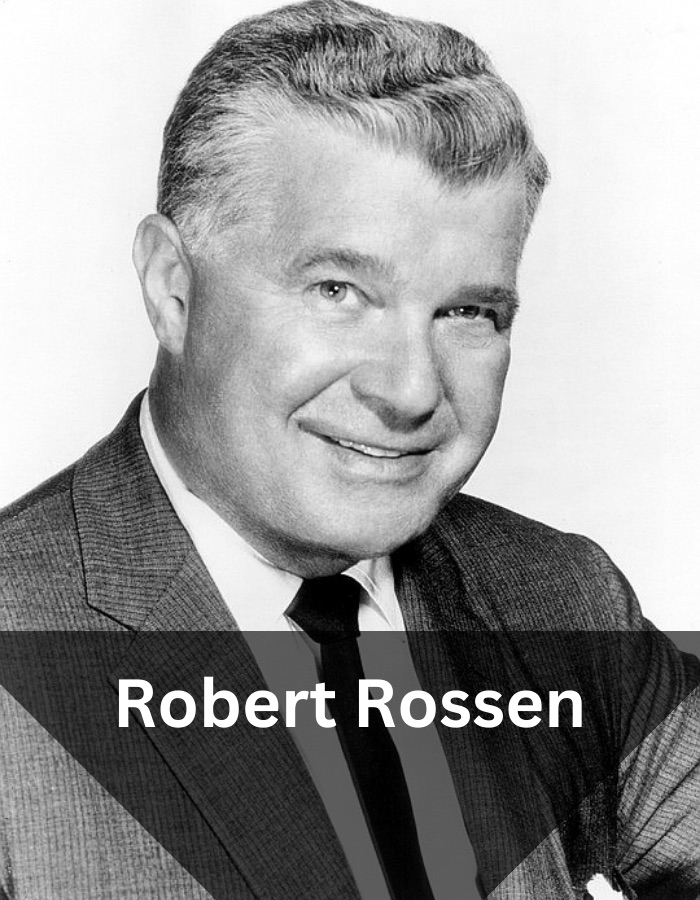
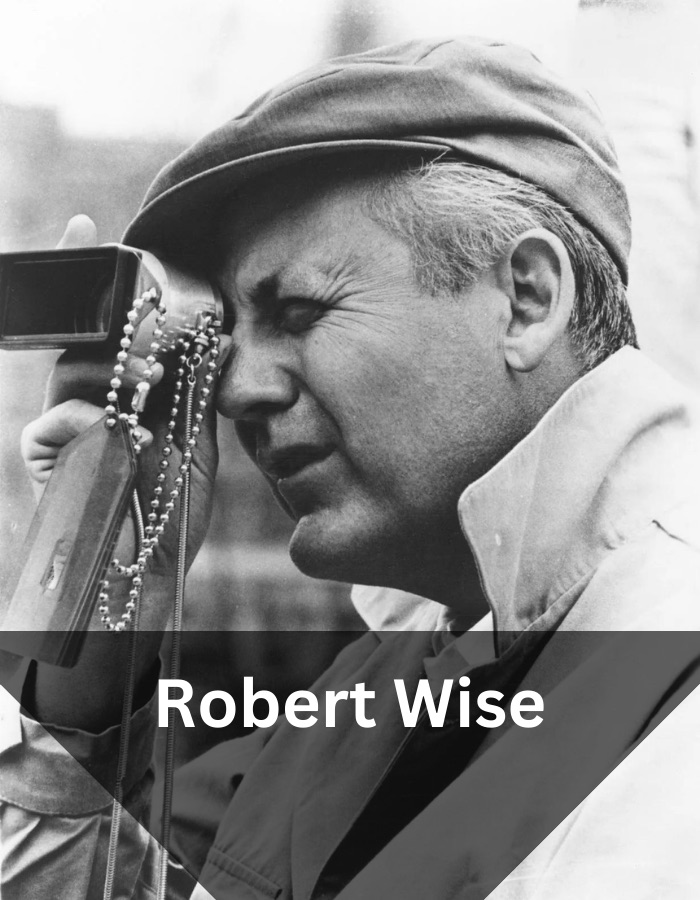
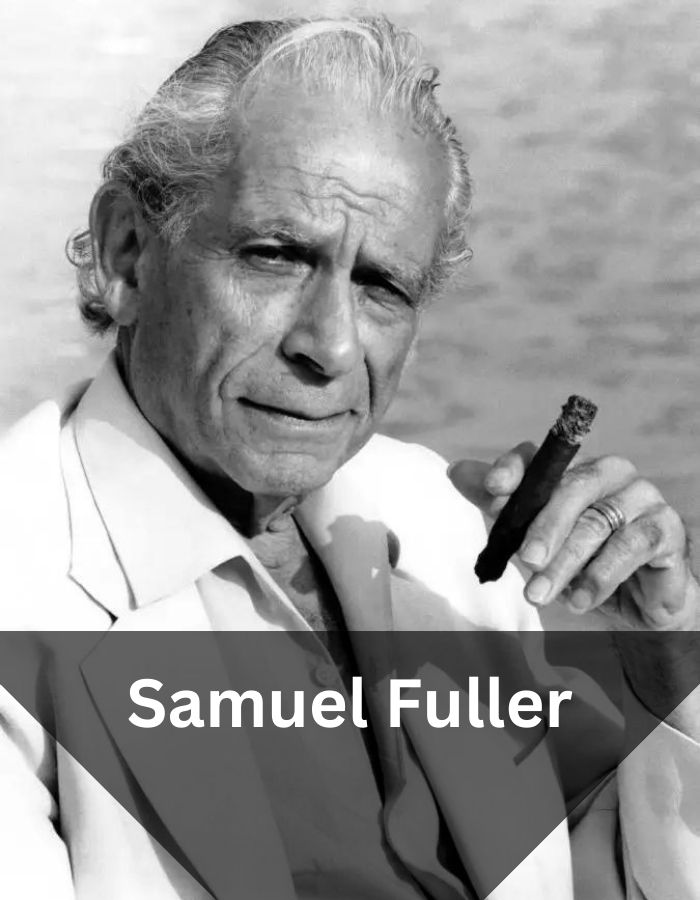
Below are some of the best American directors ever. Click on their pictures to discover more about them. This grouping covers the directors whose best work was made in the post-war era (1945 – 1960) in either the Western or noir genres.







A Brief History of the Psychological Western
The psychological Western, a subgenre of the traditional genre, represents an intriguing evolution in the landscape of American cinema. It emerged in the mid-20th century, intertwining the classic elements of Westerns—frontier settings, cowboy protagonists, and confrontations with lawlessness—with deeper explorations of the characters’ psychological states and moral ambiguities. This shift marked a departure from the black-and-white morality of earlier films, delving into the complexities of the human psyche within the rugged backdrop of the American West.
One of the pioneering directors in this genre is Anthony Mann, whose work in the 1950s set the foundation for the psychological Western. Mann’s films, such as “Winchester ’73” and “The Naked Spur”, are known for their character-driven narratives. He often collaborated with actor James Stewart, portraying heroes with troubled pasts and complex emotions. These films emphasised psychological depth and internal conflicts, setting a new standard for the genre.
Another notable director is Sam Peckinpah, whose films in the 1960s and 1970s brought a gritty realism and visceral style to the psychological Western. Peckinpah’s “The Wild Bunch” is a landmark film in this regard. It delves into themes of loyalty, betrayal, and the end of the Old West, with characters portrayed as deeply flawed and morally ambiguous. His use of slow-motion violence and stark realism not only redefined the aesthetic of Westerns but also influenced the depiction of action in cinema broadly.
Clint Eastwood, initially known for his acting in spaghetti westerns, also made significant contributions to the psychological western as a director. His directorial work, like “Unforgiven”, is acclaimed for its introspective approach to the genre. “Unforgiven” deconstructs the myth of the Old West, presenting a narrative where the lines between heroes and villains are blurred, and the violence of the West is shown in all its brutality and impact on the human soul.
 Bronze Screen Dream