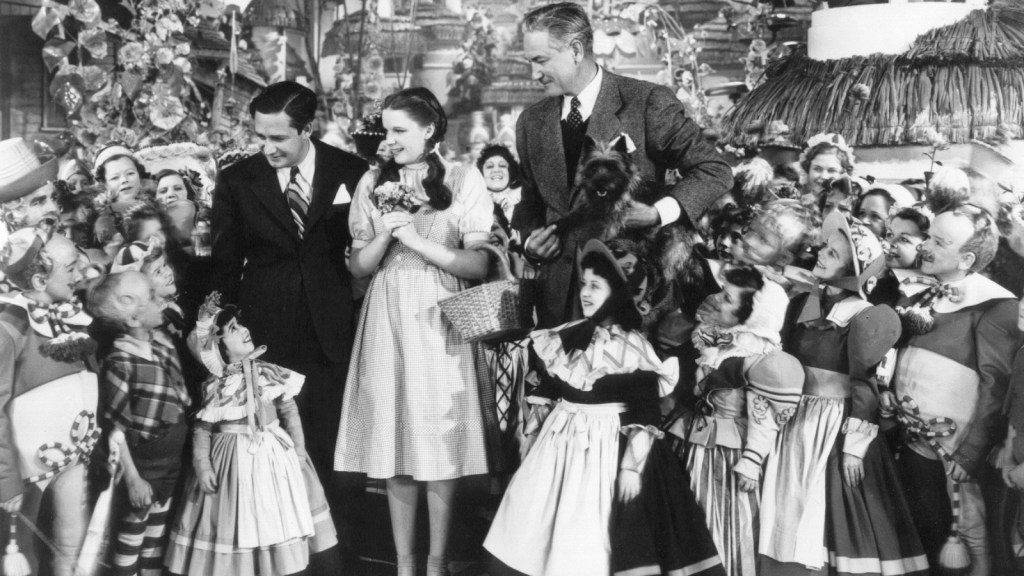
Victor Fleming, an American filmmaker, is best known for directing two of the most iconic films in Hollywood history, Gone with the Wind and The Wizard of Oz, both released in 1939. His knack for combining grand scale with intimate storytelling cemented his legacy as one of Hollywood’s premier directors during the Golden Age of cinema.
Fleming, originally a car mechanic, became a camera assistant following an encounter with director Allan Dwan. This fortuitous beginning was the start of his filmmaking journey, and by 1919, Fleming had already directed his first feature film. His cinema is noted for its distinctive thematic exploration of heroism, resilience, and the human condition. This is evident in the resilience shown by Scarlett O’Hara in Gone with the Wind and the journeys of self-discovery in The Wizard of Oz.
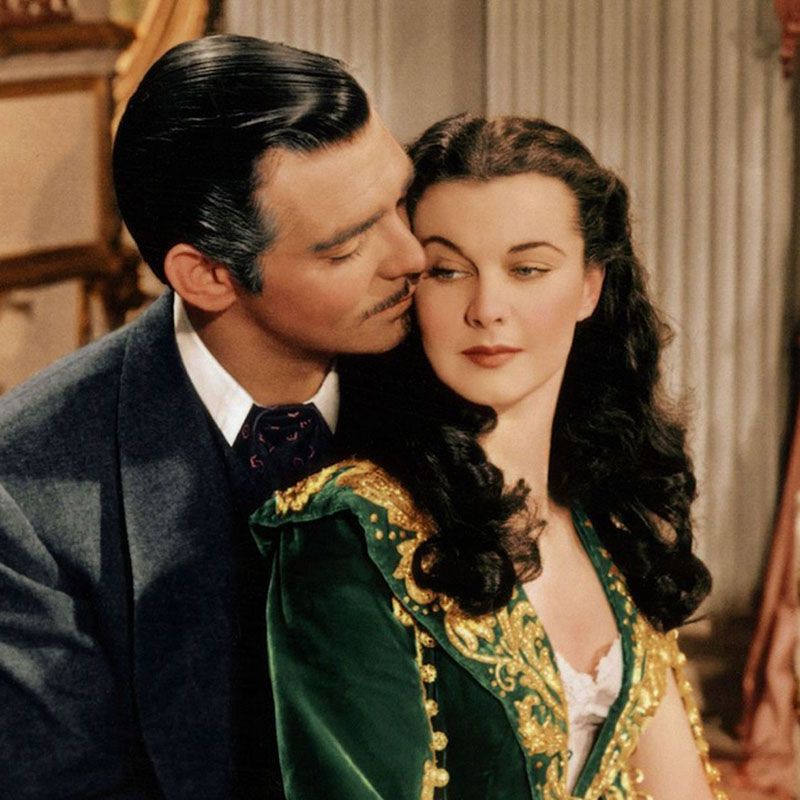
Fleming’s visual style is marked by its ability to imbue each scene with epic grandeur while maintaining an intimate focus on the characters. This is best observed in Gone with the Wind, where the sprawling spectacle of the American South during the Civil War forms the backdrop for Scarlett O’Hara’s intensely personal story. Likewise, the visual magic of The Wizard of Oz remains an integral part of the film’s enduring appeal, from its innovative use of Technicolor to its fantastical depiction of Oz.
Golden Age Director
Though less celebrated for distinct stylistic innovation, Fleming’s strength lies in his ability to bring multifaceted narratives to life, and he excelled at helming complex productions, handling large casts and production teams effectively. His ability to guide performances is also noteworthy, seen in his direction of the youthful Judy Garland in The Wizard of Oz and the dramatic tour-de-force of Vivien Leigh in Gone with the Wind.
Fleming’s influence on cinema is largely tied to his contributions to Hollywood’s Golden Age. Directors like Steven Spielberg and Martin Scorsese have cited the lasting influence of films like The Wizard of Oz. Although not as overtly referenced as some of his contemporaries, Fleming’s knack for character-driven, spectacle-filled storytelling helped shape the language of epic Hollywood cinema and continues to inspire filmmakers today.
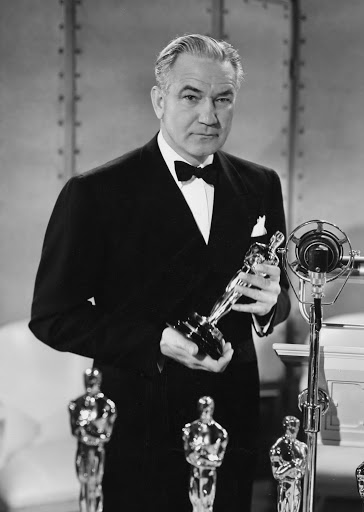
Victor Fleming (1889 – 1949)
Calculated Films:
- Red Dust (1932)
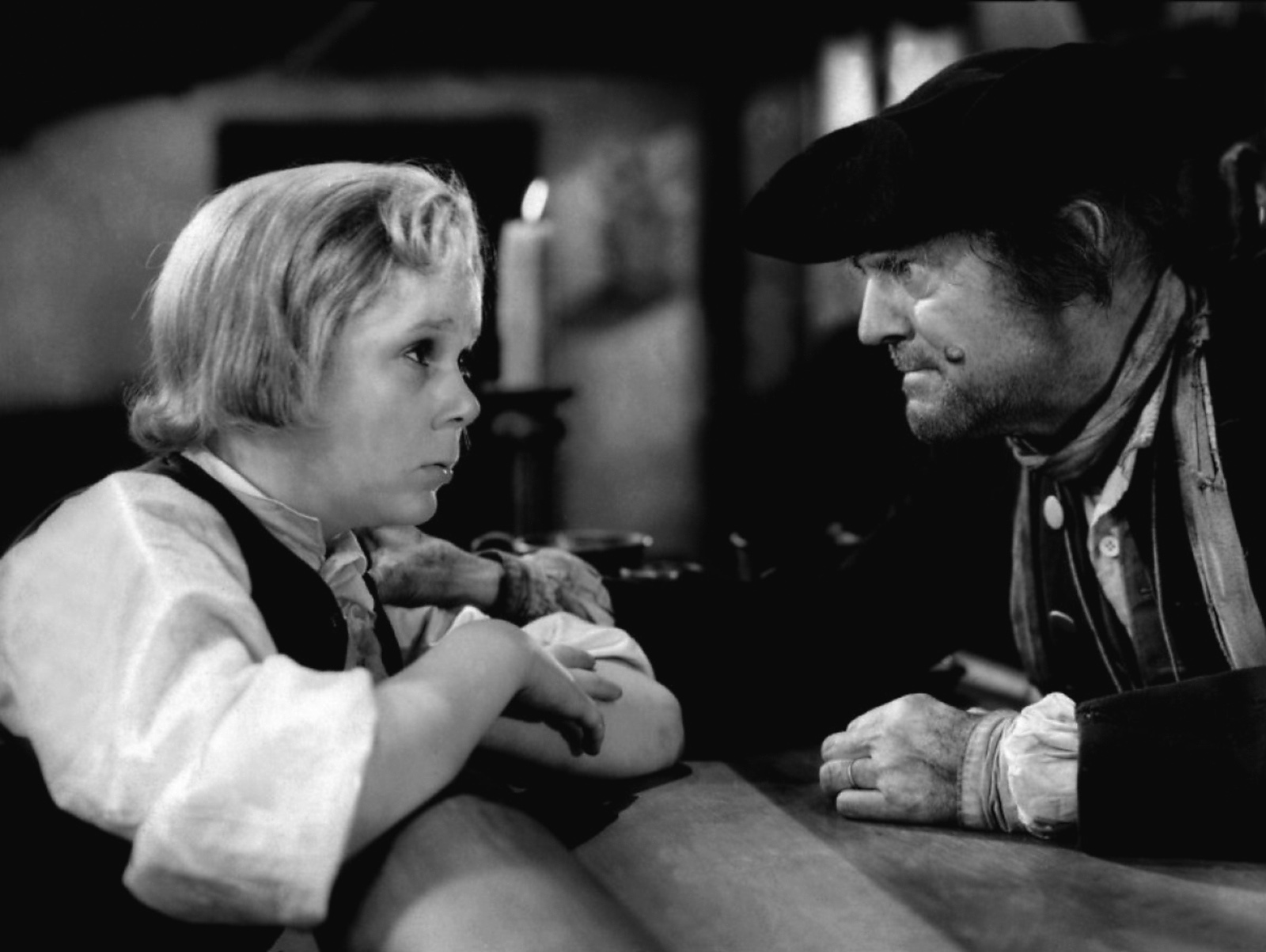
- Treasure Island (1934)
- Captains Courageous (1937)
- The Wizard of Oz (1939)
- Gone with the Wind (1939)
Similar Filmmakers
- Allan Dwan
- Cecil B. DeMille
- Charles Vidor
- David Lean
- D. W. Griffith
- Frank Capra
- Frank Lloyd
- George Cukor
- George Stevens
- Howard Hawks
- Jack Conway
- John Ford
- King Vidor
- Mervyn LeRoy
- Michael Curtiz
- Sam Wood
- Tay Garnett
- William Wyler
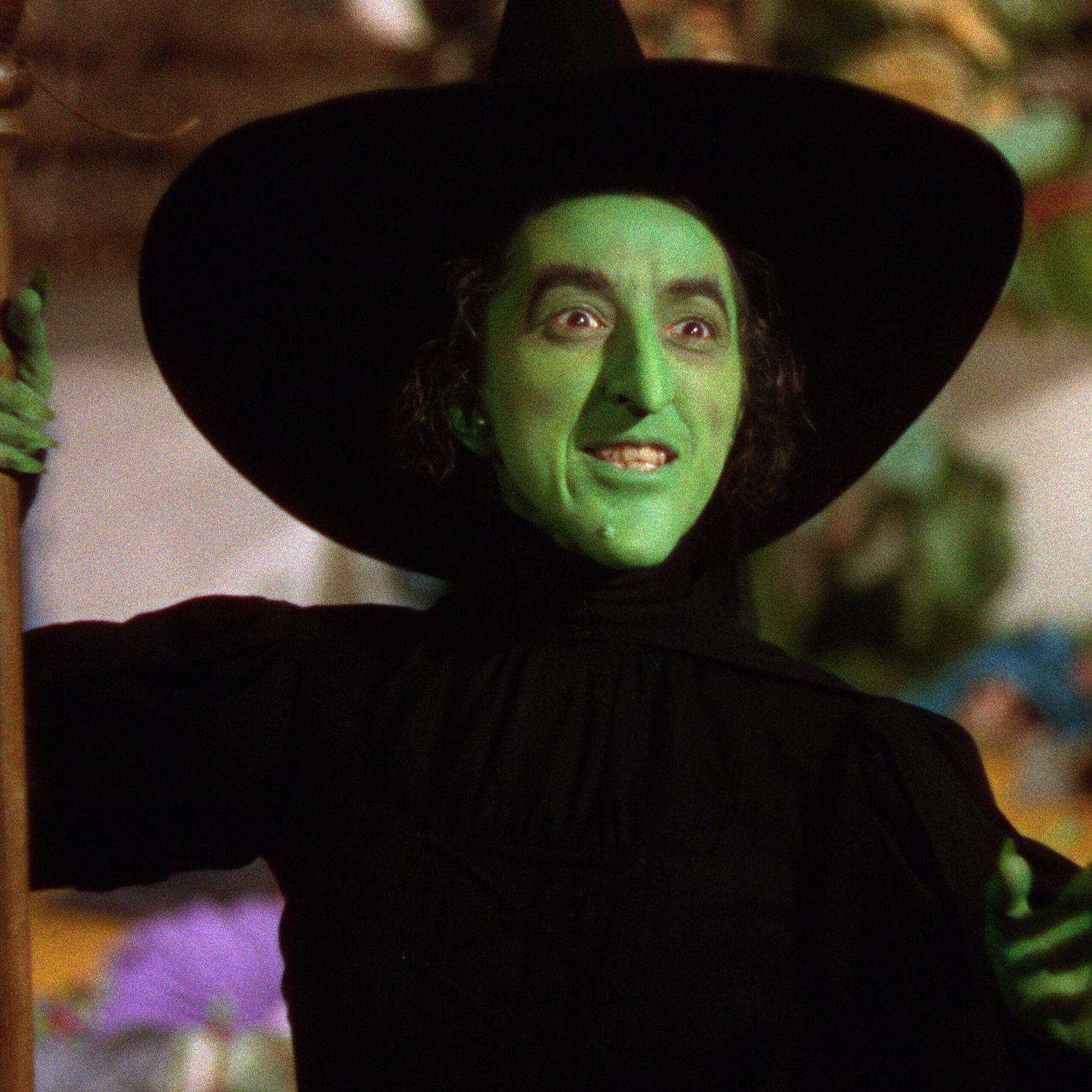
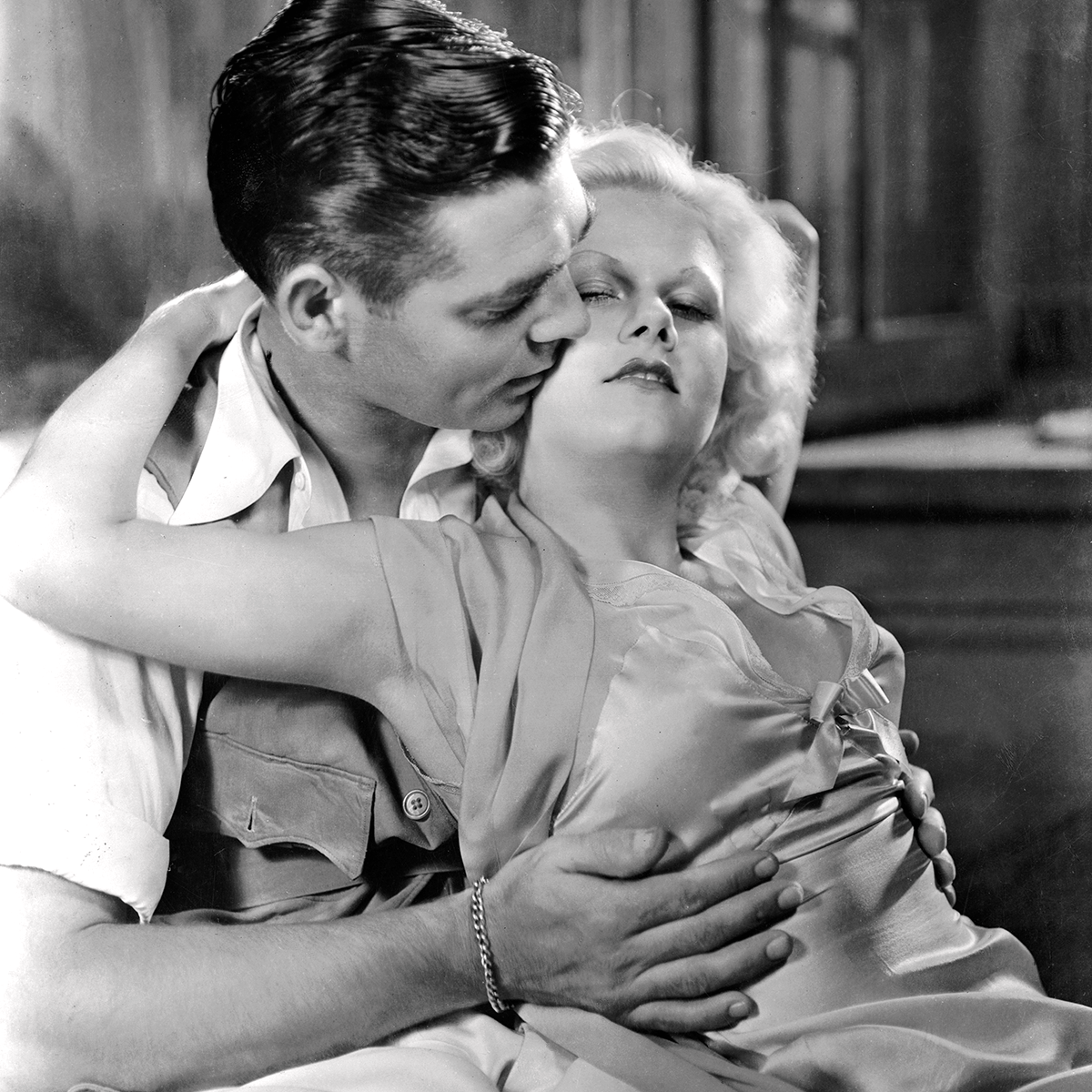
Victor Fleming’s Top 10 Films Ranked
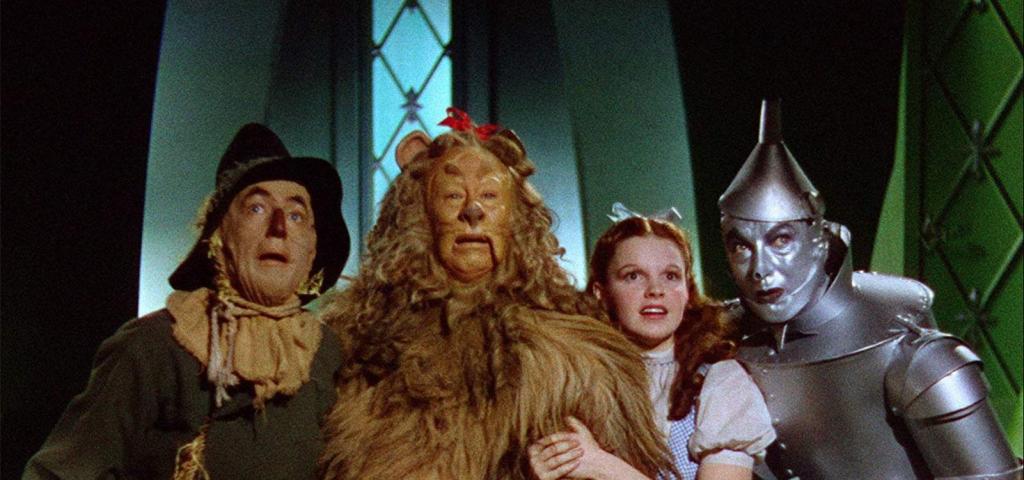
1. The Wizard of Oz (1939)
Genre: Musical, Adventure, Family, Fantasy
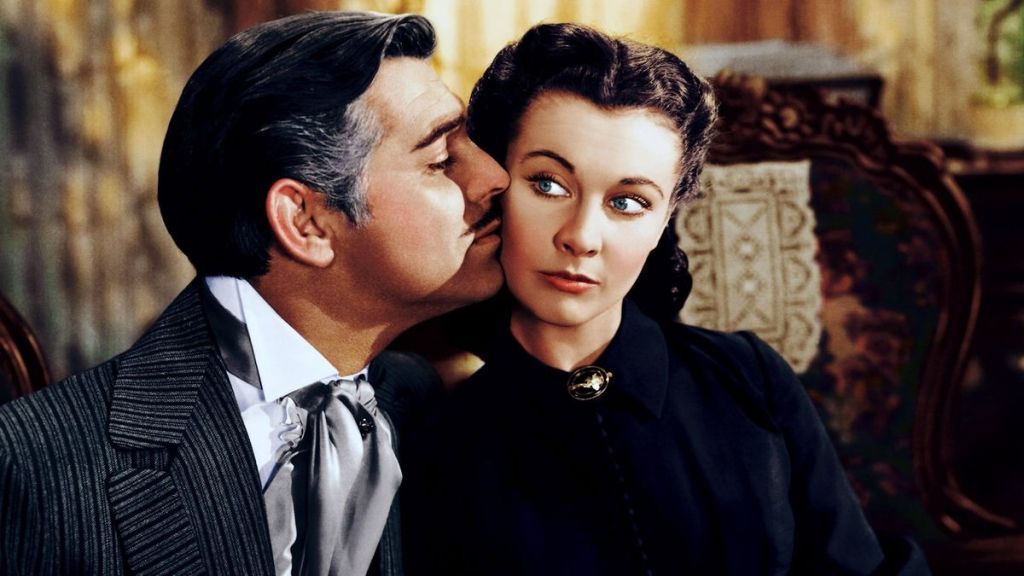
2. Gone With The Wind (1939)
Genre: Period Drama, Melodrama, Romance, Epic
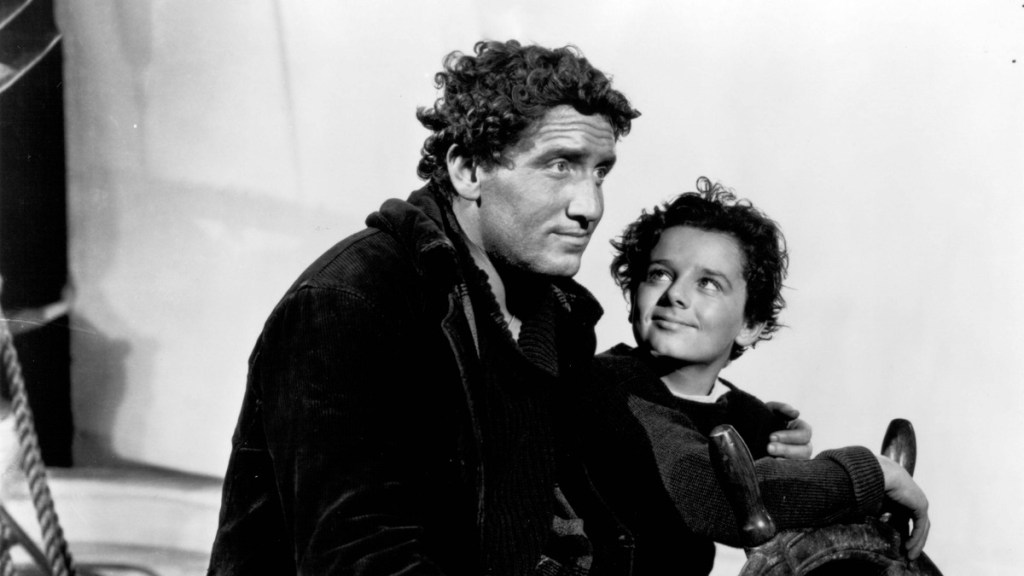
3. Captain Courageous (1937)
Genre: Adventure, Drama
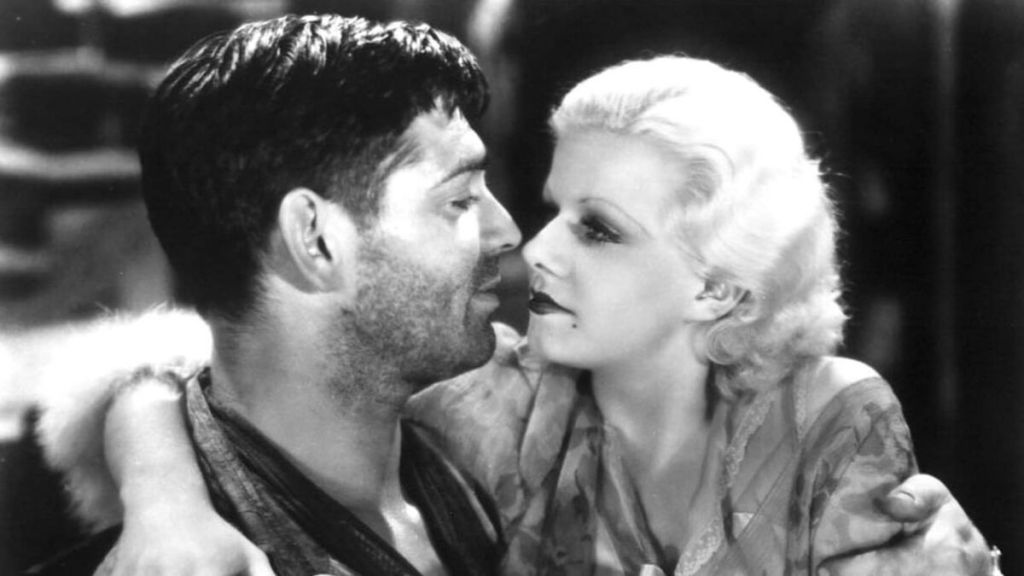
4. Red Dust (1932)
Genre: Romance, Comedy, Drama
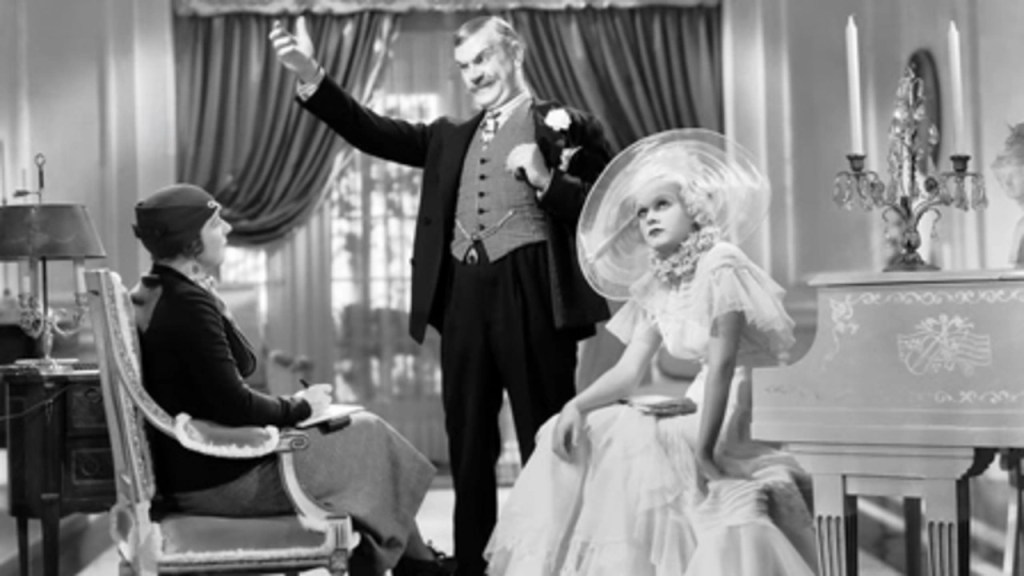
5. Bombshell (1933)
Genre: Screwball Comedy, Comedy, Satire
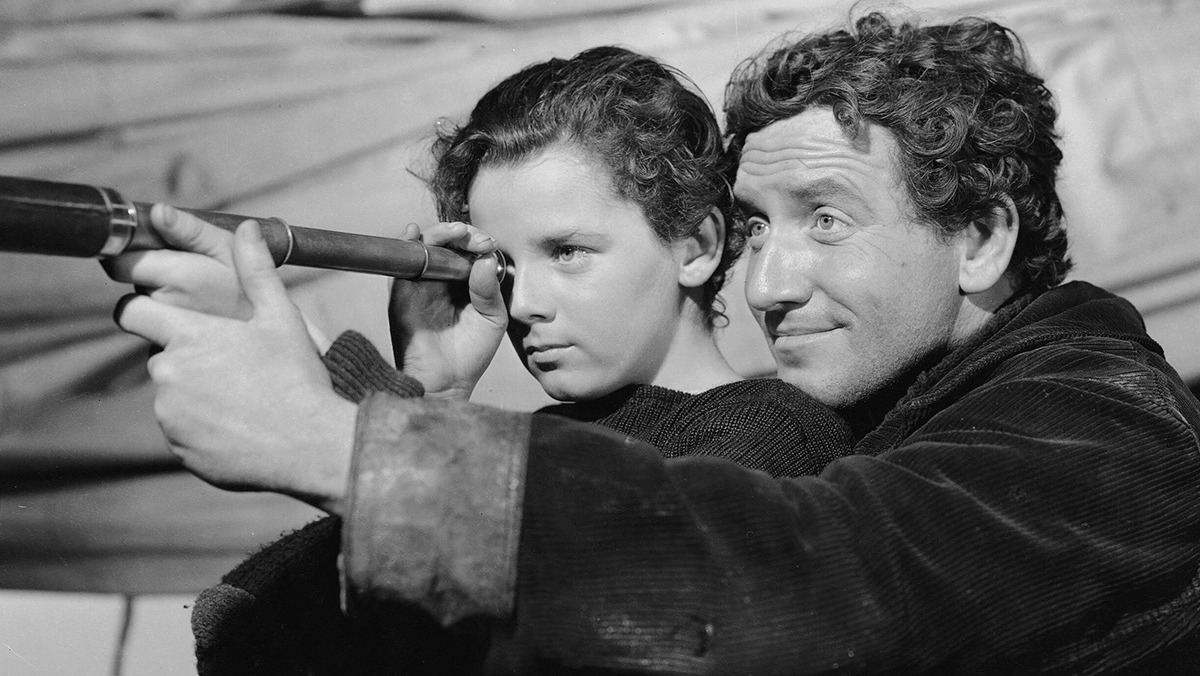
6. Treasure Island (1934)
Genre: Coming-of-Age, Adventure

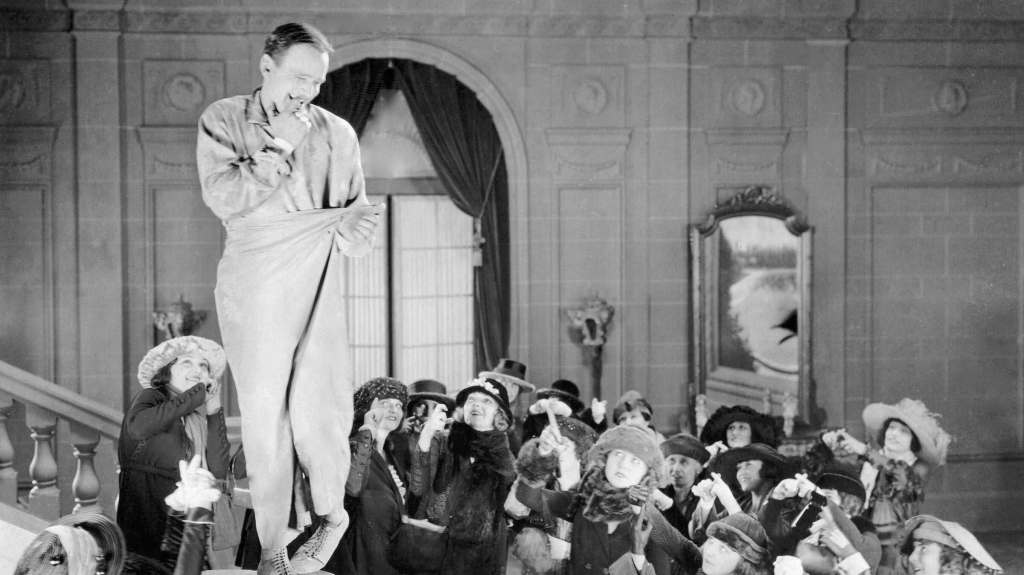
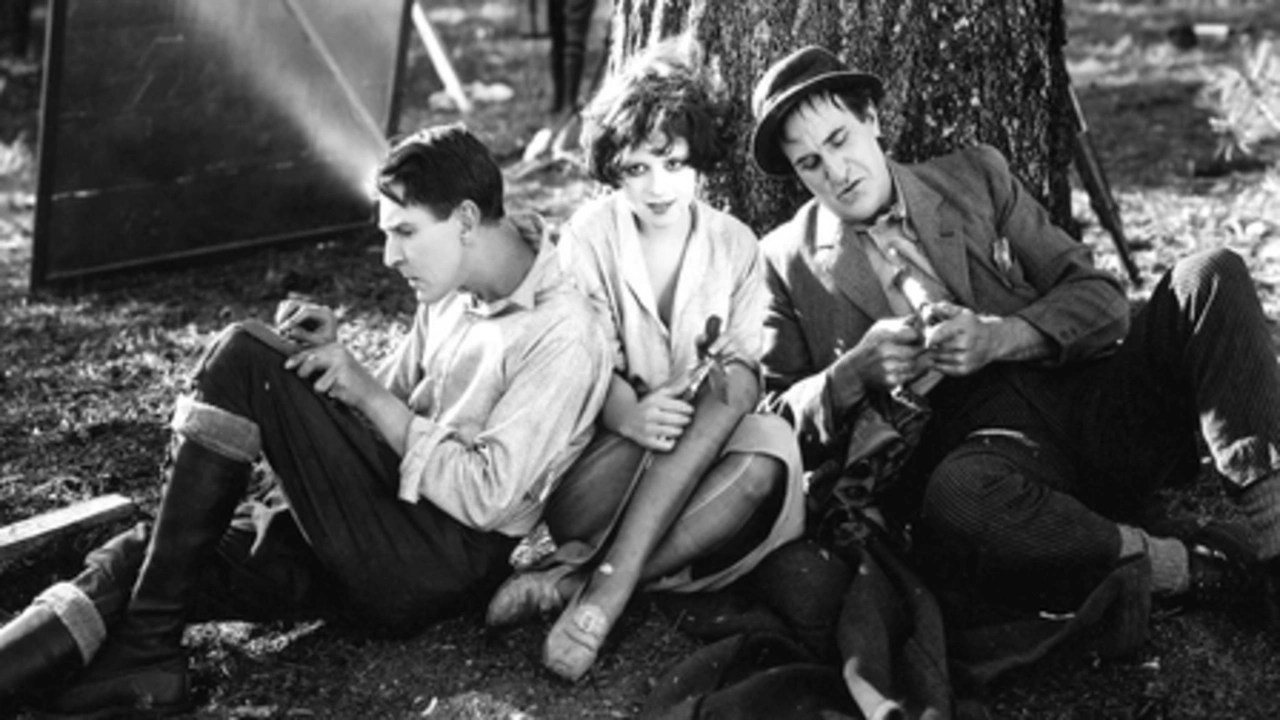
7. When The Clouds Roll By (1919)
Genre: Comedy, Action, Psychological Drama
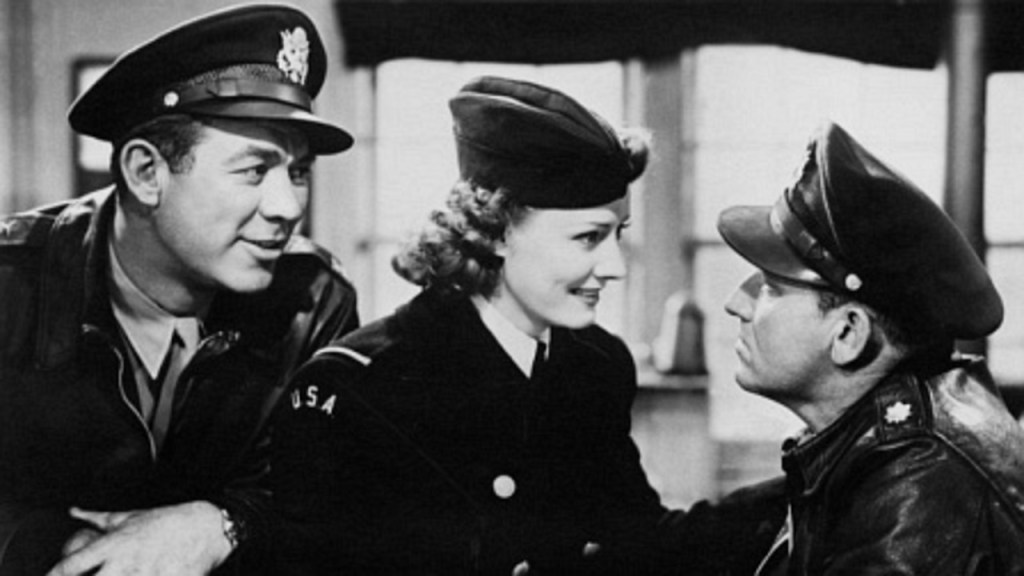
8. A Guy Named Joe (1943)
Genre: War, Romance, Low Fantasy, Melodrama
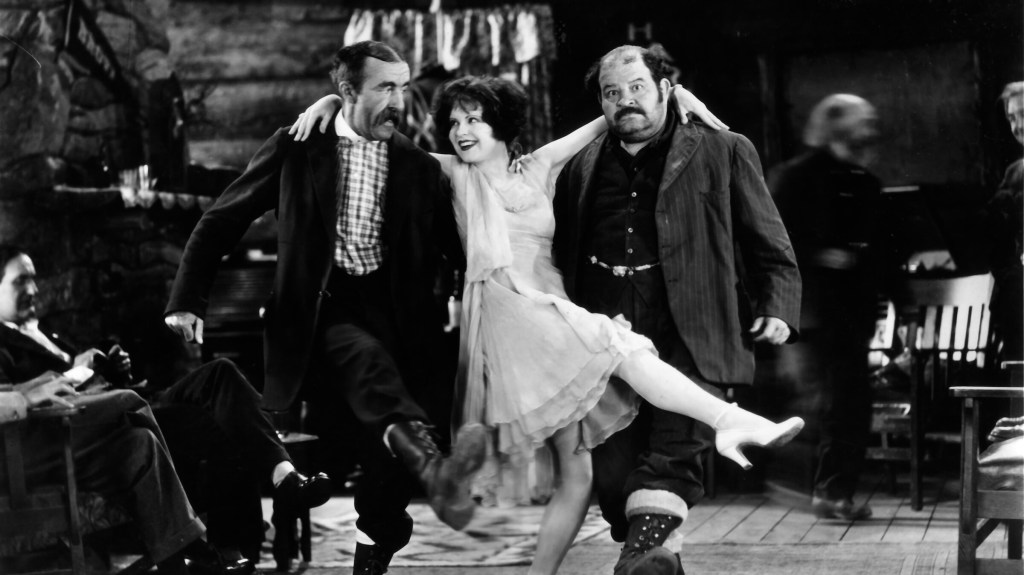
9. Mantrap (1926)
Genre: Romantic Comedy
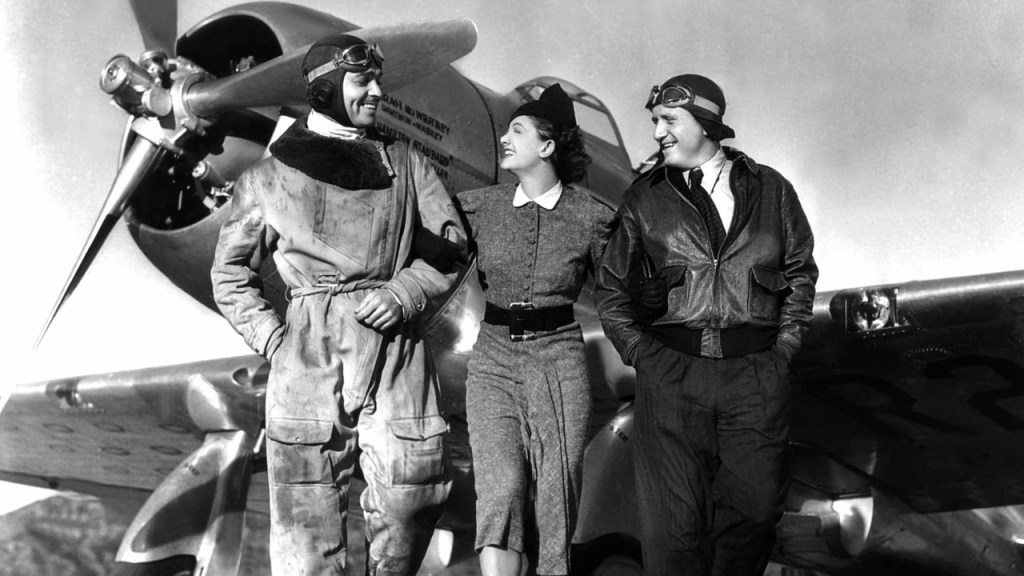
10. Test Pilot (1938)
Genre: Drama, Buddy, Adventure, Action
Victor Fleming: Themes and Style
Themes:
- Romantic and Heroic Idealism: Fleming’s films often centred on romantic and heroic ideals. His characters, while flawed, typically embody a sort of grandeur and nobility, engaging audiences with their compelling journeys and development.
- War and Adventure: Many of Fleming’s works explore the themes of war and adventure. With a background as a cameraman during World War I, he had a deep understanding of the battlefield’s dynamics and the human stories emerging from it.
- Human Resilience: His characters often find themselves amidst challenges and conflicts, through which they navigate with determination and resilience. This theme particularly stands out in the tumultuous relationships and war-torn settings featured in his films.
Styles:
- Visual Flair: With a background in photography, Fleming had a keen eye for composition and visual storytelling. He was adept at crafting visually striking scenes, whether in the fantastical landscape of Oz or the fiery backdrop of the American Civil War.
- Versatility: Fleming’s style was notably versatile. He successfully directed films in various genres, including adventure, drama, and fantasy, demonstrating an ability to adapt his directorial approach to suit different narrative requirements and tones.
- Actor’s Director: Fleming was known for his ability to elicit strong and memorable performances from his actors. He built collaborative relationships with his cast, guiding them to embody their characters deeply and convincingly.
Directorial Signature:
- Epic Storytelling: Fleming was at the helm of some of the most epic films of his time. His directorial signature is often linked to grand, sweeping narratives that explore the human spirit’s depth and complexity amidst significant historical or fantastical settings.
- Visual Opulence: He was known for the visual opulence and grandeur in his films. Fleming paid meticulous attention to set design, costumes, and cinematography, creating films that were not only narratively engaging but also visually magnificent.
- Dynamic Character Relationships: Relationships between characters in Fleming’s films are dynamic and multifaceted, mirroring the complexities of real human interactions. He deftly depicted love, conflict, friendship, and rivalry on screen, making for compelling viewing.
Victor Fleming: The 121st Greatest Director

 Bronze Screen Dream