

Terence Fisher, a prominent British director, is renowned for his significant contributions to the horror genre, particularly during the 1950s and 1960s. He is best known for his work with Hammer Film Productions, where he revitalised classic horror characters in a series of stylish Gothic horror films. These movies, such as Dracula, The Curse of Frankenstein, and The Mummy, are celebrated for their vivid use of colour and dramatic storytelling, setting a new standard for horror cinema. Fisher’s ability to blend horror with sensuality and to present these iconic monsters in a more sympathetic light distinguished his films from their predecessors.
Fisher’s career was marked by a distinctive style and recurring themes that made his films stand out. He often explored the conflict between good and evil, infusing his narratives with a moral complexity that was uncommon in horror films of the era. This is particularly evident in Dracula, where he presented the vampire not just as a menacing creature but also as a charismatic and seductive antagonist, challenging the conventional portrayal of such characters.
His use of rich, vivid colours, especially reds and blues, in The Horror of Dracula and The Curse of Frankenstein added a new visual dimension to horror, enhancing the emotional intensity and atmosphere of these stories. The Gothic settings in his films, with their detailed and authentic-looking castles and landscapes, also contributed to the immersive experience, making the horror more tangible and resonant.
Fisher’s approach to filmmaking was characterised by a blend of traditional storytelling with innovative techniques. He was adept at using camera movements and angles to create suspense and emphasise the horror elements, as seen in The Hound of the Baskervilles. His ability to elicit strong performances from actors like Peter Cushing and Christopher Lee, who became synonymous with Hammer horror, was another hallmark of his directorial style.
Fisher’s influence on the horror genre is profound, with his unique approach to classic horror tales leaving an indelible mark on cinema. His films not only redefined the aesthetics of horror but also helped to elevate the genre, proving that horror movies could be both artistically significant and commercially successful.

Terence Fisher (1904 – 1980)
Calculated Films:
- The Curse of Frankenstein (1957)
- Horror of Dracula (1958)
Similar Filmmakers
- Antonio Margheriti
- Don Sharp
- Freddie Francis
- James Whale
- Jean Rollin
- John Gilling
- Lindsay Shonteff
- Mario Bava
- Michael Carreras
- Michael Reeves
- Nathan Juran
- Riccardo Freda
- Robert Day
- Robert Siodmak
- Roy Ward Baker
- Seth Holt
- Tod Browning
- Val Guest
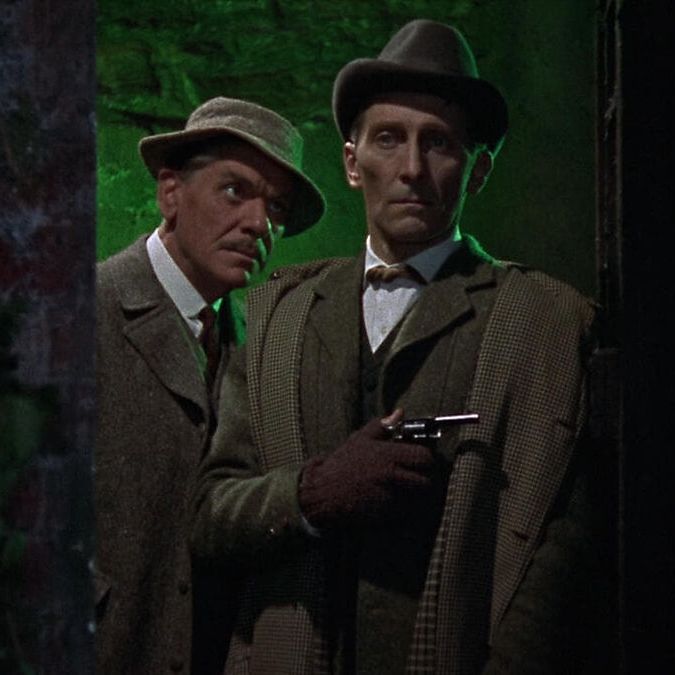


Terence Fisher’s Top 5 Films Ranked
1. The Devil Rides Out (1968)
Genre: Supernatural Horror, Gothic Horror, Folk Horror

2. Horror of Dracula (1958)
Genre: Vampire, Gothic Horror

3. The Curse of Frankenstein (1957)
Genre: Gothic Horror, Sci-Fi

4. The Brides of Dracula (1960)
Genre: Vampire, Gothic Horror

5. Dracula: Prince of Darkness (1966)
Genre: Vampire, Gothic Horror

Terence Fisher: Themes and Style
Themes:
- Gothic Horror: Fisher frequently delved into the Gothic horror genre, utilising elements like eerie castles, supernatural occurrences, and a sense of foreboding. Films like Dracula and The Curse of Frankenstein are prime examples of his mastery in creating a haunting atmosphere.
- Good vs. Evil: His films often feature a stark contrast between good and evil. This theme is particularly evident in Dracula, where the noble Van Helsing battles the malevolent vampire. Fisher’s portrayal of this eternal struggle is both clear-cut and deeply engaging.
- Tragic Monsters: Fisher often portrayed monsters with a sense of tragedy and depth, as seen in Frankenstein Must Be Destroyed. His monsters are not just evil beings but complex characters with motivations and emotions, inviting sympathy from the audience.
- Religious and Moral Conflict: Many of Fisher’s films, like The Devil Rides Out, explore themes of religious and moral conflict. He delves into the struggle between faith and doubt, good and evil, often within a religious context, adding a layer of philosophical depth to his horror narratives.
Styles:
- Vivid Colour Palette: Fisher is known for his use of rich, vivid colours, especially in his work with Hammer Films. The striking reds in Dracula and the deep blues in The Gorgon are examples of how he used colour to enhance the emotional impact and visual appeal of his films.
- Dynamic Camera Work: Fisher’s films feature dynamic and innovative camera work. His ability to create suspense and terror through unique angles and movement is evident in movies like The Hound of the Baskervilles, where the camera becomes an active participant in storytelling.
- Elaborate Set Designs: He often utilised elaborate and detailed set designs to create immersive worlds. Films like The Curse of Frankenstein showcase his ability to use sets not just as backgrounds but as integral parts of the narrative, enhancing the story’s authenticity and atmosphere.
- Atmospheric Lighting: Fisher’s use of lighting was masterful, often employing shadow and light to create an atmosphere of suspense and mystery. In Dracula, the interplay of light and dark adds to the film’s eerie and ominous tone, making it a hallmark of his stylistic approach.
Directorial Signature:
- Integration of Horror and Drama: Fisher had a unique ability to blend horror with deep, character-driven drama. His films, such as The Curse of Frankenstein, are not just about scares but also explore the complexities and motivations of their characters.
- Classical Storytelling Approach: Fisher often employed a classical approach to storytelling. His films, like Dracula, are structured around strong narratives with a clear beginning, middle, and end, making them more accessible and engaging to a broad audience.
- Emphasis on Character Development: A hallmark of Fisher’s direction is the emphasis on character development. In The Revenge of Frankenstein, for example, the characters are not mere horror archetypes but are given depth and complexity, adding a human element to the horror genre.
- Melding of Theatricality and Realism: Fisher’s direction often showcased a unique blend of theatricality and realism. In films like The Phantom of the Opera, he combines realistic settings and situations with a heightened, almost theatrical, sense of drama, creating a distinctive and engaging cinematic experience.
Terence Fisher – Great Director

 Bronze Screen Dream