
Steven Spielberg, an American film director, is renowned for his ability to combine commercial success with artistic integrity. His work, which includes iconic films like Jaws, E.T. the Extra-Terrestrial, and Schindler’s List, is characterised by its compelling storytelling, memorable characters, and innovative use of special effects. Spielberg’s films often explore themes of wonder, adventure, and humanity, making him a significant figure in the history of Hollywood cinema.
Spielberg’s journey into filmmaking began at a young age, making amateur films before studying at the University of Southern California’s School of Cinematic Arts. His early films, such as Duel and The Sugarland Express, demonstrated his ability to create suspense and established him as a director with a unique and engaging vision.
Box Office Domination
Spielberg’s films are known for their recurring themes and motifs. He often explored the sense of wonder and adventure, as seen in E.T. the Extra-Terrestrial, which delves into a child’s encounter with an alien. His films also frequently grapple with themes of humanity and morality, a theme that is particularly evident in Schindler’s List, which reflects on the horrors of the Holocaust.
Spielberg’s approach to filmmaking was characterised by a focus on storytelling and character development. He was known for his ability to create compelling narratives and memorable characters, often drawing on his own experiences and emotions. This is evident in Close Encounters of the Third Kind, where Spielberg’s personal fascination with extraterrestrial life informs the film’s sense of wonder and awe.
Steven Spielberg’s influence on cinema is vast and enduring. Directors such as J.J. Abrams in the United States and Neill Blomkamp in South Africa have cited Spielberg as a major influence on their work. His impact extends beyond Hollywood, with his distinctive storytelling and innovative techniques influencing filmmakers worldwide. Spielberg’s films have been recognised for their cultural and historical significance, with several being selected for preservation in the United States National Film Registry.

Steven Spielberg (1946 – -)
Calculated Films:
- Duel (1971)
- Jaws (1975)
- Close Encounters of the Third Kind (1977)
- Raiders of the Lost Ark (1981)
- E.T. the Extra-Terrestrial (1982)
- Indiana Jones and the Temple of Doom (1984)
- The Color Purple (1985)
- Empire of the Sun (1987)
- Indiana Jones and the Last Crusade (1989)
- Hook (1991)
- Jurassic Park (1993)
- Schindler’s List (1993)
- Saving Private Ryan (1998)
- A.I. Artificial Intelligence (2001)
- Catch Me If You Can (2002)
- West Side Story (2021)
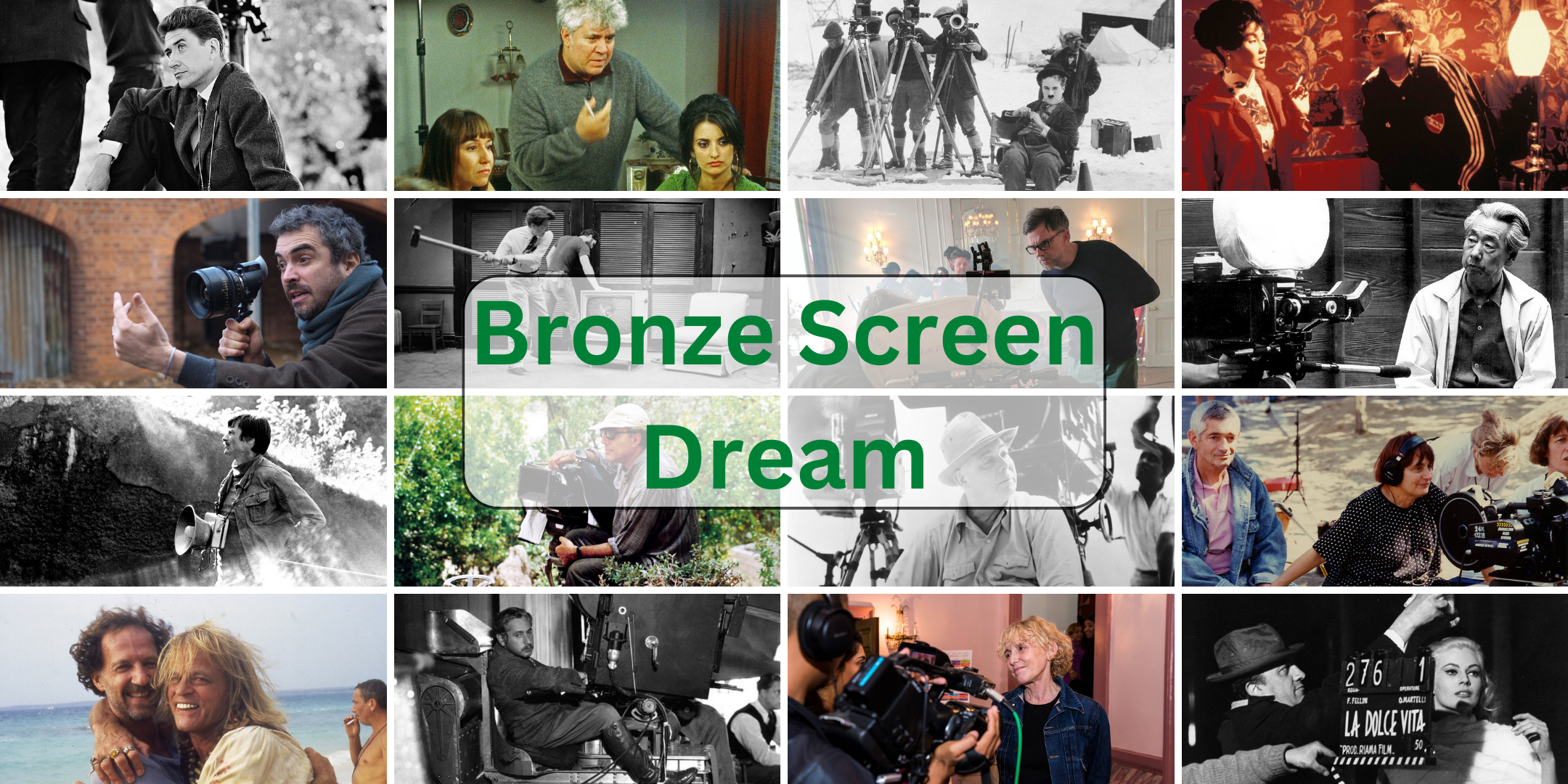
Similar Filmmakers


Steven Spielberg’s Top 10 Films Ranked
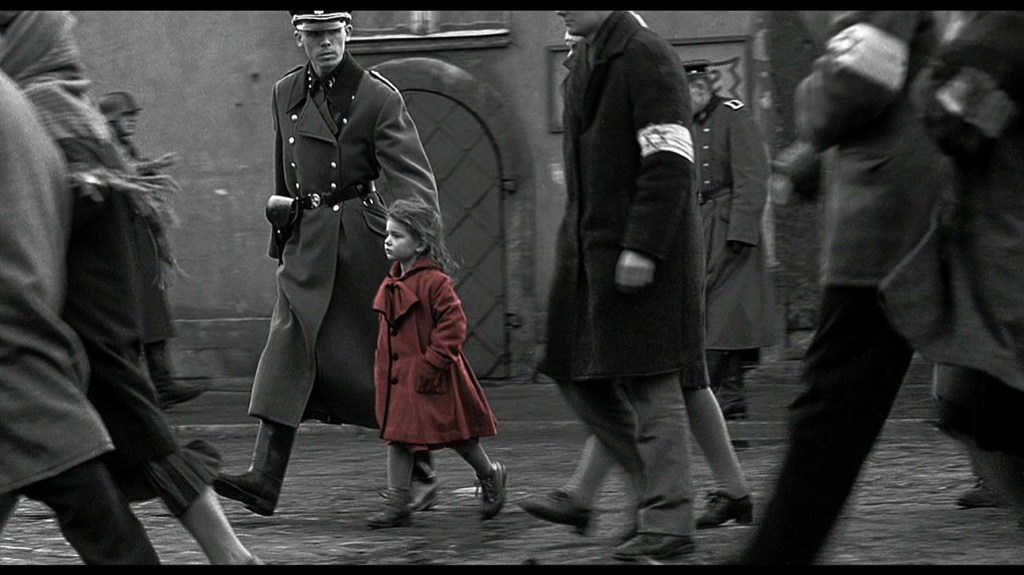
1. Schindler’s List (1993)
Genre: Biographical, War, Period Drama
2. Raiders of the Lost Ark (1981)
Genre: Adventure, Action, Low Fantasy

3. Saving Private Ryan (1998)
Genre: War, Period Drama

4. Jurassic Park (1993)
Genre: Sci-Fi, Adventure, Action, Giant Monster

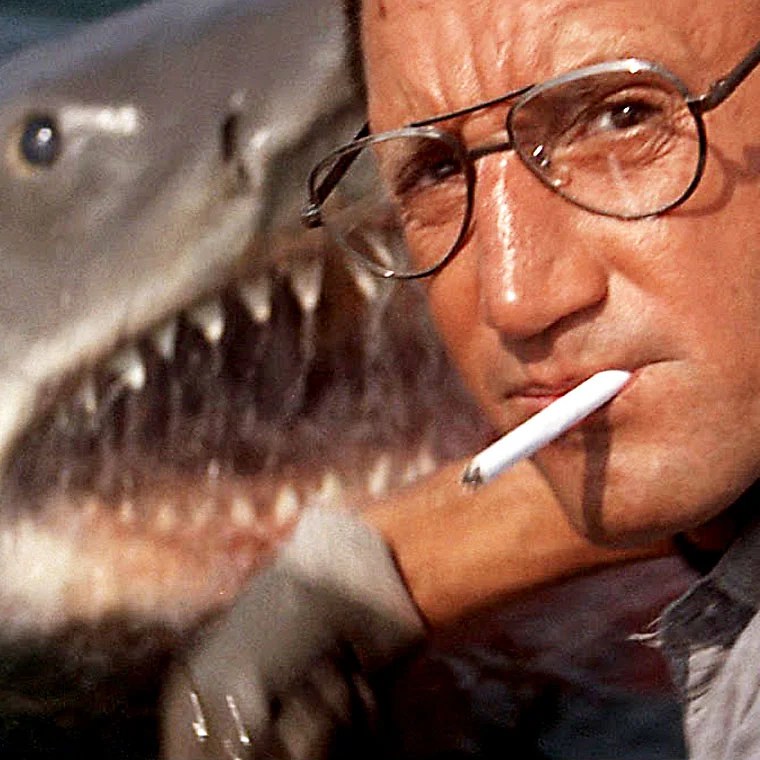
5. Jaws (1975)
Genre: Natural Horror, Thriller

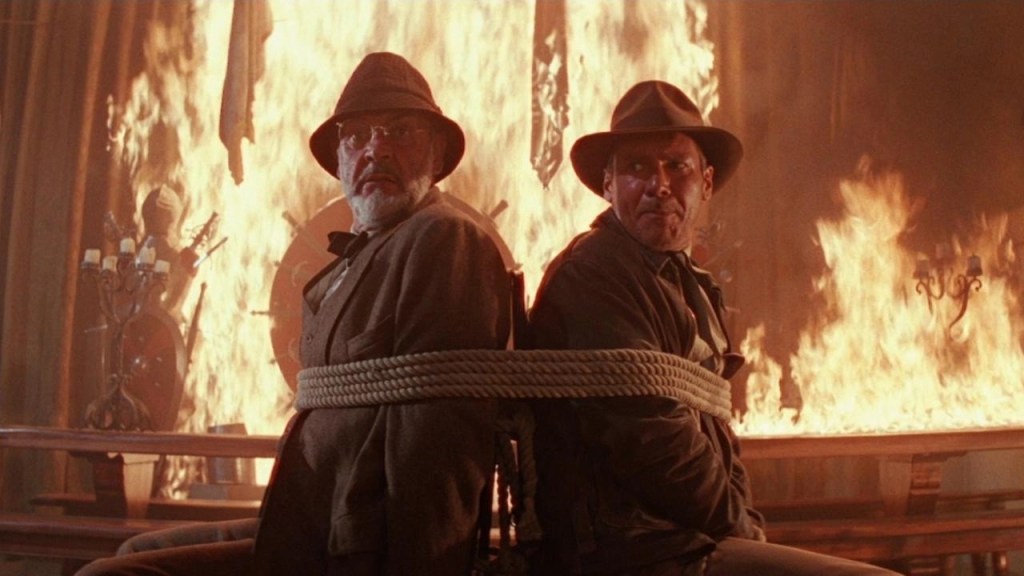
6. Indiana Jones and the Last Crusade (1989)
Genre: Adventure, Action
7. E.T. the Extra-Terrestrial (1982)
Genre: Family, Sci-Fi, Drama, Extraterrestrial

8. Close Encounters of the Third Kind (1977)
Genre: Sci-Fi, Mystery, Drama, Alien Invasion

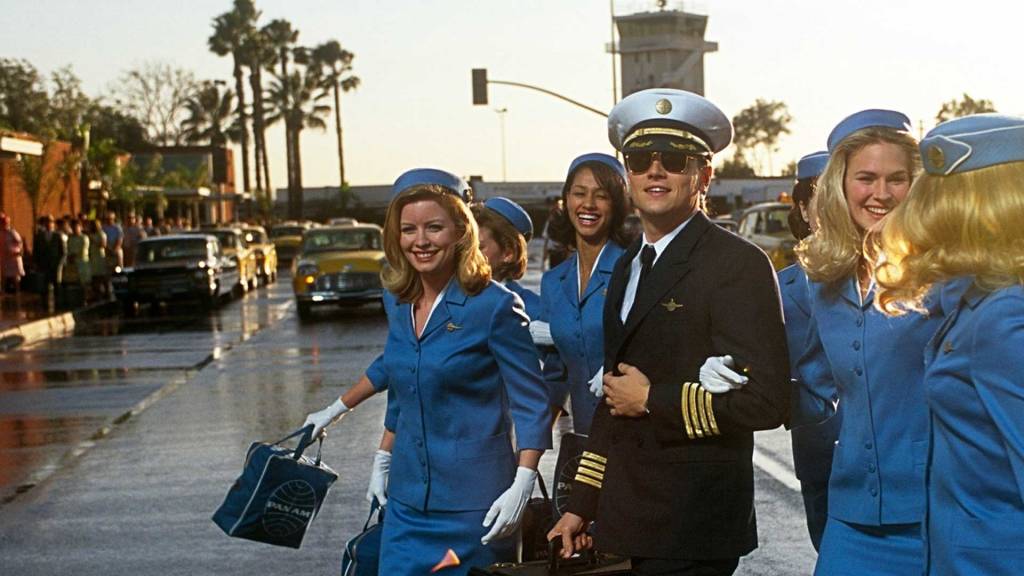
9. Catch Me If You Can (2002)
Genre: Crime, Biographical, Drama
10. The Color Purple (1985)
Genre: Family Drama, Period Drama, Drama

Steven Spielberg: Themes and Style
Themes:
- Childhood and Innocence: Spielberg frequently explores the innocence of childhood and its loss or preservation, as seen in E.T. the Extra-Terrestrial and Close Encounters of the Third Kind, highlighting the wonder and naiveté of youth.
- Man vs. Nature: Many of Spielberg’s films, such as Jaws and Jurassic Park, pit humans against the forces of nature, often showcasing the power and unpredictability of the natural world.
- Family Dynamics: The complexity of family relationships is a recurring theme, with movies like Indiana Jones and the Last Crusade and Catch Me If You Can examining the bonds and conflicts within families.
- War and Its Impact: Spielberg has an enduring interest in the effects of war on individuals and society, depicted in Saving Private Ryan and Schindler’s List, often focusing on personal stories within larger historical conflicts.
- Extraordinary Encounters: Encounters with the extraordinary, such as aliens in E.T. the Extra-Terrestrial and Close Encounters of the Third Kind, or fantastic scenarios in Indiana Jones, represent a fascination with the intersection of the every day and the fantastical.
Styles:
- Masterful Storytelling: Spielberg is known for his strong narrative skills, crafting stories that are engaging and accessible to a wide audience. His films often have a clear narrative drive, focused on storytelling that keeps audiences invested.
- Dynamic Camera Work: His use of the camera is dynamic and often innovative, employing sweeping shots that capture the scale of action and intimate close-ups for character moments, creating a visually engaging experience.
- Pioneering Special Effects: Spielberg frequently pushes the boundaries of special effects, using groundbreaking technology to create believable fantastical elements, as in Jurassic Park and War of the Worlds.
- Iconic Musical Scores: Collaborations with composers like John Williams have led to iconic scores that enhance the emotional and narrative impact of his films, making the music an integral part of the cinematic experience.
- Sentimentality: A Spielberg film often contains a certain level of nostalgia, with emotive storytelling that aims to resonate deeply with viewers, eliciting strong emotional responses.
Directorial Signature:
- Immersive Entertainment: Spielberg is adept at creating immersive worlds that captivate audiences, whether it’s the historical setting of Schindler’s List or the futuristic society in Minority Report.
- Emphasis on the Visual: His directorial approach is visually driven, with a strong focus on creating memorable images and sequences that become iconic within popular culture.
- Humanistic Approach: There’s a consistent humanistic perspective in his films, focusing on the human element and emotional connections, even in the midst of fantastical or larger-than-life scenarios.
- Cross-Genre Filmmaking: Spielberg doesn’t confine himself to a single genre, effortlessly moving between science fiction, drama, adventure, and historical films, all while maintaining his distinctive touch.
- Child Protagonists or Perspectives: He often tells stories from the perspective of children or involves child protagonists, as in E.T. the Extra-Terrestrial and Empire of the Sun, emphasising a sense of wonder and discovery.
Steven Spielberg: The 10th Greatest Director


 Bronze Screen Dream