
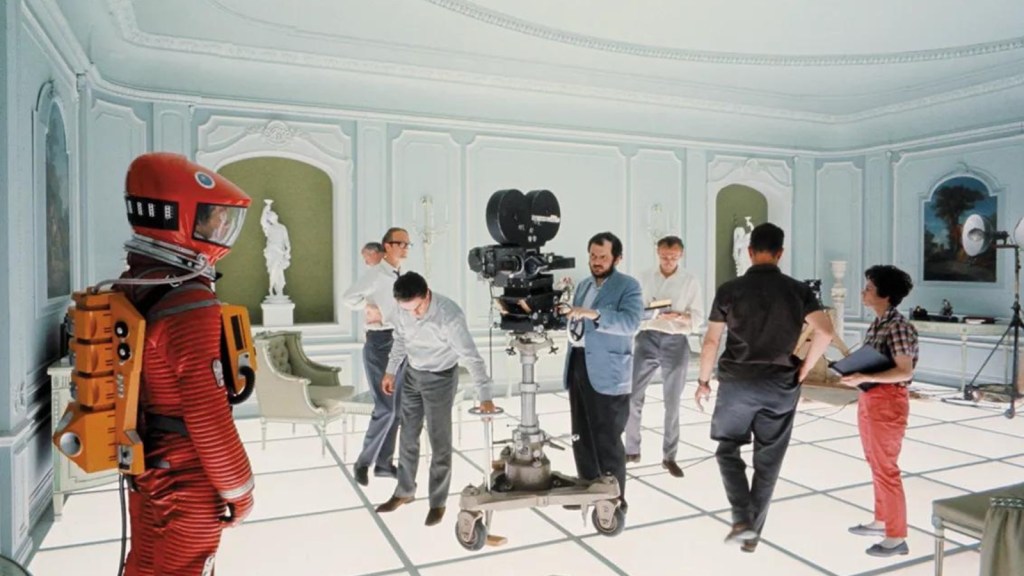
Stanley Kubrick, an American film director, is celebrated for his innovative and unorthodox filmmaking style. His body of work, which includes iconic films like 2001: A Space Odyssey, A Clockwork Orange, and The Shining, is characterised by its thematic depth, meticulous attention to detail, and bold visual style. Kubrick’s films often tackle complex philosophical and social issues.
Kubrick’s journey into filmmaking began in the 1950s after a successful career as a photographer for Look magazine. His early films, such as Paths of Glory and Spartacus, demonstrated his ability to work across various genres and established him as a director with a unique vision and a willingness to push boundaries.
Kubrick’s films are known for their recurring themes and motifs. He often explored the darker aspects of human nature, as seen in A Clockwork Orange, which delves into questions of free will, morality, and the nature of violence. His films also frequently grapple with existential themes, such as the search for meaning in an indifferent universe, a theme that is particularly evident in 2001: A Space Odyssey.
A Perfectionist Filmmaker
Kubrick was known for his innovative use of cinematography and special effects. His films often feature long, unbroken shots and unconventional camera angles, creating a sense of unease and disorientation. This is particularly evident in The Shining, where the Steadicam is used to great effect to create a sense of claustrophobia and impending doom. Kubrick’s use of sound and music was also distinctive, often employing classical music to create tension and contrast with the on-screen action.
Kubrick’s approach to filmmaking was characterised by a high degree of control over every aspect of the production process. He was known for his meticulous attention to detail and insistence on multiple takes, often pushing his actors to their limits. This is evident in Full Metal Jacket, where Kubrick’s demanding direction resulted in a film of intense realism and emotional depth.
Stanley Kubrick’s influence on cinema is vast and enduring. Directors such as Steven Spielberg, Martin Scorsese, and Christopher Nolan have cited Kubrick as a major influence on their work. His impact extends beyond the United States, with directors such as Lars von Trier in Denmark and Gaspar Noé in France also acknowledging his influence. Kubrick’s films have been recognised for their cultural and historical significance, with several being selected for preservation in the United States National Film Registry.

Stanley Kubrick (1928 – 1999)
Calculated Films:
- The Killing (1956)
- Paths of Glory (1957)
- Spartacus (1960)
- Lolita (1962)
- Dr Strangelove or: How I Learned To Stop Worrying and Love the Bomb (1964)
- 2001: A Space Odyssey (1968)
- A Clockwork Orange (1971)
- Barry Lyndon (1975)
- The Shining (1980)
- Full Metal Jacket (1987)
- Eyes Wide Shut (1999)
Similar Filmmakers


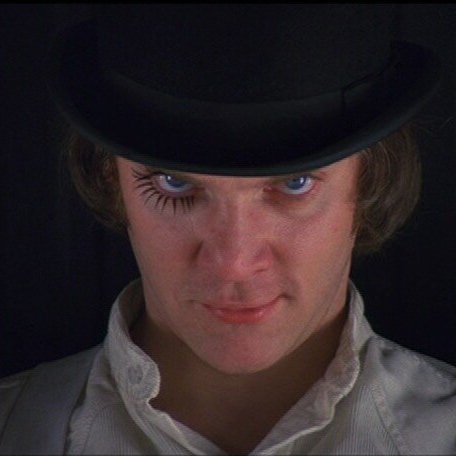
Stanley Kubrick’s Top 10 Films Ranked
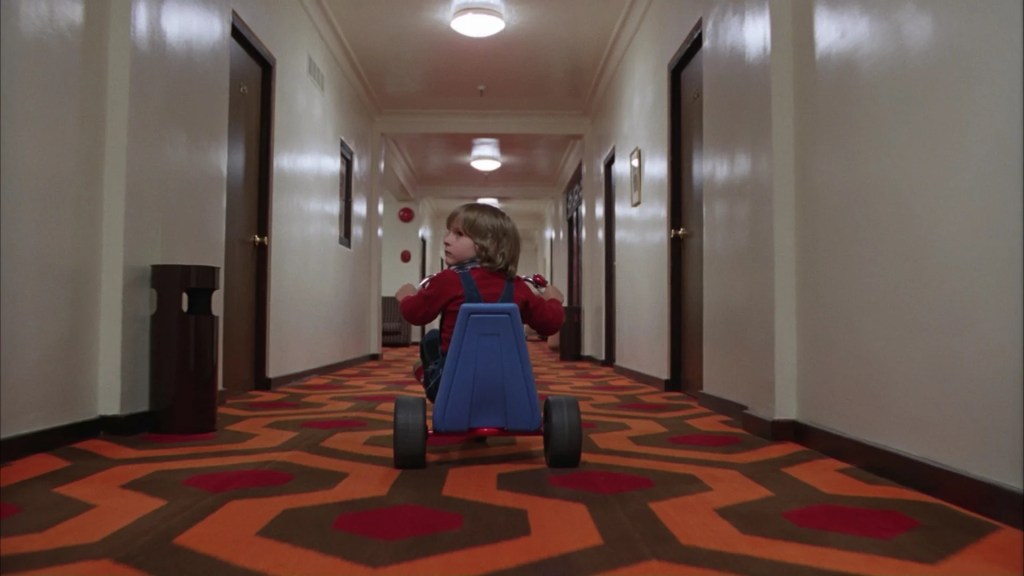
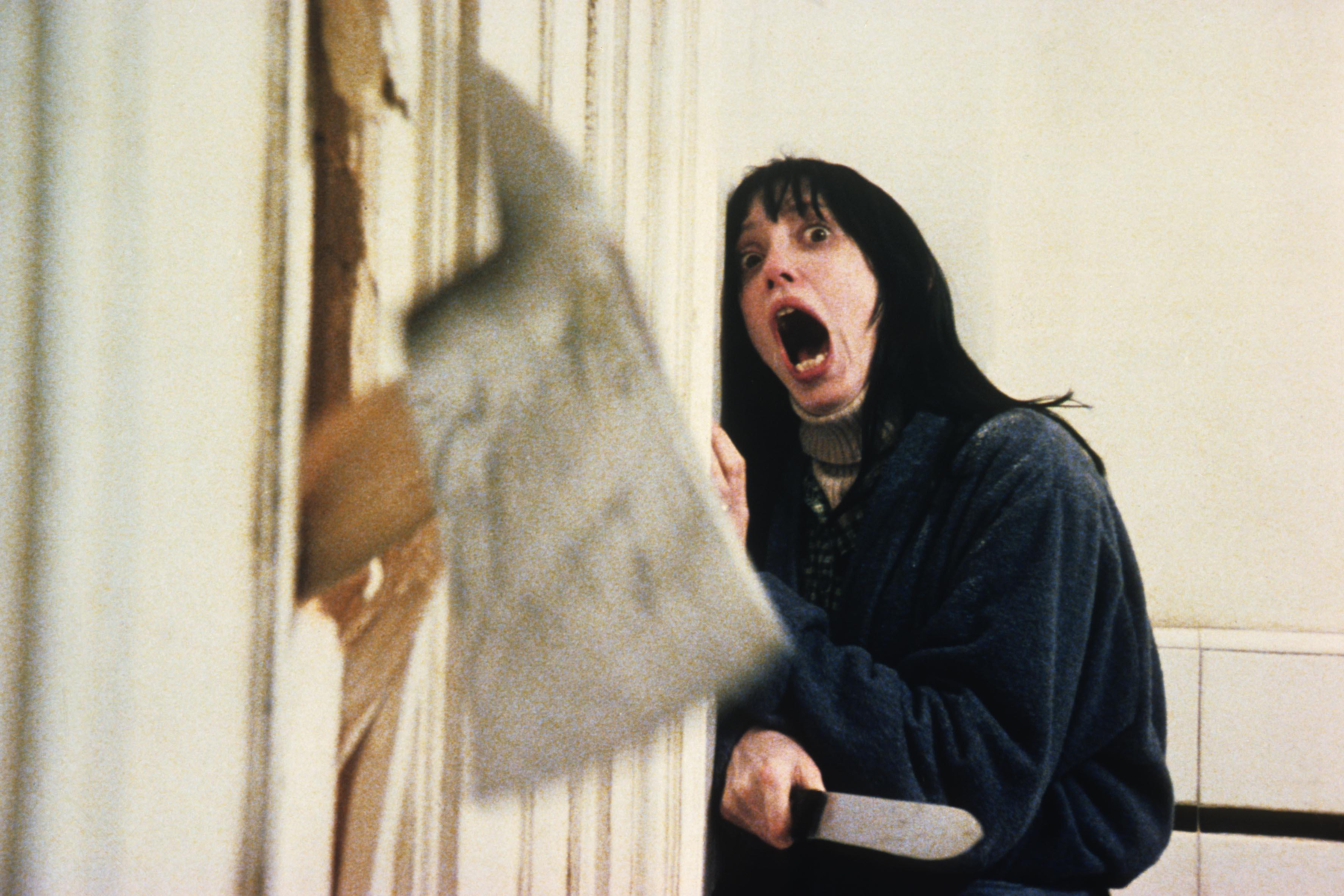
1. The Shining (1980)
Genre: Psychological Horror, Haunted House
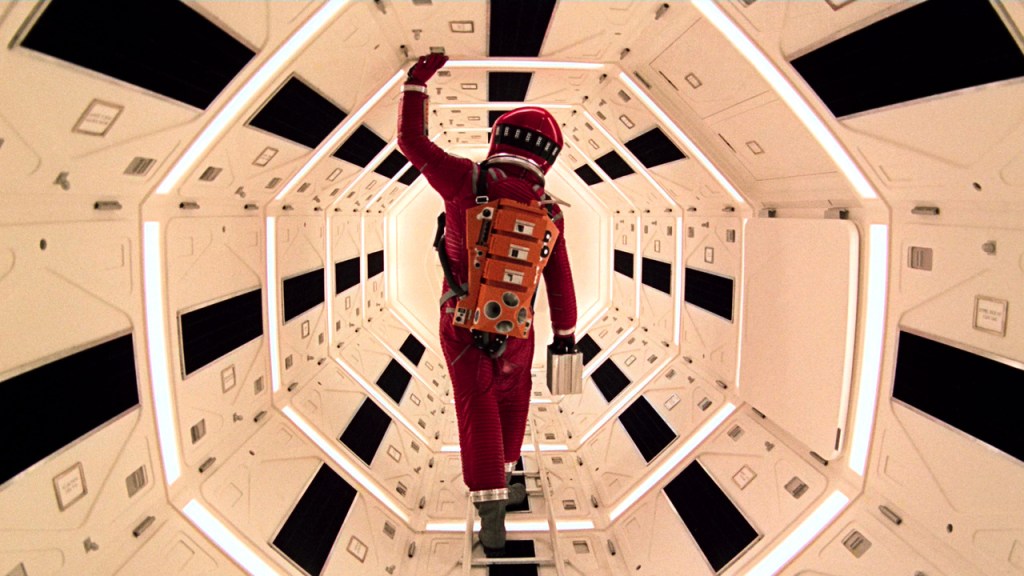
2. 2001: A Space Odyssey (1968)
Genre: Sci-Fi, Space Exploration
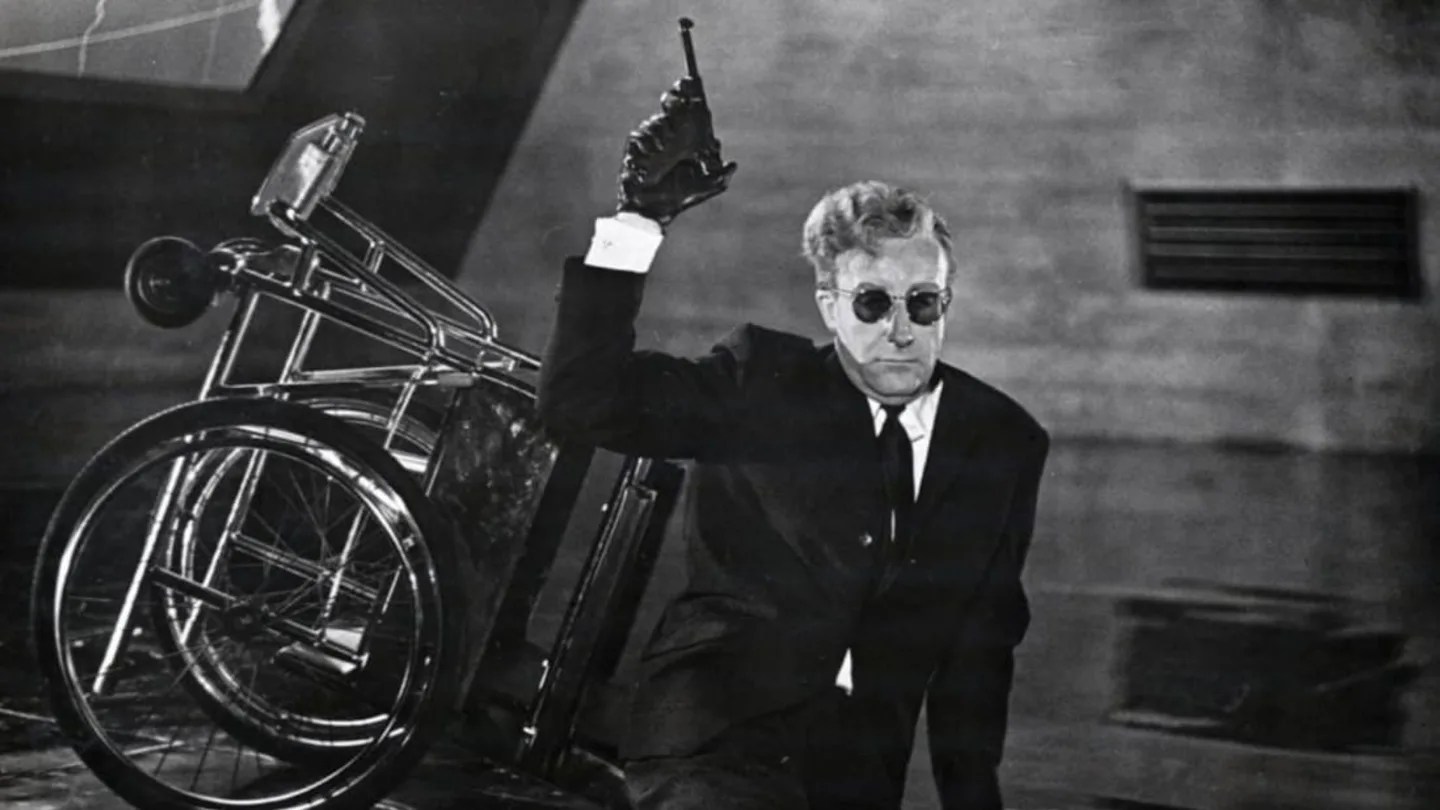
3. Dr Strangelove or: How I Learned To Stop Worrying and Love the Bomb (1964)
Genre: Satire, Black Comedy, War

4. Paths of Glory (1957)
Genre: War, Legal Drama

5. Barry Lyndon (1975)
Genre: Period Drama, Epic

6. A Clockwork Orange (1971)
Genre: Dystopian, Crime, Satire, Black Comedy

7. Full Metal Jacket (1987)
Genre: War, Drama

8. Eyes Wide Shut (1999)
Genre: Psychological Drama, Mystery

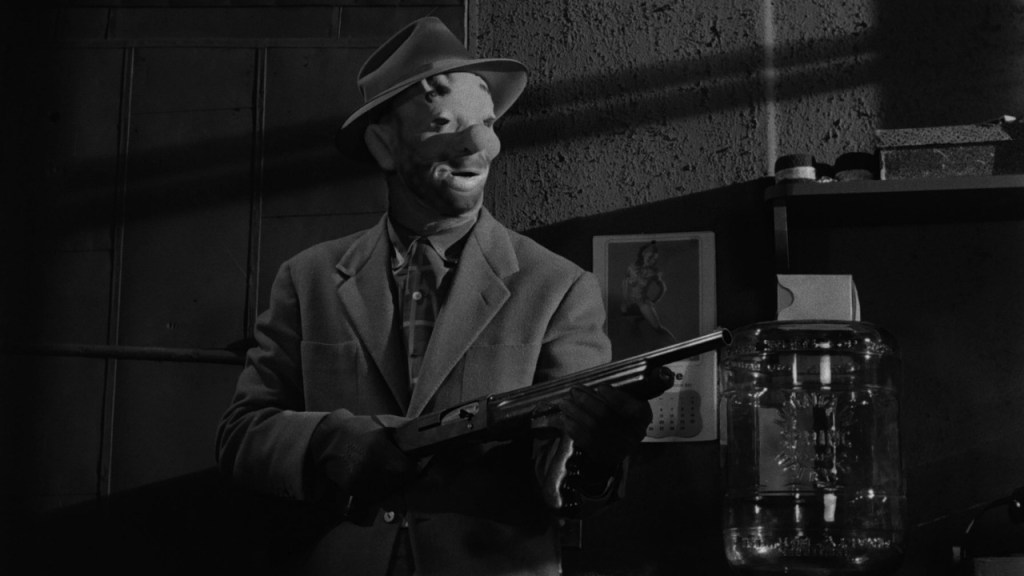
9. The Killing (1956)
Genre: Heist Film, Film Noir, Thriller
10. Spartacus (1960)
Genre: Sword and Sandal, Period Drama, Biographical, Epic

Stanley Kubrick: Themes and Style
Themes:
- Psychological Complexity: Kubrick’s films often delve into the intricacies of the human psyche, as seen in A Clockwork Orange, where he explores the nature of violence and free will.
- Authority and Power: He frequently examined the structures of power and authority, portraying them as flawed and often dehumanising, as in Dr. Strangelove, which satirises the absurdities of political and military power.
- Humanity vs. Technology: Kubrick questioned the relationship between humans and technology, notably in 2001: A Space Odyssey, where he presented a vision of how technology might surpass human intelligence and control.
- War and Violence: War is a recurring subject, depicted with unflinching realism and a critical eye, as in Full Metal Jacket, highlighting the brutality of war and its dehumanising effects on soldiers.
- Sexual Dynamics: The exploration of sexual relationships and the politics of sex reflect Kubrick’s interest in the darker aspects of human desire, exemplified by Eyes Wide Shut.
- Moral Ambiguity: His films often lack clear-cut heroes and villains, instead presenting characters with morally ambiguous traits, making viewers question their values and beliefs.
Styles:
- Symmetrical Composition: Kubrick favoured meticulously framed shots, often using symmetry to create a visually striking and psychologically unsettling effect, a technique prevalent in The Shining.
- Tracking Shots: He frequently employed long, uninterrupted tracking shots, immersing the audience in the scene and character experience, such as the famous Steadicam sequences in The Shining.
- Innovative Use of Music: Kubrick was known for his unconventional use of classical music and scores, using them to enhance the emotional impact of scenes, as in the use of Strauss in 2001: A Space Odyssey.
- Natural Lighting: He often used natural light and practical lighting within the set, as seen in Barry Lyndon, which was famously shot using candlelight to achieve period authenticity.
- Deliberate Pacing: Many of Kubrick’s films feature a slow build-up that emphasises atmosphere and tension over action, creating a hypnotic and contemplative viewing experience.
Directorial Signature:
- Perfectionism: Kubrick was renowned for his obsessive attention to detail, often demanding numerous takes to capture the perfect shot, which contributed to the polished look of his films.
- Control Over All Aspects: He maintained control over nearly every aspect of the filmmaking process, from screenplay writing to editing, ensuring that every element conformed to his precise vision.
- Innovation and Influence: Kubrick’s willingness to push boundaries with new techniques and storytelling methods has left a lasting influence on the film industry, often cited by contemporary directors as a major inspiration.
- Cold and Clinical Approach: His directorial approach is often described as cold or clinical, creating a distance between the audience and the characters, encouraging viewers to engage intellectually rather than emotionally.
- Collaboration with Actors: Despite his reputation for being a controlling director, Kubrick was also known for his deep collaborations with actors, allowing them to explore their characters in depth, which can be seen in the performances of Jack Nicholson in The Shining and Malcolm McDowell in A Clockwork Orange.
- Visual Innuendo: Kubrick’s use of visual metaphor and symbolism is a signature element, providing layers of meaning that often require multiple viewings to fully unpack, such as the monolith in 2001: A Space Odyssey.
Stanley Kubrick: The 7th Greatest Director


 Bronze Screen Dream