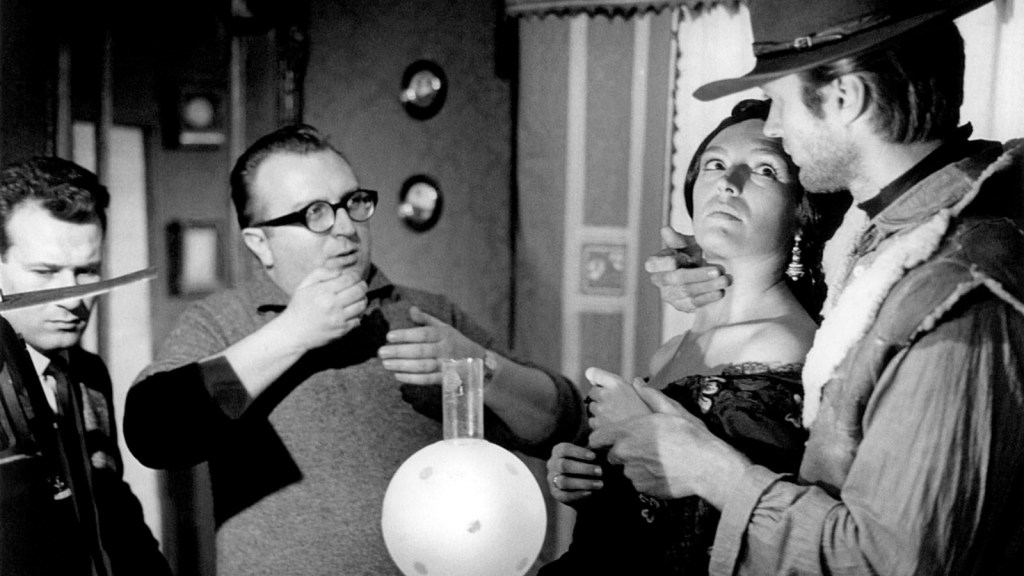
Sergio Leone, an iconic Italian filmmaker, revolutionised the Western genre, infusing it with a unique visual style and moral complexity that was dramatically distinct from its American counterparts. Renowned for his Spaghetti Westerns, Leone’s films such as The Good, the Bad and the Ugly and Once Upon a Time in the West redefined cinematic conventions with their stylised violence, morally ambiguous characters, and grand narrative scale. His “Dollars Trilogy” or “The Man with No Name Trilogy” turned Clint Eastwood into an international star and set the benchmark for Spaghetti Westerns.
Leone was born into a cinematic family in Rome, facilitating his early film-making exposure. Starting as an assistant director in Italian cinema, he eventually transitioned to directing in the early 1960s, breathing new life into the declining Western genre. He meticulously crafted films that were both a homage to and a critique of classic American cinema, incorporating elements from John Ford‘s Westerns and 1930s and 1940s gangster films while injecting his own distinctive vision.
Leone’s films are distinguished by their juxtaposition of expansive landscapes and extreme close-ups, creating a palpable dramatic tension within the frame. His characters, often laconic and morally ambiguous, conveyed a cynical and complex worldview divergent from the archetypal Western hero. The stylised depiction of violence in his films, far from being gratuitous, reflected the brutal realities of the historical periods he portrayed. Leone’s films also often exhibited an epic storytelling style, with complex narratives, lengthy runtimes, and large ensembles of characters.
The Master of the Spaghetti Western
Integral to Leone’s work was his collaboration with composer Ennio Morricone, whose iconic scores set the tone and amplified the emotive power of Leone’s films. Morricone’s music, notably for The Good, the Bad and the Ugly, is among the most recognisable in cinematic history, profoundly enhancing the mood and success of Leone’s creations. Additionally, Leone’s reinterpretation of the Western genre into what came to be known as “Revisionist Westerns” offered a deconstruction and challenge to the myths and conventions of traditional American Westerns.
Despite a relatively limited filmography, Leone’s films carry a potent stylistic imprint and thematic depth. His unique visual style, complex narratives, and subversion of genre conventions paved the way for a more nuanced and expansive exploration of the Western genre. These stylistic trademarks have significantly influenced modern filmmakers, with directors such as Quentin Tarantino and Robert Rodriguez openly citing Leone as a primary influence.
Sergio Leone’s impact on cinema is immeasurable. His innovative approach to storytelling, dramatic visual style, and deconstruction of genre norms have left an indelible mark on global cinema. His films continue to inspire filmmakers worldwide, affirming his enduring legacy as a trailblazer who reimagined the Western genre and expanded the boundaries of cinematic storytelling.

Sergio Leone (1929 – 1989)
Calculated Films:
- A Fistful of Dollars (1964)
- For A Few More Dollars (1965)
- The Good, The Bad and the Ugly (1966)
- Once Upon A Time In The West (1968)
- Duck, You Sucker! (1971)
- Once Upon A Time In America (1984)
Similar Filmmakers
- Akira Kurosawa
- Anthony Mann
- Clint Eastwood
- Damiano Damiani
- Enzo G. Castellari
- Francis Ford Coppola
- Giulio Petroni
- Howard Hawks
- John Ford
- John Sturges
- Martin Scorsese
- Quentin Tarantino
- Robert Rodriguez
- Sam Peckinpah
- Sergio Corbucci
- Sergio Sollima
- Tonino Valerii
- Walter Hill

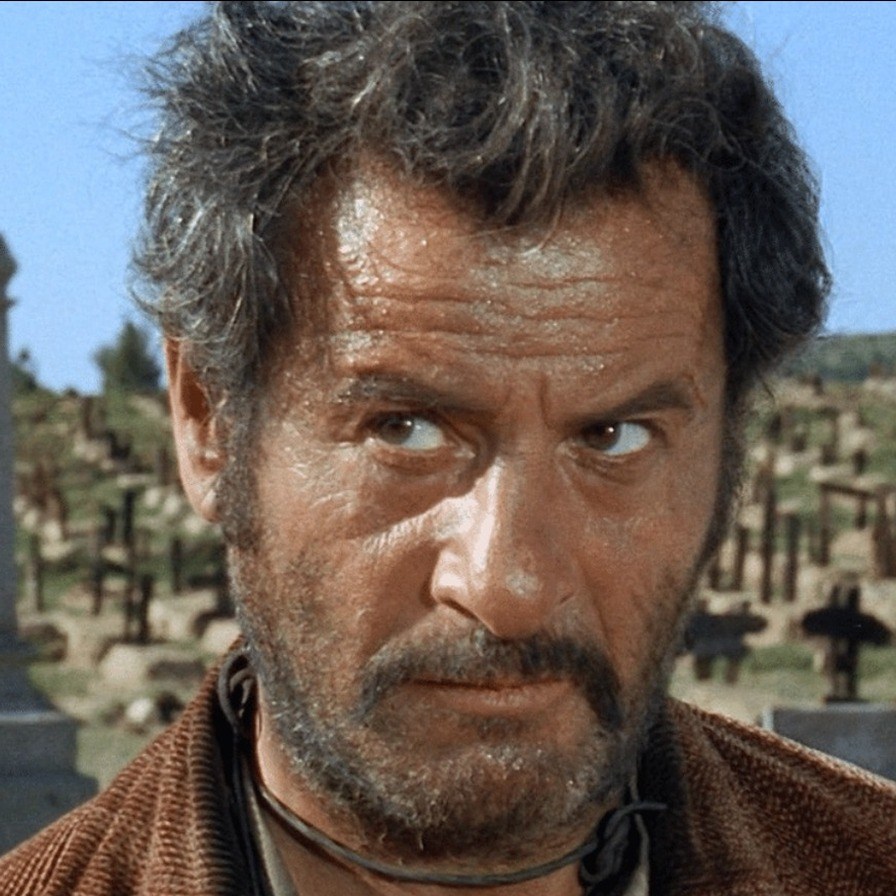

Sergio Leone’s Films Ranked
1. The Good, The Bad and the Ugly (1966)
Genre: Spaghetti Western
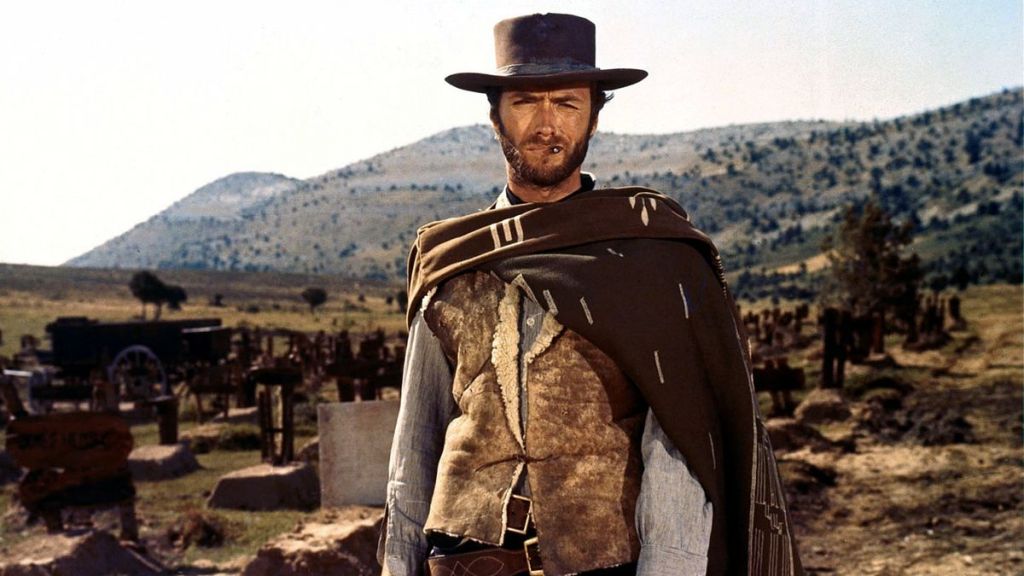
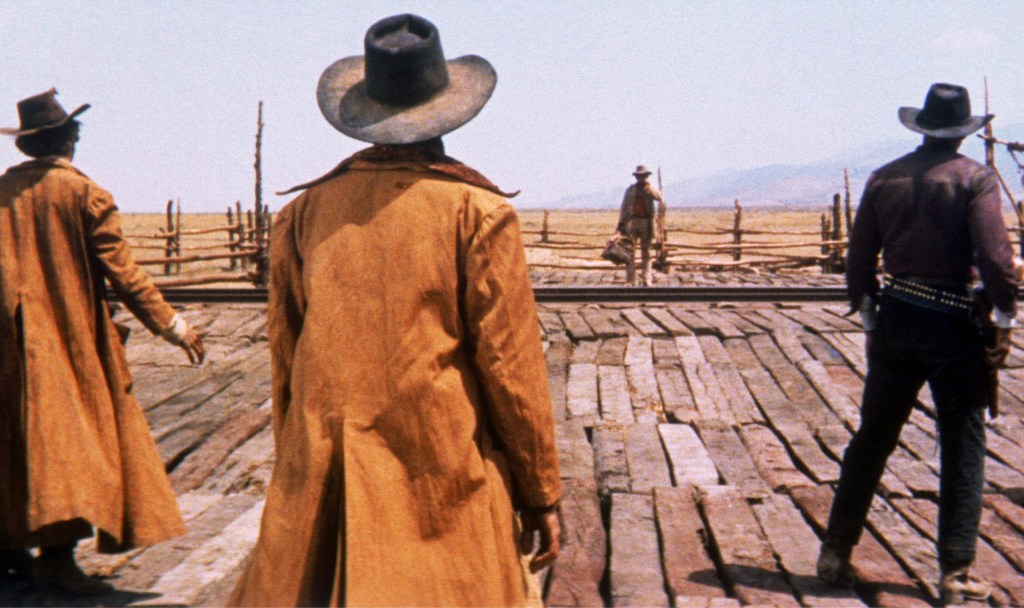
2. Once Upon A Time In The West (1968)
Genre: Spaghetti Western
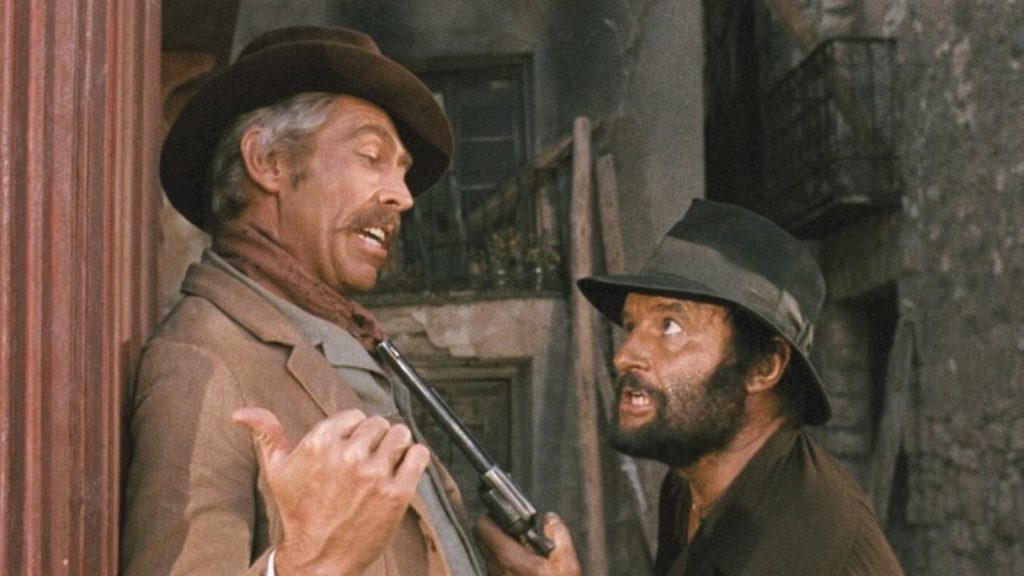
3. Once Upon A Time In America (1984)
Genre: Gangster Film, Drama, Period Drama, Epic

4. For A Few Dollars More (1965)
Genre: Spaghetti Western

5. Duck, You Sucker! (1971)
Genre: Zapata Western, Buddy, War
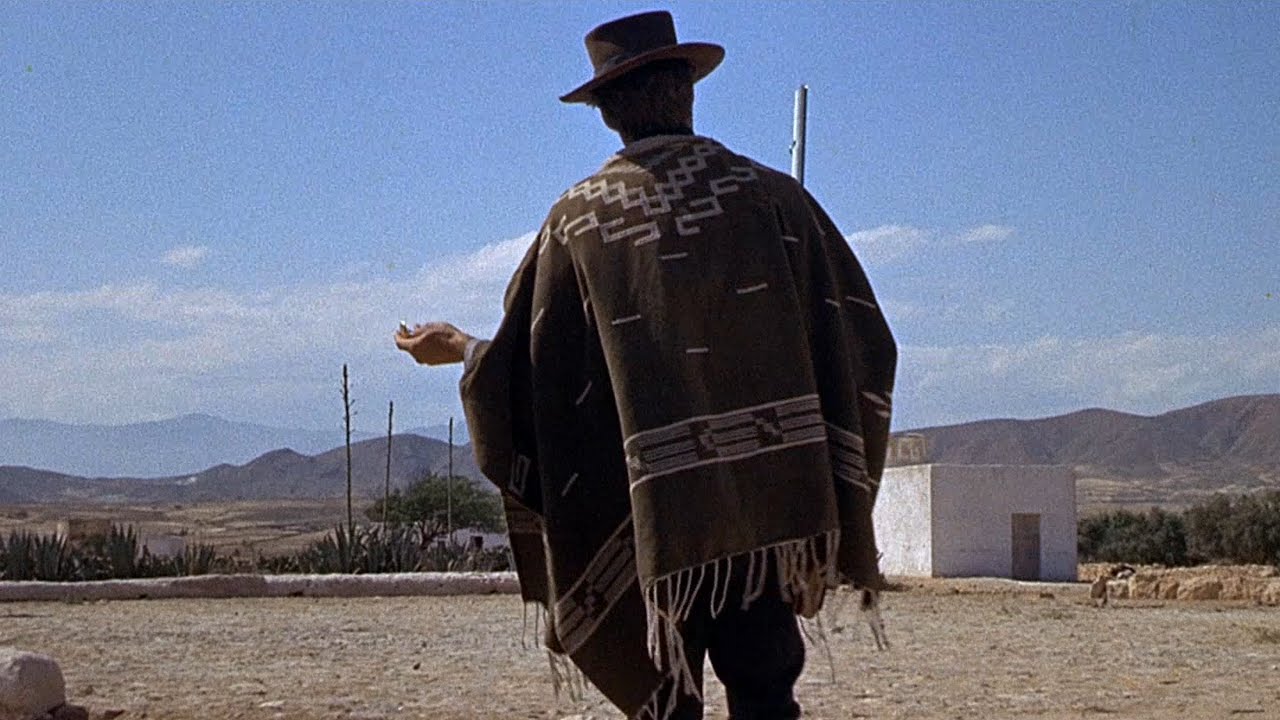
6. A Fistful of Dollars (1964)
Genre: Spaghetti Western

7. The Colossus of Rhodes (1961)
Genre: Sword and Sandal

Sergio Leone: Themes and Style
Themes:
- Revisionist History: Leone often took historical periods, like the Old West in Once Upon a Time in the West, and reimagined them with a gritty, unromanticised perspective, offering a counter-narrative to the glorified versions of history.
- Morality and Redemption: His characters, as seen in The Good, the Bad and the Ugly, are typically antiheroes caught in moral ambiguities, searching for redemption or survival within a corrupt and harsh world.
- Mythology of Americana: Leone’s work, despite being an Italian director, delved deeply into the myths of American culture, particularly with his Dollars Trilogy, redefining the American cowboy archetype and the concept of the American Dream.
Styles:
- Operatic Cinematography: Leone was known for his expansive landscapes and extreme close-ups that create a dramatic, operatic feel, as exemplified in Once Upon a Time in America.
- Extended Sequences: He frequently used long, drawn-out scenes that build tension slowly, then culminate in quick, violent action. This pacing defines much of the suspense in his films.
- Eclectic Soundtracks: Collaborating with composer Ennio Morricone, Leone’s films like For a Few Dollars More feature iconic scores that blend traditional orchestral arrangements with unconventional sounds, enhancing the atmospheric tension.
Directorial Signature:
- Iconic Character Introductions: Leone had a flair for introducing his characters in memorable ways, often using close-ups of their faces or eyes, as seen in the opening of The Good, the Bad and the Ugly.
- Synchronous Sound and Music: He often synchronised the visuals with the music score to enhance dramatic effect, creating an almost symbiotic relationship between sound and image.
- Minimal Dialogue: Leone’s characters are typically laconic, with the visual storytelling taking precedence over lengthy dialogue. The silence often serves to heighten the intensity of the scenes.
- Leitmotifs: Leone used recurring musical themes for each character, as Morricone’s scores would often assign a specific piece to a character, making their appearances on screen more impactful, like the haunting harmonica in Once Upon a Time in the West.
Sergio Leone: The 53rd Greatest Director



 Bronze Screen Dream