
Sergio Corbucci was an Italian film director, screenwriter, and producer, widely regarded as one of the most influential figures in the Spaghetti Western genre. He is best known for his gritty, violent, and politically charged westerns that often subverted the conventions of the genre. Corbucci’s films are characterised by their bleak, nihilistic tone, dark humour, and anti-heroic protagonists who navigate morally ambiguous landscapes.
Throughout his career, Corbucci explored recurring themes of revolution, social injustice, and the blurred lines between good and evil. His films often featured protagonists who were outcasts or marginalized figures, fighting against corrupt systems and oppressive authority. This is evident in films like Django, where the titular character seeks revenge against a ruthless gang, and The Great Silence, which portrays a mute gunslinger defending a group of outlaws against bounty hunters. Corbucci’s westerns frequently incorporated political commentary, reflecting the social and political unrest of the 1960s and 1970s, as seen in The Mercenary and Compañeros, which dealt with themes of revolution and class struggle.
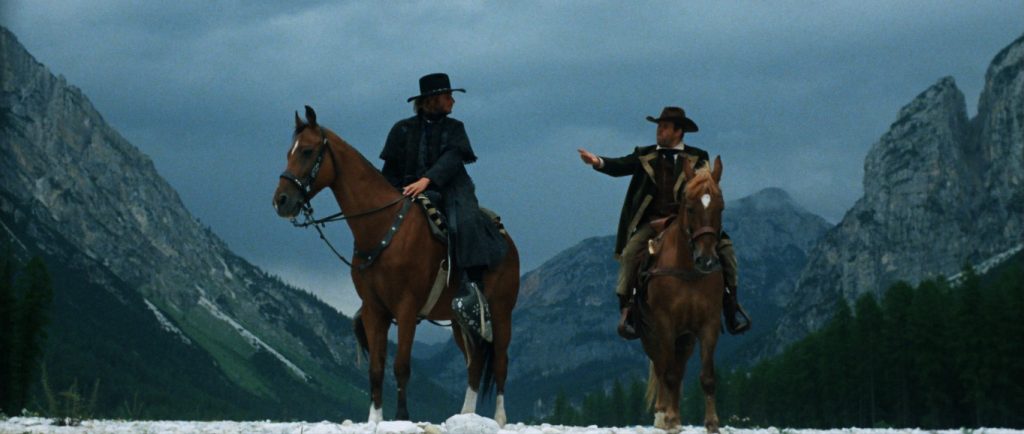
Corbucci’s visual style was marked by his use of stark, desolate landscapes, often filmed in harsh weather conditions to heighten the sense of isolation and despair. He frequently employed extreme close-ups and unconventional camera angles to create a sense of unease and tension, as demonstrated in the iconic opening scene of Django, where the camera focuses on the protagonist’s mud-caked face and piercing eyes. Corbucci’s approach to violence was unflinching and graphic, with scenes of brutality that shocked audiences at the time, such as the ear-cutting scene in Django. His films also showcased a unique blend of tragedy and dark humour, with characters often delivering sardonic one-liners amidst the chaos and bloodshed, a trait that would later influence directors like Quentin Tarantino, who has cited Corbucci as a major inspiration for his own work.

Sergio Corbucci (1926 – 1990)
Calculated Films:
- Django (1966)
- The Great Silence (1968)
Similar Filmmakers
- Alex Cox
- Budd Boetticher
- Carlo Lizzani
- Clint Eastwood
- Damiano Damiani
- Duccio Tessari
- Enzo G. Castellari
- Ferdinando Baldi
- Giulio Petroni
- John Ford
- Lucio Fulci
- Quentin Tarantino
- Robert Rodriguez
- Sam Peckinpah
- Sergio Leone
- Sergio Sollima
- Tonino Valerii
- Walter Hill
Sergio Corbucci’s Top 5 Films Ranked
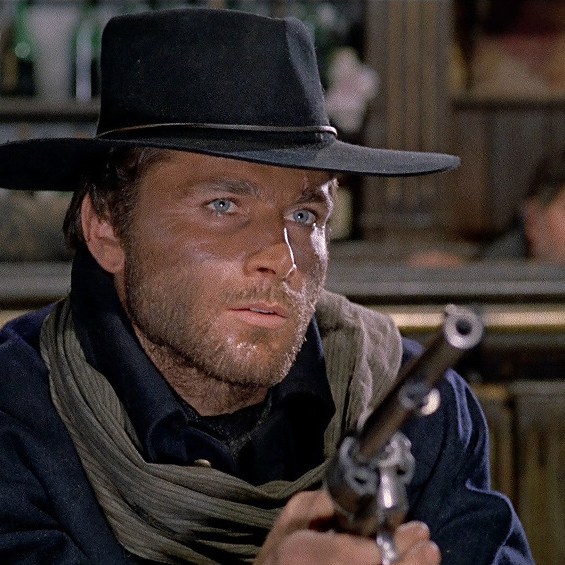
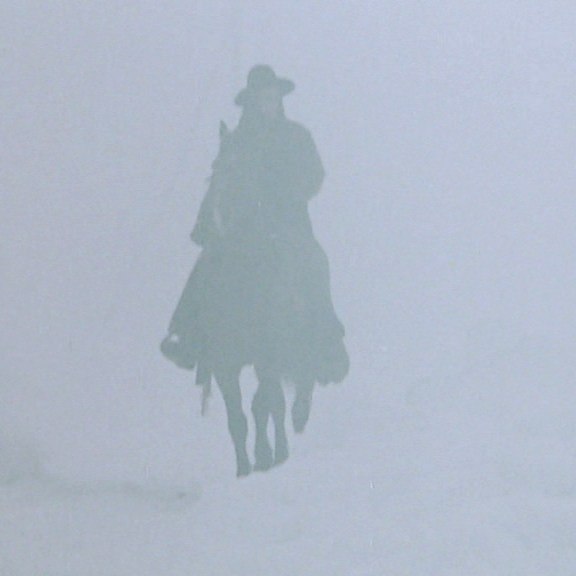
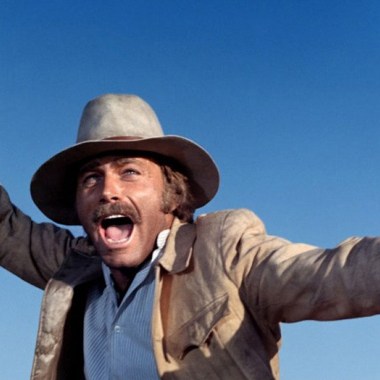
1. The Great Silence (1968)
Genre: Spaghetti Western, Revisionist Western
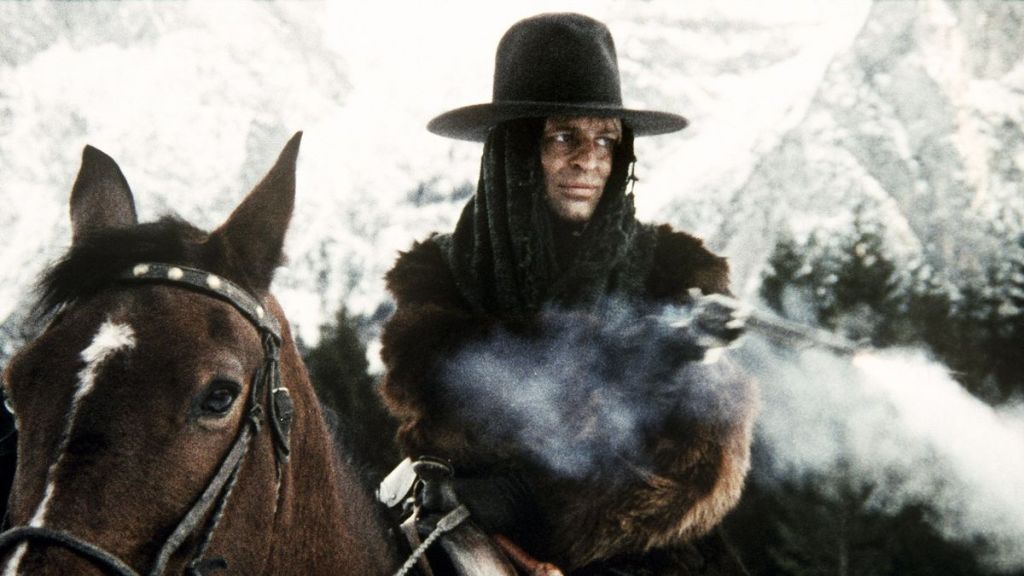
2. Django (1966)
Genre: Spaghetti Western

3. Compañeros (1970)
Genre: Zapata Western

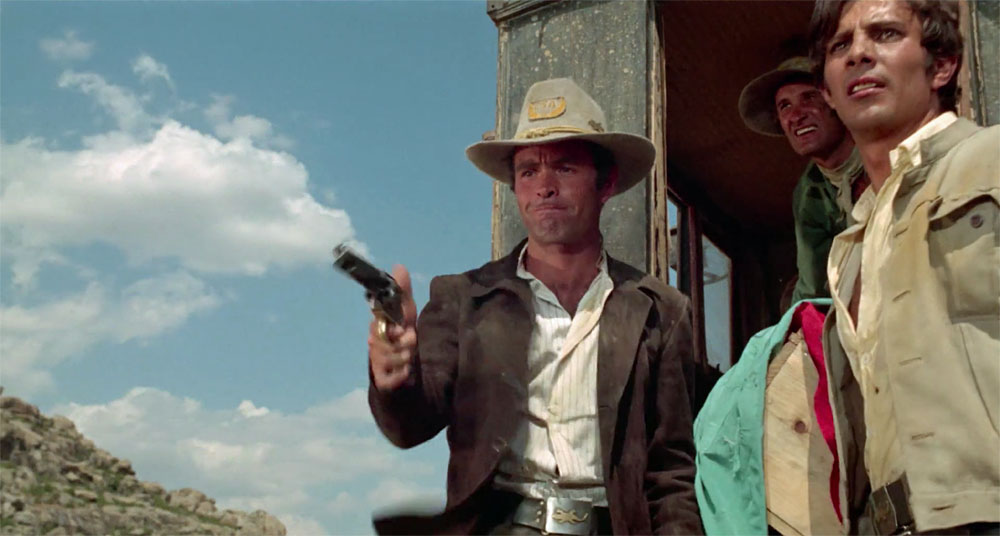
4. A Professional Gun (1968)
Genre: Zapata Western
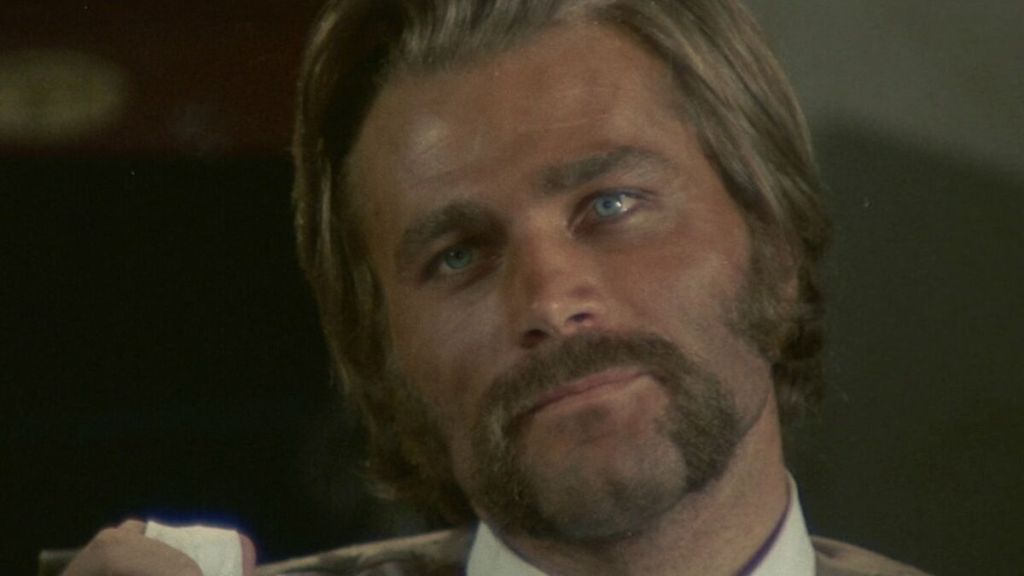
5. The Hellbenders (1967)
Genre: Spaghetti Western
Sergio Corbucci: Themes and Style
Themes:
- Violence: Corbucci’s films often explore brutal violence as a means of survival or revenge, particularly in his Westerns like Django and The Great Silence, where protagonists navigate harsh, unforgiving landscapes and confront ruthless adversaries.
- Cynicism: A pervasive sense of cynicism and moral ambiguity characterises Corbucci’s work. His characters frequently operate in morally grey areas, challenging traditional notions of heroism, as seen in Compañeros and The Mercenary.
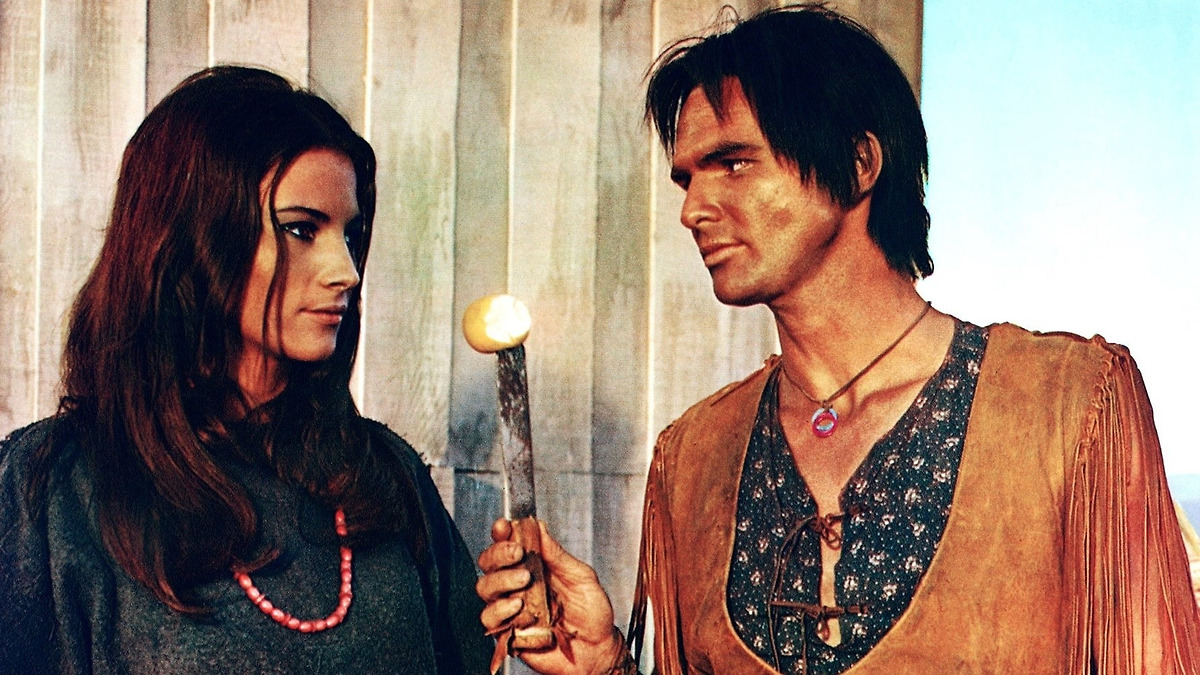
- Social injustice: Corbucci consistently addresses themes of social inequality and oppression, often depicting class struggles and the exploitation of the weak by the powerful, as exemplified in Navajo Joe and The Hellbenders.
- Revenge: Many of Corbucci’s protagonists are driven by a desire for vengeance, using it as a motivating force to overcome overwhelming odds and right perceived wrongs, as seen in Django and The Great Silence.
- Outsiders: Corbucci frequently focuses on marginalised characters or outsiders who challenge societal norms and expectations, often becoming reluctant heroes or anti-heroes in the process, as depicted in The Mercenary and Compañeros.
Styles:
- Gritty realism: Corbucci’s films are characterised by a raw, gritty aesthetic that emphasises the harsh realities of the worlds he creates, particularly evident in the dirty, mud-filled settings of Django and the snow-covered landscapes of The Great Silence.
- Innovative camerawork: Corbucci employs dynamic camera techniques, including extreme close-ups, unusual angles, and rapid zooms, to heighten tension and create a sense of unease, particularly evident in action sequences across his filmography.
- Graphic violence: Known for pushing boundaries, Corbucci’s films feature explicit, often shocking depictions of violence that serve to underscore the brutality of his characters’ world and actions, as seen in the ear-cutting scene in Django.
- Stylised action: Corbucci’s action sequences are meticulously choreographed and often highly stylised, blending realism with exaggerated elements to create memorable, impactful scenes, such as the climactic shootouts in The Mercenary and Compañeros.
- Dark humour: Despite the often bleak themes, Corbucci incorporates elements of dark humour and irony into his films, creating a tonal contrast that adds depth to his narratives, as seen in Django and The Hellbenders.
Directorial Signature:
- Ensemble casts: Corbucci often works with a recurring group of actors, including Franco Nero and Tomas Milian, creating a sense of continuity across his filmography and allowing for nuanced character portrayals.
- Subversive narratives: Corbucci frequently subverts genre expectations, particularly in his Westerns, challenging traditional tropes and offering unconventional resolutions to conflicts, as exemplified in the nihilistic ending of The Great Silence.
- Anti-heroes: His protagonists are often morally ambiguous characters who blur the line between hero and villain, forcing audiences to question traditional notions of heroism, as seen in the titular character of Django.
- Political commentary: Corbucci infuses his films with subtle (and sometimes overt) political commentary, addressing issues of power, corruption, and social inequality, particularly evident in Compañeros and The Mercenary.
- Visual symbolism: He employs powerful visual metaphors and symbolic imagery to reinforce themes and character development, such as the mud-caked landscapes in Django representing moral decay.
Sergio Corbucci – Great Director

 Bronze Screen Dream