

Satyajit Ray, India’s most celebrated filmmaker, is globally admired for his profound humanistic cinema. The Bengali director is best known for his penetrating social commentary and innovative storytelling, eloquently reflecting ordinary people’s everyday struggles, emotions, and moral dilemmas. His films, such as Pather Panchali and the entirety of The Apu Trilogy, are notable for their visual elegance and narrative depth, tackling pressing issues like poverty, class, and modernisation’s effects in rural and urban India.
Born into a prominent Bengali family associated with arts and literature, Ray’s formative years were marked by exposure to a rich cultural milieu. He initially worked as a graphic designer and illustrator before being profoundly influenced by Italian Neorealism during a trip to London, which inspired him to pursue filmmaking. His debut film, Pather Panchali, was a groundbreaking work that brought him international acclaim and paved the way for his influential career in cinema.
Ray’s cinema is characterised by its unwavering humanism and insightful social commentary. His realist approach provided a raw depiction of the harsh realities of life, offering a compelling exploration of the socio-economic fabric of India. His narratives are renowned for their innovative structures, often departing from traditional linearity and utilising flashbacks, dreams, and other narrative devices to enhance the complexity and depth of his stories.
India’s Most Celebrated Director
A hallmark of Ray’s cinematic style is its simplicity and elegance. He leveraged natural light, location shooting, and minimalist compositions to convey the mood and atmosphere of his narratives. As a skilled composer, Ray also composed the scores for his films, using traditional Indian classical music and folk tunes to enhance their emotional and thematic resonance. His use of music was not merely supplemental but an integral part of his storytelling, often serving as an additional narrative layer.
Ray’s films are recognised for their complex characters and memorable performances. Working closely with his actors, he evoked naturalistic and emotionally powerful performances. His work is deeply rooted in Bengali literature and culture, often basing his films on literary works by prominent Bengali authors. This cultural influence is instrumental in understanding the context and narratives of his films, lending them an additional layer of authenticity.
Satyajit Ray’s influence extends beyond Indian cinema, inspiring filmmakers worldwide. His empathetic storytelling, innovative narrative techniques, and distinct visual style have been widely recognised and celebrated. Filmmakers like Martin Scorsese, Wes Anderson, and Akira Kurosawa have expressed their admiration for Ray’s work. In India, filmmakers such as Shyam Benegal and Adoor Gopalakrishnan have been influenced by his realism and nuanced character portrayal. With his lasting legacy, Ray continues to be a towering figure in global cinema, revered for his unique blend of humanistic storytelling and astute social commentary.

Satyajit Ray (1921 – 1992)
Calculated Films:
- Pather Panchali (1955)
- Aparajito (1956)
- The Music Room (1958)
- The World of Apu (1959)
- The Big City (1963)
- Charulata (1964)
- Two (1965)
- The Hero (1966)
- The Adversary (1970)
- The Middleman (1975)
- The Stranger (1991)
Similar Filmmakers
- Goutam Ghose
- Jean Renoir
- Ken Loach
- Luchino Visconti
- Mira Nair
- Mrinal Sen
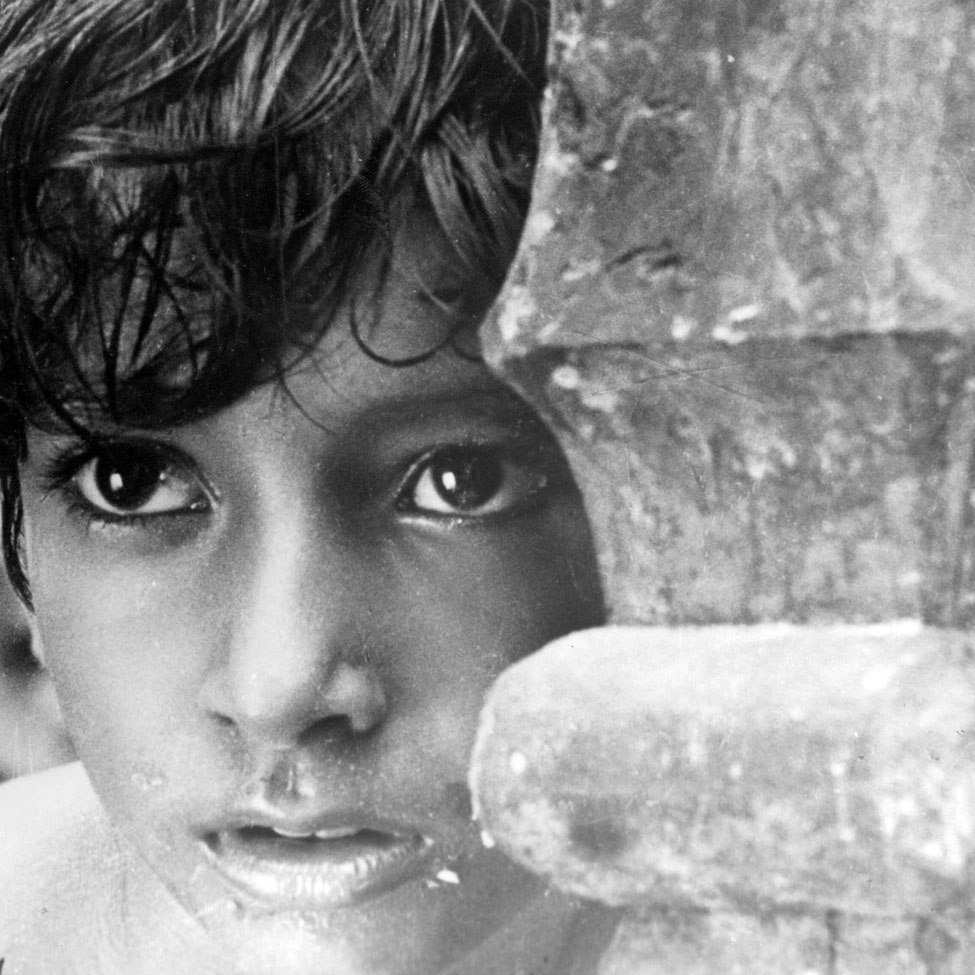
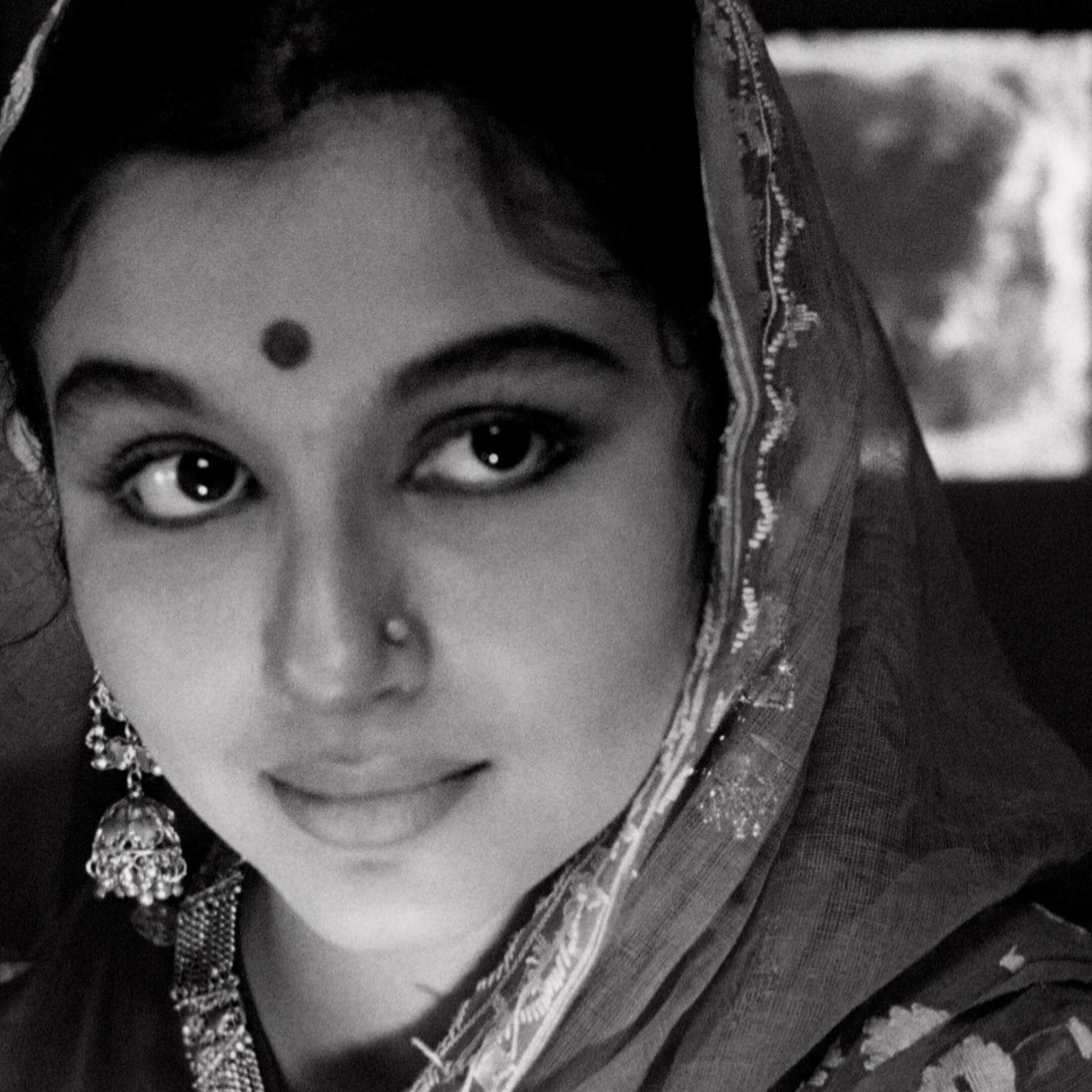
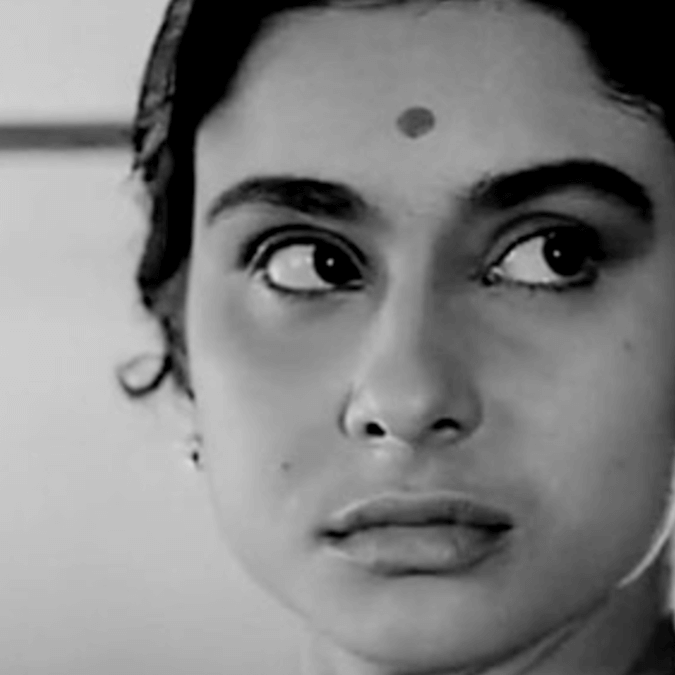
Satyajit Ray’s Top 10 Films Ranked
1. Pather Panchali (1955)
Genre: Drama, Slice of Life
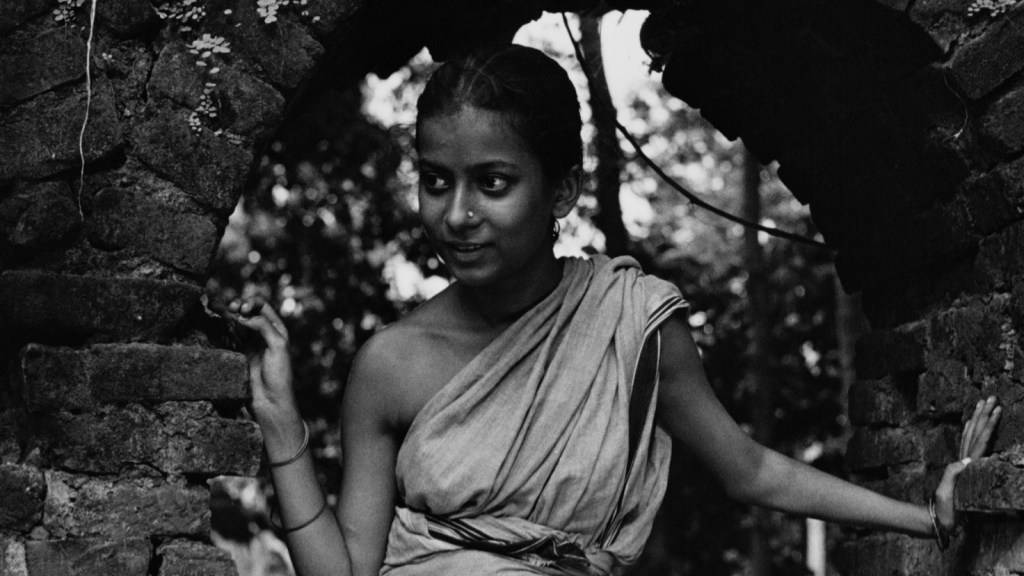
2. The World of Apu (1959)
Genre: Drama
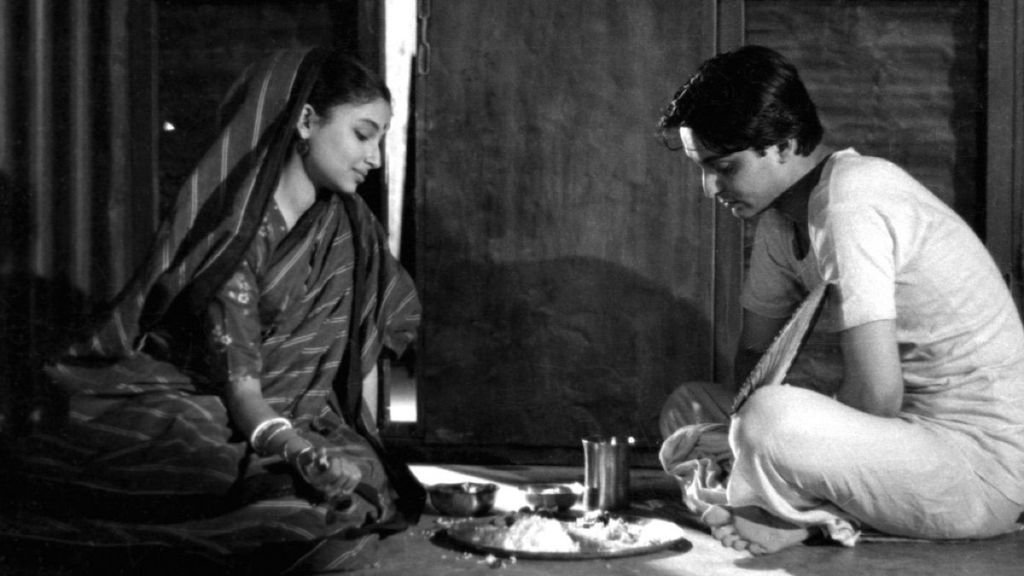
3. Aparajito (1956)
Genre: Drama, Coming-of-Age
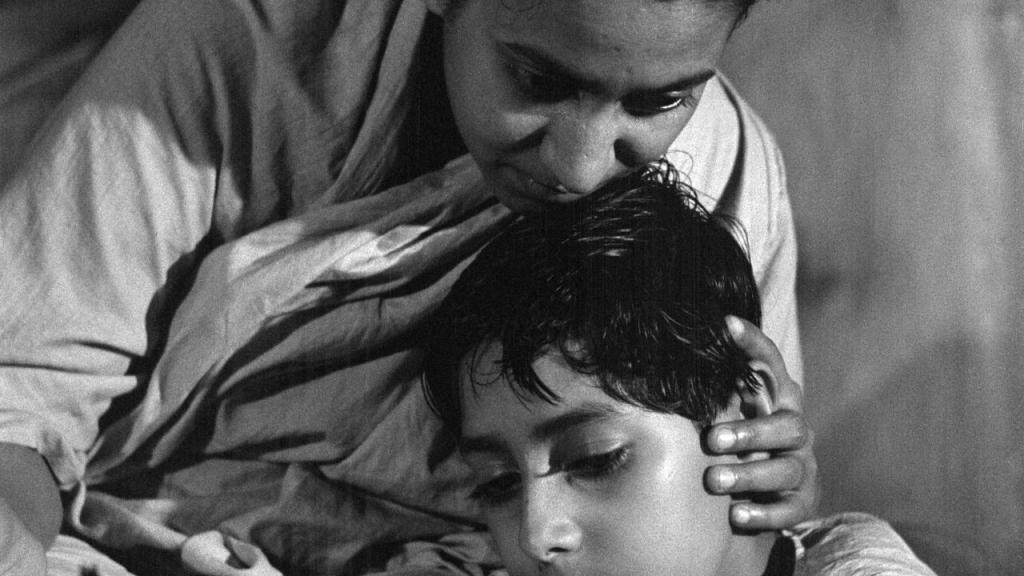
4. The Big City (1963)
Genre: Drama
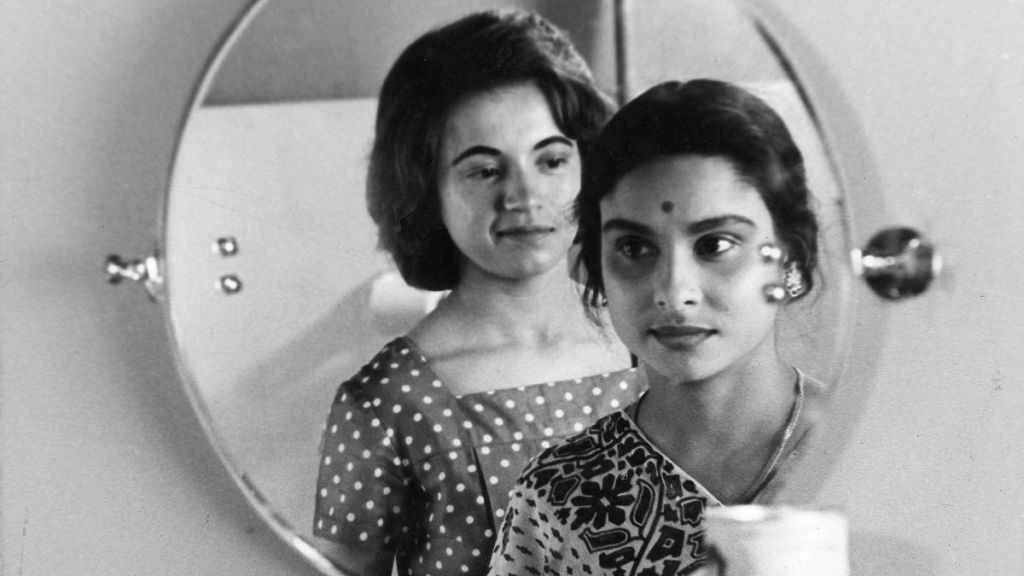
5. Charulata (1964)
Genre: Romance, Drama
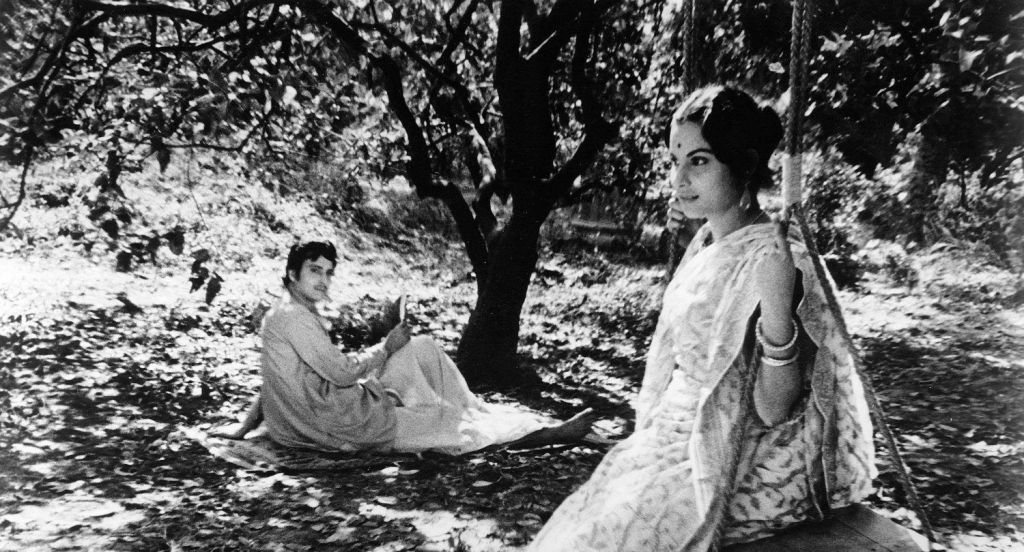
6. The Music Room (1958)
Genre: Music, Drama
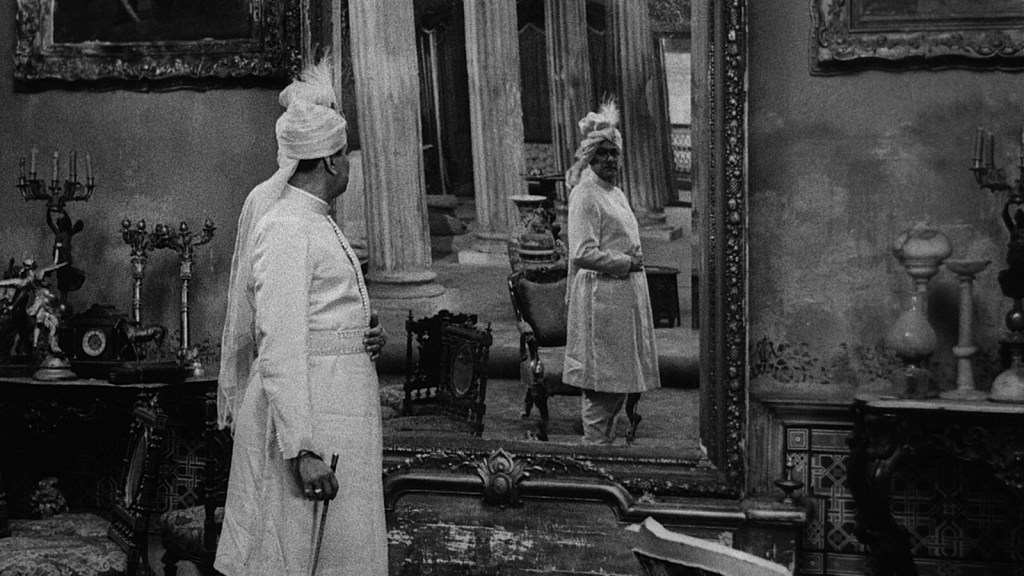
7. The Adversary (1970)
Genre: Drama
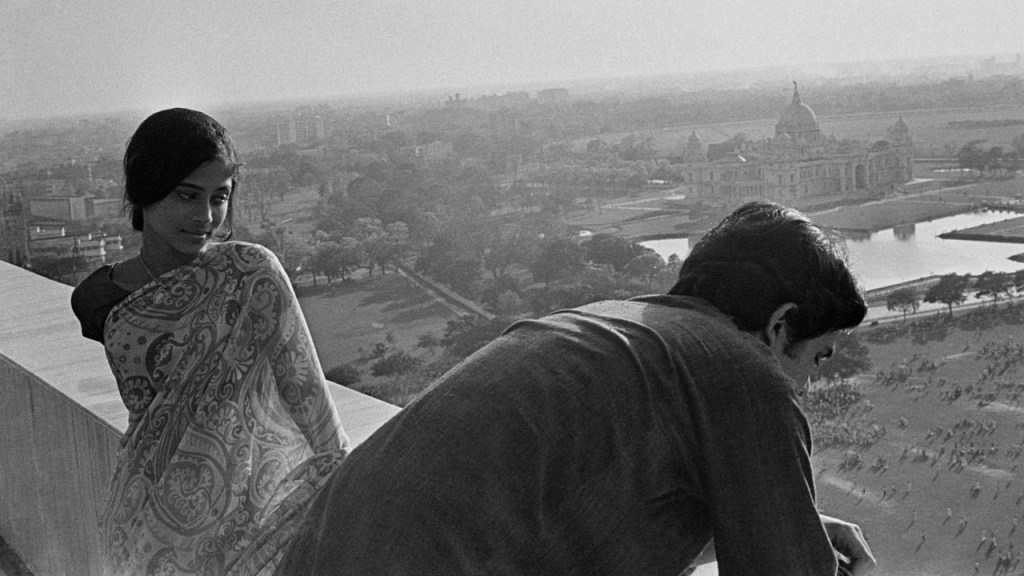
8. The Hero (1966)
Genre: Drama

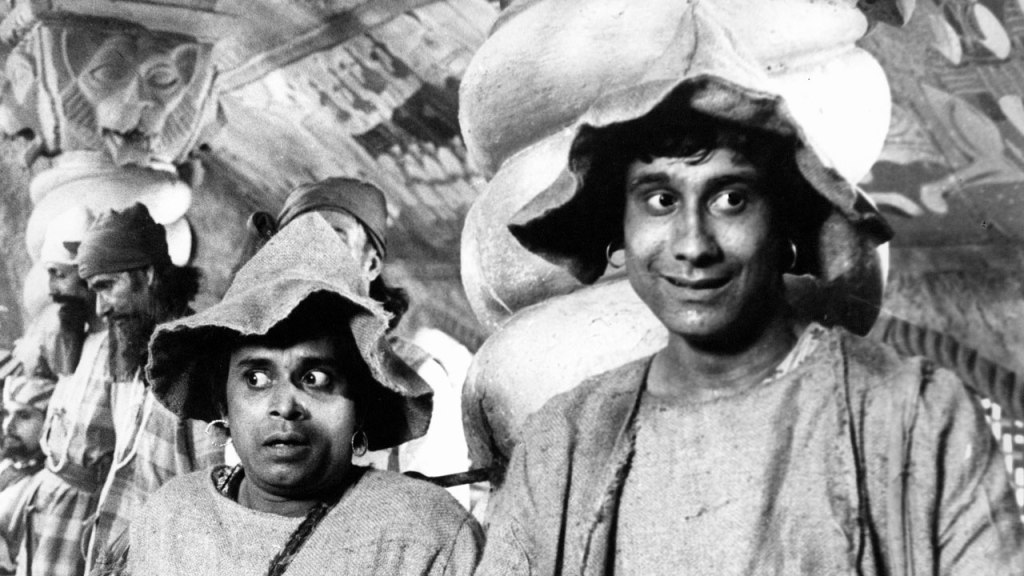
9. The Adventures of Goopy and Bagha (1969)
Genre: Musical, Fantasy, Children’s
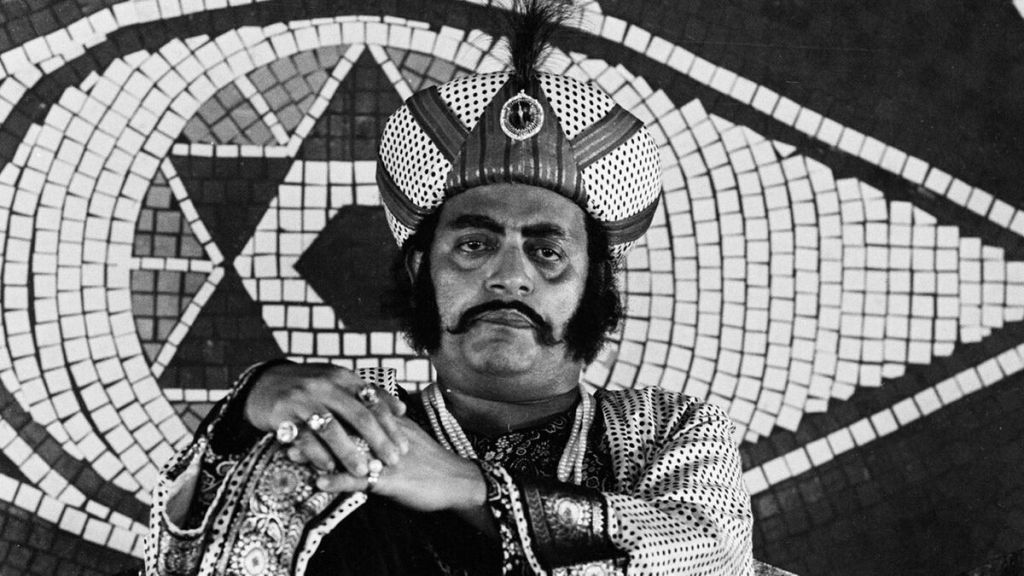
10. The Kingdom of Diamonds (1980)
Genre: Comedy
Satyajit Ray: Themes and Style
Themes:
- Humanism and Realism: Ray’s films often depict the everyday lives of Indian people, especially Bengali culture. In Pather Panchali, for example, Ray explores the struggles and joys of a poor rural family, highlighting his deep empathy and understanding of human emotions.
- Social Inequities: He frequently addressed social issues such as the caste system, poverty, and education. Films like Sadgati are a stark portrayal of the social atrocities and untouchability prevalent in rural India.
- Urban vs. Rural Divide: Ray’s work, like Aparajito, contrasts the simplicity of rural life with the complexity and often the corruption of urban environments, delving into the dissonance between tradition and modernity in post-colonial India.
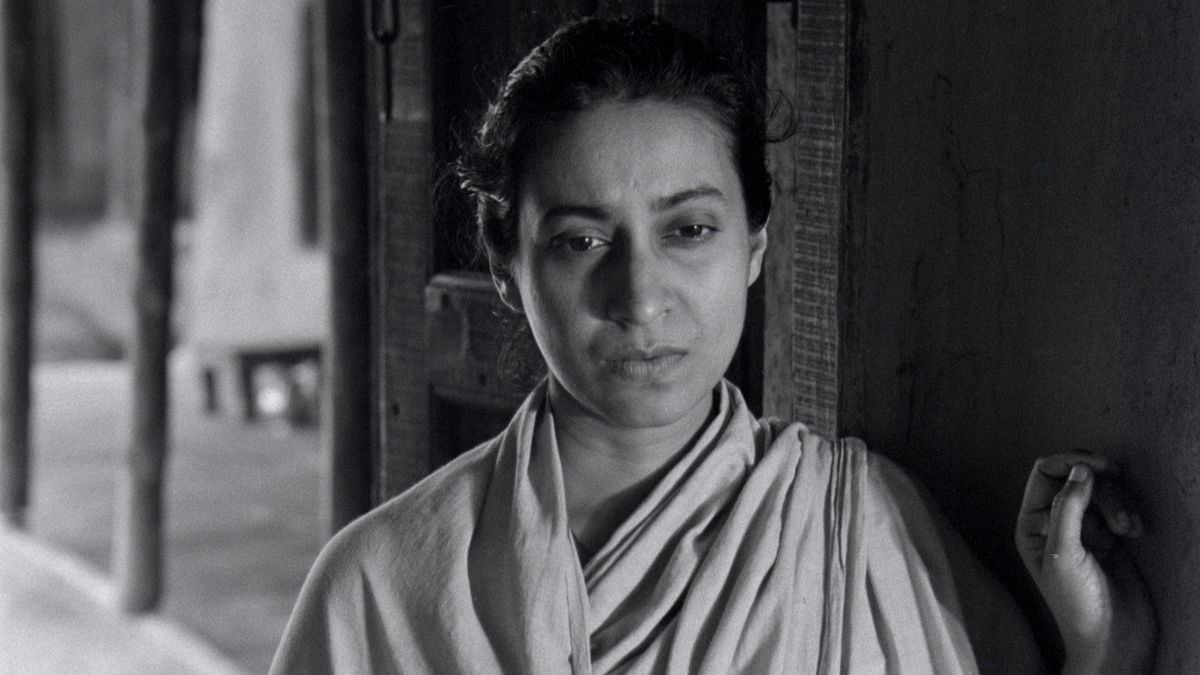
- Women’s Roles: Ray’s narratives often centred on strong female characters, depicting their struggles and resilience. In Charulata, the eponymous character’s intellectual thirst and emotional needs are portrayed with nuance and sensitivity.
- Adaptation of Literature: Many of Ray’s films, such as Ghare Baire, are adaptations of literary works that explore historical changes and personal dilemmas, reflecting Ray’s profound love for literature.
Styles:
- Visual Storytelling: Ray was known for his ability to tell a story visually. His use of naturalistic lighting and location shooting in Pather Panchali brought a sense of authenticity and aesthetic simplicity to the screen.
- Economy of Technique: He often employed a minimalist approach, using long takes and little to no background music to heighten realism, as seen in Ashani Sanket, where the lack of melodramatic elements accentuates the famine’s grimness.
- Music as a Narrative Tool: A composer himself, Ray, used music to complement the narrative. The scores in Goopy Gyne Bagha Byne not only enhance the mood but also advance the story, weaving aural and visual storytelling together.
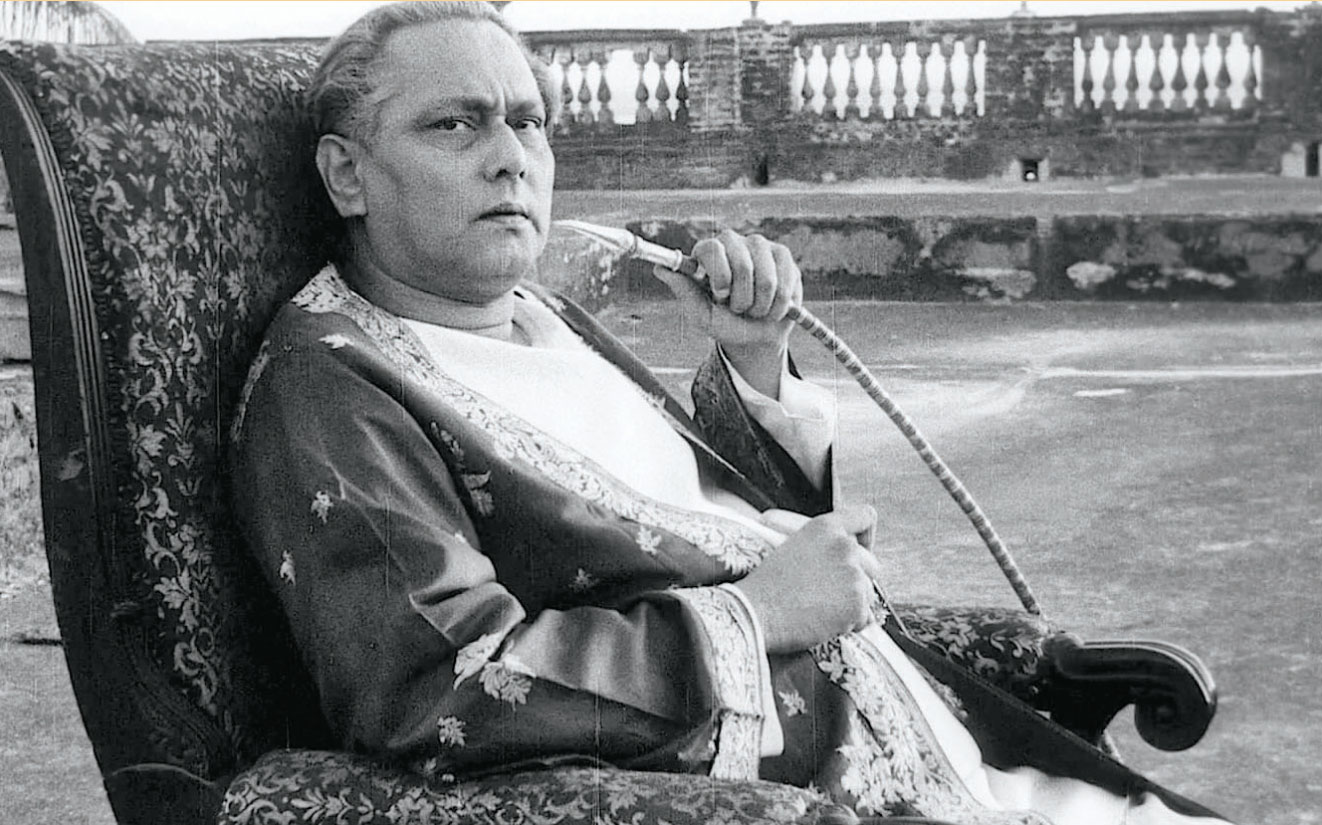
- Innovative Camera Work: Ray’s films are marked by creative camera movements and angles, which create a dynamic visual language. In Jalsaghar, the camera work accentuates the protagonist’s emotional journey and the grandeur of the setting.
- Symbolism: He often used symbolism to deepen his stories. In Pratidwandi, the X-ray of a lung becomes a symbol of the protagonist’s suffocation and societal constraints.
Directorial Signature:
- Close-ups and Facial Expressions: Ray frequently used close-ups to capture the subtlest of facial expressions, thereby conveying complex emotions without dialogue, a technique poignantly evident in Apur Sansar.
- Casting Non-professional Actors: His signature also includes casting non-professional actors, like the children in Pather Panchali, to bring a raw authenticity to his characters.
- Collaborative Approach: Ray was known for his collaborative approach, often working closely with the same team of collaborators, including cinematographer Subrata Mitra and art director Bansi Chandragupta, to maintain a consistent aesthetic in films like The World of Apu.
- Poetic Montages: He had a knack for creating poetic montages that are reflective and evocative, as exemplified in Kanchenjungha, where the montage sequences reflect the inner turmoil of the characters against the backdrop of the majestic Himalayas.
- Socio-political Commentary: A Ray film often subtly critiques society and politics with a distinctive understated style rather than overt messaging. In Hirak Rajar Deshe, for example, he critiques authoritarianism through a seemingly simple children’s story.
Satyajit Ray: The 30th Greatest Director

 Bronze Screen Dream