

Sam Peckinpah, an influential American film director, is best known for his visceral, innovatively crafted films that skillfully subverted traditional Hollywood conventions. Famed for his work within the Western genre, including classics such as The Wild Bunch and Pat Garrett and Billy the Kid, Peckinpah breathed new life into these narratives, redefining their tropes with his distinctive style and profound thematic depth. His unique cinematic language, characterised by his intense depiction of violence and exploration of complex themes, has left a significant mark on the landscape of film history.
Growing up in a rural environment in California and initially studying drama, Peckinpah found his way into filmmaking, carving out a niche for himself with his distinctive cinematic style. His films typically feature outsider characters at odds with the changing world, reflecting an ongoing dialogue with societal evolution and personal identity. Themes of masculinity, honour, and moral ambiguity permeate his narratives, presenting complex, flawed characters that defy conventional hero-villain dichotomies. This profound exploration of character and societal pressures is best embodied in films like Straw Dogs, where the protagonist’s transition from pacifism to violence is deeply intertwined with his struggle for masculine identity.
“I made a film where nobody got shot and nobody went to see it.”
Peckinpah’s films are visually distinguished by his innovative editing and balletic portrayal of violence. He frequently used slow-motion in his action sequences, a technique that has since become a staple of the action genre. He employed quick cuts and montages to contribute to his action scenes’ intense, chaotic feel, as exemplified in The Wild Bunch. This stylistic approach not only heightened the visceral impact of his films but also challenged conventional Hollywood portrayals of action and violence, pushing the boundaries of on-screen representation.
Despite his brilliance as a filmmaker, Peckinpah’s career was not without controversy and professional challenges. His explicit, often brutal depiction of violence sparked numerous debates, and his confrontational on-set behaviour was frequently at odds with Hollywood norms. Additionally, his battles with studios and personal issues affected his output, underlining the complexity of his professional life.
Peckinpah’s influence on cinema, however, extends far beyond his controversies. His groundbreaking approach to the Western genre, his intense portrayal of violence, and his exploration of complex characters have inspired a plethora of filmmakers globally, such as Quentin Tarantino and Michael Haneke. His exploration of moral ambiguity, his innovative use of slow-motion and montage, and his challenging of Hollywood norms have all impacted filmmaking. Despite the challenges he faced, Peckinpah’s legacy as a transformative director endures, with his unique cinematic language continuing to influence the trajectory of film history.

Sam Peckinpah (1925 – 1984)
Calculated Films:
- The Wild Bunch (1969)
- Straw Dogs (1971)
- The Getaway (1972)
- Pat Garrett & Billy the Kid (1973)
- Bring Me The Head of Alfredo Garcia (1974)
- Cross of Iron (1977)
Similar Filmmakers


Sam Peckinpah’s Top 10 Films Ranked
1. The Wild Bunch (1969)
Genre: Revisionist Western

2. Cross of Iron (1977)
Genre: War, Period Drama, Action
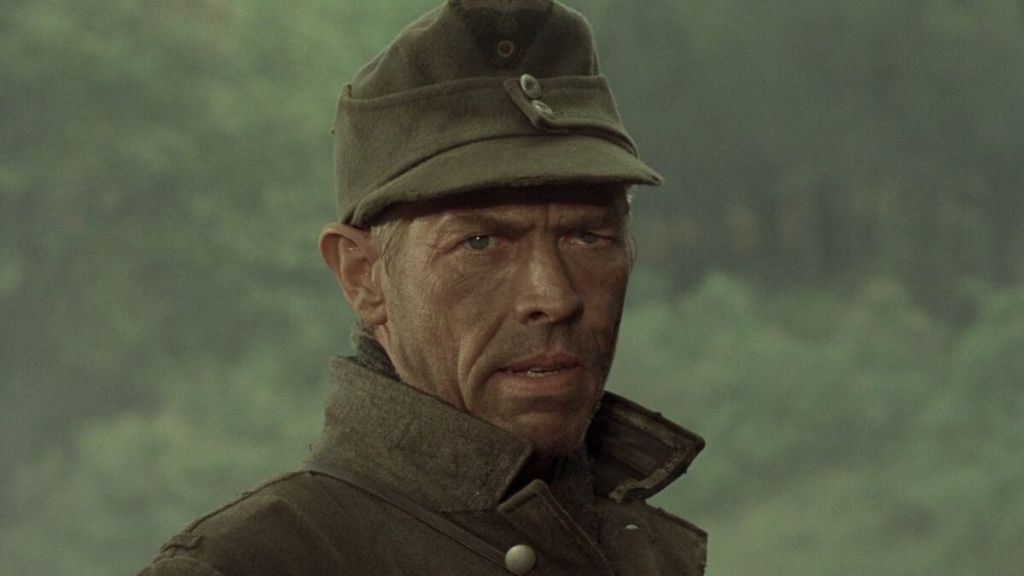
3. Bring Me The Head of Alfredo Garcia (1974)
Genre: Crime, Neo-Western, Road Movie

4. Straw Dogs (1971)
Genre: Psychological Thriller, Home Invasion, Drama

5. Pat Garrett & Billy the Kid (1973)
Genre: Revisionist Western
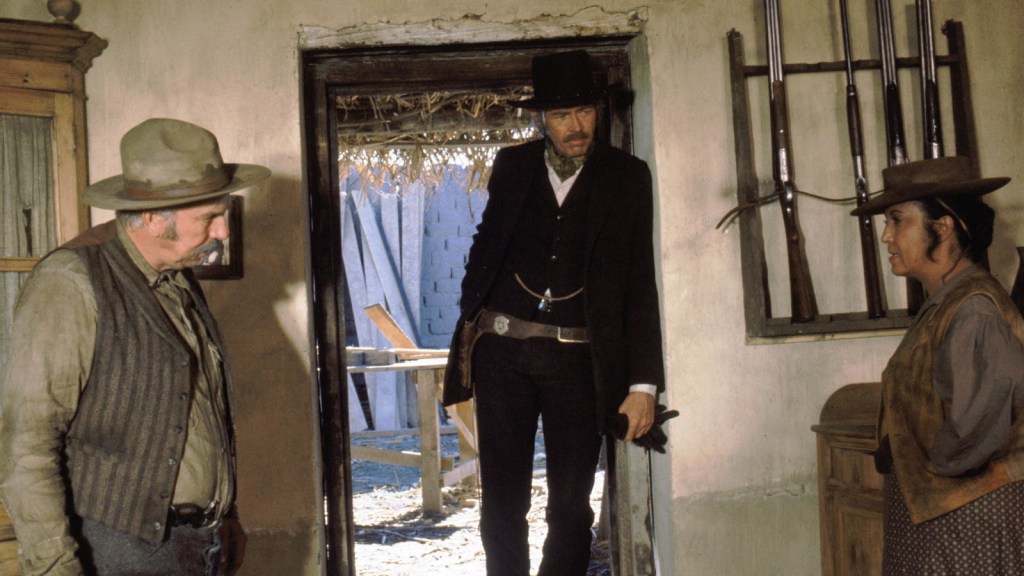
6. Ride The High Country (1962)
Genre: Revisionist Western

7. The Ballad of Cable Hogue (1970)
Genre: Revisionist Western, Comedy

8. The Getaway (1972)
Genre: Thriller, Action, Road Movie, Heist Film, Crime

9. Junior Bonner (1972)
Genre: Neo-Western, Drama
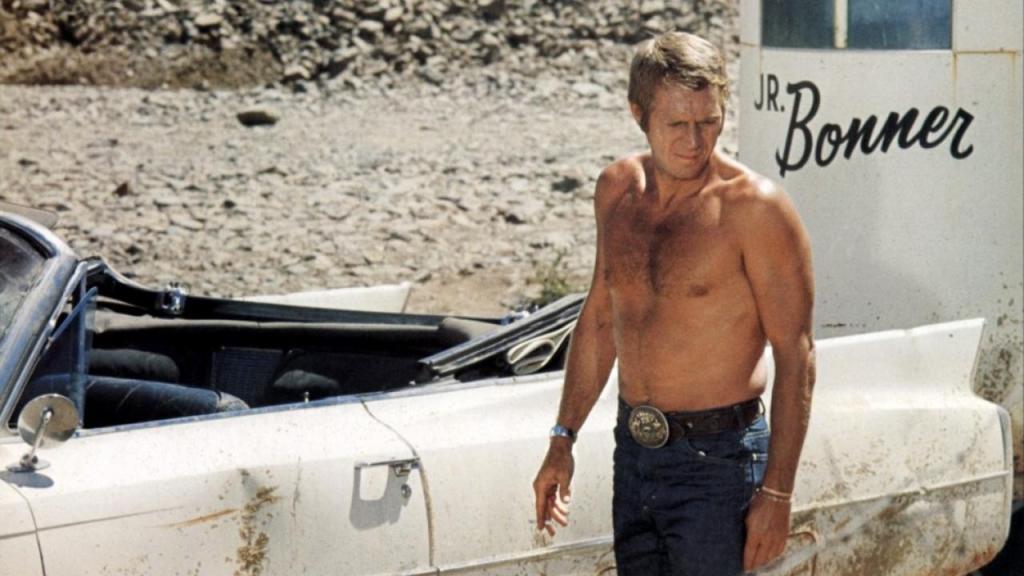
10. Major Dundee (1965)
Genre: Western, War

Sam Peckinpah: Themes and Style
Themes:
- Violence and Redemption: Peckinpah often explored the concept of violence, not just as an act of brutality but as a path to redemption. In The Wild Bunch, the characters use violence in a quest for honour, navigating their moral compass through chaotic circumstances.
- Masculinity in Crisis: His work frequently delved into the psyche of men struggling with their identities. Films like Pat Garrett and Billy the Kid showcase characters caught between changing times and their own outlaw identities.
- Mortality and Legacy: Peckinpah was preoccupied with the notion of mortality and the legacy one leaves behind. In Straw Dogs, the protagonist confronts both his immediate survival and the consequences of his violent actions on his own sense of humanity.
- Loss of Innocence: Many of Peckinpah’s films, including Ride the High Country, portray the loss of innocence through the corruption of ideals and the disillusionment with the American Dream.
- Anti-Establishment Sentiments: He often injected a strong distrust of authority and establishment, positioning his characters as anti-heroes or outcasts in films like Bring Me the Head of Alfredo Garcia.
Styles:
- Innovative Editing Techniques: Peckinpah was known for his pioneering use of rapid editing and slow-motion action sequences to intensify the impact of violence, as seen vividly in The Wild Bunch.
- Complex Narratives: He frequently employed non-linear storytelling and complex narrative structures, challenging audiences to engage deeply with the plot and characters.
- Realistic Dialogue: Dialogue in Peckinpah’s films often feels improvised, contributing to the authenticity of the characters and the situations they find themselves in, as exemplified in Junior Bonner.
- Lyrical Cinematography: His films are marked by a lyrical quality in the cinematography, juxtaposing harsh narratives with beautiful landscapes. This technique can be observed in the scenic backdrops of The Ballad of Cable Hogue.
- Use of Music: Peckinpah often used music to counterpoint the onscreen violence or to deepen the emotional resonance, as in the use of Bob Dylan’s songs in Pat Garrett and Billy the Kid.
Directorial Signature:
- Extended Action Sequences: Peckinpah’s signature includes meticulously crafted action sequences that are both balletic and brutal, drawing the viewer into the visceral experience of the characters.
- Anti-Hero Protagonists: His films are known for their complex, flawed protagonists who often reflect Peckinpah’s anti-establishment views and personal demons.
- Thematic Ambiguity: Rather than providing clear moral judgments, Peckinpah’s storytelling invites viewers to interpret the characters’ actions and motivations, leaving them morally ambiguous.
- Combination of Pessimism and Poetry: Peckinpah’s work combines a pessimistic worldview with poetic moments, capturing the beauty and tragedy of the human condition.
- Authenticity in Portrayal: A Peckinpah film is often gritty and unpolished, striving for an authenticity that eschews Hollywood glamour for raw and unvarnished depictions of life and death.
Sam Peckinpah: The 116th Greatest Director



 Bronze Screen Dream