

René Clément was a renowned French film director and screenwriter. He is best known for his meticulous and profound narratives, often set against the backdrop of war or its aftermath, with films such as Forbidden Games (Jeux interdits) and The Battle of the Rails (La Bataille du rail) among his acclaimed works. His movies not only address the human condition but also unravel the intricacies of relationships, trauma, and resilience.
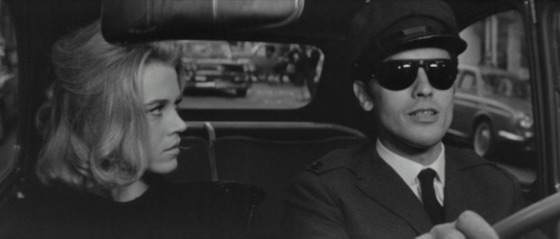
Clément’s career began in documentary filmmaking during the 1930s, which laid the groundwork for his narrative style, characterised by a strong sense of realism and a profound humanistic touch. His early work was significantly influenced by the turmoil of World War II, leading to his first major success with The Battle of the Rails, a realistic portrayal of the French Resistance. This film established Clément as a significant voice in French cinema, adept at capturing the human spirit amidst the backdrop of war. The pinnacle of his career came with Forbidden Games in 1952, which won the Academy Award for Best Foreign Language Film, earning Clément international acclaim. However, his journey was not without its challenges; the changing tastes of the 1960s audience and the rise of the French New Wave led to a decline in his popularity. Despite this, Clément continued to adapt and produce noteworthy films like Is Paris Burning? and The Day and the Hour, showcasing his resilience and adaptability as a filmmaker.
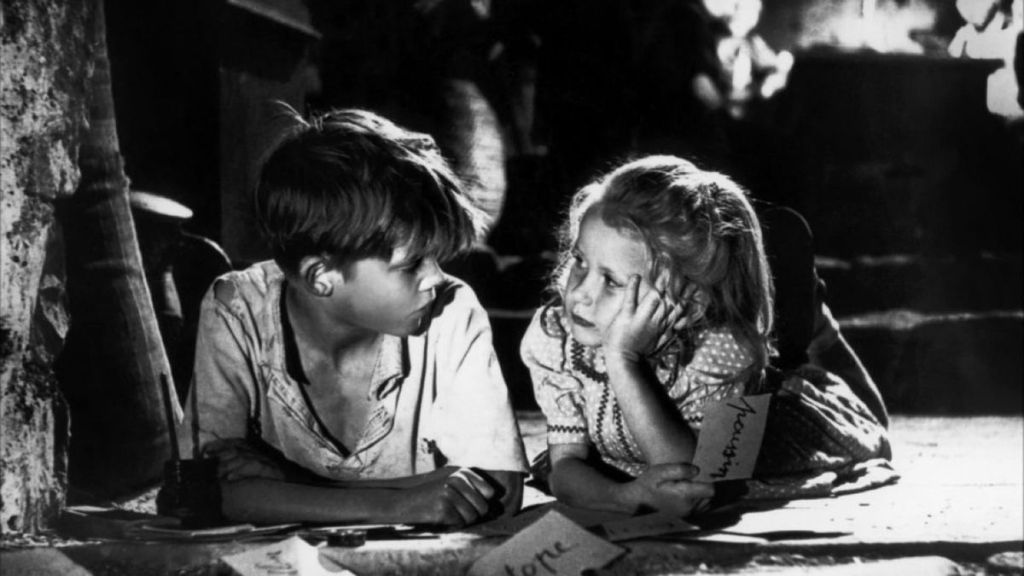
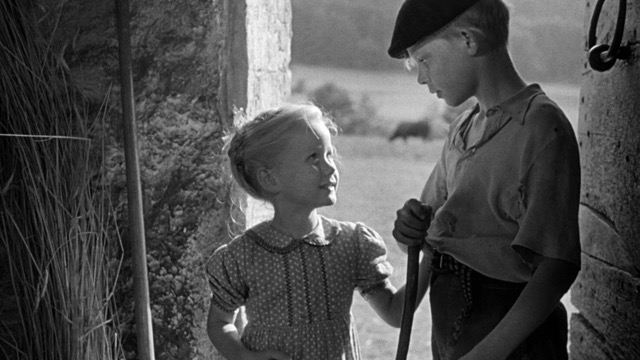
Clément’s films often explore the effects of war on individuals, particularly children. In Forbidden Games, he poignantly portrays the trauma and innocence of two children during World War II, illustrating their way of coping amidst the chaos. Clément was masterful at capturing raw human emotions in extraordinary circumstances, providing audiences with an intimate glimpse into personal tragedies within larger historical contexts.
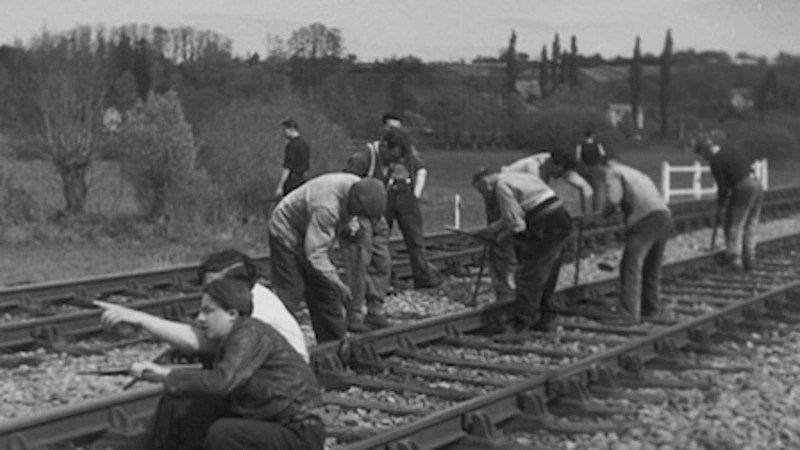
His approach to filmmaking often encompassed a realistic and almost documentary-like style. In The Battle of the Rails, for example, he employed non-professional actors to lend authenticity to his depiction of the French resistance against the Nazis, focusing on the sabotage efforts of railway workers. This use of realism, combined with his ability to craft deeply emotional narratives, made Clément’s work resonate with audiences and critics alike. His films, while rooted in specific historical moments, contain universal themes that remain relevant, testifying to the timeless nature of his storytelling.
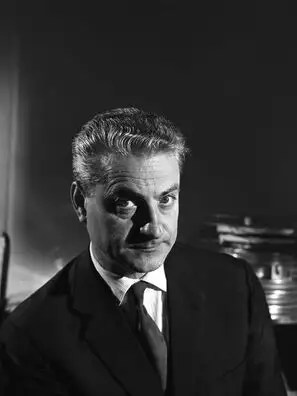
René Clément (1913 – 1996)
Calculated Films:
- The Battle of the Rails (1946)
- Forbidden Games (1952)
- Purple Noon (1960)
Similar Filmmakers
- Andre Techine
- Claude Chabrol
- Francois Truffaut
- Gilles Grangier
- Henri Decoin
- Henri Diamant-Berger
- Henri-Georges Clouzot
- Henri Verneuil
- Jacques Becker
- Jacques Deray
- Jean-Pierre Melville
- Jean Renoir
- Julien Duvivier
- Louis Malle
- Marcel Carne
- Patrice Leconte
- Pierre Granier-Deferre
- Robert Enrico
René Clément’s Top 5 Films Ranked
1. Forbidden Games (1952)
Genre: Drama, Coming-of-Age
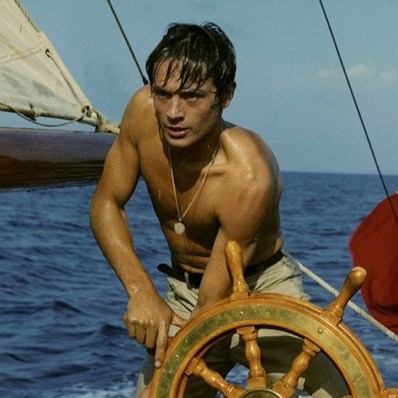
2. Purple Noon (1960)
Genre: Crime, Psychological Thriller

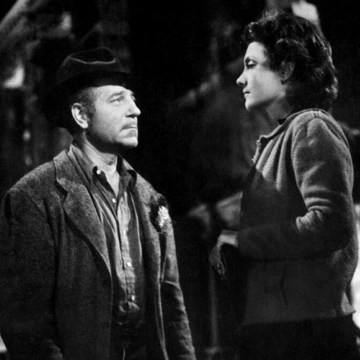
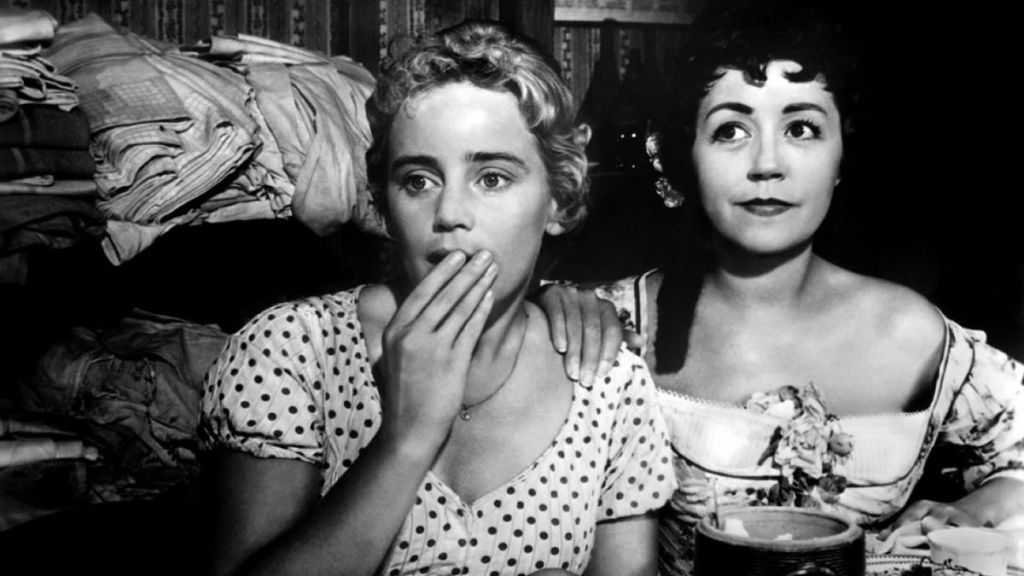
3. Gervaise (1956)
Genre: Drama, Period Drama
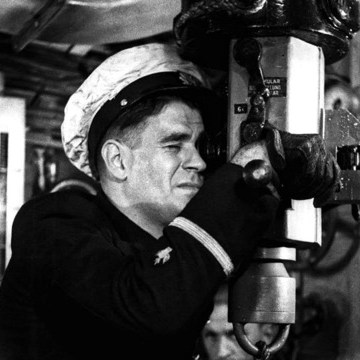
4. The Battle of the Rails (1946)
Genre: War, Drama, Docudrama
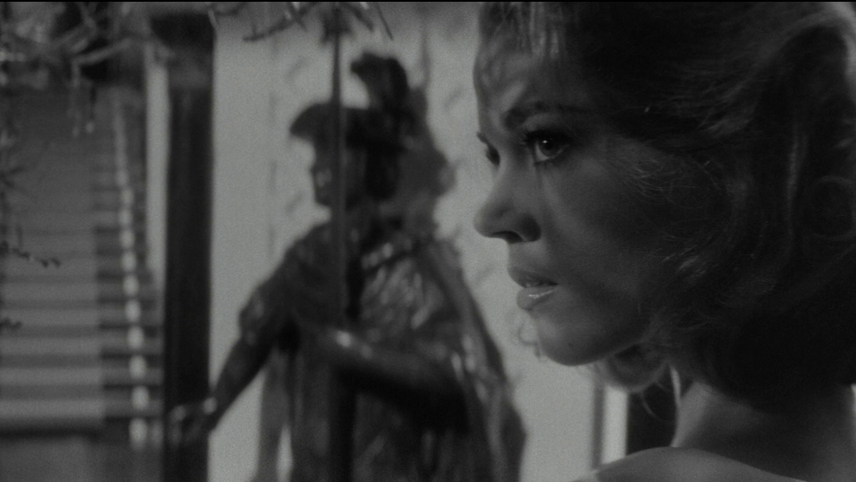
5. Joy House (1964)
Genre: Psychological Thriller, Neo-Noir, Crime
René Clément: Themes and Style
Themes:
- War and its Aftermath: Many of Clément’s films, such as Forbidden Games and The Battle of the Rails, portray the realities of war and the lingering effects on individuals and societies. His focus wasn’t just on the spectacle of war but on the psychological impact on its survivors.
- Childhood Innocence: Clément had a knack for showcasing the world from a child’s perspective, often juxtaposing it against the grim realities of the adult world, as evident in Forbidden Games.
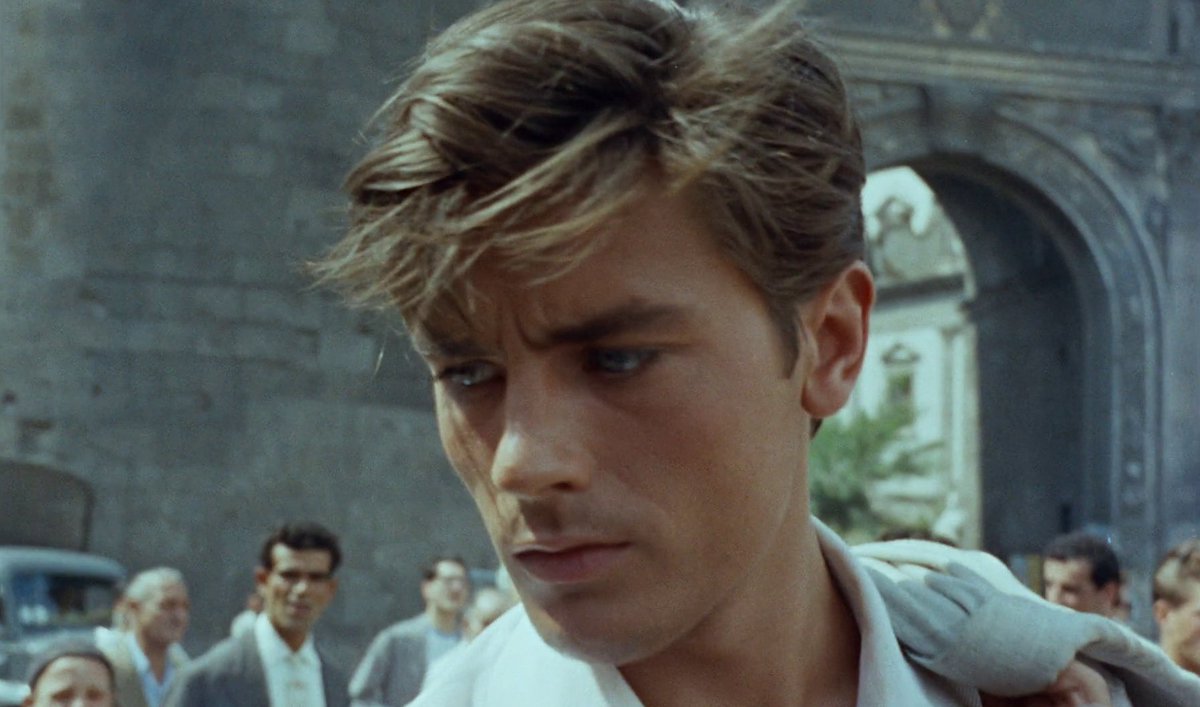
- Human Nature: He explored the duality of human nature, depicting characters capable of acts of immense kindness and harrowing cruelty, as seen in Purple Noon.
Styles:
- Realism: Clément’s filmmaking often leaned towards a realistic portrayal of events, drawing from his background in documentary filmmaking. He used authentic locations and non-professional actors, especially in his post-war films, to capture the genuine essence of the narrative.
- Atmospheric Cinematography: Clément was known for his striking style. His films often contained lush and picturesque cinematography, as seen in Purple Noon, creating a rich, atmospheric backdrop for the narrative.
- Narrative Tension: Regardless of the genre, Clément excelled in building tension in his storylines. Whether it was the psychological tension in Purple Noon or the wartime suspense in The Battle of the Rails, his movies maintained a gripping narrative pace.
- Character Depth: Characters in Clément’s films are multifaceted. They’re not simply good or evil; they navigate the grey areas of morality, making them more relatable and human.
Directorial Signature:
- Emphasis on Children: Clément’s affinity for capturing childhood perspectives was a distinct signature. He portrayed children as resilient, observant, and often more understanding than the adults around them.
- Adaptation Mastery: Many of Clément’s most renowned films, like Purple Noon, were adaptations. He had a talent for translating literature to the screen while preserving the essence of the original work.
René Clément – Great Director

 Bronze Screen Dream