

Raúl Ruiz, a prolific filmmaker from Chile, established a reputation for his often enigmatic and surrealistic style. Known for his eclectic filmography spanning over a hundred films, his best-known piece internationally might be Mysteries of Lisbon, a sprawling narrative lauded for its innovative storytelling techniques.
Ruiz, who began his career in theatre before turning to cinema in the late 1960s, is well-known for his eclectic storytelling approach, often blurring the boundaries between genres and narrative structures. His films often dabble in the metaphysical, exploring complex themes such as memory, dreams, and identity, as exemplified in Three Crowns of the Sailor. Ruiz’s cinema is marked by narrative freedom and a profound interest in reimagining the possibilities of cinematic storytelling.
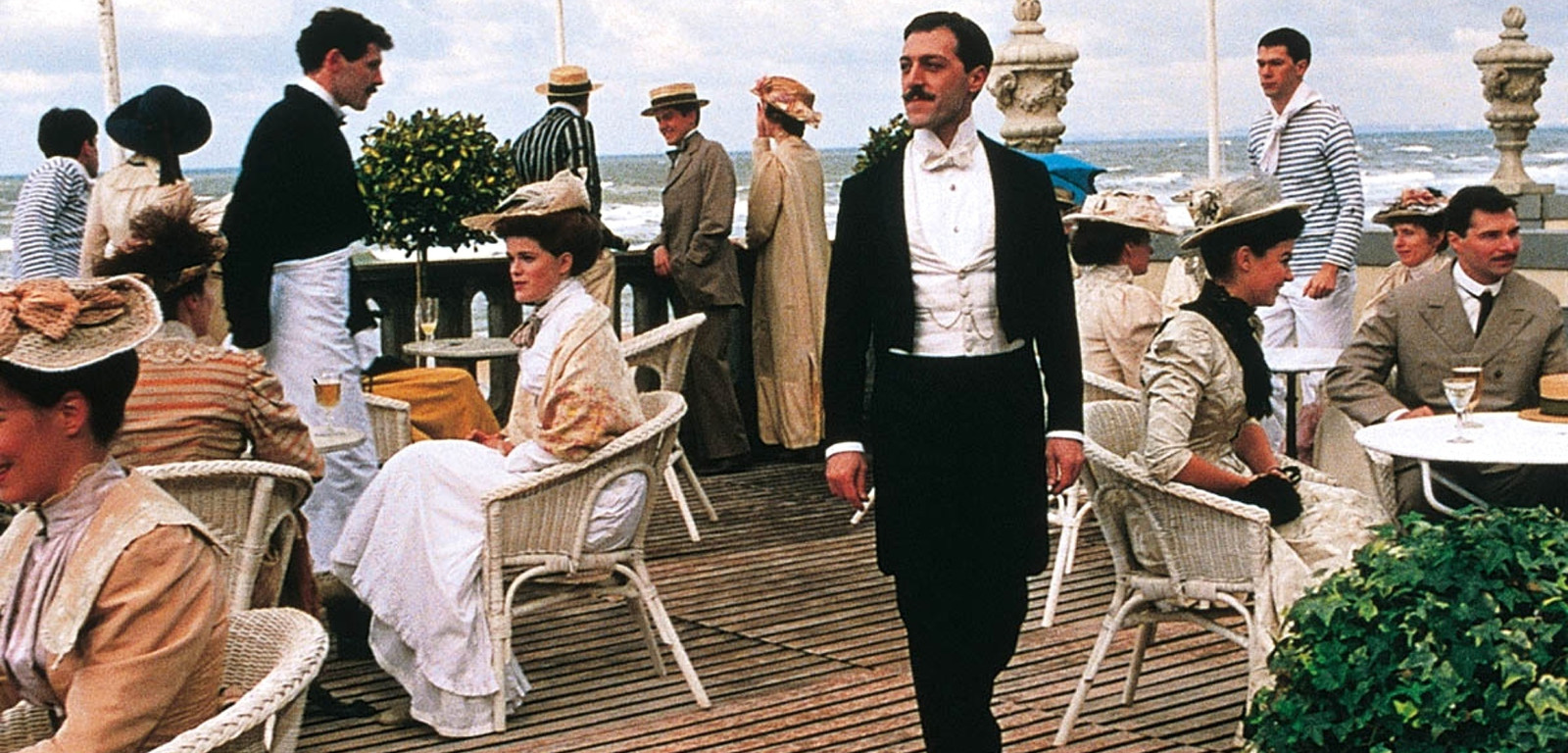
His approach to filmmaking is characterised by a disregard for conventional cinematic norms. Ruiz often embraced narrative complexity and ambiguity, with plots that could be non-linear or labyrinthine, sometimes even ignoring causal logic. His films often have a dreamlike quality, such as Time Regained, which floats between past and present, reality and dream, and subjectivity and objectivity, blurring the line between these different states.
Surreal & Eclectic
Regarding visual style, Ruiz is known for his inventive use of cinematography and mise-en-scene. From unusual camera angles to intricate tracking shots, his visual sensibility often creates a sense of disorientation, reflecting the narrative complexity of his films. Films like City of Pirates use symbolic visual motifs and surreal imagery, contributing to their hypnotic allure.
Ruiz’s influence can be felt in the works of many contemporary filmmakers worldwide, especially those interested in experimenting with narrative form and cinematic conventions. His unique approach to storytelling, which often challenged the viewer’s perception of reality, has left a lasting impact on the landscape of experimental and art-house cinema. Although Ruiz’s work may not be mainstream, his films’ sheer volume and variety, combined with their artistic audacity, have ensured his place as one of the most distinctive and innovative voices in cinematic history.
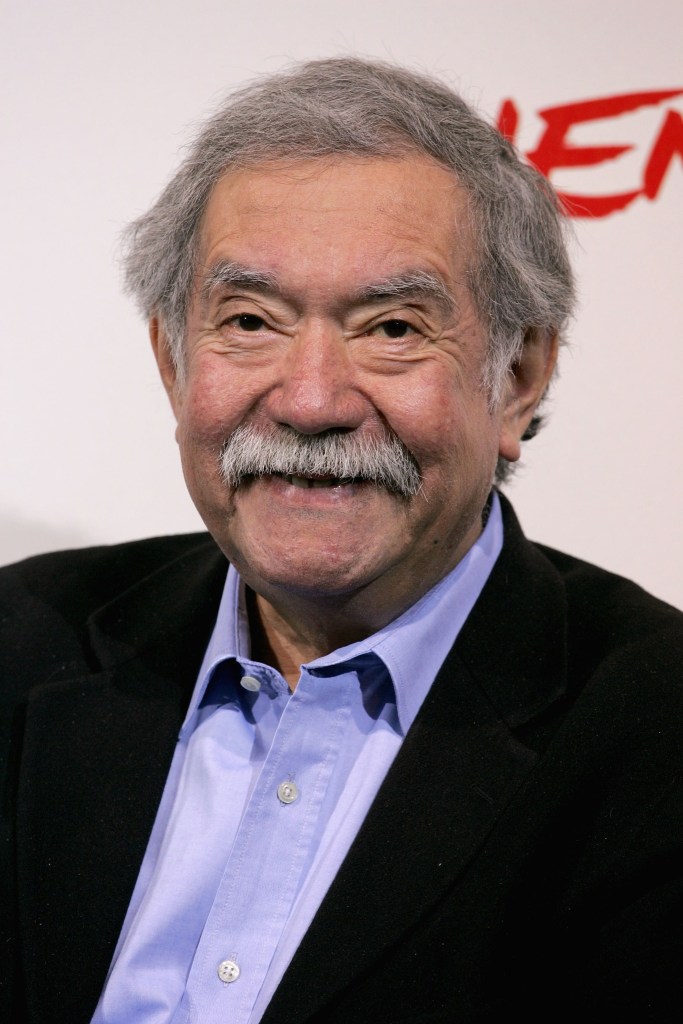
Raul Ruiz (1941 – 2011)
Calculated Films:
- The Hypothesis of the Stolen Painting (1978)
- City of Pirates (1983)
- Three Crowns of the Sailor (1983)
- Manoel’s Destinies (1984)
- The Golden Boat (1990)
- Love Torn in Dreams (2000)
- Mysteries of Lisbon (2010)
Similar Filmmakers

Raul Ruiz’s Top 10 Films Ranked
1. Manoel’s Destinies (1984)
Genre: Coming-of-Age, Surrealism

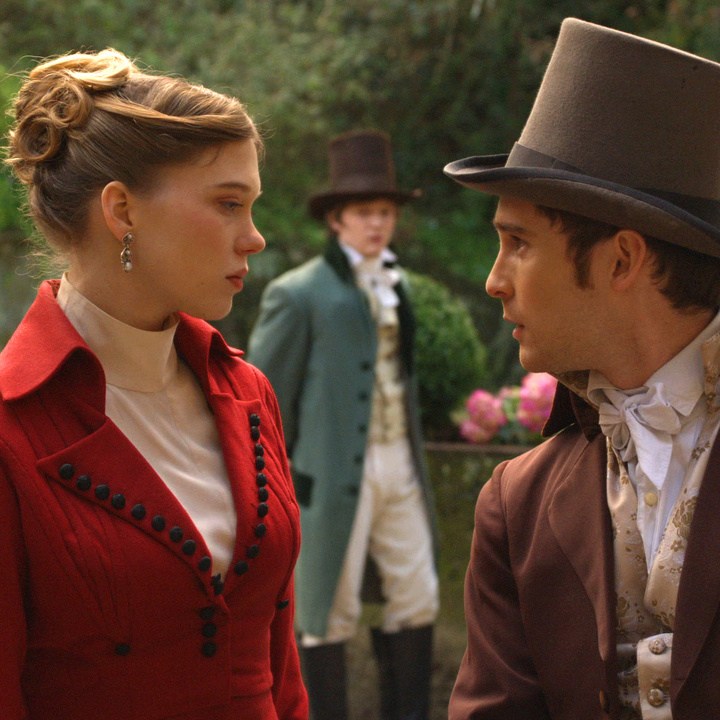
2. Mysteries of Lisbon (2010)
Genre: Mystery, Drama, Romance, Period Drama

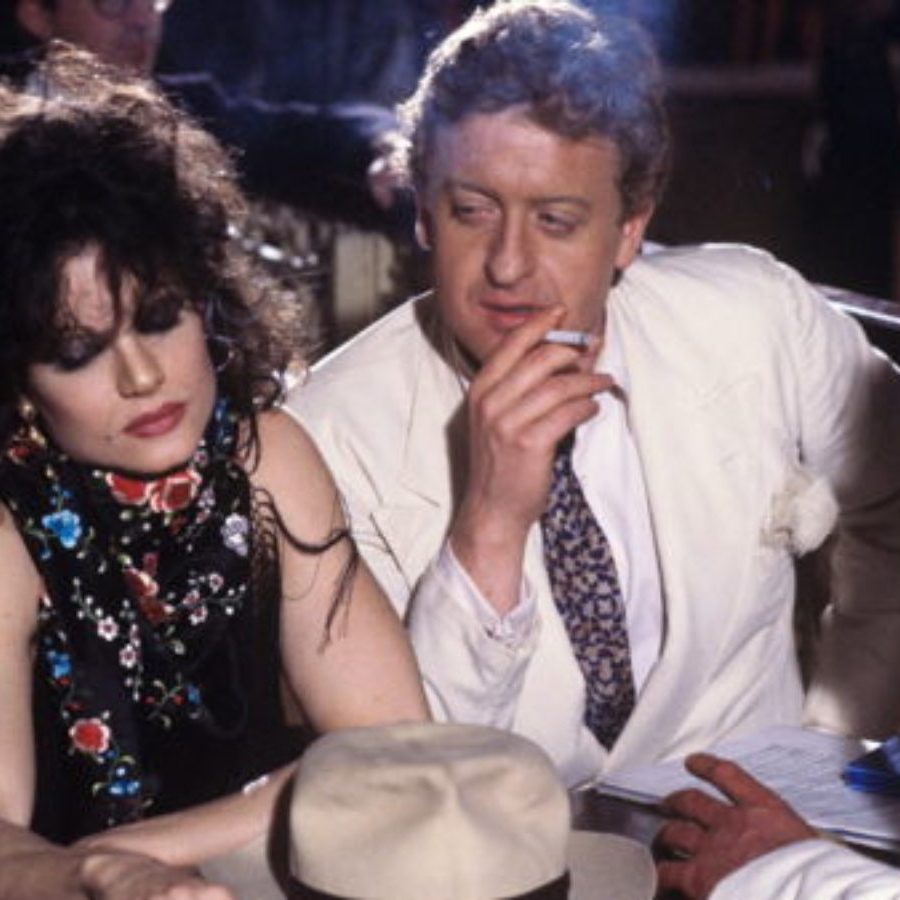
3. City of Pirates (1983)
Genre: Surrealism
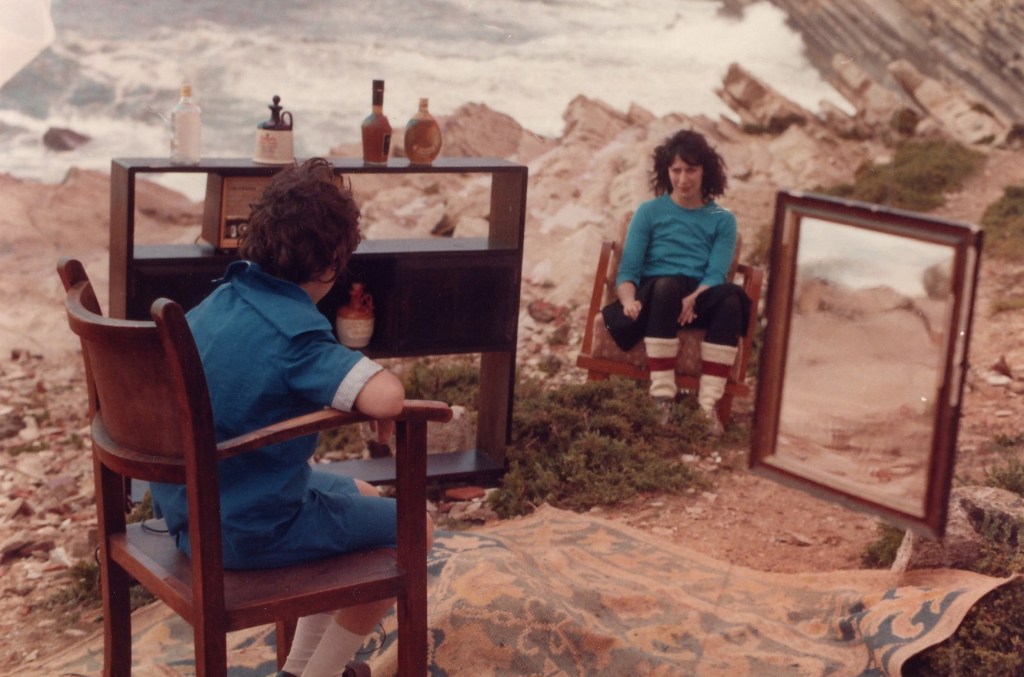
4. The Hypothesis of the Stolen Painting (1978)
Genre: Mystery, Mockumentary, Magical Realism
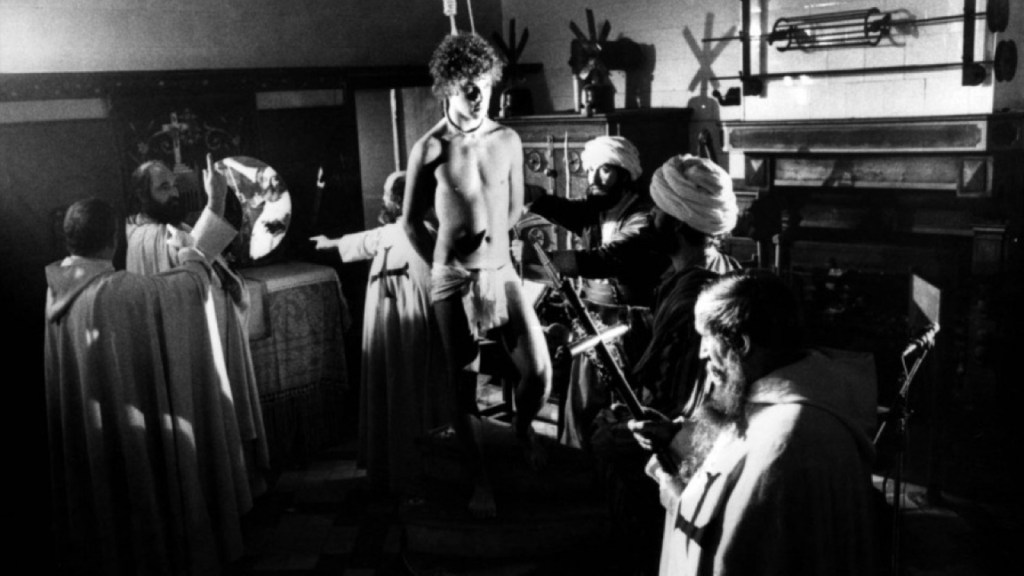
5. Three Crowns of the Sailor (1983)
Genre: Surrealism, Adventure, Fantasy, Mystery

6. Love Torn in Dreams (2000)
Genre: Surrealism, Drama, Magical Realism

7. Dog’s Dialogue (1979)
Genre: Essay Film, Political Documentary
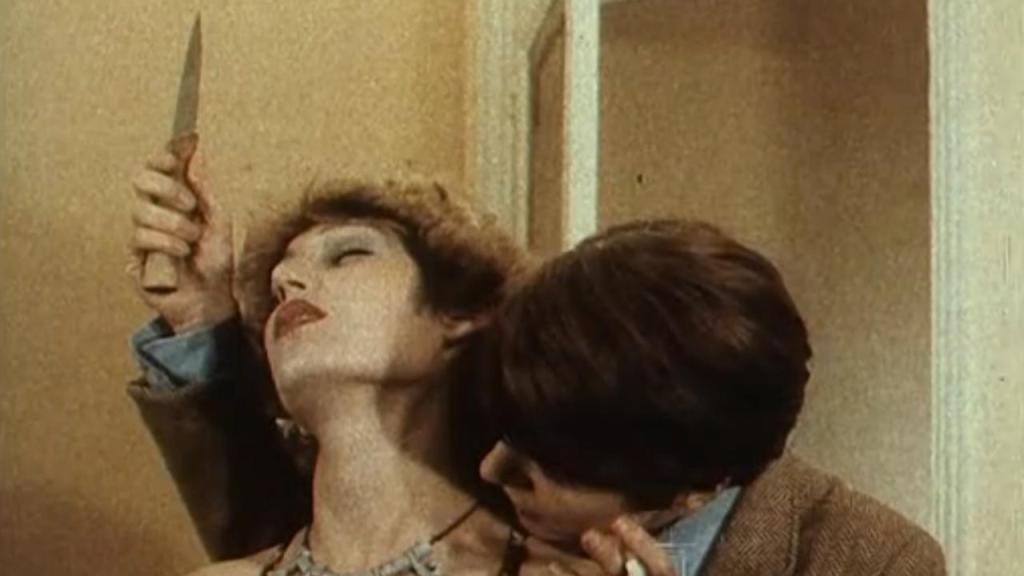
8. On Top of the Whale (1982)
Genre: Surrealism, Satire, Magical Realism
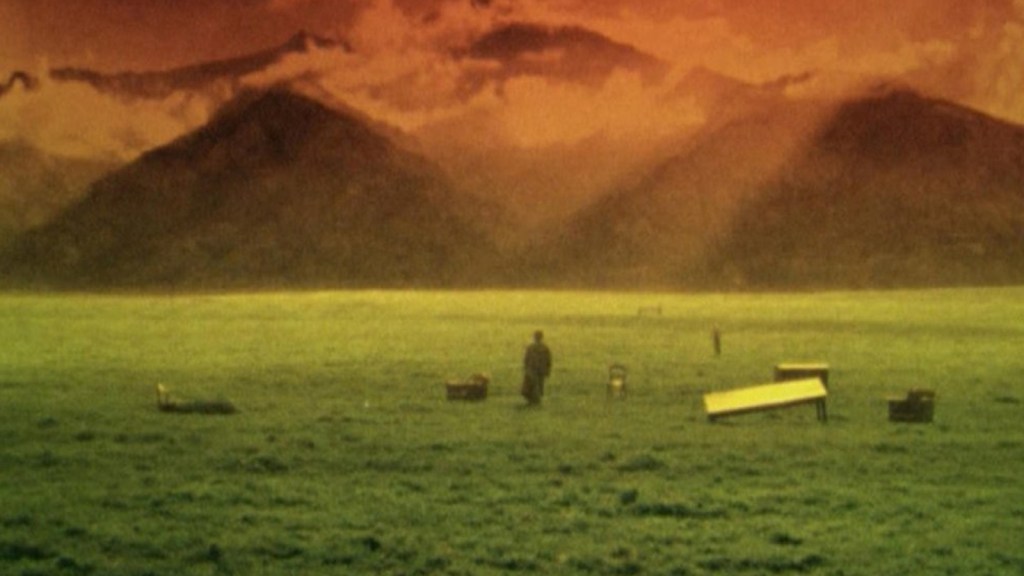
9. Mammame (1986)
Genre: Dance Film

10. Life is a Dream (1986)
Genre: Drama, Surrealism
Raul Ruiz: Themes and Style
Themes:
- Narrative Complexity and Multiplicity: Ruiz often played with narrative form, creating plots within plots and stories within stories. His films often defy linear storytelling, embracing a labyrinthine structure instead.
- Colonialism and Exile: Being an exile from Chile after the military coup in 1973, themes of displacement, identity, and the effects of colonialism frequently surface in Ruiz’s films.
- Literary Adaptations: Many of his films, like Time Regained and Mysteries of Lisbon, are adaptations of literary works. Ruiz was drawn to the intricate layers and complexities of literary narratives.
- Dreams and the Unconscious: Ruiz’s films often blur the line between fantasy and reality. He was deeply influenced by psychoanalytic theory and surrealism, which manifests in his exploration of the unconscious mind.
- Memory and Perception: His films delve into the unreliability of memory and the subjectivity of perception, questioning the nature of reality and truth.
Styles:
- Visual Experimentation: Ruiz’s mise-en-scène is often dense and layered, using mirrors, shadows, and unconventional angles to create a visually rich tapestry.
- Long Takes: He frequently employed lengthy, unbroken takes, allowing scenes to unfold in real-time and adding a hypnotic rhythm to his films.
- Playful Use of Genre: While he operated mainly in the realm of art cinema, Ruiz enjoyed toying with various genres, from noir to historical drama, often subverting their conventions.
- Interplay of Sound and Image: Ruiz was known for his innovative use of sound, often employing voiceovers, asynchronous sound, and layered audio tracks to create a disorienting effect.
- Fragmented Editing: Contrasting his use of long takes, Ruiz also employed a fragmented editing style, often juxtaposing unrelated scenes or images to create a sense of dislocation or to challenge narrative coherence.
Directorial Signature:
- Meta-cinematic Reflection: Ruiz was deeply interested in the nature of cinema itself. His films often contain reflections on the act of filmmaking, storytelling, or the illusory nature of cinema.
- Economic Filmmaking: Despite the complexity of his films, Ruiz often worked with modest budgets, showcasing his ability to create compelling cinema without the trappings of big productions.
- Multilingualism: Given his transnational career, spanning from Chile to France and beyond, Ruiz’s films often incorporate multiple languages, reflecting the diverse cultures he engaged with.
- Influence of Theater: Before venturing into cinema, Ruiz was involved in theatre, and this influence is evident in his directorial approach, especially in his staging of scenes and his work with actors.
- Challenging Viewer Expectations: Ruiz’s films often challenge the viewer to actively engage with the narrative, deciphering its complexities and drawing their interpretations.
Raul Ruiz: The 170th Greatest Director

 Bronze Screen Dream