

Raoul Walsh, an American director and actor, is renowned for his contributions to the classic Hollywood era. Within a five-decade career, he directed over 100 films, including High Sierra and White Heat. He established himself as a master of diverse genres, especially action and adventure, where his instinctive storytelling and dynamic visual style came to the fore.
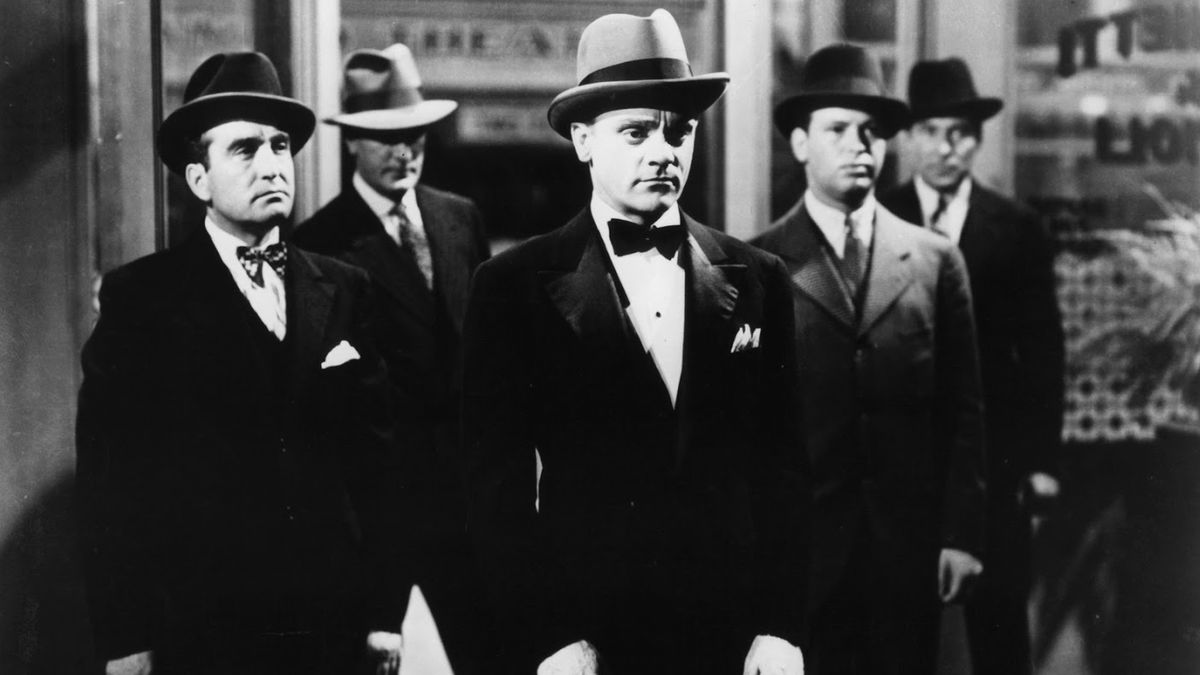
Walsh’s journey in cinema began as an actor for D.W. Griffith before transitioning to directing in the early days of silent film. This background in performance seemed to inform his approach to filmmaking, emphasising character development and exploring the human condition amidst complex plots. His films often centred on strong, flawed characters, evidenced in the nuanced portrayals of outlaws and anti-heroes in films like The Roaring Twenties.
Recurring themes in Walsh’s filmography tend to revolve around destiny, redemption, and the duality of human nature. His characters often grapple with their identities in a hostile world, a struggle particularly poignant in films such as High Sierra, where Humphrey Bogart‘s character yearns for a life beyond crime. Similarly, White Heat presents a tragic figure trapped in a cycle of violence and mental instability.
The visual style of Walsh’s films is characterised by brisk pacing, dynamic camera work, and an emphasis on physical action. His films frequently showcase expansive landscapes and high-energy sequences, leveraging the vastness of the American frontier to emphasise themes of individualism and existential struggle. In They Died with Their Boots On, the epic scale and grandeur of the battle scenes underscore the tragedy of ambition and misguided heroism.
Walsh’s influence on cinema can be seen in the works of many subsequent directors in the U.S. and globally. His vivid characterisation and dynamic storytelling style have inspired filmmakers as diverse as Howard Hawks, Akira Kurosawa, and Sergio Leone. Moreover, his ability to work across a wide array of genres while maintaining a distinctive directorial voice helped define the flexibility and range that became a hallmark of Hollywood’s Golden Age.

Raoul Walsh (1887 – 1980)
Calculated Films:
- The Regeneration (1915)
- The Thief of Bagdad (1924)
- The Big Trail (1930)
- The Roaring Twenties (1939)
- They Drive by Night (1940)
- They Died With Their Boots On (1941)
- The Strawberry Blonde (1941)
- Gentleman Jim (1942)
- Objective, Burma (1945)
- Pursued (1947)
- White Heat (1949)
- Colorado Territory (1949)
Similar Filmmakers


Raoul Walsh’s Top 10 Films Ranked
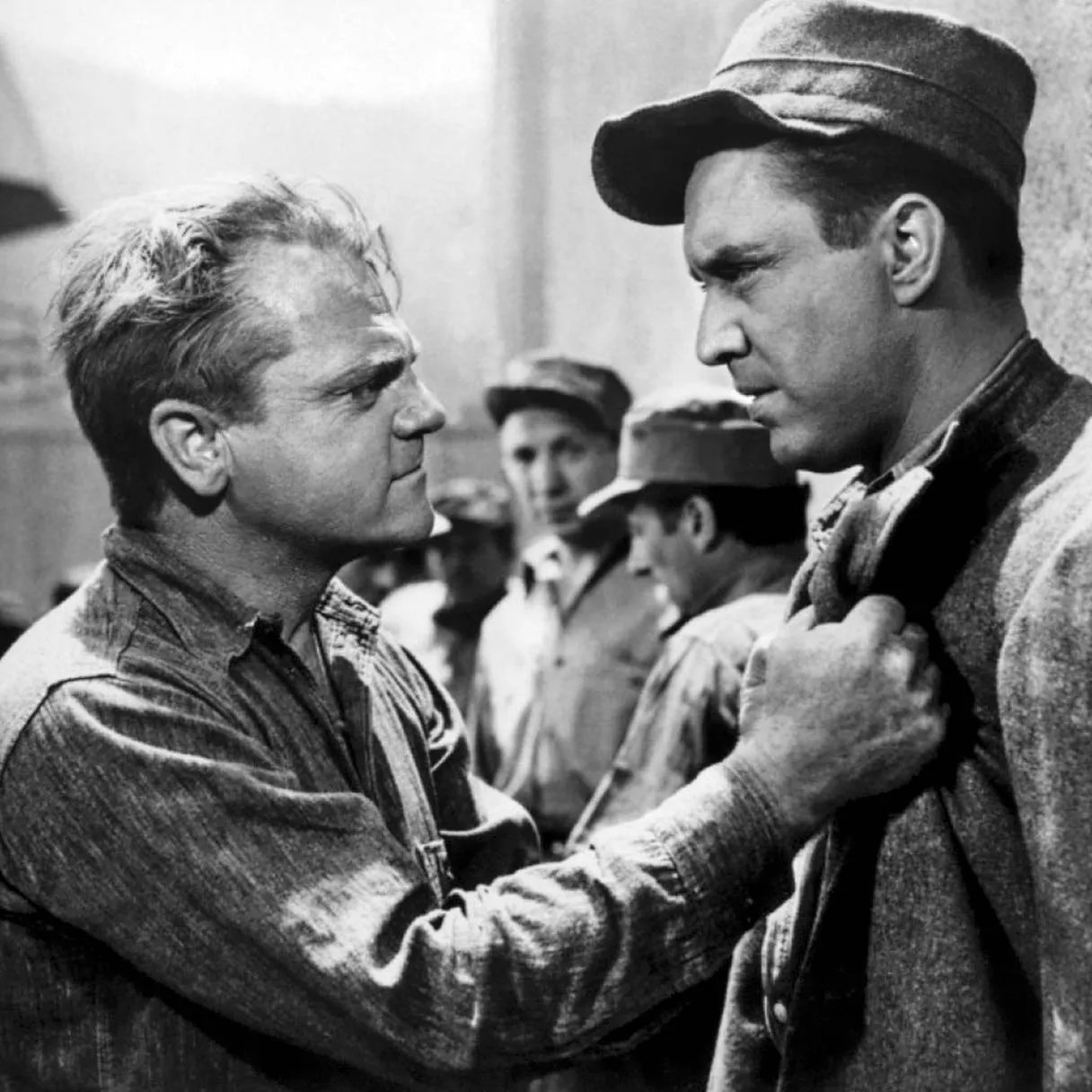
1. White Heat (1949)
Genre: Gangster Film, Film Noir
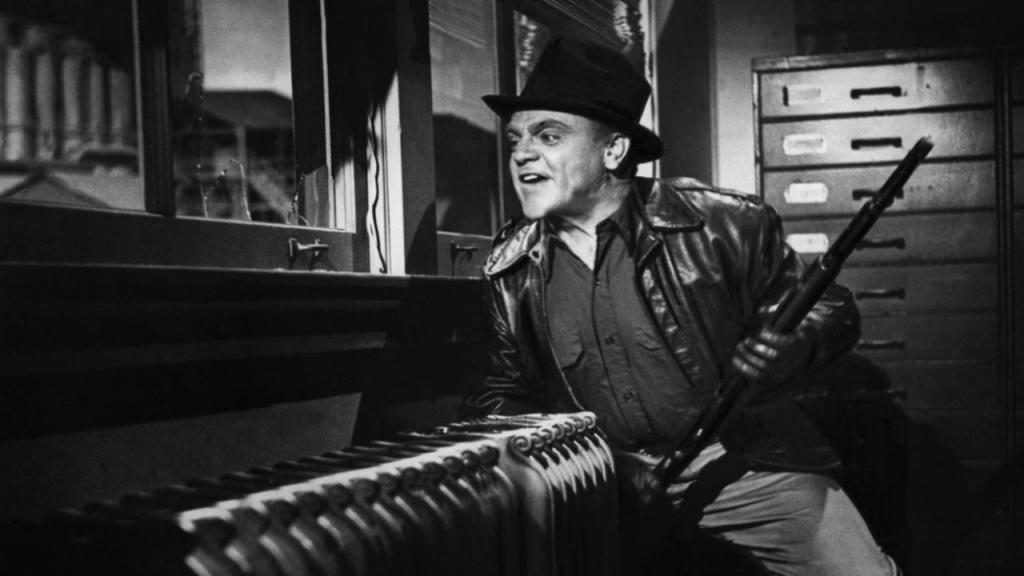
2. The Roaring Twenties (1939)
Genre: Gangster Film, Drama
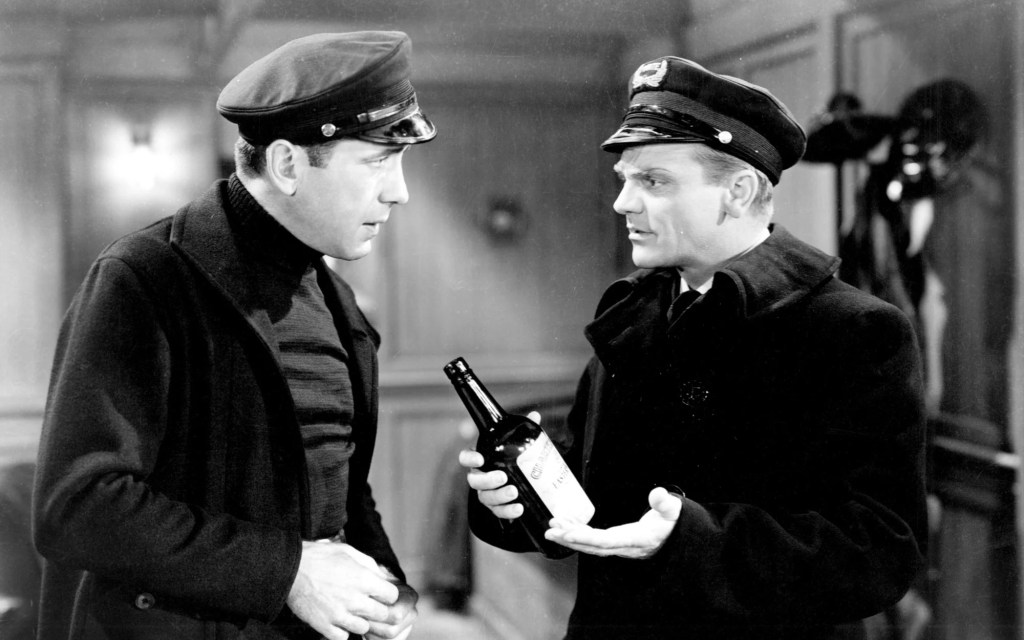
3. Gentleman Jim (1942)
Genre: Biographical, Sports, Comedy
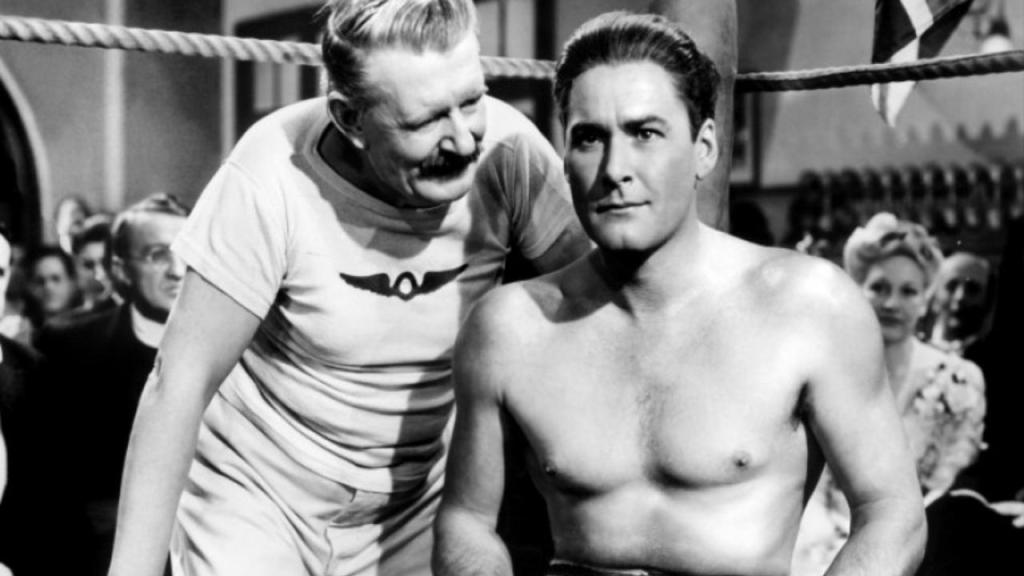
4. Pursued (1947)
Genre: Western, Romance

5. Objective, Burma (1945)
Genre: War, Adventure

6. The Thief of Bagdad (1924)
Genre: Fantasy, Adventure

7. Colorado Territory (1949)
Genre: Western

8. The Strawberry Blonde (1941)
Genre: Comedy, Romance

9. They Died With Their Boots On (1941)
Genre: Biographical, Western, War

10. The Big Trail (1930)
Genre: Western

Raoul Walsh: Themes and Style
Themes:
- Masculinity and Heroism: Many of Walsh’s films centred around a strong, rugged male protagonist facing adversity. These characters often represented the quintessential American hero—brave, solitary, and morally upright, even if occasionally flawed.
- The American Frontier: The vast, unpredictable terrain of the American West was frequently used by Walsh as a backdrop to explore larger themes of destiny, freedom, and the inherent challenges of pioneering spirit.
- Crime and Redemption: Several of Walsh’s movies, particularly his crime dramas, delved into the dual nature of humanity, highlighting characters who grapple with moral ambiguities, often seeking redemption or facing consequences for their actions.
Styles:
- Dynamic Action Sequences: Walsh had a flair for crafting thrilling action sequences. His approach to action was visceral and kinetic, ensuring that audiences felt every punch, gunshot, and chase.
- Location Filming: Unlike many directors of his time, Walsh preferred shooting on location. This gave his films an authentic feel, especially the Westerns, which benefited immensely from the vast landscapes.
- Long Takes: Walsh often employed long takes in his scenes, allowing the actors to embody their characters more fully and the narratives to unfold more organically.
Directorial Signature:
- Character Depth: Despite the action-centric nature of many of his films, Walsh’s characters were rarely one-dimensional. He had the ability to flesh out even the most archetypal roles, infusing them with depth, emotion, and relatability.
- Narrative Pace: Walsh’s films were known for their brisk pacing. Scenes transitioned smoothly, and there was a rhythmic flow to the storytelling, which made even his most epic tales feel tightly knit.
- Strong Female Characters: While much of Walsh’s work centred on male protagonists, his films frequently featured formidable female characters. These women were often more than just love interests; they were independent, strong-willed, and integral to the narrative.
- Collaboration with Stars: Walsh was known for his partnerships with notable actors of his time, such as James Cagney, Errol Flynn, and Humphrey Bogart. His relationships with these actors often resulted in multiple film partnerships, and their combined energies greatly influenced the final product.
Raoul Walsh: The 113th Greatest Director


 Bronze Screen Dream