

Preston Sturges was an American director who became a pioneering figure in Hollywood, acclaimed for his masterful contribution to the screwball comedy genre. As one of the first writer-directors in the industry, he distinguished himself with a highly personalised, hands-on approach to his films, which included both writing the scripts and directing. Renowned for their fast-paced dialogue, clever social and political satire, and innovative plot structures, his films offered a refreshing mix of wit, wisdom, and irreverence. His most successful period was in the 1940s, with notable works including The Lady Eve, Sullivan’s Travels, and The Miracle of Morgan’s Creek.
Born into an affluent family and raised partly in Europe, Sturges’s varied background greatly influenced his work. His distinctive comedic style, which oscillated between the farcical and the insightful, was informed by his diverse experiences, including working in his mother’s cosmetics company. His films, though comedic, subtly dissected class divisions, the nature of success, and the often ludicrous behaviour of society’s elite, reflecting his unique perspective shaped by his varied upbringing.
In a typical Sturges film, one could expect clever, quick, and often overlapping dialogue, where wordplay and verbal humour were as crucial as the physical comedy. He had a flair for crafting rich, intricate conversations that advanced the plot and delved deep into his characters’ psyches. Sturges’ films were also notable for their unique, often unpredictable plot structures that deviated from the conventional linear narrative. He was an innovator who was not afraid to use flashbacks and other narrative devices to keep his audience engaged and guessing.
Sturges Stock Company & Influence
Moreover, Sturges challenged the stereotypes of his era by creating strong, intelligent, and independent female characters. In films such as The Lady Eve, he presented complex women characters that broke away from the damsel-in-distress stereotype prevalent in Hollywood films of the time. These characters added a fresh dimension to his stories, often driving the narrative forward with their wit and charm.
Sturges’ visual style, while straightforward, centred on the performance of his actors and the strength of his scripts. However, he effectively used physical comedy and slapstick to elicit laughs. His frequent collaboration with the same ensemble of character actors, known as the “Sturges Stock Company”, added a layer of familiarity and cohesion to his films. This ‘stock company’ of actors became a defining feature of his work, contributing to Sturges’ distinct style in his films.
Sturges’ influence on cinema extends beyond his time and continues to inspire contemporary filmmakers worldwide. His combination of sharp wit with social commentary can be seen in the works of later directors like Woody Allen and the Coen Brothers. His influence can also be traced to international directors like Pedro Almodóvar, known for their keen social satire wrapped in humour. Despite his relatively short career, Sturges left an indelible mark on film history, particularly on comedic cinema, and his films continue to be cherished for their wit, satire, and unique narrative structures. His legacy as a comedy auteur continues to live on, cementing his place as one of the most influential figures in Hollywood’s Golden Age.

Preston Sturges (1898 – 1959)
Calculated Films:
- Christmas in July (1940)
- Sullivan’s Travels (1941)
- The Lady Eve (1941)
- The Palm Beach Story (1942)
- The Miracle of Morgan’s Creek (1944)
- Hail The Conquering Hero (1944)
- Unfaithfully Yours (1948)
Similar Filmmakers

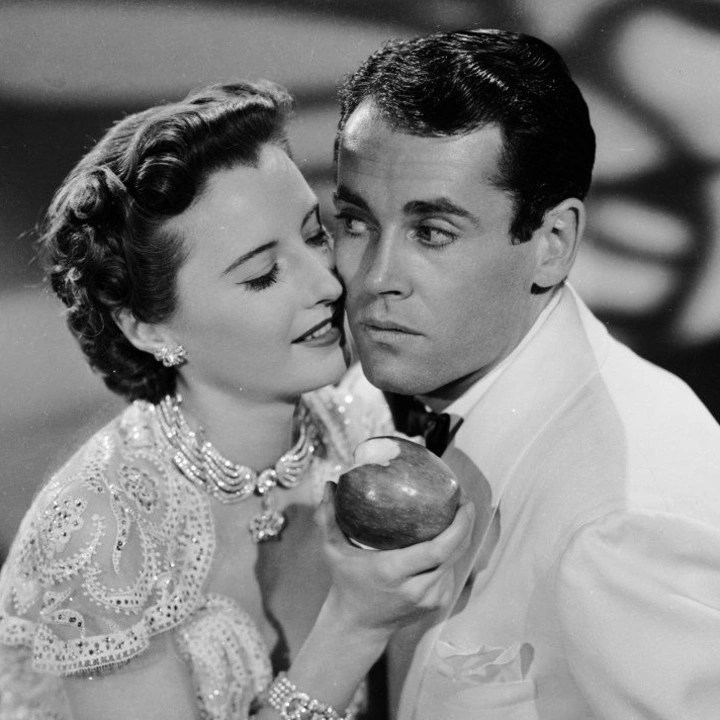

Preston Sturges’ Top 10 Films Ranked
1. Sullivan’s Travels (1941)
Genre: Comedy, Satire, Road Movie

2. The Lady Eve (1941)
Genre: Screwball Comedy, Romantic Comedy

3. Unfaithfully Yours (1948)
Genre: Black Comedy, Screwball Comedy

4. The Miracle of Morgan’s Creek (1944)
Genre: Screwball Comedy, Satire

5. The Palm Beach Story (1942)
Genre: Screwball Comedy, Romantic Comedy

6. Hail The Conquering Hero (1944)
Genre: Comedy, Satire
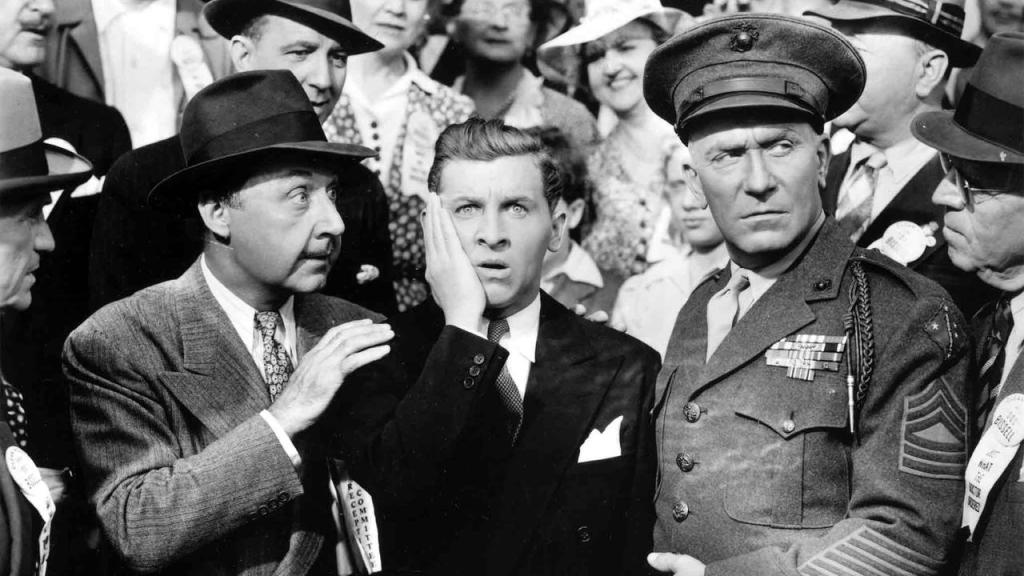
7. Christmas in July (1940)
Genre: Comedy, Satire

8. The Great McGinty (1940)
Genre: Comedy, Political Drama, Satire
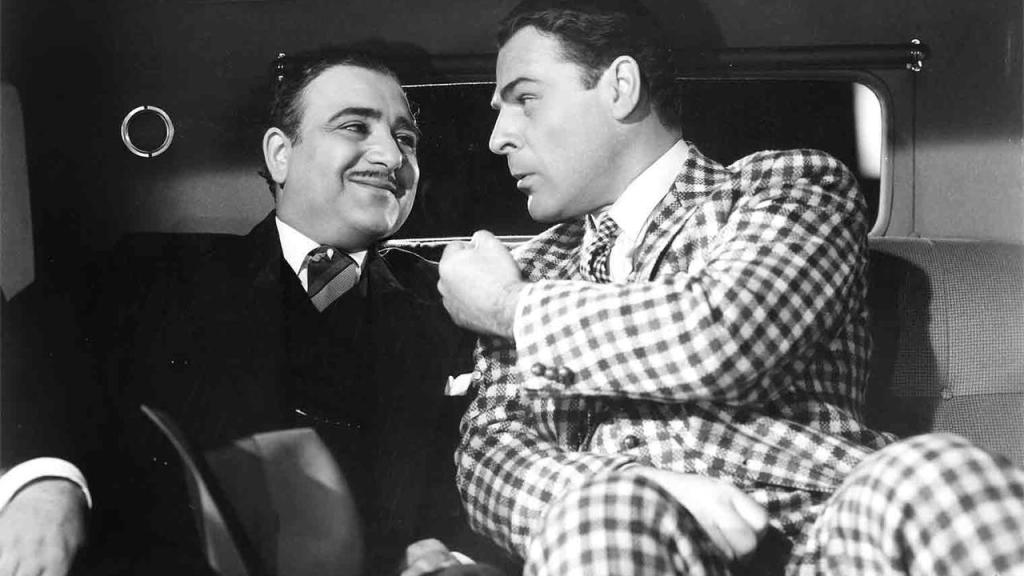
9. The Sin of Harold Diddlebock (1947)
Genre: Screwball Comedy
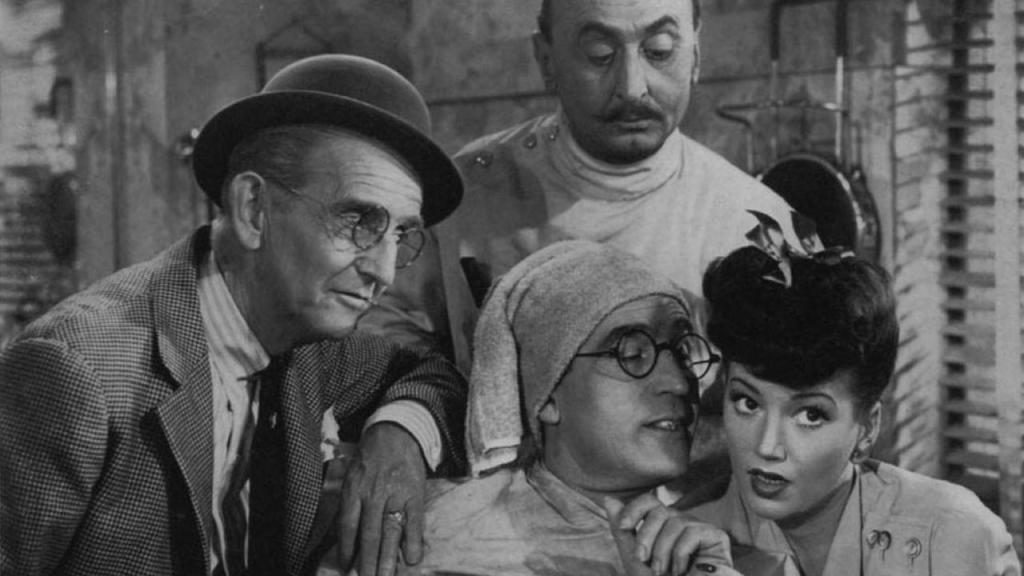
10. The Great Moment (1944)
Genre: Biographical, Drama
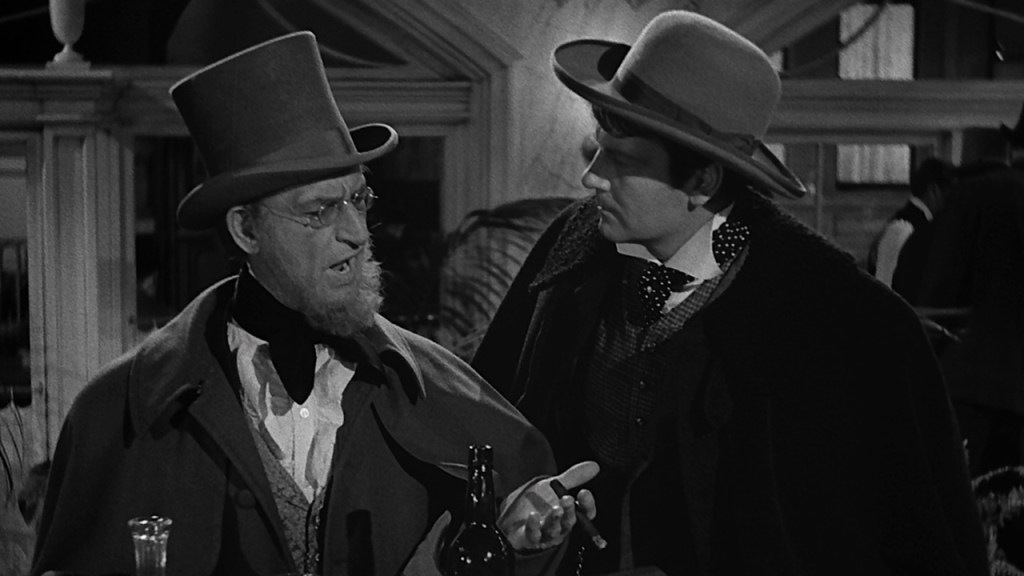
Preston Sturges: Themes and Style
Themes:
- Societal Critique: Sturges frequently tackled the disparities and absurdities of American society, particularly class struggles and the American Dream. His films often underscored the tension between wealth and happiness.
- Romantic Entanglements: Many of his films, such as The Lady Eve, revolved around complex romantic relationships, entanglements, and comedic misunderstandings.
- Fate and Luck: Sturges often played with the unpredictability of life, especially in Sullivan’s Travels, exploring how unexpected events can dramatically change a person’s trajectory.
- Pretence and Identity: In films like The Great McGinty, characters often pretend to be someone else or grapple with their dual natures, leading to comedic and dramatic tension.
Styles:
- Rapid-fire Dialogue: Sturges was known for his witty, fast-paced dialogue, filled with wordplay and quick comebacks, giving his films an energetic pace.
- Ensemble Casts: Sturges frequently worked with a recurring group of character actors, who added depth and colour to his filmic universe, creating a sense of familiarity across his works.
- Physical Comedy: While his films leaned heavily on dialogue, they also featured slapstick and visual gags, combining intellectual humour with broad comedic situations.
- Layered Narratives: Sturges often intertwined multiple storylines in his films, offering viewers a complex tapestry of interconnected tales and characters.
Directorial Signature:
- Blend of High and Low Comedy: Sturges seamlessly combined sophisticated wit with earthy humour, ensuring that his films appealed to a wide range of audiences.
- Authenticity: Despite the comedic nature of his works, Sturges insisted on grounding his characters in real emotions and situations. He often delved deep into human flaws and vulnerabilities, making his characters relatable.
- Social Commentary: Beneath the humour, Sturges’s films often contained sharp critiques of societal norms and values, pushing audiences to reflect on the world around them.
- Innovative Use of Flashbacks: In films like The Power and the Glory, Sturges used non-linear storytelling techniques, introducing audiences to innovative narrative structures.
Preston Sturges: The 63rd Greatest Director


 Bronze Screen Dream