
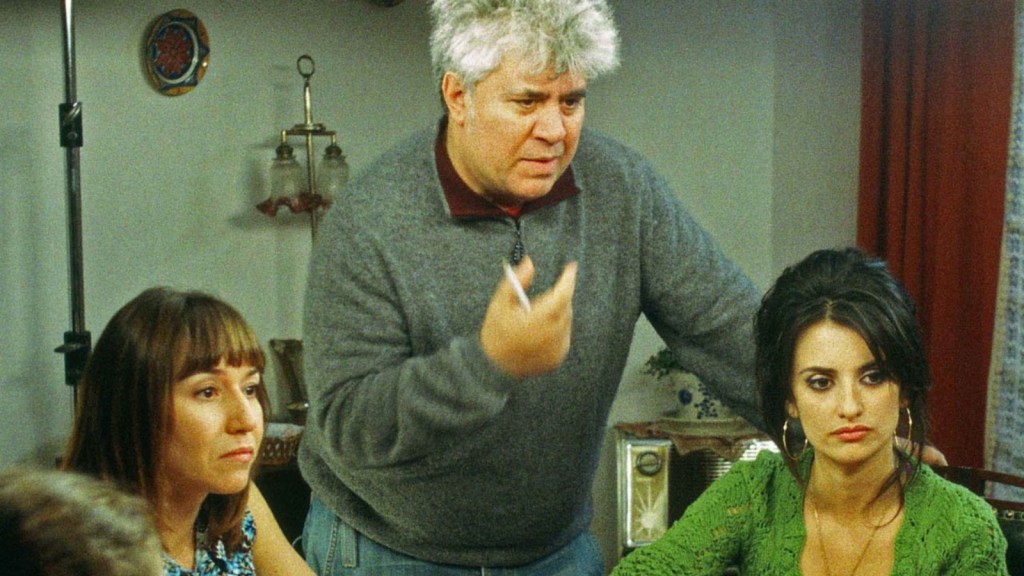
Pedro Almodóvar, a Spanish film director celebrated for his vibrant aesthetic and emotive narratives, has made a lasting impact in global cinema with his unique and audacious storytelling. His films, often laced with elements of melodrama and humour, explore intricate themes of desire, identity, and sexuality. Almodóvar’s filmography, including acclaimed films such as Women on the Verge of a Nervous Breakdown, All About My Mother, and Talk to Her, stands out for their complex narrative structures and deep-rooted ties to Spanish culture and history.
Raised in rural Spain, Almodóvar moved to Madrid in his late teens, immersing himself in the city’s thriving countercultural scene. His career began with short films shot on a Super 8 camera, and he emerged as a prominent figure in La Movida Madrileña, a cultural renaissance following the death of dictator Francisco Franco. Almodóvar’s first feature film, Pepi, Luci, Bom, released in 1980, introduced audiences to his distinctive style and thematic interests that would develop throughout his career.
Themes of desire and identity frequently permeate Almodóvar’s work, particularly emphasising sympathetic portrayals of queer characters and narratives. His exploration of these themes is remarkably nuanced, contributing to a broader understanding and acceptance of diverse societal identities and experiences. His 1999 film All About My Mother offers an empathetic portrayal of trans individuals, sex workers, and people living with HIV, presenting their experiences without judgment or sensationalism.
Identity in Post-Franco Spain
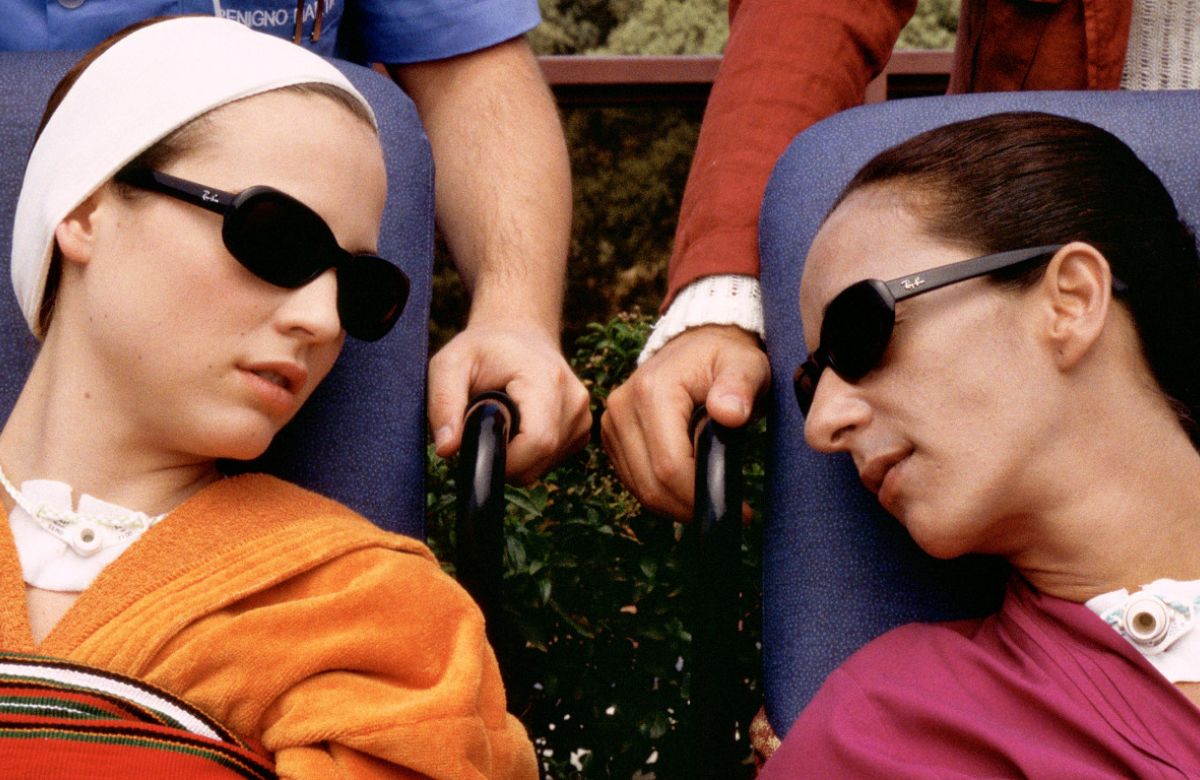
Known for his vibrant aesthetics, Almodóvar’s films often burst with colour and intricate production designs. Each element of the set contributes to the narrative and mood, creating a visually stimulating experience that complements the story’s complexity. For instance, his film Talk to Her displays this vibrancy through its rich colours and detailed interiors. Almodóvar’s narratives are often complex, featuring flashbacks, time jumps, and stories within stories, as seen in The Skin I Live In.
Almodóvar’s films frequently centre around women, depicted with depth and complexity. This focus is evidenced in his collaborations with actresses like Penélope Cruz and Carmen Maura, often portraying characters navigating a male-dominated society. Meanwhile, his unique cinematic language, marked by references and homages to cinema, literature, and art, serves to deepen the themes in his films. Almodóvar’s work also often reflects his deep connection to Spanish culture and history, addressing topics like the Spanish Civil War, the Franco regime, and the transition to democracy.
The influence of Almodóvar’s work extends to directors both nationally and internationally. His vivid storytelling, blending of genres, and explorations of identity have inspired filmmakers like François Ozon, Xavier Dolan, and Luca Guadagnino. Almodóvar’s impact on cinema, particularly in showcasing diverse identities and experiences, his genre-blending narratives, and his vibrant aesthetic, has ensured his place in film history.
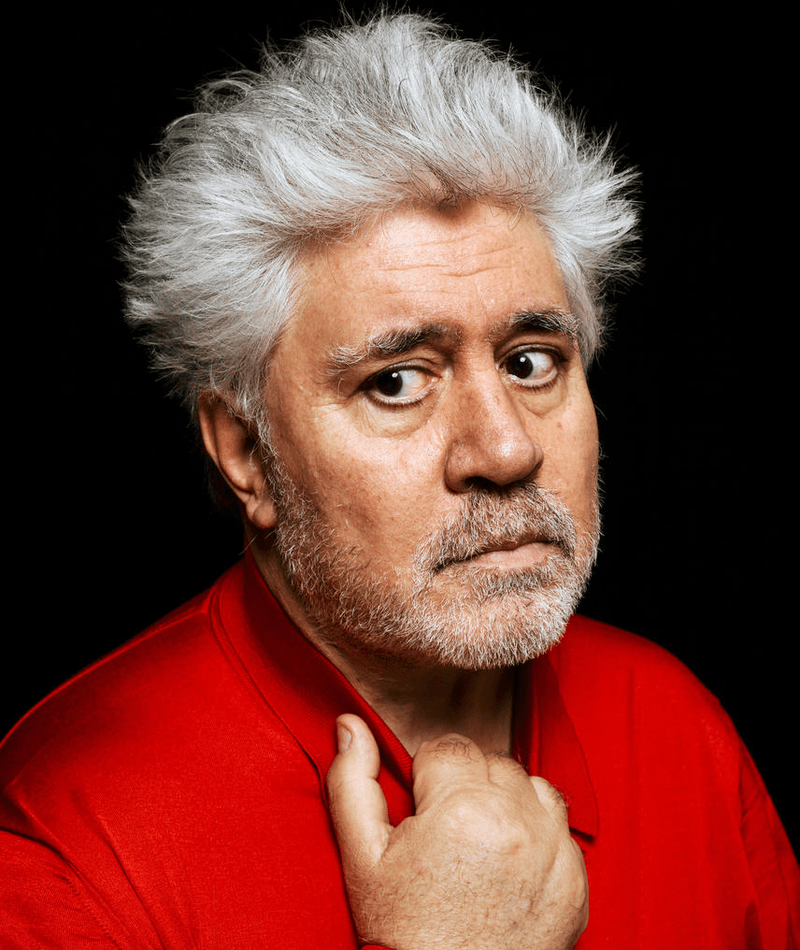
Pedro Almodovar (1949 –)
Calculated Films:
- Women on the Verge of a Nervous Breakdown (1988)
- All About My Mother (1999)
- Talk To Her (2002)
- Volver (2006)
- The Skin I Live In (2011)
- Pain and Glory (2019)
Similar Filmmakers
- Alejandro Amenabar
- Carlos Saura
- Douglas Sirk
- Federico Fellini
- Francois Ozon
- Gregg Araki
- Jean-Jacques Beineix
- Jean-Pierre Jeunet
- John Waters
- Joseph L. Mankiewicz
- Julio Medem
- Luca Guadagnino
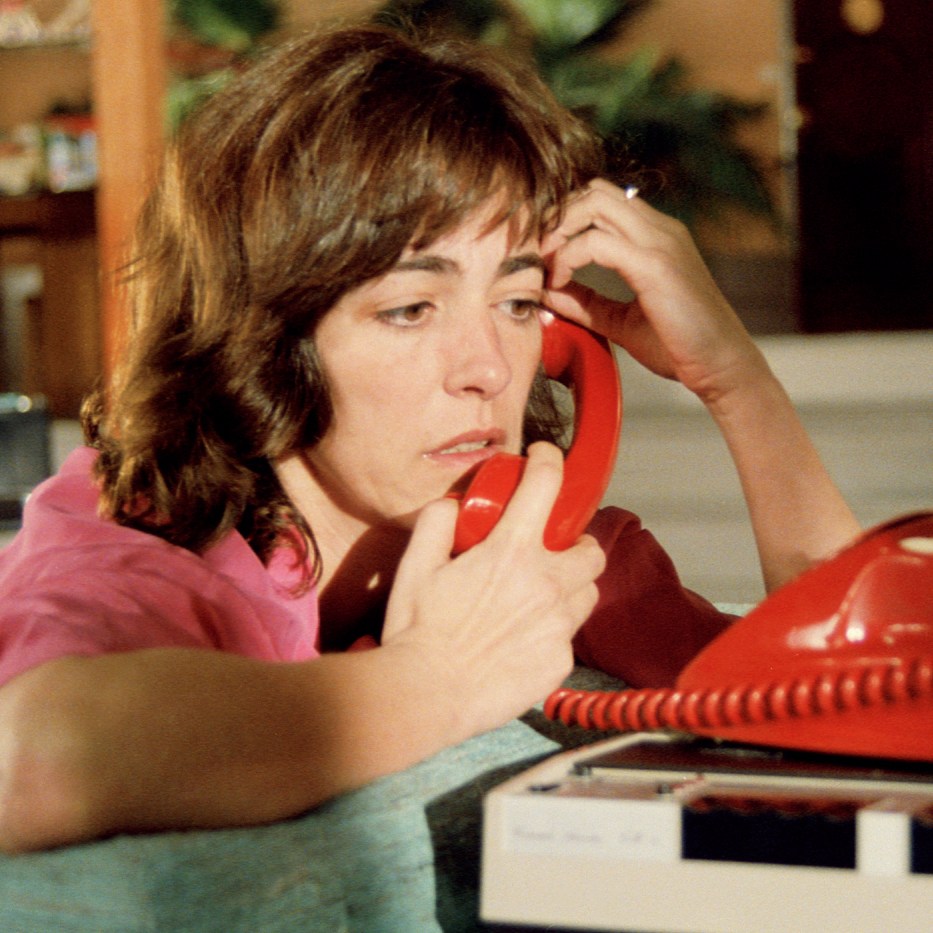


Pedro Almodovar’s Top 10 Films Ranked
1. All About My Mother (1999)
Genre: Melodrama, Family Drama, Drama
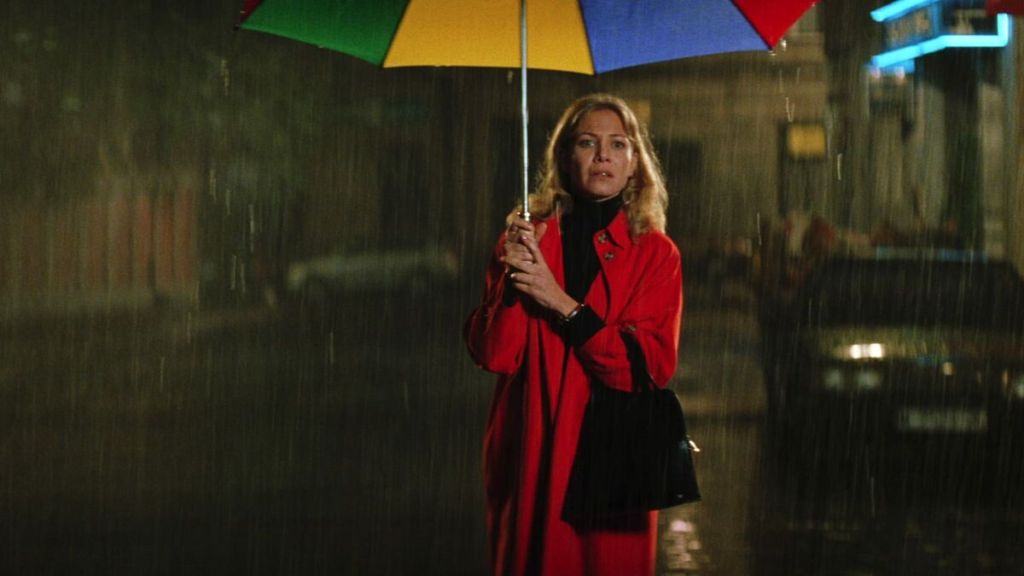
2. Talk to Her (2002)
Genre: Melodrama, Drama
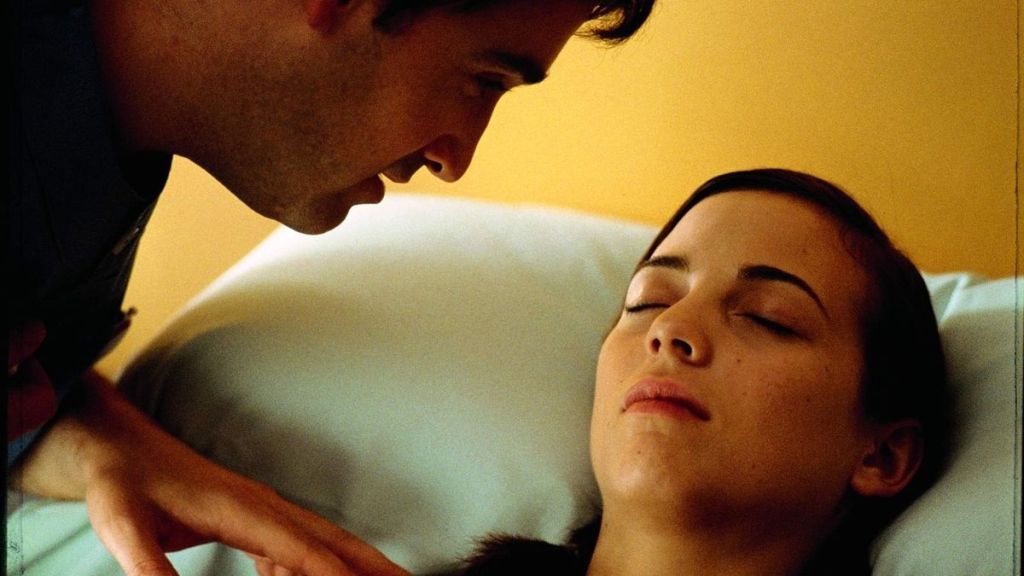
3. Women on the Verge of a Nervous Breakdown (1988)
Genre: Comedy
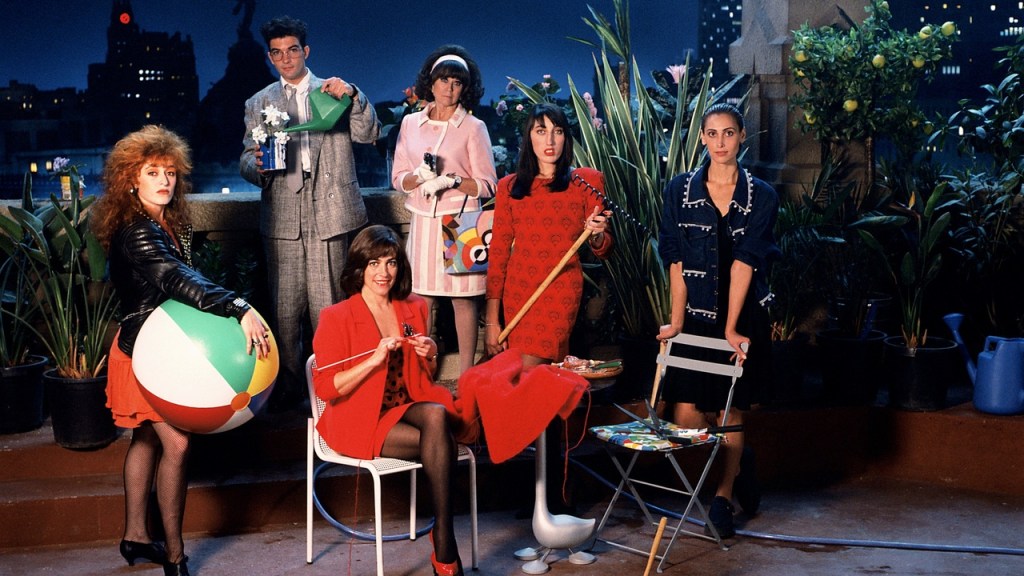
4. Volver (2006)
Genre: Drama, Family Drama
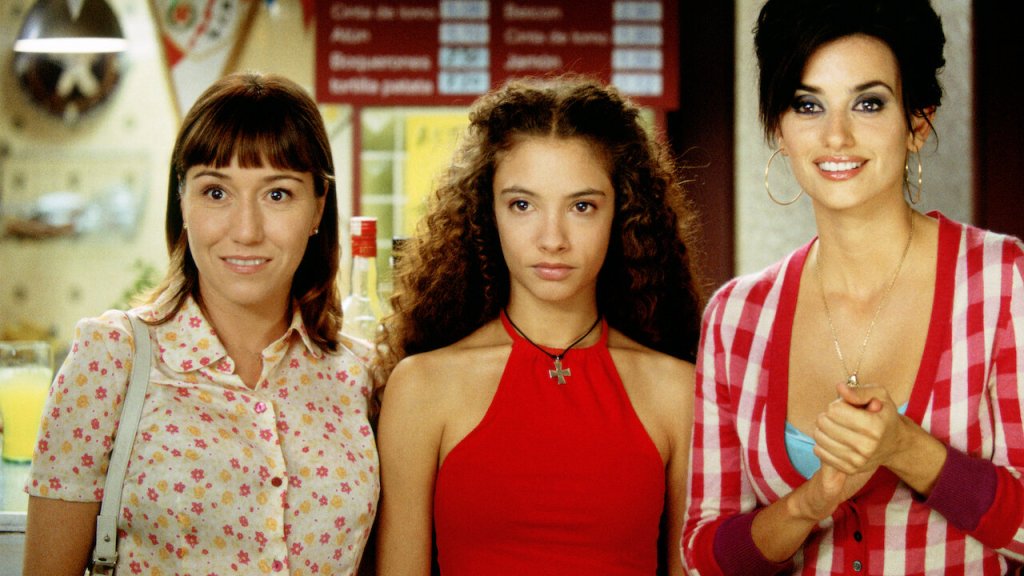
5. Pain and Glory (2019)
Genre: Drama
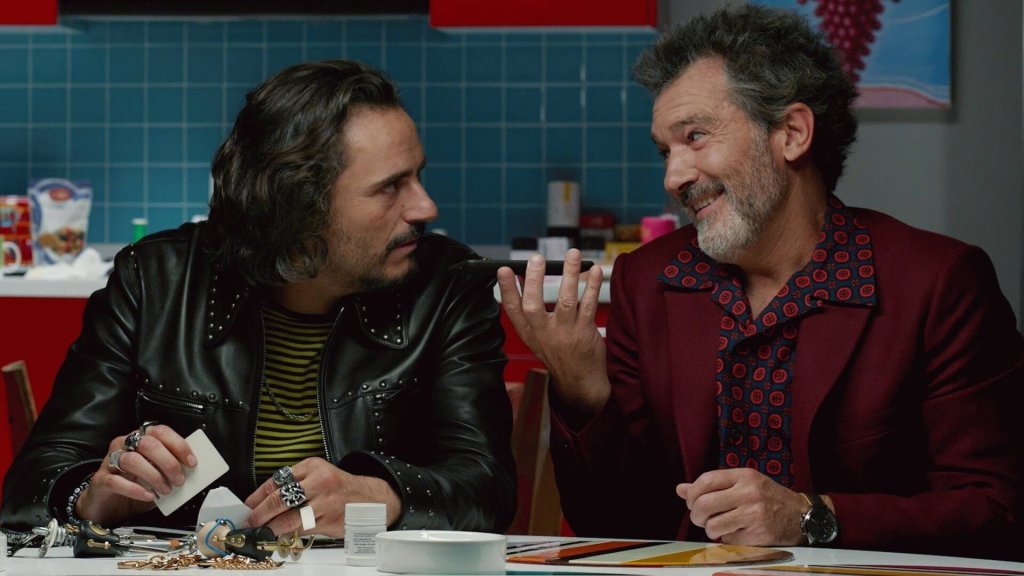
6. The Skin I Live In (2011)
Genre: Psychological Thriller, Drama
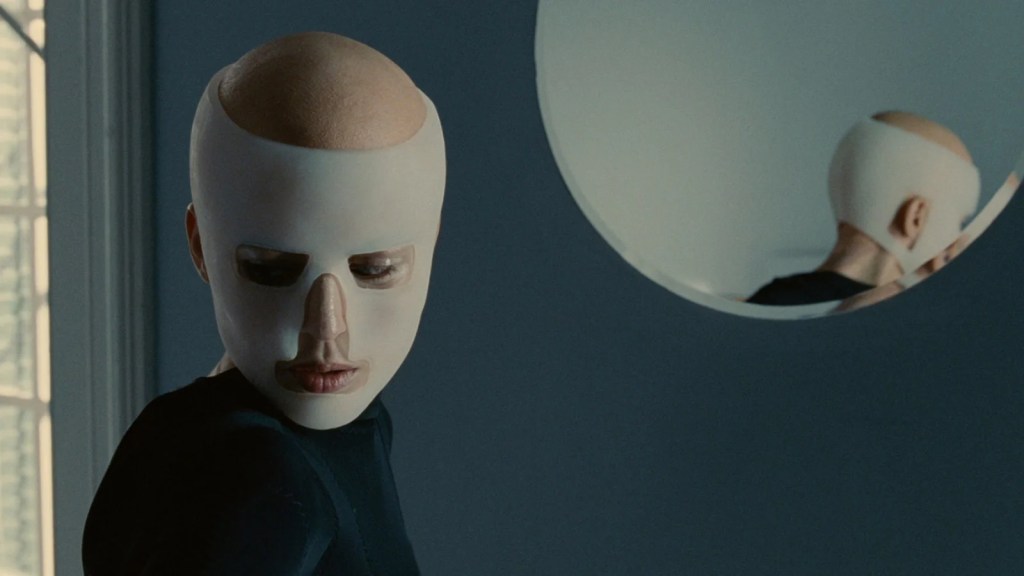
7. Law of Desire (1987)
Genre: Melodrama, Romance
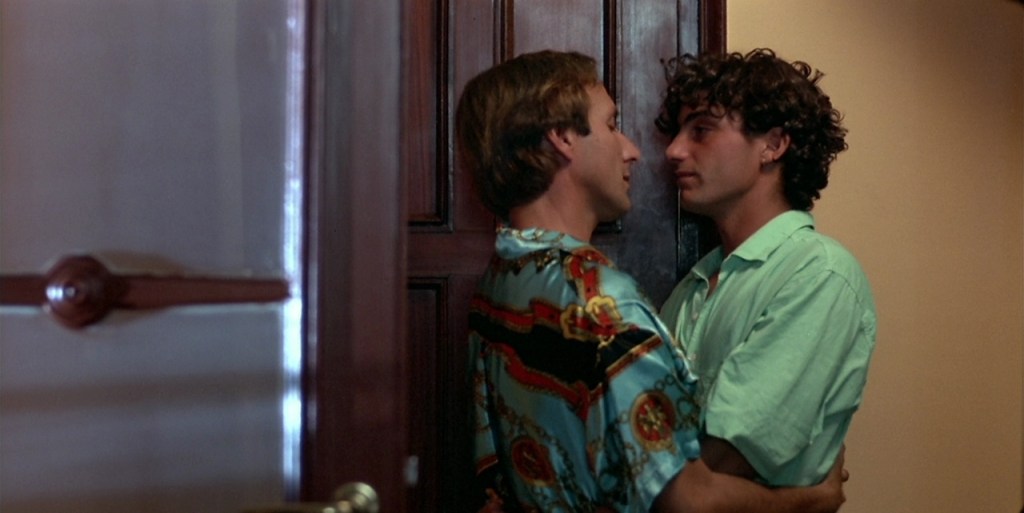
8. What Have I Done To Deserve This? (1984)
Genre: Black Comedy, Family Drama, Absurdist Comedy
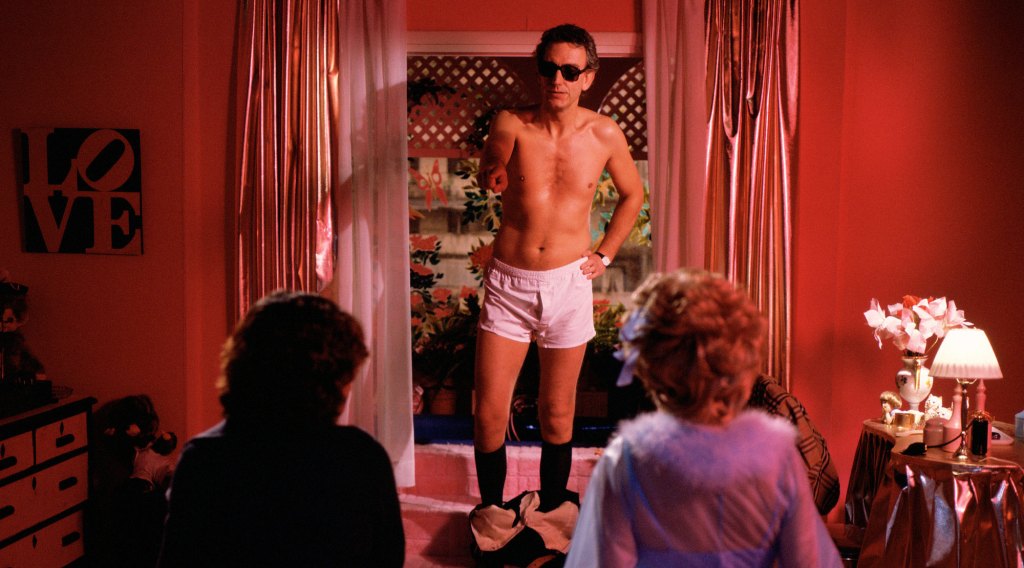
9. Live Flesh (1997)
Genre: Drama, Romance
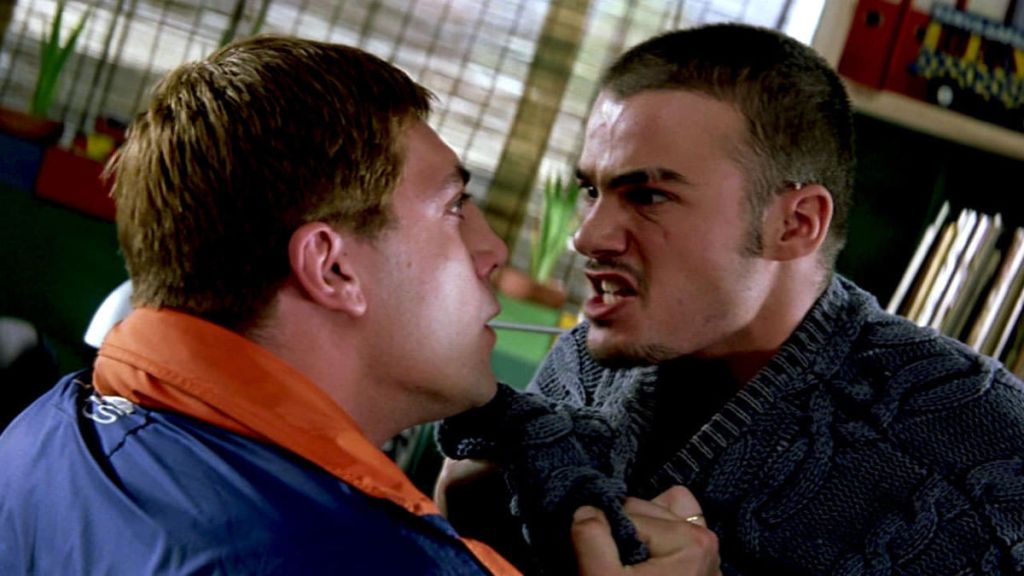
10. Bad Education (2004)
Genre: Drama, Mystery

Pedro Almodovar: Themes and Style
Themes:
- Gender and Identity: Almodóvar often explores complex themes of gender, sexuality, and identity, challenging traditional norms. All About My Mother and The Skin I Live In delve deep into the fluidity and constructs of gender roles.
- Maternal Figures and Sisterhood: The strength and complexity of women, particularly maternal figures and sisterhood, are central to his narratives. Films like Volver and Julieta portray the resilience and multifaceted nature of women in Spanish society.
- Desire and Passion: His work is saturated with the themes of desire and passion, displaying the intensity and often destructive nature of love and lust, as exemplified in Talk to Her and Tie Me Up! Tie Me Down!.
- Melodrama and Tragedy: Almodóvar frequently employs melodramatic elements to explore personal tragedies and the human condition, offering a modern twist on the genre in films like High Heels.
- The Past and Memory: He has a profound interest in how the past and memory influence the present, weaving complex narratives that often involve characters confronting or being haunted by their history, as in Bad Education.
Styles:
- Vivid Colour Palette: Almodóvar is renowned for his use of vibrant, saturated colours that complement the emotional intensity of his stories. The striking reds in Talk to Her serve as a visual metaphor for the film’s passionate themes.
- Melodramatic Tone: He often combines high drama with elements of comedy, creating a unique tone that allows for an emotional exploration of his characters’ lives, as seen in Women on the Verge of a Nervous Breakdown.
- Complex Narratives: Almodóvar frequently employs non-linear storytelling and complex narrative structures that reveal the interconnectedness of his characters’ lives, showcased in Broken Embraces.
- Cinematic Homages: His work often contains homages to classic cinema and genre films, acknowledging the influence of other directors and the history of film as an art form, like the nods to Hitchcock in Law of Desire.
- Eclectic Soundtracks: The soundtracks in Almodóvar’s films are carefully curated to enhance the narrative, often featuring a mix of contemporary and classic Spanish music, as well as international hits, which help in setting the tone and mood of scenes.
Directorial Signature:
- Ensemble Casts: Almodóvar frequently works with ensemble casts and has a talent for crafting richly layered characters, often collaborating with actors across multiple films to create a repertory feel, as seen with Penélope Cruz in Volver.
- Female-Centric Storytelling: His films are known for their strong, complex female leads, offering narratives that highlight the experiences and resilience of women in a patriarchal society, a signature evident in All About My Mother.
- LGBTQ Representation: Almodóvar has been a pioneer in the positive representation of LGBTQ characters, offering nuanced portrayals that avoid stereotypes, a trail he blazed early in his career with films like Law of Desire.
- Meta-Cinematic Elements: He often includes elements that reflect on the nature of filmmaking and storytelling itself, intertwining life and art in a meta-cinematic dialogue, as in Pain and Glory.
- Emotional Authenticity: Despite the heightened melodrama and stylised visuals, Almodóvar’s films are grounded in emotional authenticity, capturing the rawness of human emotion and experience, which resonates deeply with audiences, a quality that permeates works like Talk to Her.
Pedro Almodovar: The 99th Greatest Director



 Bronze Screen Dream