
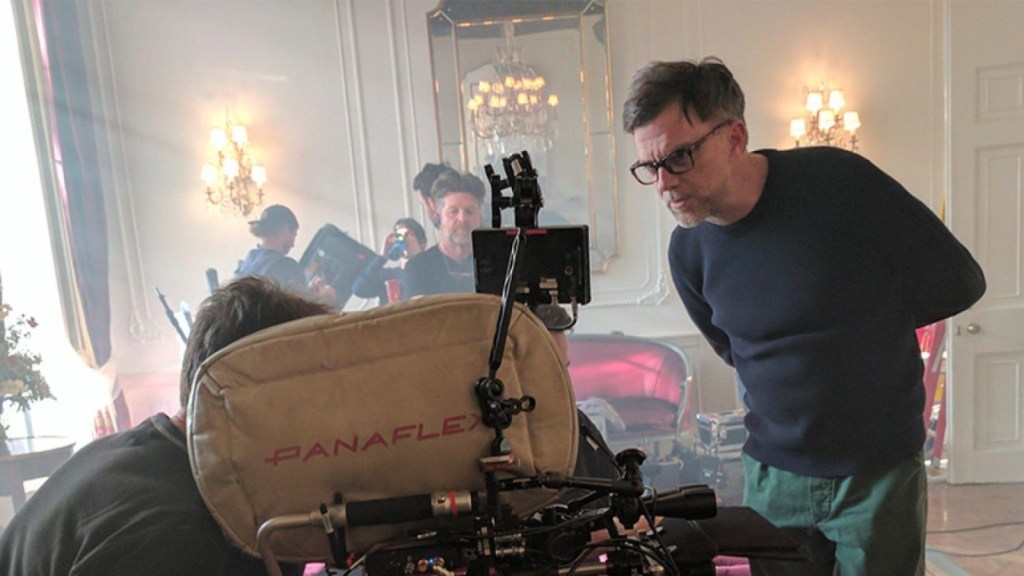
Paul Thomas Anderson, an American director, is highly regarded for his contribution to contemporary cinema, particularly his exploration of complex characters and interconnected narratives. Anderson’s filmography is filled with films such as Magnolia, Boogie Nights, and There Will Be Blood, which displays his sophisticated storytelling and dynamic visual style. A master of ensemble casts and character studies, Anderson’s work often explores themes of family, identity, and isolation against California’s subcultures and history.
Born in Los Angeles, California, Anderson developed an interest in filmmaking at a young age. After attending film school for two days, he dropped out, deciding to learn through experience rather than traditional education. His early career included the creation of a mockumentary, “The Dirk Diggler Story”, which later served as the inspiration for Boogie Nights. Anderson’s meteoric rise in the film industry was marked by his ability to create intricate narratives filled with layered characters, quickly establishing him as an influential filmmaker.
Anderson’s films are characterised by their use of ensemble casts, offering a tableau of richly-drawn characters with interconnected lives. The complexity of these characters allows for a nuanced exploration of themes such as identity, familial relationships, and personal crises. This recurring narrative technique, as seen in Magnolia and Boogie Nights, offers audiences a multitude of perspectives, making his films multifaceted and compelling.
California Dreaming: The Subcultural Landscapes of P.T. Anderson
Anderson’s visual style is known for its dynamic, immersive nature, frequently using long takes and intricate tracking shots. This distinct approach creates a sense of continuity and movement within his films, contributing to their immersive feel. Furthermore, his masterful use of music and sound, such as the original scores by Jonny Greenwood in There Will Be Blood and The Master, enriches the emotional resonance of his films, demonstrating his attention to every detail of the cinematic experience.
Anderson’s work shows a clear influence from the New Hollywood era, with his bold narrative and stylistic choices often drawing comparisons to filmmakers like Robert Altman and Martin Scorsese. Additionally, the California settings prevalent in his films, portraying specific subcultures or historical periods, lend a unique sense of place to his narratives. His recurrent collaborations with actors like Philip Seymour Hoffman, Julianne Moore, and Daniel Day-Lewis have also led to memorable performances highlighting his character development and directing skills.
Paul Thomas Anderson’s impact on contemporary cinema is profound. Regarded as one of the leading auteurs of his generation, his innovative storytelling techniques, rich character studies, and distinct visual style have won him critical acclaim and influenced a new generation of filmmakers, both in America and internationally. Filmmakers such as Rian Johnson, Sean Baker, and Ari Aster have cited Anderson as a significant influence, attesting to his enduring impact on global cinema.
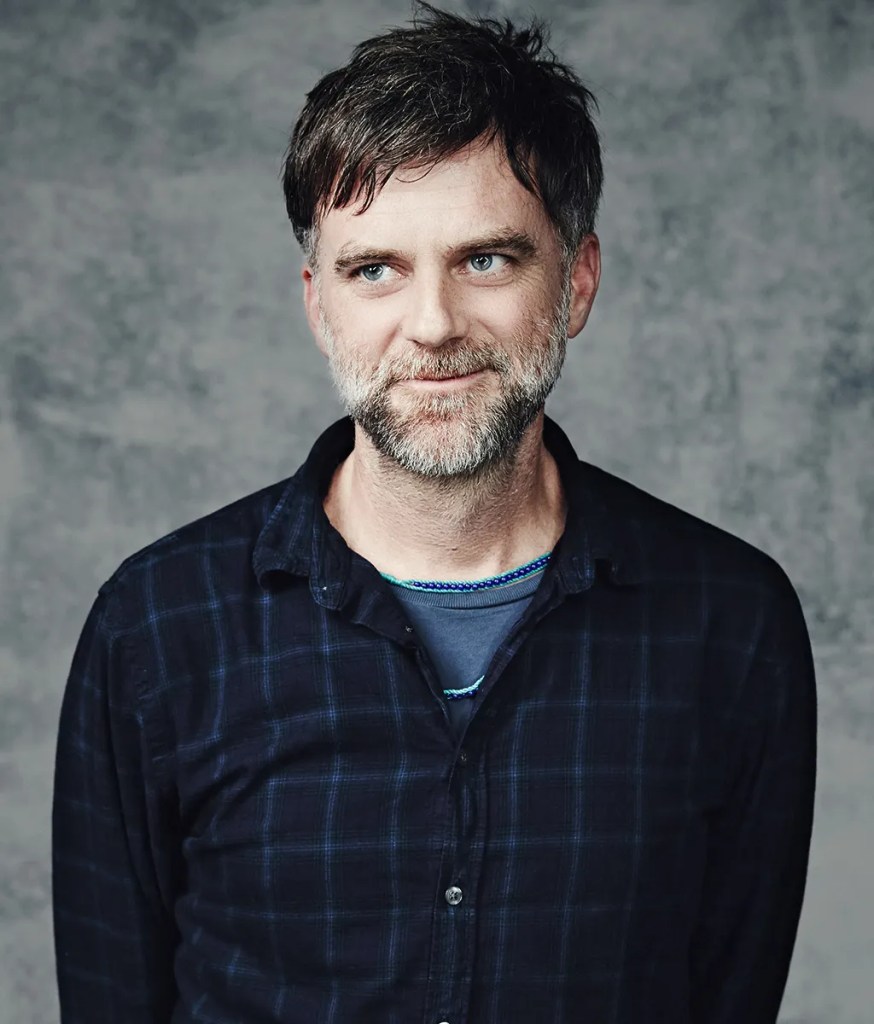
Paul Thomas Anderson (1970 – -)
Calculated Films:
- Boogie Nights (1997)
- Magnolia (1999)
- Punch-Drunk Love (2002)
- There Will Be Blood (2007)
- The Master (2012)
- Inherent Vice (2014)
- Phantom Thread (2017)
- Licorice Pizza (2021)
Similar Filmmakers
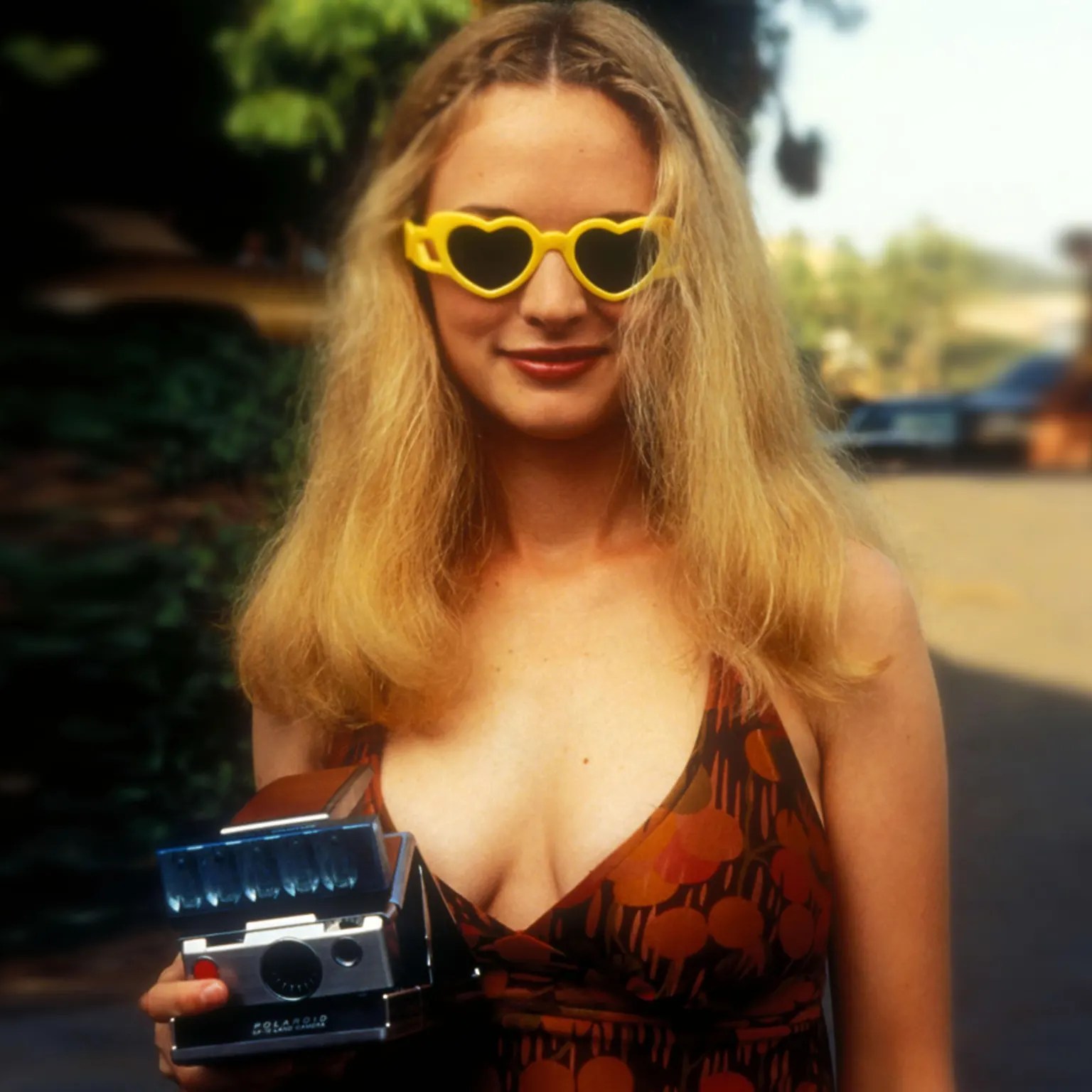

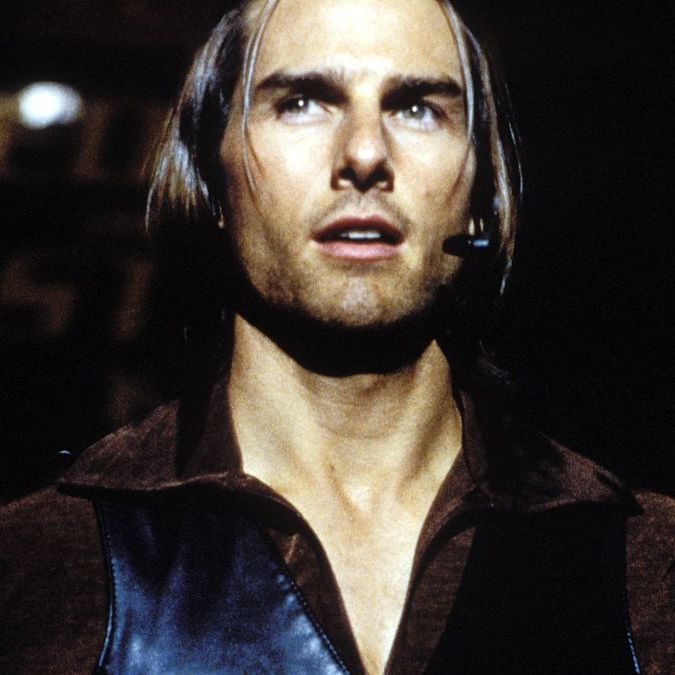
Paul Thomas Anderson’s Top 10 Films Ranked
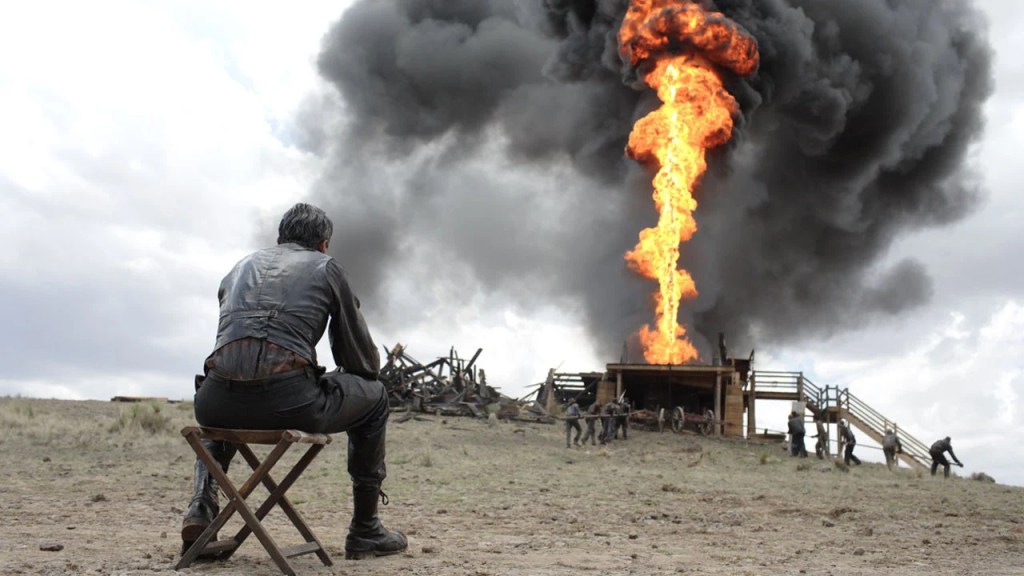
1. There Will Be Blood (2007)
Genre: Period Drama
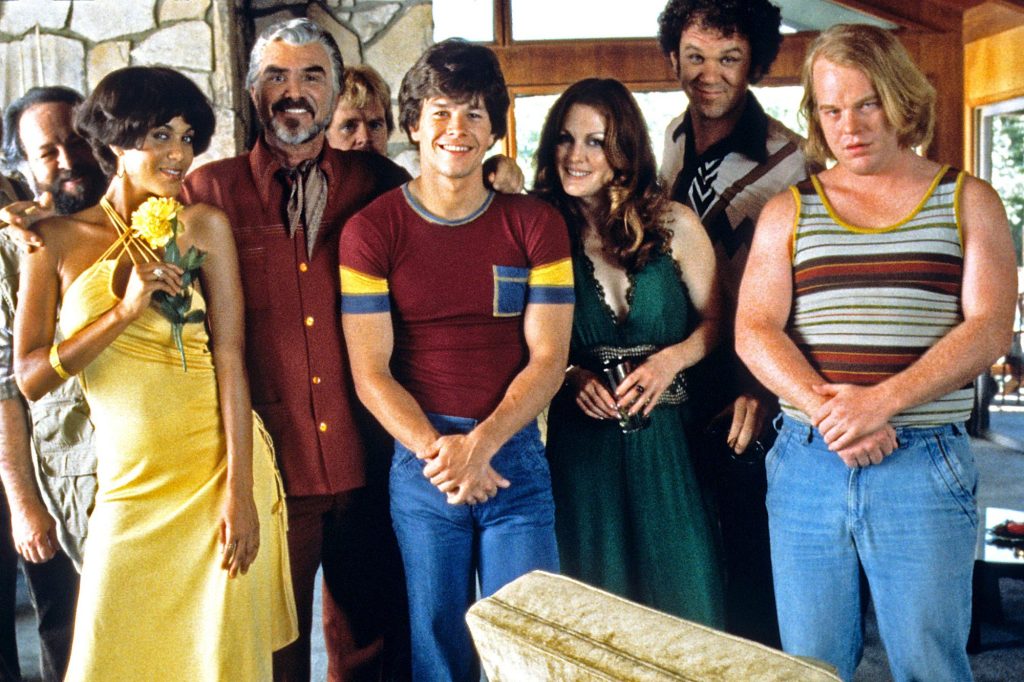
2. Boogie Nights (1997)
Genre: Drama, Black Comedy
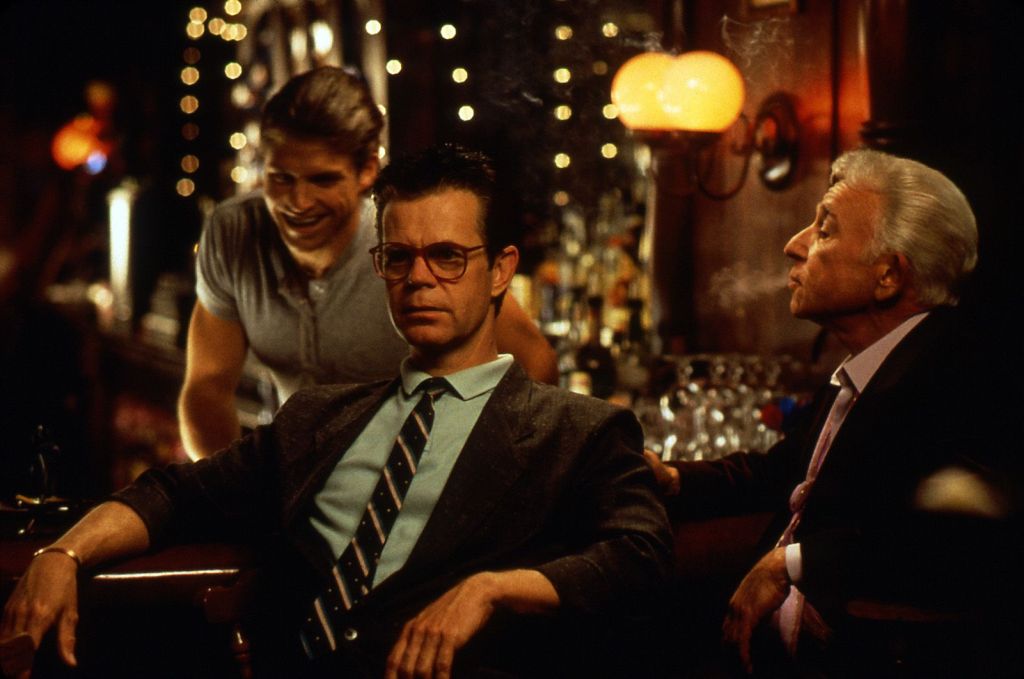
3. Magnolia (1999)
Genre: Melodrama, Drama
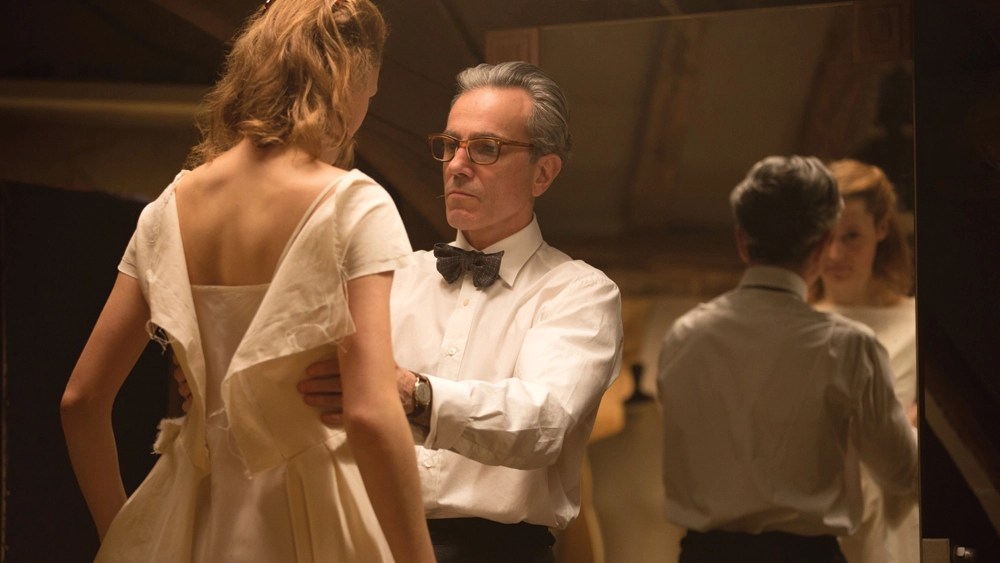
4. Phantom Thread (2017)
Genre: Romance, Period Drama
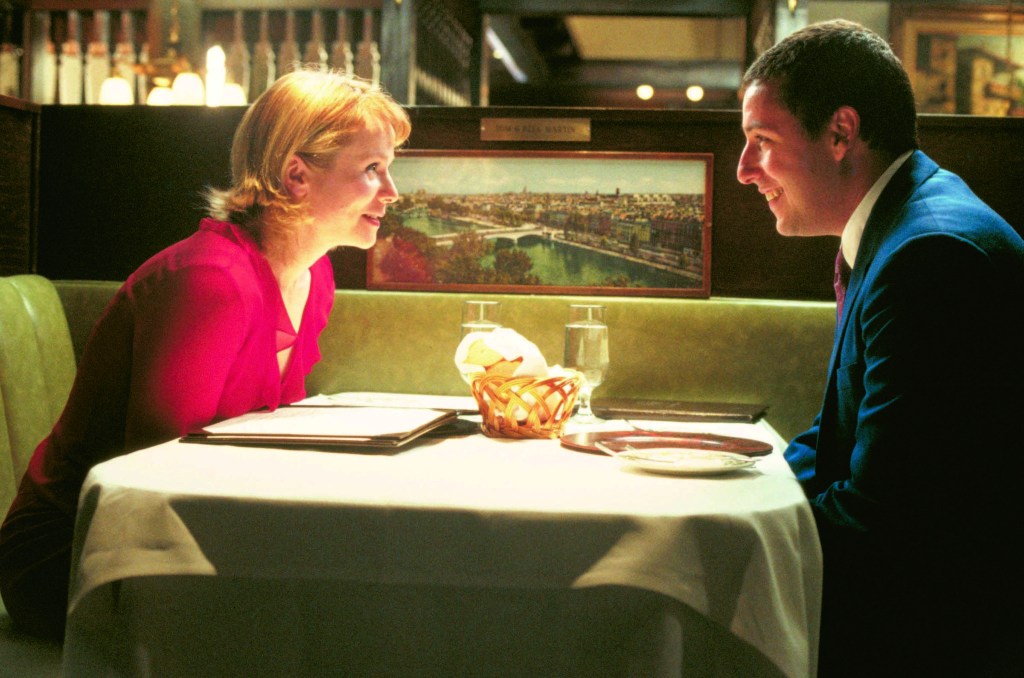
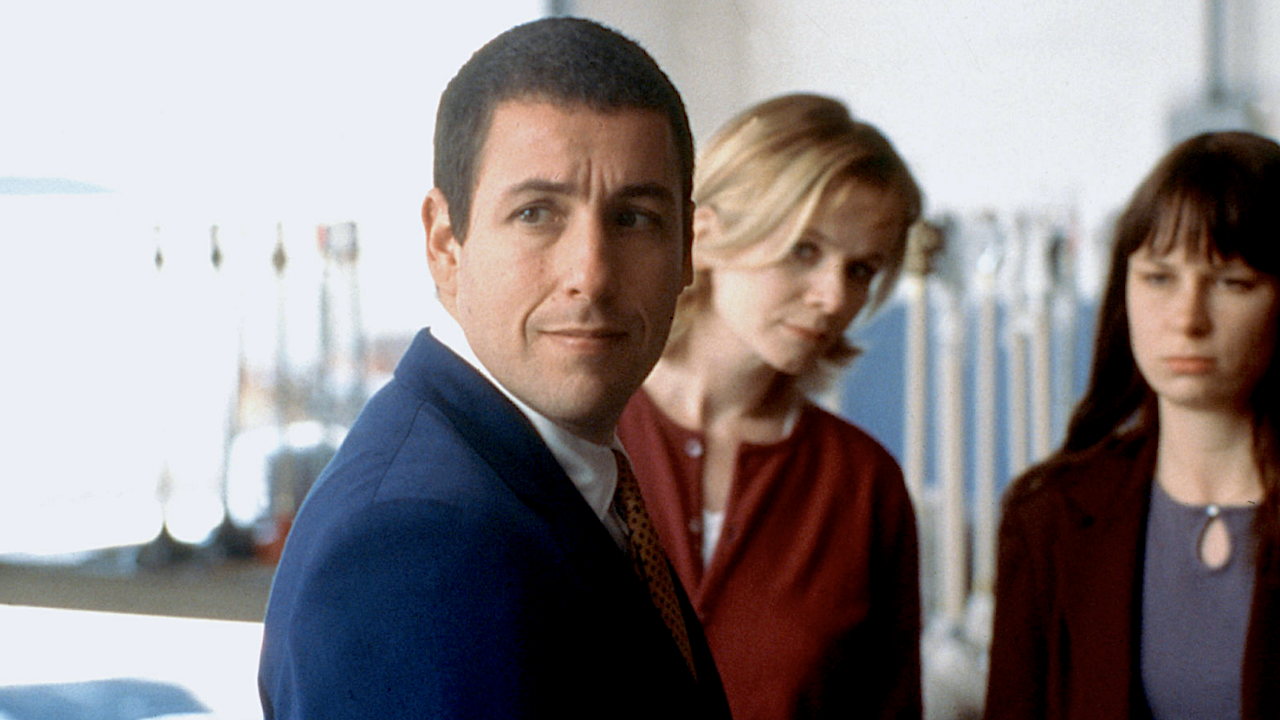
5. Punch-Drunk Love (2002)
Genre: Romance, Drama, Black Comedy
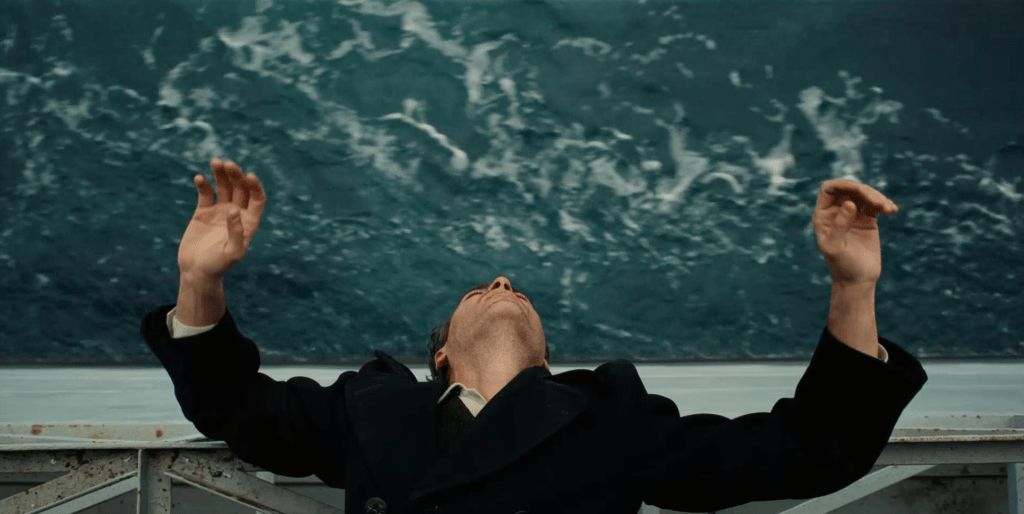
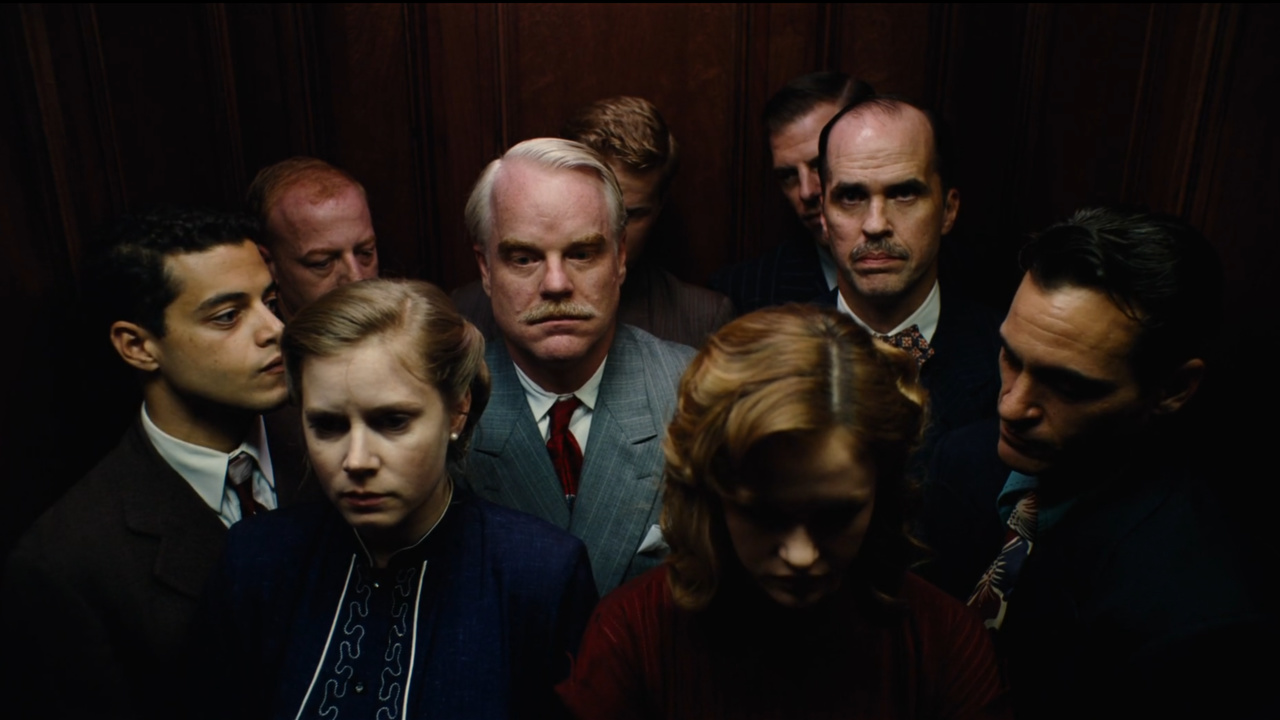
6. The Master (2012)
Genre: Psychological Drama
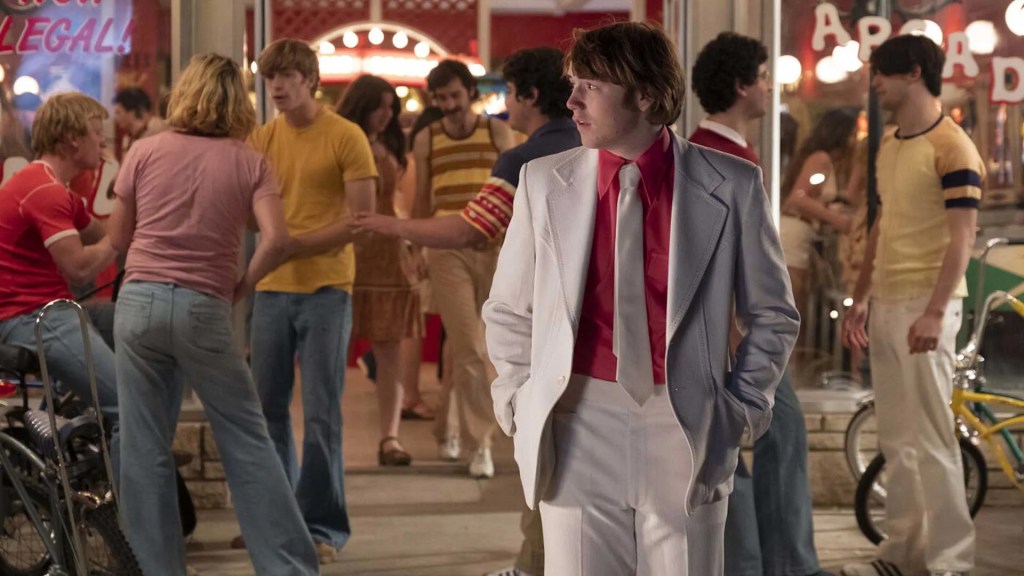
7. Licorice Pizza (2021)
Genre: Coming-of-Age, Comedy
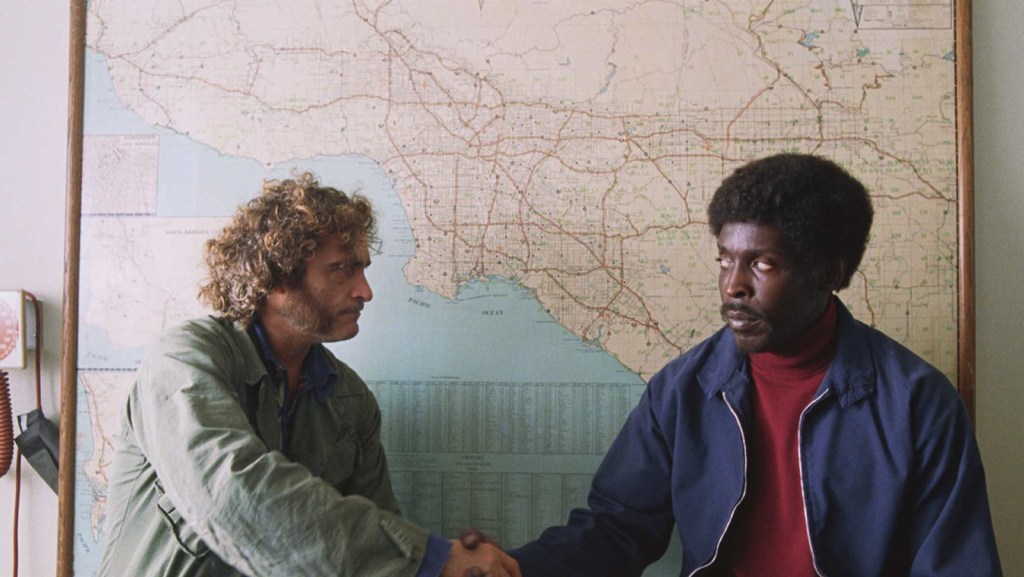
8. Inherent Vice (2014)
Genre: Neo-Noir, Mystery, Black Comedy, Crime, Satire
9. Hard Eight (1996)
Genre: Crime, Drama

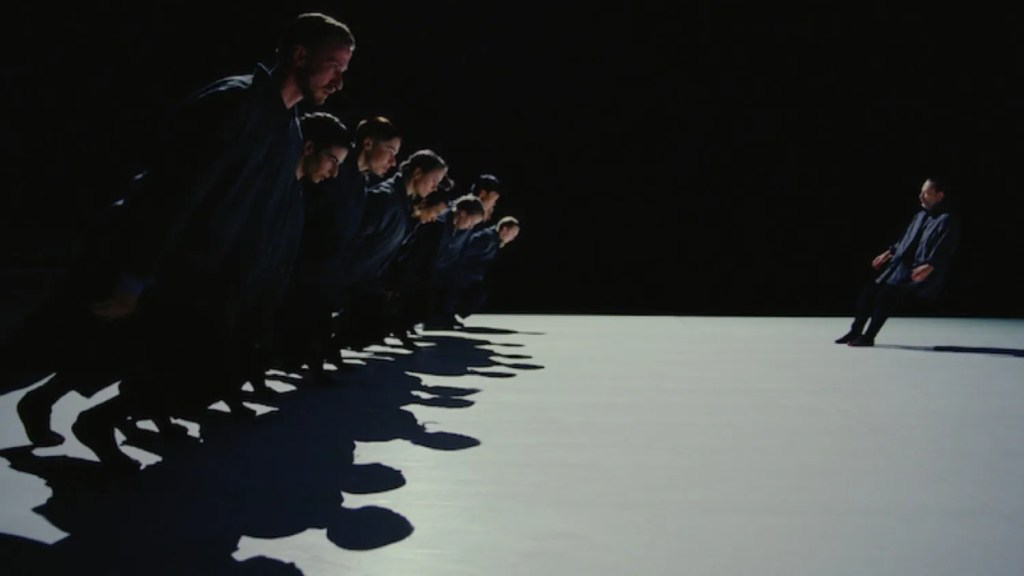
10. Anima (2019)
Genre: Music, Dance Film
Paul Thomas Anderson: Themes and Style
Themes:
- Dysfunctional Families and Relationships: Anderson delves into the complex dynamics of dysfunctional families and relationships, as depicted in Magnolia, where the intertwined lives of damaged individuals reflect a mosaic of emotional turmoil.
- Quest for Redemption: His characters are often searching for redemption or grappling with the consequences of their past, a central thread in There Will Be Blood, where the protagonist’s ambition leads to moral and spiritual decay.
- American Capitalism and Obsession: Anderson frequently examines themes of capitalism, success, and the obsessive nature of ambition, notably in The Master, which portrays the haunting pursuit of power and influence.
- Surrogate Families: He explores the concept of chosen or surrogate families, particularly in Boogie Nights, where a group of adult film industry workers form a bond that transcends traditional family structures.
- Isolation and Connection: The tension between isolation and the desperate need for connection is a recurring theme, exemplified in Punch-Drunk Love, which showcases a lonely man’s awkward yet earnest quest for love.
Styles:
- Symmetrical Composition and Steadicam Shots: Anderson is known for his precise visual compositions and fluid Steadicam shots, which create a distinctive, immersive viewing experience, as seen in the long takes of Boogie Nights.
- Ensemble Casts: He often works with ensemble casts, weaving multiple storylines into a cohesive narrative tapestry, a technique that reaches its apex in Magnolia.
- Period Details and Nostalgia: Anderson has a keen eye for period detail, creating authentic, nostalgic worlds that fully immerse the audience in the time period, as demonstrated in the meticulously crafted Inherent Vice.
- Bold Soundtracks: His films frequently feature bold, memorable soundtracks that underscore the emotional and narrative arcs, such as the use of Jonny Greenwood’s innovative scores in There Will Be Blood.
- Unique Camera Movements: Anderson utilises distinctive camera movements that often capture characters in moments of intense emotional revelation or tension, creating an intimate connection with the viewer.
Directorial Signature:
- Collaborative Improvisation: Anderson is known for his collaborative direction, often encouraging improvisation among his actors to capture spontaneous and authentic moments, enhancing the realism of films like The Master.
- Frequent Collaborators: He often works with the same actors and crew across different projects, creating a sense of continuity and trust that translates on-screen, with actors like Philip Seymour Hoffman appearing in multiple films.
- Complex Characters: His directorial signature includes the creation of complex, multi-faceted characters who defy easy categorisation, evident in Phantom Thread, where the protagonists’ intricacies unfold in unexpected ways.
- Intense Character Studies: Many of his films serve as intense character studies, focusing on the psychological and emotional landscapes of his characters, as in There Will Be Blood, which delves deeply into the psyche of its lead.
- Narrative Experimentation: Anderson is not afraid to experiment with narrative structures, often telling stories in non-linear or unconventional ways, challenging audiences to piece together the narrative puzzle, a style prominently featured in Punch-Drunk Love.
Paul Thomas Anderson: The 32nd Greatest Director


 Bronze Screen Dream