

Milos Forman, a Czech-born director who attained global recognition, is renowned for his unique cinematic storytelling that often spotlights themes of individualism and rebellion against oppressive institutions. Forman is best known for critically acclaimed American films such as One Flew Over the Cuckoo’s Nest, Amadeus, and The People vs Larry Flynt, although he is equally well-regarded for his Czech films.
Emerging from the Czech New Wave cinema, Forman’s early career was characterised by a distinct focus on realism and a humanistic approach. His Czech films, like The Firemen’s Ball and Loves of a Blonde, showcased an authentic portrayal of characters, often common people, and their circumstances. This same approach transitioned into his Hollywood career, where he continued to focus on the psychological development of characters, often exploring the clash between individual desires and societal expectations.
Forman’s films are also notable for their use of music as an essential storytelling component. From the rock music of the 1960s counterculture in Hair to Mozart’s compositions driving the narrative in Amadeus, music serves to enhance the mood, define the era, and deepen the characterisation in his work. Additionally, Forman often worked with ensemble casts, displaying a knack for extracting compelling performances from his actors. This was particularly evident in One Flew Over the Cuckoo’s Nest, where the ensemble cast was integral to depicting the oppressive mental institution.
From Czech New Wave to New Hollywood
Biographical films form another significant part of Forman’s oeuvre. Both Amadeus and The People vs Larry Flynt offer vivid and complex portraits of their subjects, weaving personal stories within larger social and cultural contexts. Forman’s ability to humanise these figures, from a renowned composer to a controversial publisher, is a testament to his humanistic approach and adept handling of character-driven narratives.
Forman’s transition from European to Hollywood cinema, and his continuous success in both arenas, have left a significant impact on film history. His work, marked by anti-authoritarian themes and empathetic exploration of the psyche, has inspired a wide range of filmmakers. Recognised with multiple Academy Awards for Best Director, Milos Forman has left an indelible mark on the cinematic landscape, affirming his place amongst the world’s most influential filmmakers.
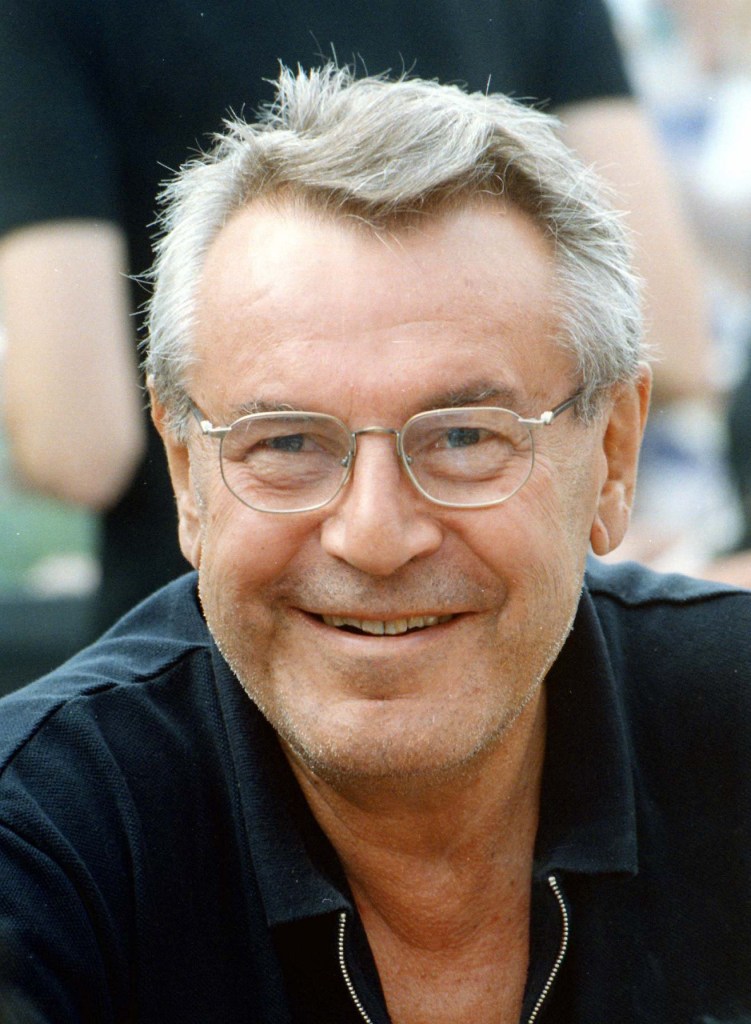
Milos Forman (1932 – 2018)
Calculated Films:
- Loves of a Blonde (1965)
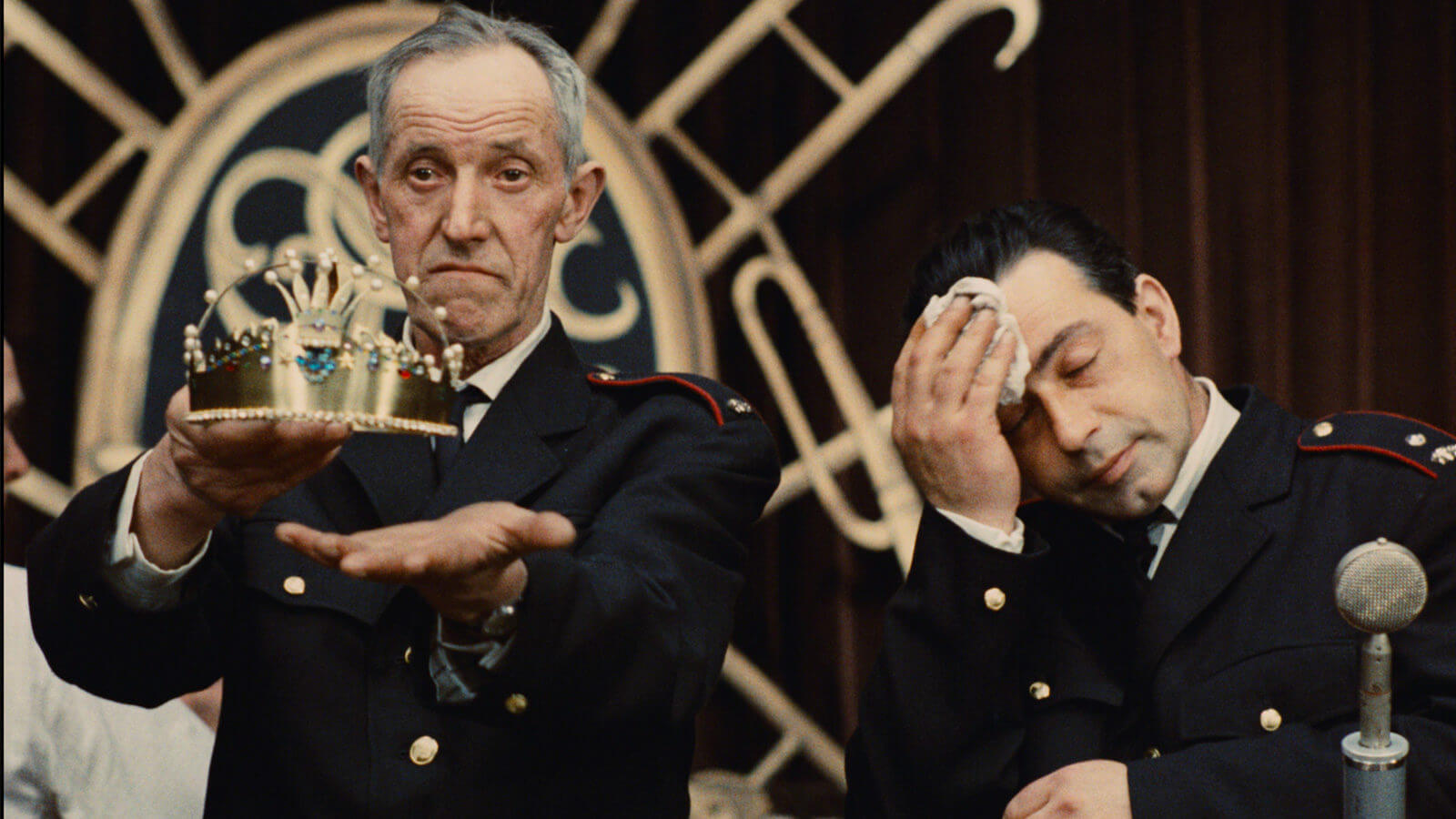
- The Fireman’s Ball (1967)
- One Flew Over The Cuckoo’s Nest (1975)
- Hair (1979)
- Amadeus (1984)
Similar Filmmakers
- Ivan Passer
- Jan Nemec
- Jerzy Skolimowski
- Jiri Menzel
- Ken Russell
- Lasse Hallstrom
- Louis Male
- Mike Nichols
- Philip Kaufman
- Robert Altman
- Sidney Lumet
- Vera Chytilova


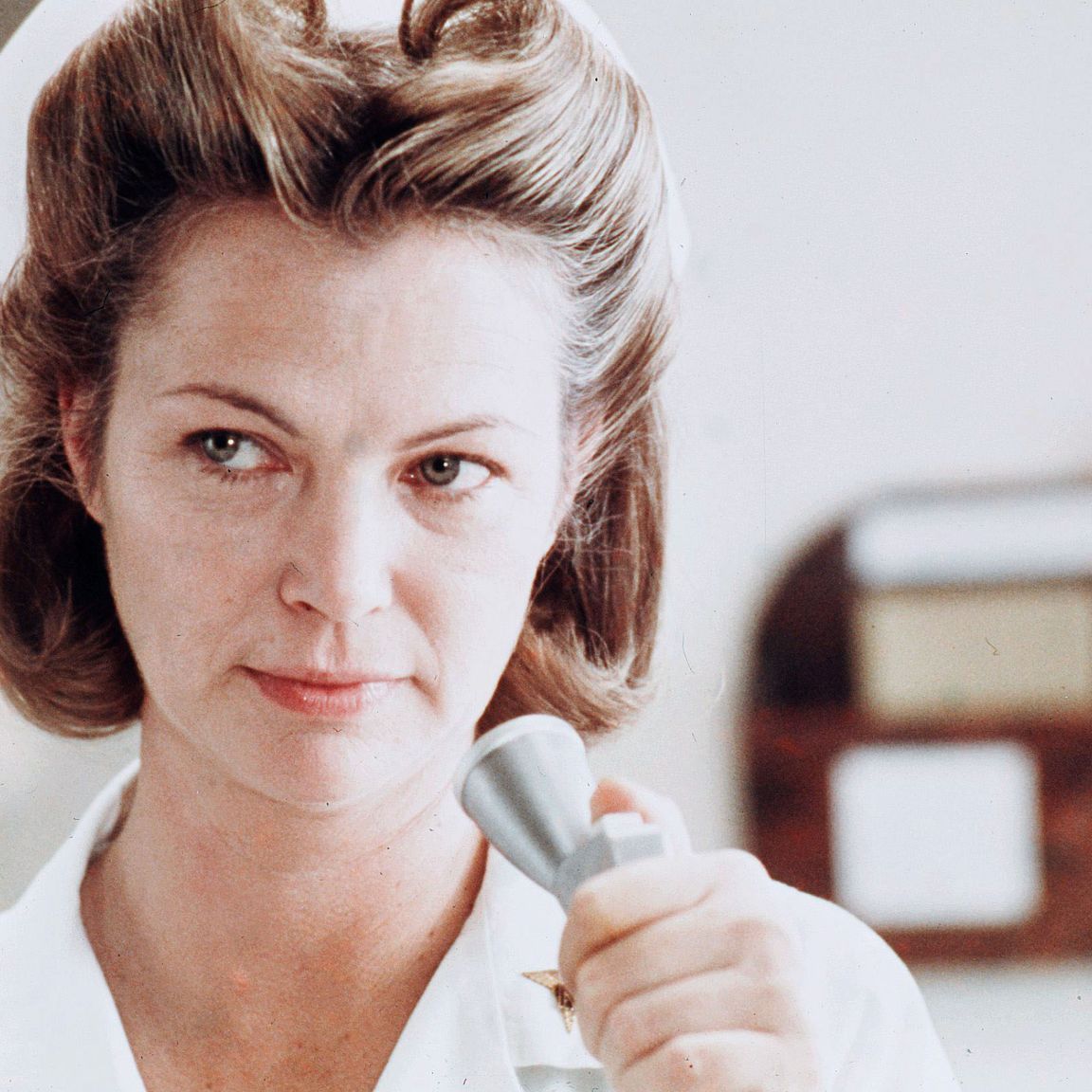
Milos Forman’s Top 10 Films Ranked
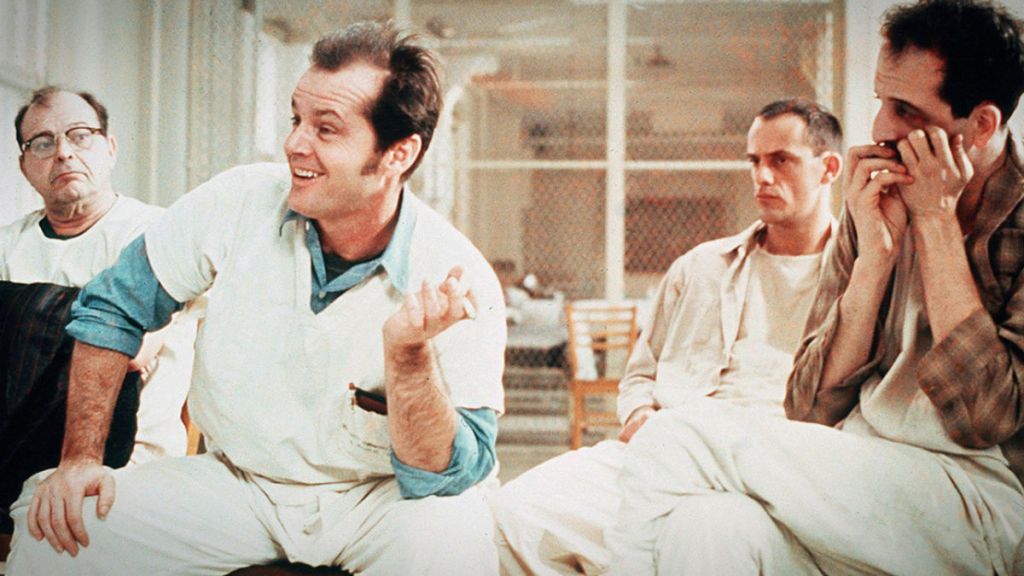
1. One Flew Over The Cuckoo’s Nest (1975)
Genre: Drama
2. Loves of a Blonde (1965)
Genre: Coming-of-Age, Comedy, Drama

3. Amadeus (1984)
Genre: Biographical, Music, Period Drama

4. Taking Off (1971)
Genre: Comedy

5. The Fireman’s Ball (1967)
Genre: Comedy

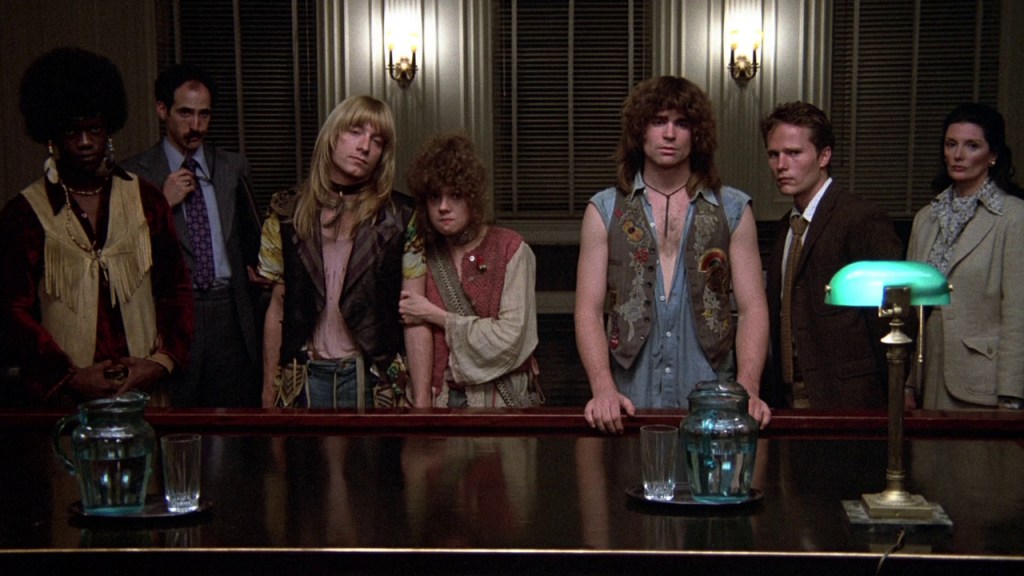
6. Hair (1979)
Genre: Musical, Drama
7. Man on the Moon (1999)
Genre: Biographical, Comedy, Drama

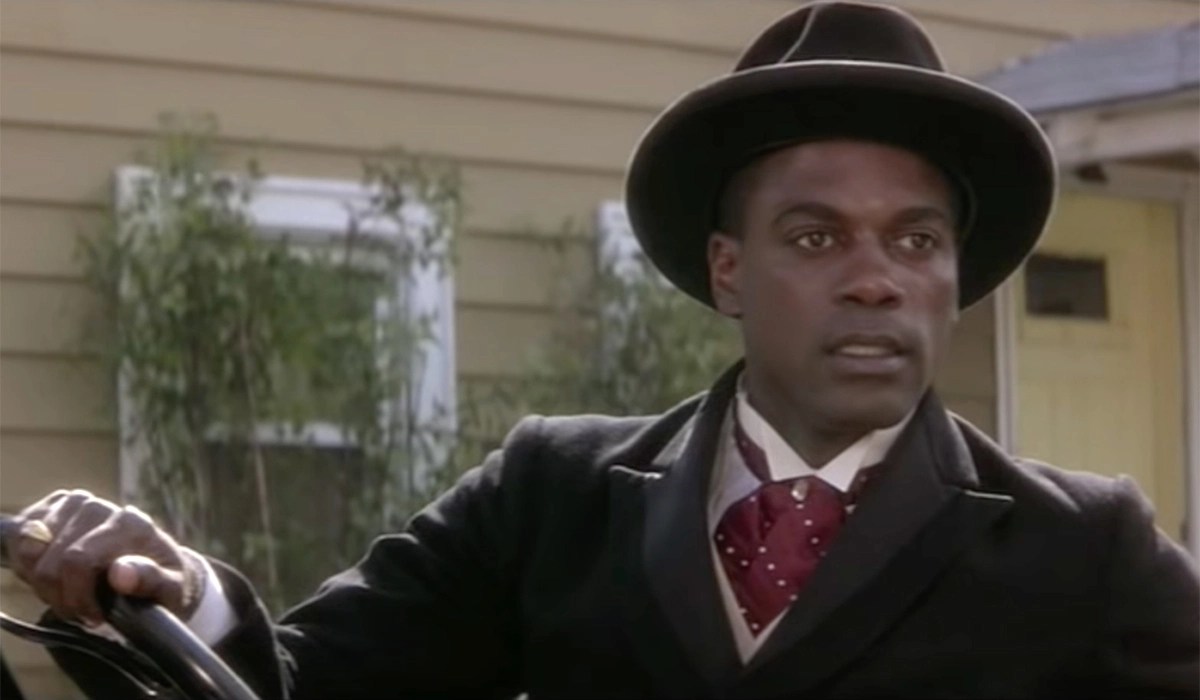
8. Ragtime (1981)
Genre: Period Drama

9. Black Peter (1964)
Genre: Coming-of-Age, Comedy
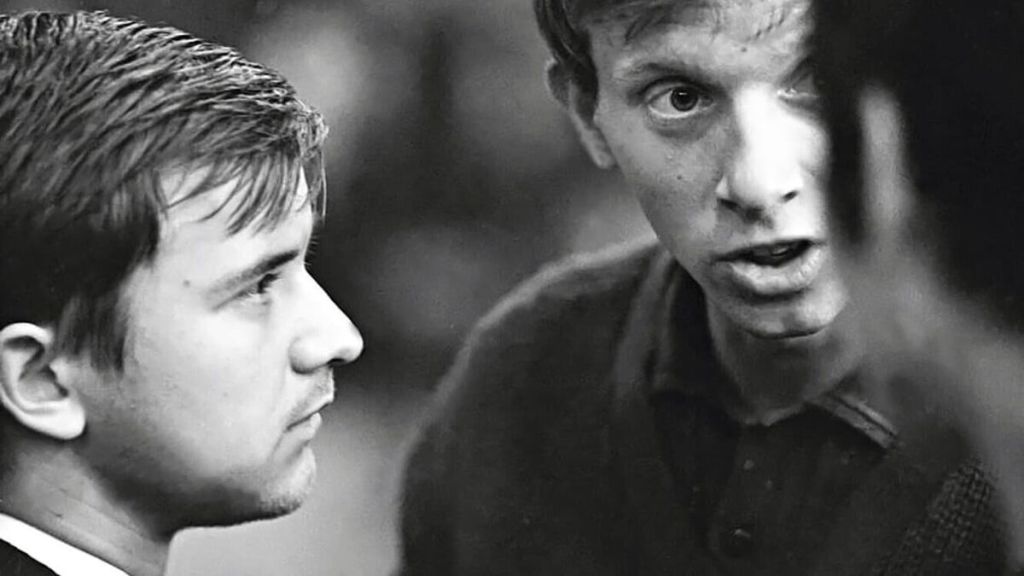
10. The People vs Larry Flynt (1996)
Genre: Biographical, Legal Drama, Romance, Comedy

Milos Forman: Themes and Style
Themes:
- Societal Outcasts and Rebels: Many of Forman’s films spotlight characters who stand in opposition to societal norms, either by choice or by circumstance. This is evident in One Flew Over the Cuckoo’s Nest, where the patients of a mental institution challenge the authoritarian rule of Nurse Ratched.
- Youth and Counter-culture: Forman showed a keen interest in the world of youth and the counter-culture movements, as seen in his film Hair, which delves into the 1960s hippie culture.
- Artistic Expression: Whether exploring the life of Wolfgang Amadeus Mozart in Amadeus or Larry Flynt in The People vs. Larry Flynt, Forman’s films often revolve around creative figures, diving deep into their processes and the societal implications of their works.
- Confrontation with Authority: A recurring theme in Forman’s works is the individual’s confrontation with institutional or societal power structures.
Styles:
- Realism: Forman was well-known for his approach to realism. He often employed natural lighting, on-location shoots, and scenes that flowed organically, drawing from his roots in the Czech New Wave cinema.
- Character Depth: Forman had a knack for drawing out deep and complex character portrayals from his actors, ensuring that even secondary characters were multi-dimensional.
- Mix of Professional and Amateur Actors: Forman frequently mixed seasoned actors with novices, believing that amateurs brought a certain raw authenticity to his films.
- Narrative Innovation: His films often feature non-linear narratives or unique storytelling approaches, engaging audiences in unconventional ways.
Directorial Signature:
- Humanistic Approach: At the heart of Forman’s films is a deep humanism. His characters, often flawed and against the grain, are presented with empathy and depth, allowing audiences to connect with them on a personal level.
- Authenticity: Drawing from his own experiences as an immigrant and someone who lived through political upheaval in Czechoslovakia, Forman’s films often grapple with genuine feelings of displacement, identity, and resilience.
- Cinematic Freedom: Forman frequently allowed scenes to unfold naturally, giving actors the freedom to improvise. This approach lent a spontaneous and genuine quality to his work.
- Societal Commentary: Many of Forman’s films serve as commentaries on society, whether direct or subtle. He often critiqued power structures, societal norms, and the tension between individuality and conformity.
- Visual and Aural Mastery: Forman’s films are notable for their visual elegance paired with striking soundscapes. Amadeus, for instance, brilliantly weaves Mozart’s music into the narrative, making it a character in its own right.
Milos Forman: The 106th Greatest Director


 Bronze Screen Dream