

Mike Nichols was an American director known for his versatile and prolific work across film, theatre, and television. His distinctive oeuvre encompasses an array of critically acclaimed works, notably The Graduate, Who’s Afraid of Virginia Woolf?, and Carnal Knowledge, which helped shape cinema during the late 1960s.
Born to a German-Russian Jewish family, Nichols found his path into cinema from the stage, first as an actor and later as a director. He became a crucial part of the American New Wave, a movement that challenged traditional Hollywood storytelling and aesthetics in the 1960s and 70s. His thematic interests often revolved around interpersonal relationships, power dynamics, and the ensuing struggles, often revealing the complex nature of human behaviour and societal conventions.
His approach to filmmaking was characterised by a keen focus on characters and dialogue. In films like Who’s Afraid of Virginia Woolf?, Nichols used incisive dialogue to explore the intricate dynamics of marriage, ultimately revealing darker and more complex emotional truths. This focus on the spoken word was perhaps a result of his theatrical background, demonstrating a seamless transition of his directing style between stage and screen.
Nichols’ visual style was as diverse as his choice of genres. His films often showcased a blend of realism and stylistic flourish, from the dynamic camerawork in The Graduate that captured the protagonist’s sense of alienation and uncertainty to the gritty and unvarnished visuals of Carnal Knowledge that underscored its raw, emotional narrative.
Nichols’ influence on cinema is substantial. His successful transition from theatre to film opened avenues for other stage directors to explore the medium. His approach to storytelling, particularly his emphasis on character and dialogue, resonated with directors such as Richard Linklater and Aaron Sorkin. Furthermore, his work helped shape American cinema during the transformative era of the 1960s and 70s, providing an essential bridge between classical Hollywood and the emerging New Wave.

Mike Nichols (1931 – 2014)
Calculated Films:
- Who’s Afraid of Virginia Woolf (1966)
- The Graduate (1967)
- Catch-22 (1970)
- Wit (2001)
Similar Filmmakers



Mike Nichols’ Top 10 Films Ranked
1. Who’s Afraid of Virginia Woolf? (1966)
Genre: Psychological Drama, Family Drama, Drama

2. The Graduate (1967)
Genre: Coming-of-Age, Drama, Romance

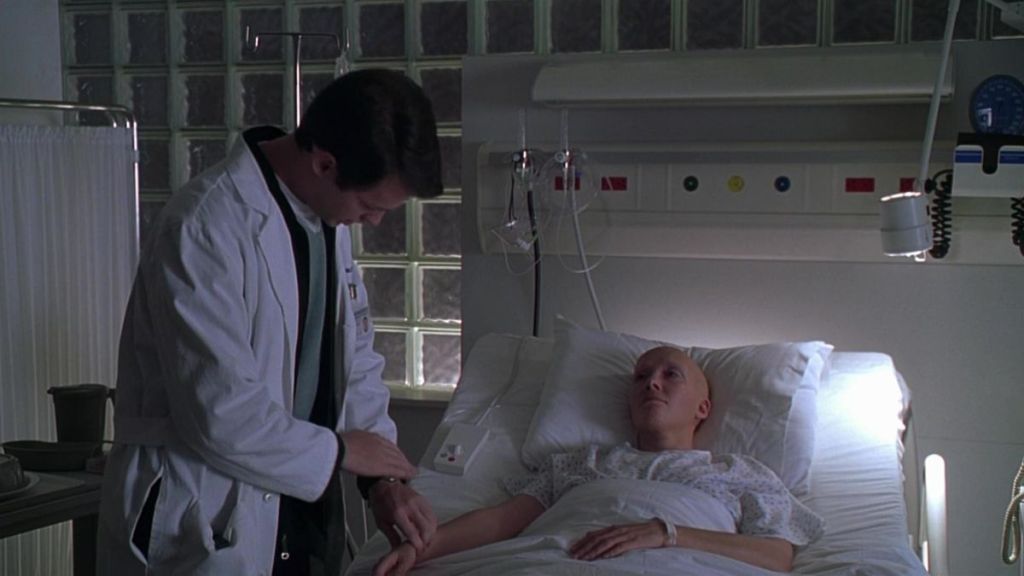
3. Wit (2001)
Genre: Drama
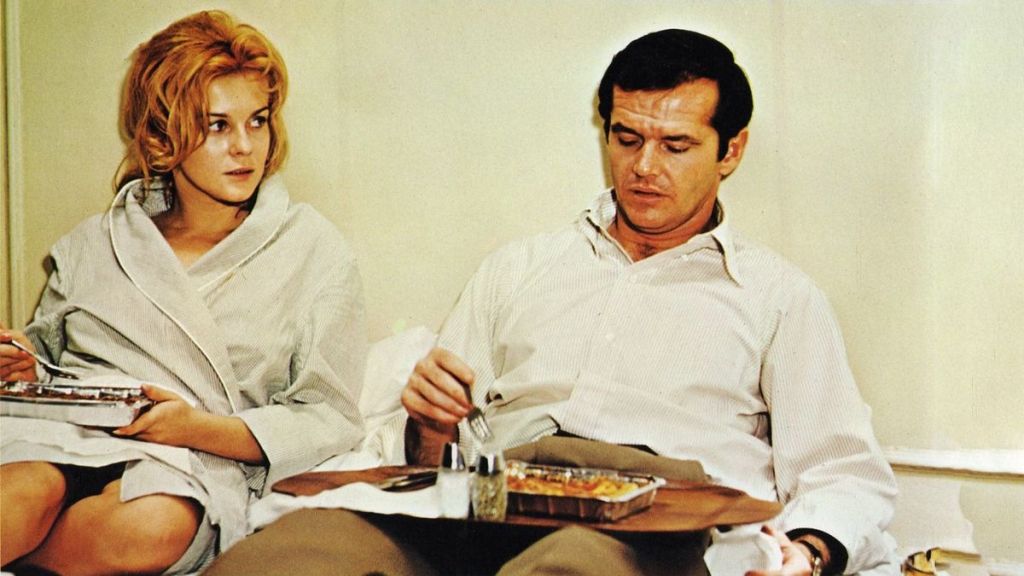
4. Carnal Knowledge (1971)
Genre: Drama
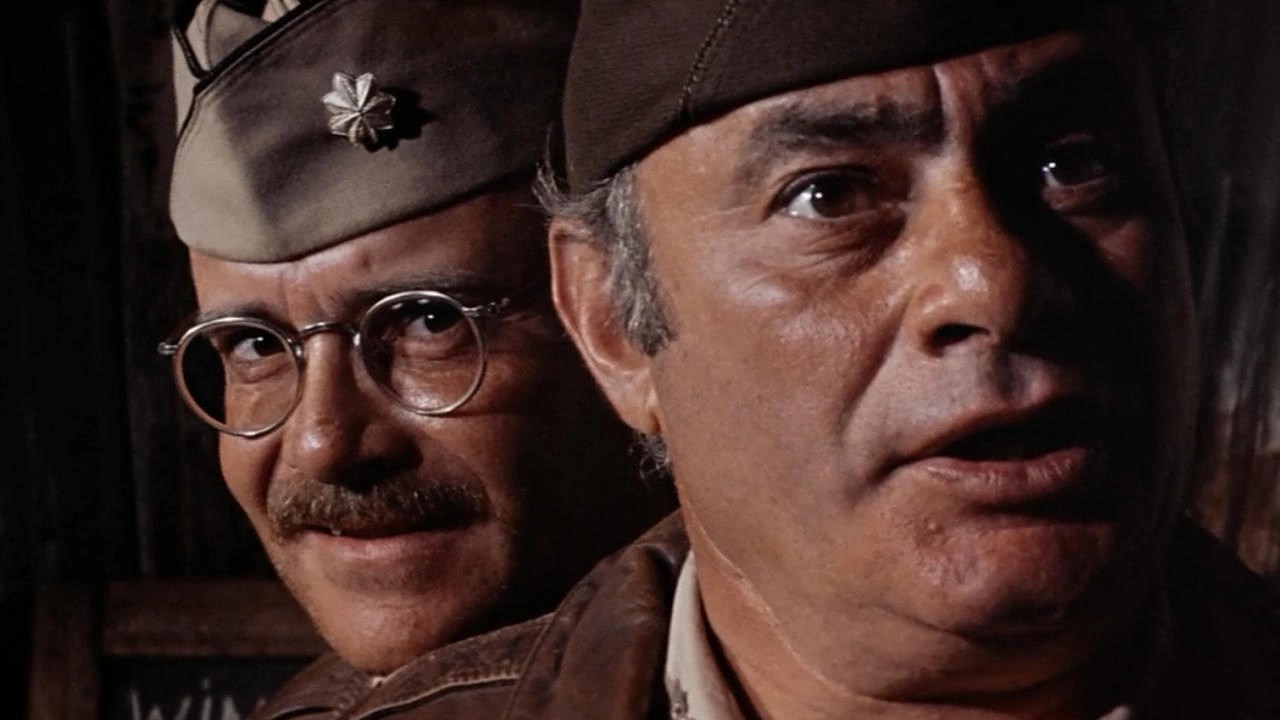
5. Catch-22 (1970)
Genre: Satire, War, Black Comedy, Absurdist Comedy

6. Angels in America (2003)
Genre: Miniseries, Drama

7. Silkwood (1983)
Genre: Biographical, Drama

8. The Birdcage (1996)
Genre: Comedy

9. Closer (2004)
Genre: Drama, Romance

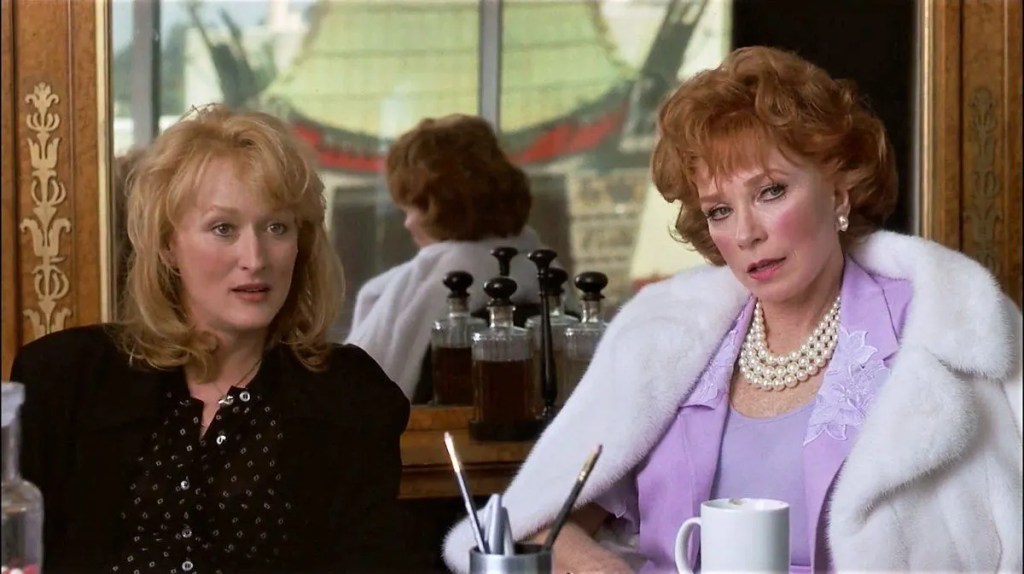
10. Postcards From The Edge (1990)
Genre: Drama, Comedy
Mike Nichols: Themes and Style
Themes:
- Human Relationships and Intimacy: Nichols had a keen eye for the complexities of human relationships, often exploring themes of love, betrayal, and personal growth. Films like Who’s Afraid of Virginia Woolf? and Closer delve into the dynamics between partners, unravelling the intricacies and frailties of human connections.
- Social Satire and Critique: He often engaged with contemporary societal norms and expectations, using satire and humour as tools for critique. In The Graduate, Nichols offers a biting commentary on the disillusionment and alienation experienced by young adults in a rapidly changing society.
- Identity and Self-Discovery: His films frequently grapple with characters’ quests for identity and self-understanding. This theme is evident in works like Carnal Knowledge, where characters navigate through personal and sexual identities amidst societal expectations.
- Theatrical Adaptations: With a strong background in theatre, Nichols adapted numerous plays into films, preserving the narrative strength and theatricality of the original works while transitioning them to the cinematic medium, as seen in Who’s Afraid of Virginia Woolf?
Styles:
- Visual Storytelling: Nichols was known for his subtle yet effective visual style, using composition, lighting, and colour to underscore the emotional tone and thematic content of his films.
- Performance Direction: As a director, he had an extraordinary ability to guide actors, eliciting performances that were nuanced, authentic, and deeply affecting. His background in acting and theatre undoubtedly informed this aspect of his directorial approach.
- Dramedy: Nichols had a talent for blending drama and comedy (dramedy), which allowed him to explore serious, contemplative subjects while maintaining a light, accessible tone. This technique is prominently featured in films like The Graduate.
- Dialog-Driven Narratives: His films are characterised by sharp, intelligent dialogue that drives the narrative. The conversation between characters is not merely expositional but is crucial for unfolding the layers of character dynamics and plot development.
Directorial Signature:
- Character-Centric Focus: Nichols’ films are invariably character-driven, focusing on the depth, complexity, and development of individuals as they navigate through their respective narratives. This approach results in characters that are not only relatable but also deeply human and multi-dimensional.
- Nuanced Humor: His work exhibits a sophisticated sense of humour, where comedy arises not from overt gags but from the subtleties of human behaviour, expressions, and situations. This nuanced humour is a hallmark of Nichols’ directorial style, making his films as thought-provoking as they are entertaining.
- Theatrical Sensibility: Given his roots in theatre, Nichols’ films often carry a theatrical sensibility in terms of dialogue delivery, character interaction, and stage-like setups. This theatricality enhances the narrative, providing a unique aesthetic and rhythm to his films.
Mike Nichols – The 176th Greatest Director



 Bronze Screen Dream