
Michael Curtiz was a Hungarian-American film director celebrated for his remarkable versatility and adeptness across various genres. Known for masterpieces like Casablanca, Yankee Doodle Dandy, and The Adventures of Robin Hood, Curtiz had a knack for blending captivating storytelling with striking visuals. His unique ability to handle diverse genres, from film noir and war films to musicals and adventure films, distinguished him as one of Hollywood’s most resourceful directors.
Curtiz’s career spanned over five decades, beginning in Hungary before he transitioned to Hollywood, making a home at Warner Bros. His career was defined by prolific output, directing more than 100 films. This, coupled with his ability to produce quality films rapidly and efficiently, made him a valuable asset to the studio. At Warner Bros., he cultivated a long-standing collaboration with actor Errol Flynn, who made a dozen films, adding a swashbuckling classic to his diverse repertoire.
Curtiz’s approach to filmmaking was characterised by an intense, autocratic style, which, while often criticised, yielded memorable performances from his actors. His method was firmly rooted in his belief in the director’s authority and ability to shape the film. This approach, combined with his versatility, is evident in films such as the war film Casablanca and the musical biography Yankee Doodle Dandy.
The First Hungarian Academy Award Winner
The director’s visual style was distinguished by his innovative use of shadows, interesting camera angles, and dramatic lighting, all working together to amplify the mood and emotion of his films. This unique visual language lent a unique aura to his films, contributing significantly to their timeless appeal. This style can be distinctly observed in the film noir Mildred Pierce, where Curtiz uses shadows and angles to heighten the sense of intrigue and suspense.
The peak of Curtiz’s career was arguably Casablanca, widely considered one of the greatest movies in the history of cinema. Despite the chaotic conditions under which it was made, the film won Curtiz the Best Director Oscar, and the film itself won the Best Picture award. Curtiz’s other films also garnered numerous Academy Award nominations and wins, cementing his position as a titan of Hollywood cinema.
Despite often being overlooked in comparison to his contemporaries, Curtiz’s influence on Hollywood and global cinema remains significant. His ability to juggle various genres while maintaining a distinctive directorial style has inspired countless filmmakers like Martin Scorsese and Steven Spielberg. His films have remained enduring classics, and his legacy continues to influence the trajectory of film history.

Michael Curtiz (1886 – 1962)
Calculated Films:
- Captain Blood (1935)
- The Adventures of Robin Hood (1938)
- Angels With Dirty Faces (1938)
- The Sea Hawk (1940)
- The Sea Wolf (1941)
- Casablanca (1942)
- Yankee Doodle Dandy (1942)
- Mildred Pierce (1945)
- The Breaking Point (1950)
- White Christmas (1954)
Similar Filmmakers
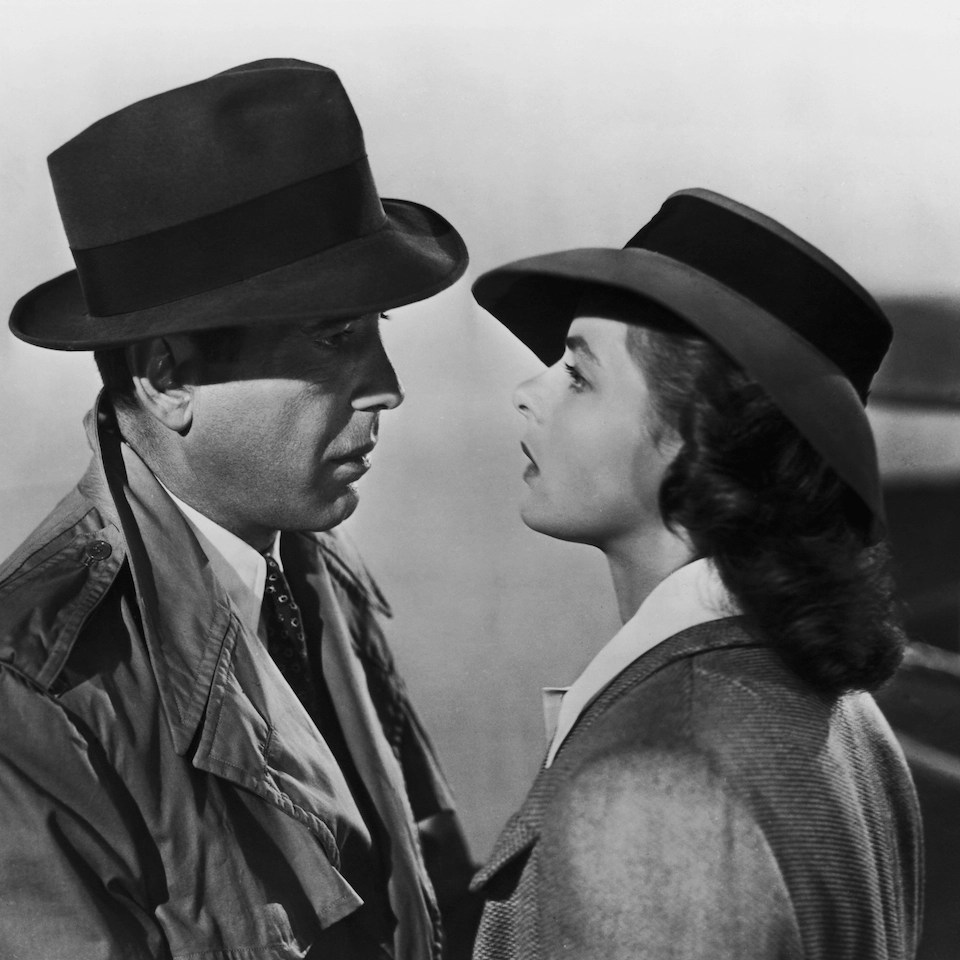


Michael Curtiz’s Top 10 Films Ranked
1. Casablanca (1942)
Genre: War, Romance, Drama

2. Mildred Pierce (1945)
Genre: FIlm Noir, Melodrama, Mystery

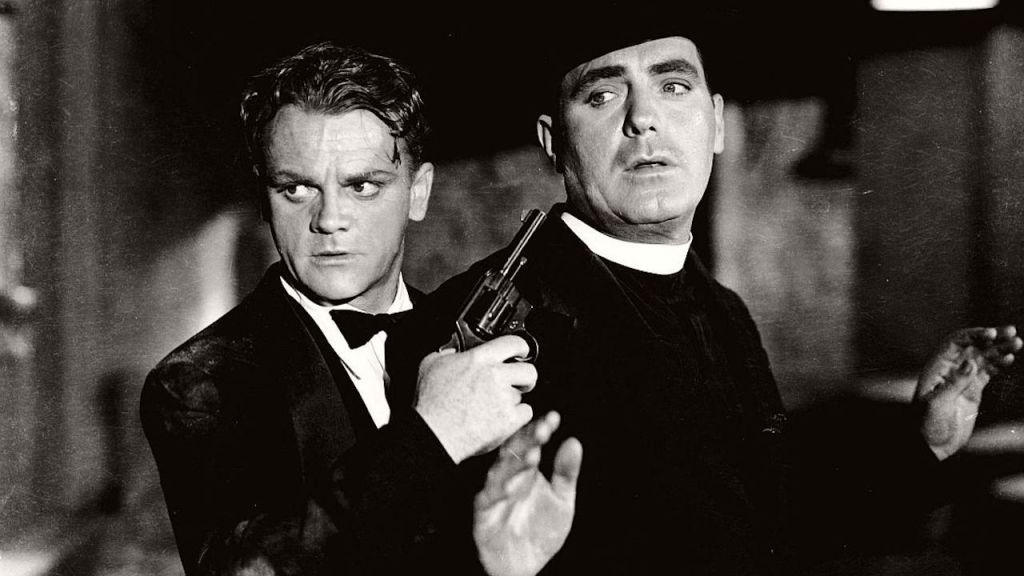
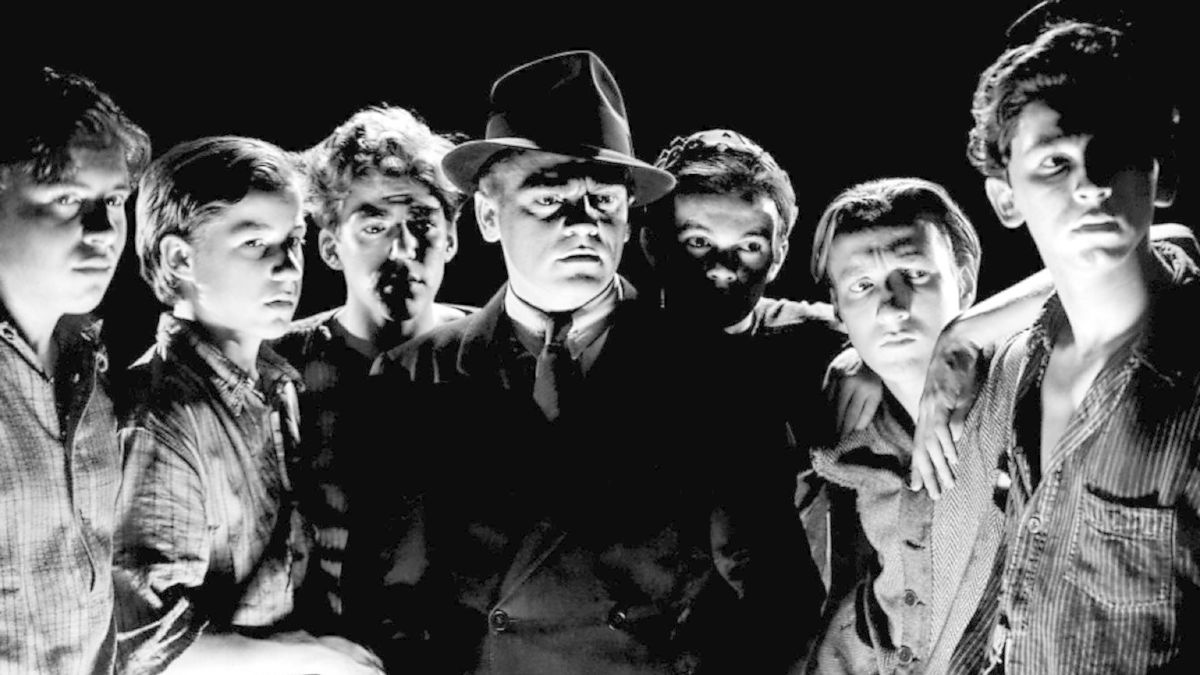
3. Angels With Dirty Faces (1938)
Genre: Gangster Film, Drama
4. The Adventures of Robin Hood (1938)
Genre: Swashbuckler, Adventure, Medieval

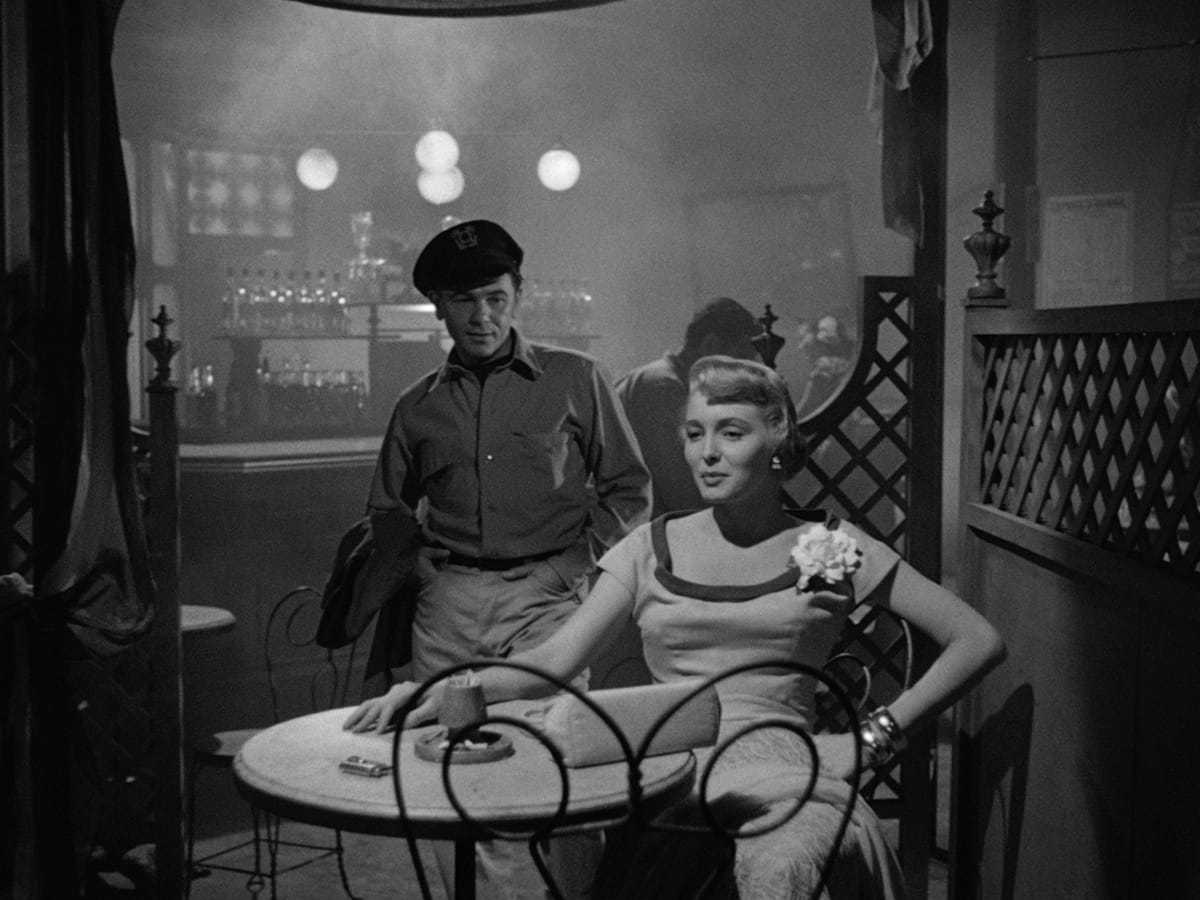
5. The Breaking Point (1950)
Genre: Film Noir, Drama
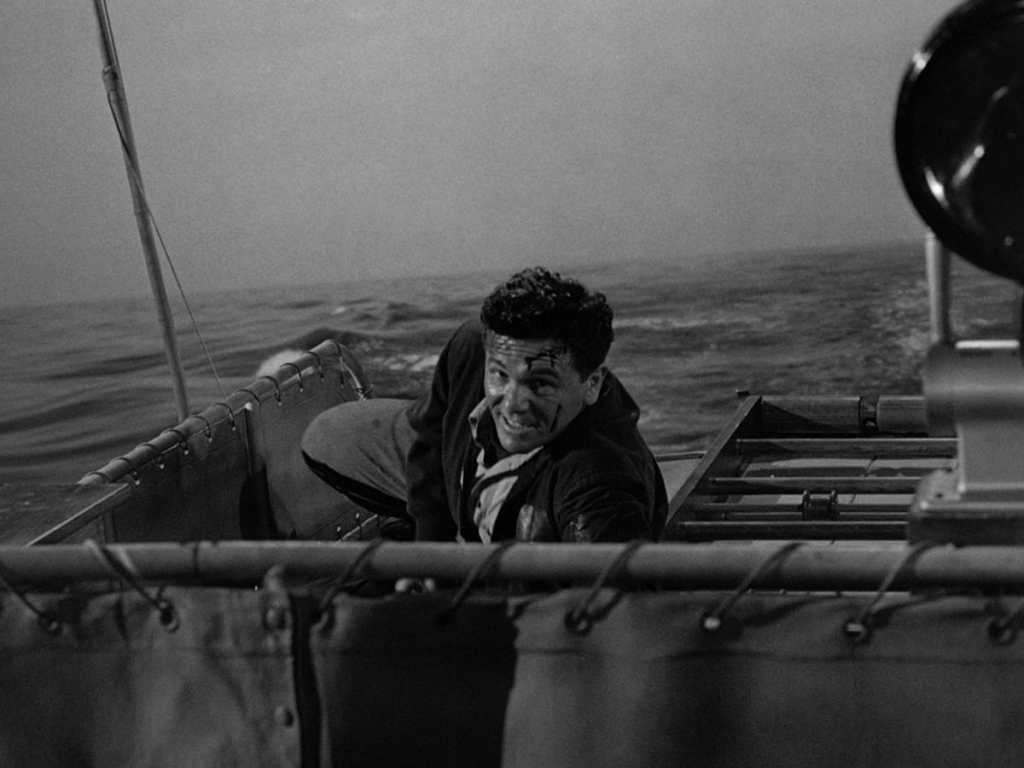
6. The Sea Hawk (1940)
Genre: Swashbuckler

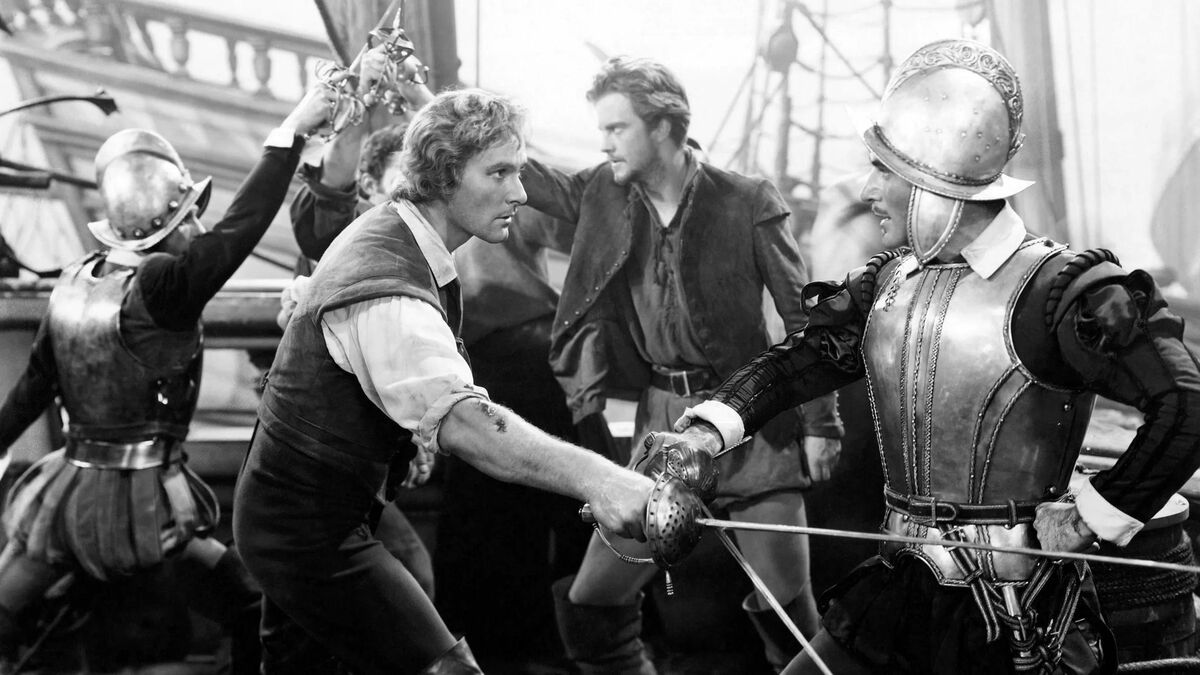
7. Captain Blood (1935)
Genre: Swashbuckler, Adventure

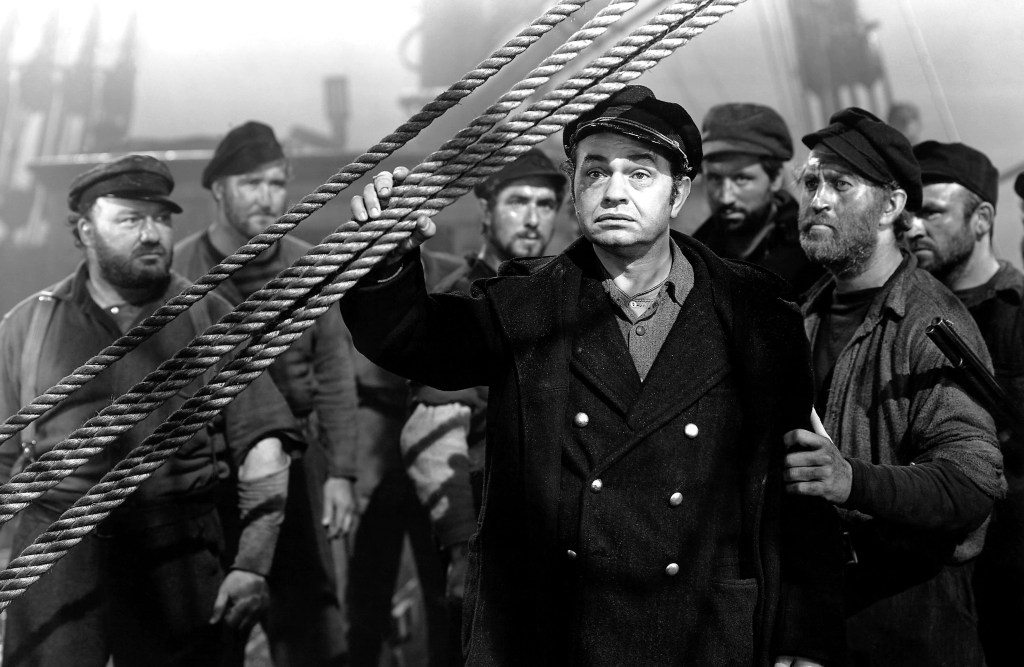
8. The Sea Wolf (1941)
Genre: Adventure, Drama, Psychological Drama
9. Yankee Doodle Dandy (1942)
Genre: Biographical, Musical

10. Flamingo Road (1949)
Genre: Melodrama, Film Noir, Drama

Michael Curtiz: Themes and Style
Themes:
- Americana and Identity: Many of Curtiz’s films, like Yankee Doodle Dandy and Casablanca, celebrate American values and the struggle for personal and national identity.
- Romance amid adversity: Films like Casablanca and Mildred Pierce prominently feature romance stories that unfold against the backdrop of larger social, political, or personal challenges.
- Personal Sacrifice: Characters in his films often face moral dilemmas where they need to sacrifice personal happiness for the greater good. Rick’s sacrifice in Casablanca is a prime example.
- Redemption: Several of his films focus on characters seeking redemption, such as Angels with Dirty Faces, where Rocky’s ultimate decision reflects his inner struggle to do right.
Styles:
- Dynamic Composition: Curtiz was known for his unique compositions, utilising shadows and unique angles to heighten drama, evident in films like The Adventures of Robin Hood.
- Fluid Camera Movement: His films often featured long, fluid tracking shots, which not only showcased his command over the visual medium but also kept the narrative moving seamlessly.
- Versatility: Unlike many directors of his time, Curtiz was not restricted to one genre. He directed films ranging from swashbuckling adventures like Captain Blood to musicals like White Christmas.
- Dramatic Lighting: A hallmark of Curtiz’s style is his use of expressive lighting, especially in his noir films. Deep shadows and stark contrasts create mood and tension, as seen in Mildred Pierce.
Directorial Signature:
- Integration of Music: Curtiz had a knack for seamlessly integrating music into his narratives. The iconic song “As Time Goes By” in Casablanca is more than just a soundtrack; it’s a character in its own right.
- Attention to Detail: Whether it was a historical epic or a character-driven drama, Curtiz’s meticulous attention to detail ensured authenticity and richness in every frame.
- Emphasis on Performance: Despite his remarkable visual style, Curtiz never overshadowed his actors. Instead, he drew out memorable performances from them, with many, like Humphrey Bogart in Casablanca, delivering career-defining roles.
Michael Curtiz: The 64th Greatest Director

 Bronze Screen Dream